

Before You Travel to Germany
Five things every smart traveler sorts before booking.
- 1
Passport valid 6+ months from entry date
Most countries refuse entry on passports expiring within six months. Renew now if you're close.
- 2
Visa requirements for Germany
Some are visa-free, some require an e-visa filed days ahead, some need an embassy appointment.
- 3
Travel insurance booked
A hospital visit in Germany can run $4,000-15,000 without cover. Credit card insurance usually excludes alcohol-related incidents.
- 4
eSIM data plan ready before landing
Airport SIM kiosks need your passport and overcharge tourists. Install an eSIM in 60 seconds, online before you fly.
- 5
Accommodation reserved in the right district
The wrong neighborhood means a 45-minute taxi every night. Map the venues first, then book.
City Guides in Germany
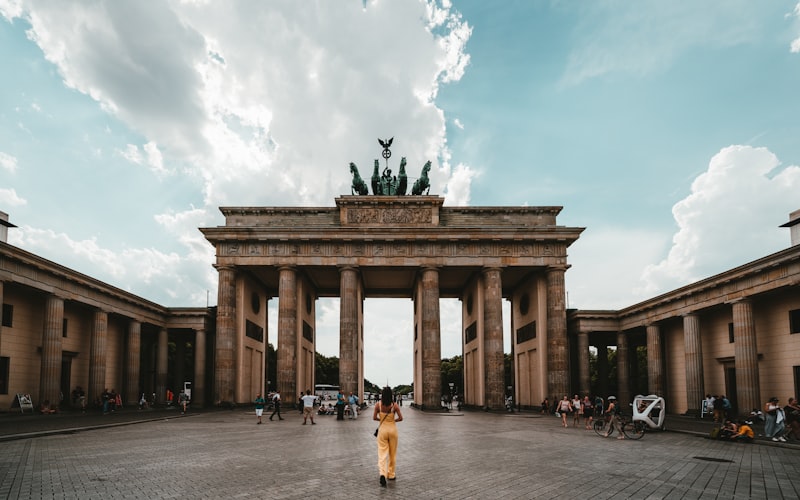
Berlin
City guide to adult nightlife in Berlin, covering districts, legal context, safety advice, and practical tips.
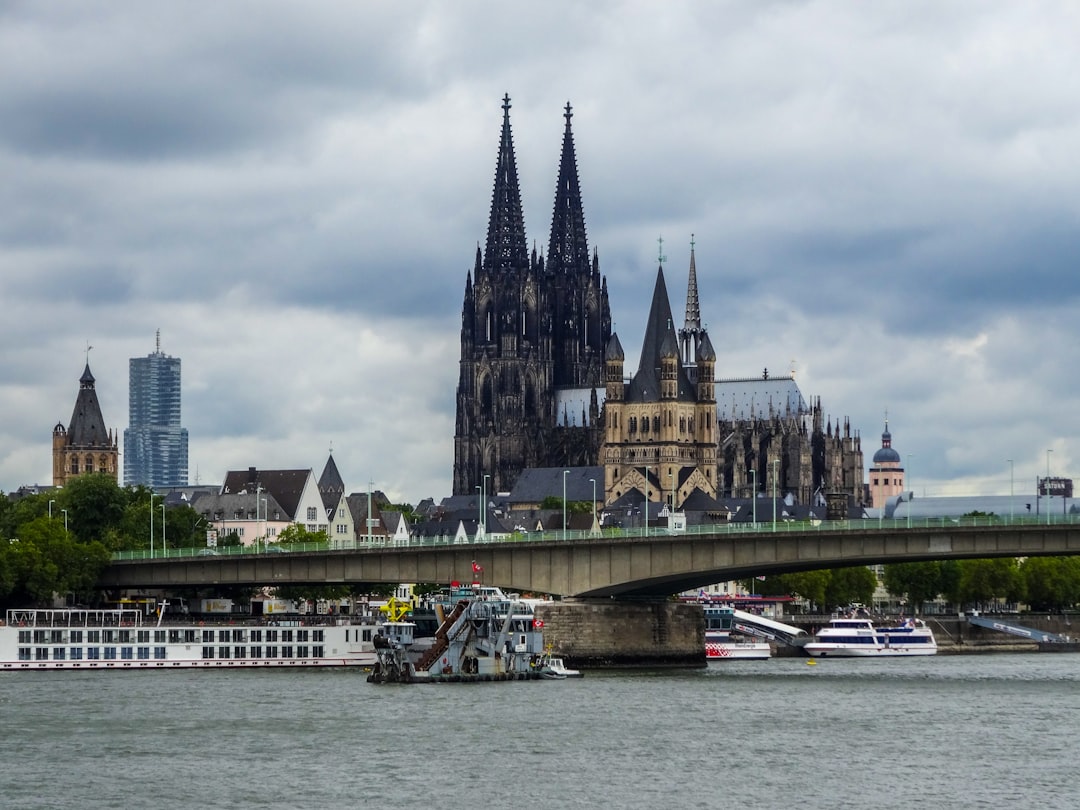
Cologne
City guide to adult nightlife in Cologne, covering the red-light areas, Pascha, and practical information for visitors.
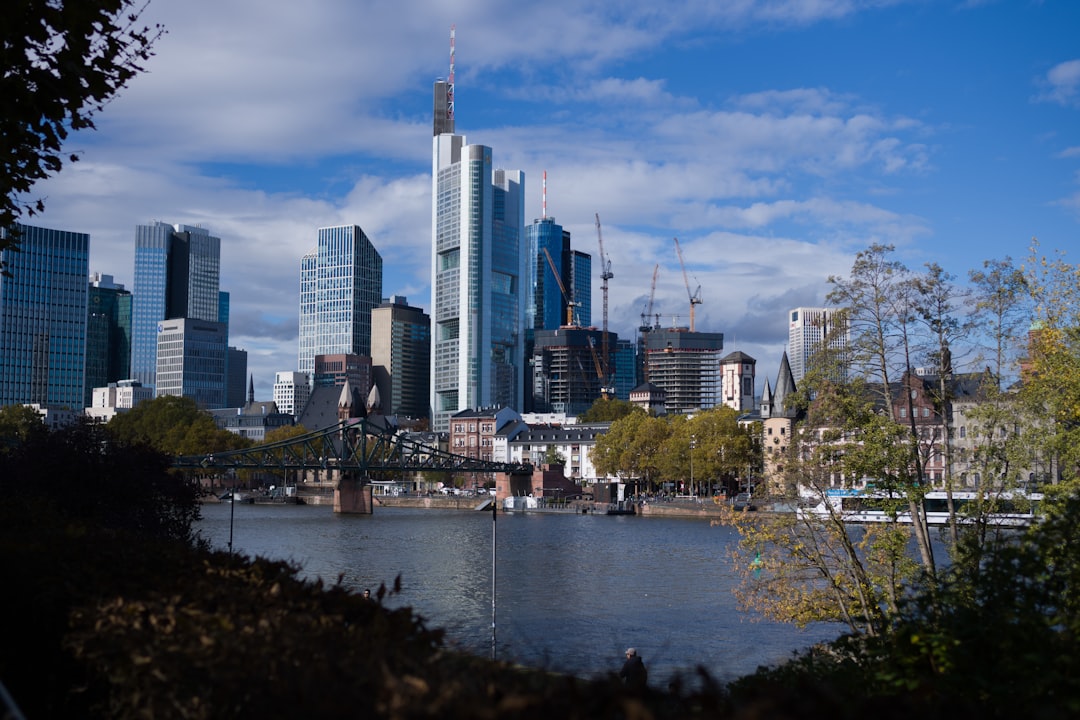
Frankfurt
City guide to adult nightlife in Frankfurt am Main, covering the Bahnhofsviertel red-light district, FKK clubs, and practical information.
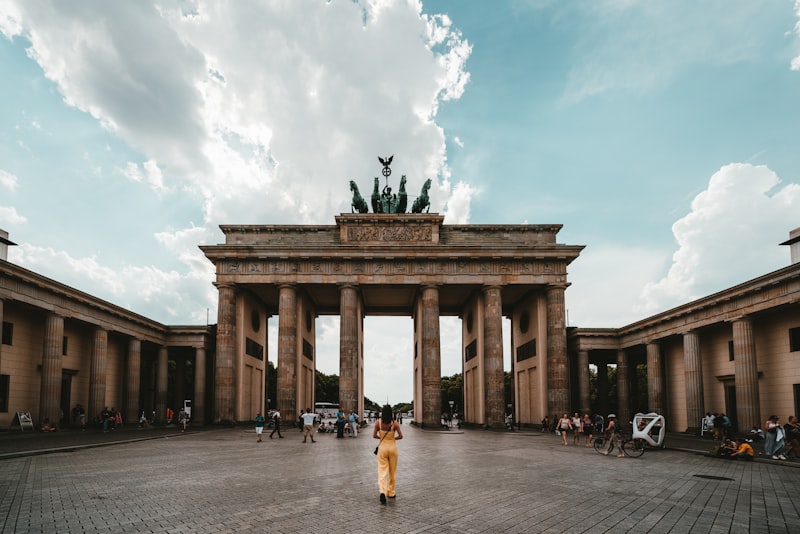
Hamburg
City guide to adult nightlife in Hamburg, covering the Reeperbahn, legal framework, safety advice, and practical tips.
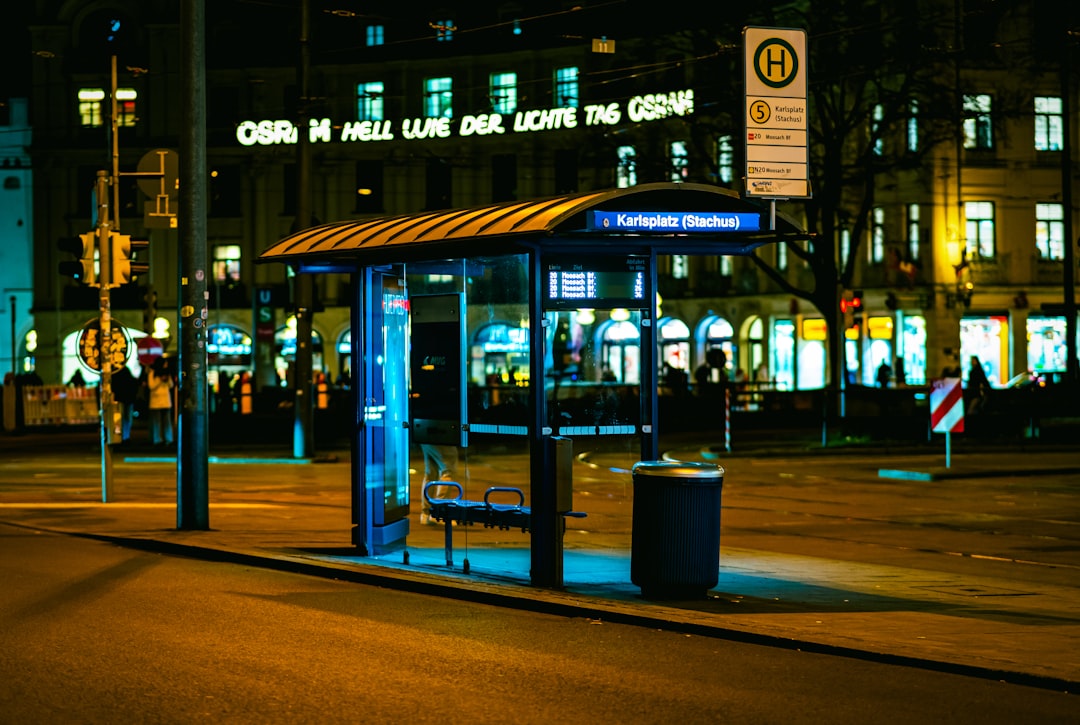
Munich
City guide to adult nightlife in Munich, covering the dispersed venue scene, FKK clubs, and Bavaria's more conservative approach to regulation.
Compare hotels in Germany
Hotels, hostels, and short-term rentals across the country's main nightlife cities.
Legal Framework
Germany operates one of the most regulated adult entertainment industries in Europe. Prostitution has been legal since 2002 under the Prostitution Act (Prostituiertengesetz), and the 2017 Prostitute Protection Act introduced detailed registration, licensing, and health requirements.
Information verified through local contacts as of February 2026.
Sex work is treated as a legitimate profession. Workers can obtain social insurance, health coverage, and pension contributions. Establishments require operating licenses from local authorities, and municipalities have significant latitude in how they implement federal law.
Enforcement Reality
Enforcement is generally consistent in major cities, though approaches vary by state (Bundesland). Bavaria tends toward stricter regulation, while Berlin and Hamburg adopt a more permissive stance. Licensed establishments operate openly and are subject to regular inspections.
Street-based sex work is regulated through designated zones (Sperrbezirke) in most cities. Operating outside these zones or without registration can result in fines for both workers and clients. Authorities focus enforcement efforts on trafficking, underage exploitation, and unlicensed operations.
Cultural Context
Germany approaches adult entertainment pragmatically. The industry is visible and largely destigmatized in major cities. Red-light districts are well-known landmarks, and nightlife districts integrate adult entertainment alongside conventional bars, restaurants, and clubs.
The German approach prioritizes harm reduction and worker safety over moral policing. Public health services are readily available, and worker advocacy organizations operate openly.
Venue Types
Germany has a distinctive system of adult entertainment venues that differs from other countries. Understanding the categories helps visitors know what to expect:
FKK clubs (Saunaclubs) are unique to German-speaking countries. These are large, resort-style establishments with saunas, swimming pools, buffet dining, and private rooms. Guests pay a flat entry fee (typically EUR 50-90) that includes use of all facilities and food. Services are negotiated and paid directly to workers. Artemis in Berlin is the most well-known, charging EUR 90 entry.
Laufhaus establishments are multi-story buildings where workers rent individual rooms. There's no entry fee. Visitors walk through the building and knock on doors where workers are available. Prices are negotiated directly, typically EUR 50-80 for 30 minutes.
Eros centers are similar to Laufhaus buildings but may include common areas like bars or lounges.
Street-based work operates in designated zones (Sperrbezirke). Kurfurstenstrasse in Berlin is the most well-known example. Rates are lower than indoor venues, typically EUR 30-50 for a standard encounter.
Window prostitution exists in Hamburg's Herbertstrasse, similar to the Dutch model. Rates are higher, typically EUR 150-350.
Costs
Germany is expensive by global standards, particularly in major cities. Adult entertainment pricing reflects this.
Beer at a regular bar costs EUR 4-6 for a half-liter. Berlin's Spati culture (corner shop late-night drinking) keeps pre-game costs to EUR 1-2 per bottle. Cocktails run EUR 8-16 depending on the venue. Club entry fees range from free to EUR 25. Some venues like Berghain charge EUR 20-25 but are notoriously selective about entry.
Food is reasonable. Street food (currywurst, doner) costs EUR 3-6. Restaurant lunches run EUR 10-15. Mid-range dinners cost EUR 15-25 per person.
Public transport is well-organized. Single BVG tickets in Berlin cost EUR 4.00 for the central zone. The Deutschlandticket at EUR 63/month covers all regional transit nationwide and is the best option for stays longer than a few days.
Hotels in nightlife areas start at EUR 15-35 for hostel dorms, EUR 50-80 for budget, EUR 80-130 for mid-range, and EUR 150-300+ for upscale.
Dating Culture
German dating culture is direct, practical, and less performative than what you'll find in Southern Europe or Latin America. There's less "game-playing" involved. Germans tend to say what they mean, and they expect the same in return. Honesty isn't just appreciated; it's the baseline.
Splitting the bill is common, especially among younger Germans. Insisting on paying for everything can come across as paternalistic rather than generous. Public displays of affection exist but stay moderate. Hand-holding and brief kisses are normal, though extended makeout sessions on a park bench will earn you disapproving looks.
Relationships here tend to develop slowly. Germans are cautious about commitment, but once they commit, they take it seriously. Family involvement is minimal compared to Asian or Latin cultures. Introducing a partner to your parents signals that the relationship has reached a serious stage, not that you went on three dates.
Germans are generally neutral to curious about foreign men. The country is multicultural, and cities like Berlin, Munich, and Frankfurt are used to international residents. You won't stand out for being foreign in most urban areas.
Punctuality matters in dating just as it does everywhere else in German life. Showing up late is considered disrespectful. Common mistakes include being too forward or aggressive, since Germans place real value on consent culture. Don't assume that friendliness signals romantic interest. Respect personal space, and don't force small talk. Germans aren't big on chitchat, and trying too hard to fill silence can feel awkward rather than charming.
Dating Apps
Tinder is the most widely used dating app across Germany. Bumble has a strong following in major cities. Lovoo, a German-origin app, maintains a solid user base domestically. OkCupid has found a niche among progressive and alternative scenes, particularly in Berlin.
English-language profiles work well in Berlin, Munich, and Frankfurt. In smaller cities, you'll get better results writing in German or at least mixing both languages. German women tend to be direct on apps. If they're not interested, they'll say so plainly or simply unmatch.
The dating app culture here is less intense than in the US. Don't expect instant replies; response times run slower, and that's normal rather than a sign of disinterest. Scams on German dating apps are relatively rare compared to Southeast Asia or Eastern Europe. Standard catfishing exists, but the platforms are generally safe and well-moderated.
Berlin's dating scene deserves its own mention. It's particularly unconventional: alternative, polyamory-friendly, and far less bound by traditional dating scripts than the rest of Germany.
Key Cities
Berlin is the largest market, with a decentralized nightlife scene spread across multiple neighborhoods. Kurfurstenstrasse in Schoneberg is the most internationally recognized street-level sex work area. Oranienburger Strasse in Mitte has historically attracted street-level activity, though this has diminished. The city's FKK club scene is anchored by Artemis. Berlin's liberal attitude, 24-hour nightlife culture, and lack of mandated closing times make it unique in Europe.
Hamburg is home to the famous Reeperbahn on the St. Pauli waterfront, one of Europe's most well-known entertainment districts. The 930-meter street has been an entertainment strip since the 19th century, originally serving sailors from the port. Herbertstrasse, a gated side street, features window prostitution similar to Amsterdam's model. The Davidwache police station on the Reeperbahn is one of Germany's most famous. The Beatles played their early Hamburg residencies on Grosse Freiheit, a side street off the main strip.
Frankfurt has a concentrated district near the Hauptbahnhof (main train station), centered around Elbestrasse and the Bahnhofsviertel neighborhood. The area has undergone some gentrification but retains a significant adult entertainment presence alongside new restaurants and bars.
Munich has a smaller, more regulated scene reflective of Bavaria's conservative governance. Establishments exist but are less visible and more discreet than in Berlin or Hamburg.
Safety Considerations
Germany is generally safe for travelers exploring nightlife districts. Licensed establishments are subject to health and safety standards, and workers benefit from the same labor protections as other professions. Key safety notes:
- Verify that establishments display valid operating licenses
- Stick to well-lit, populated areas when walking between venues
- Be aware of drink prices before ordering. Bill disputes are the most common issue for visitors
- Taxi services and public transport operate late into the night in most cities. Berlin has no mandated closing time for bars. Hamburg's trains run 24 hours on weekends
- Emergency services respond quickly throughout the country (112 for medical/fire, 110 for police)
- Germany's DUI laws are strict, with a 0.05% BAC limit. Don't drive to nightlife districts
Common Scams
The most prevalent issues for visitors involve overcharging at unlicensed bars near nightlife districts. Some establishments near train stations use aggressive touts to draw in customers, then present inflated bills. Avoid venues that do not display menus with prices.
Clip joints (Nepp-Lokale) remain a known issue, particularly in Hamburg and Frankfurt. These establishments lure customers with promises of companionship, then charge exorbitant prices for drinks. A common variant is the "champagne scam," where a companion orders "champagne" that turns out to be non-alcoholic sparkling wine priced at hundreds of euros. If a situation feels pressured, leave immediately.
In Berlin, some smaller, unmarked bars near nightlife areas operate without proper licensing. Stick to established venues with visible menus and posted prices.
What Not to Do
- Do not engage with touts or street promoters who approach aggressively
- Do not assume all establishments near red-light districts are regulated. Verify licenses
- Do not photograph workers or establishment interiors without explicit consent
- Do not negotiate in ways that undermine established pricing structures
- Do not confuse legal adult entertainment with trafficking. Report any concerns to police
- Do not drive to nightlife districts. Parking is scarce and DUI enforcement is strict
- Do not enter Herbertstrasse in Hamburg if you are female or under 18. This is enforced
Sources
- U.S. Department of State: Germany Travel Advisory - Entry requirements, safety alerts, and local law summary
- UK Foreign, Commonwealth & Development Office: Germany Travel Advice - Safety, health, and legal information for travelers
- Australian Government Smartraveller: Germany - Travel advisory and practical information
Get the Legal Status PDF, 50 countries
Newsletter signup coming soon. Check back shortly.
Germany Map
Emergency Information: Germany
- Emergency:
- 112
- Tourist Police:
- 110 (general police)
- Embassy Note:
- Most embassies are located in Berlin. Consulates operate in Frankfurt, Munich, and Hamburg.
Other Options in the Area
Belgium
Brussels nightlife from the Gare du Nord's red-light windows to Ixelles' cocktail bars. Legal and regulated, expensive, with a distinct bilingual cultural divide.
France
Paris nightlife from Pigalle's cabarets to the Champs-Elysees clubs, plus the Riviera scene. Legal, regulated, and expensive with a deep entertainment tradition.
Ireland
Dublin's pub culture, late-night clubs, and the reality of Ireland's 2017 sex purchase ban. A safe, expensive destination where nightlife centers on drinking culture rather than adult entertainment.
Luxembourg
Luxembourg's nightlife is compact but sophisticated, centered on the Clausen valley in Luxembourg City. High prices reflect the country's wealth, but the bar scene delivers quality over quantity.
Similar Countries in Other Regions
Countries with a similar overall score to Germany (3.5) but in different parts of the world.
Azerbaijan
3.5Caucasus
An oil-rich Caspian nation where conservative Muslim traditions sit alongside Baku's cosmopolitan bar scene, waterfront clubs, and a nightlife shaped by petrodollars and regional tourism.
China
3.5East Asia
Guide to nightlife across mainland China, Hong Kong, and Macau covering bar districts, KTV culture, legal context, costs, and practical tips for foreign visitors.
Croatia
3.5Southern Europe
Zagreb and Split offer a growing nightlife scene with Mediterranean beauty, Adriatic coastline bars, and an unregulated but tolerated adult entertainment industry.
Was this guide helpful?