

Before You Travel to Luxembourg
Five things every smart traveler sorts before booking.
- 1
Passport valid 6+ months from entry date
Most countries refuse entry on passports expiring within six months. Renew now if you're close.
- 2
Visa requirements for Luxembourg
Some are visa-free, some require an e-visa filed days ahead, some need an embassy appointment.
- 3
Travel insurance booked
A hospital visit in Luxembourg can run $4,000-15,000 without cover. Credit card insurance usually excludes alcohol-related incidents.
- 4
eSIM data plan ready before landing
Airport SIM kiosks need your passport and overcharge tourists. Install an eSIM in 60 seconds, online before you fly.
- 5
Accommodation reserved in the right district
The wrong neighborhood means a 45-minute taxi every night. Map the venues first, then book.
City Guides in Luxembourg
Compare hotels in Luxembourg
Hotels, hostels, and short-term rentals across the country's main nightlife cities.
Legal Framework
Luxembourg legalized and regulated prostitution in 2016 through amendments to its criminal code. Sex work by adults is legal, and registered sex workers can operate as independent contractors. The law criminalizes pimping, brothel operation, and purchasing sex from trafficked individuals. Clients themselves face no prosecution when dealing with an independent, consenting adult.
Information verified through local contacts as of March 2026.
The regulatory framework requires sex workers to register with authorities and undergo regular health checks. In practice, the system functions more smoothly than in many European countries because Luxembourg's small size (roughly 670,000 residents) makes administrative oversight manageable. The Grand Duchy's efficient bureaucracy extends to this sector.
Luxembourg's position as an EU founding member and host to several European institutions means its legal framework aligns closely with EU directives on trafficking and exploitation. The country signed the Lanzarote Convention and has consistently strengthened protections for minors and trafficking victims.
Enforcement Reality
Enforcement in Luxembourg is straightforward and consistent, reflecting the country's reputation for orderly governance. Police focus on trafficking, exploitation, and public order rather than individual sex work. The small national territory and well-funded police force mean that organized criminal activity has limited room to operate undetected.
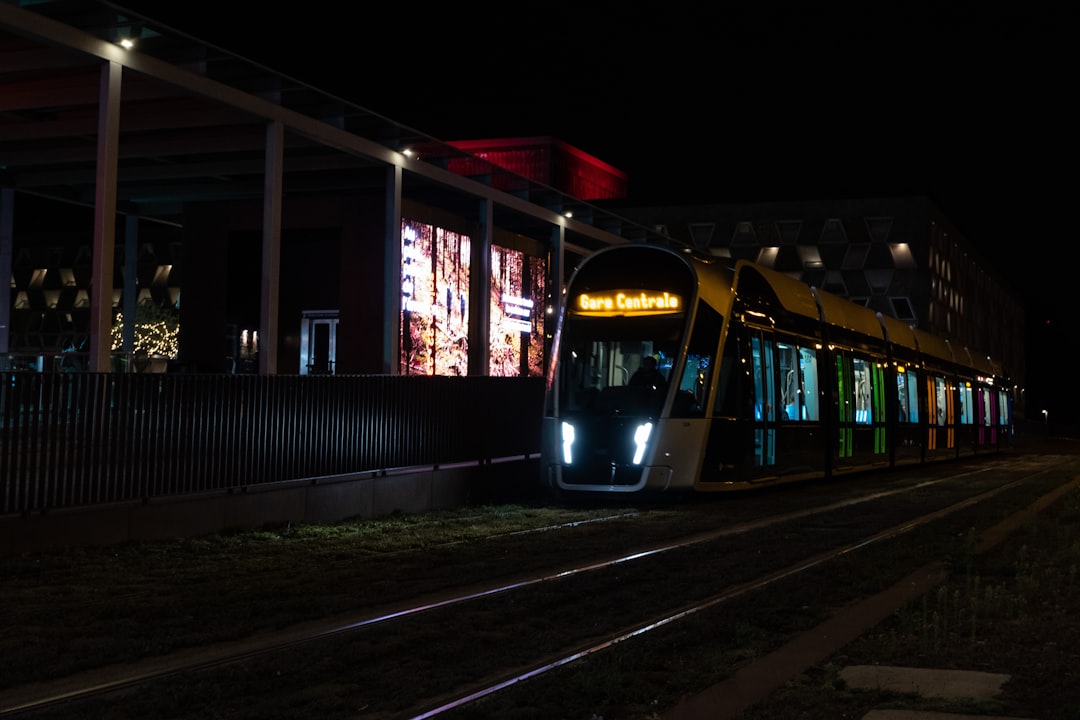
Street-level solicitation exists in some areas but is limited. The Gare district around the central train station has historically been associated with visible sex work, and police maintain regular patrols there. Enforcement actions tend to target exploitative operations rather than individual workers.
Luxembourg's trilingual population (Luxembourgish, French, German) and large international community, with foreigners comprising roughly 47% of the population, create a cosmopolitan environment where authorities prioritize peaceful coexistence over moral policing.
Cultural Context
Luxembourg defies easy cultural categorization. It sits at the intersection of French, German, and Belgian influences, and its population is the most internationally diverse in Europe by percentage. This creates a social environment that's tolerant, reserved, and pragmatic. Luxembourgers aren't prudish, but they don't broadcast their private lives either.
The country's extraordinary wealth, with the highest GDP per capita in the EU, shapes its nightlife in specific ways. Everything costs more than in neighboring countries. A beer in Luxembourg City costs what a cocktail costs in many Eastern European capitals. The flip side is that venues tend to be well-maintained, service is professional, and the crowd is cosmopolitan.
The banking and EU institutional presence means that Luxembourg City's social scene includes diplomats, financial professionals, and international civil servants alongside locals. This gives the nightlife a slightly corporate atmosphere during the week, loosening up on weekends.
Dating Culture
Dating in Luxembourg reflects the country's international character. The local population is small enough that most young Luxembourgers know each other, which pushes many toward dating within the large expat community. Apps work well here, with Tinder and Bumble having active user bases relative to the population size.
Language flexibility is a social asset. A typical night out might involve switching between French, German, English, and Luxembourgish. Most locals speak all four, and the ability to communicate in any of them opens doors. English alone works fine in nightlife settings, but a few words of French or Luxembourgish signal effort.
The dating pace tends toward European norms: direct but not aggressive, with a preference for meeting over drinks rather than elaborate dinner dates. Luxembourg's small size means that discretion matters; the person you meet at a Clausen bar might work in your office building.
Key Cities
Luxembourg City is effectively the only relevant destination for nightlife. With about 130,000 residents (and over 200,000 when counting the commuter belt), it's the country's capital and cultural center. The Clausen valley, Gare district, and Grund area contain nearly all of the country's bar and club scene.
Esch-sur-Alzette, the second-largest city with about 36,000 people, has a handful of bars and a growing cultural scene, but its nightlife doesn't merit a dedicated visit. The Rockhal concert venue in nearby Belval hosts major touring acts and is worth checking for specific events.
Safety Considerations
Luxembourg is exceptionally safe. It consistently ranks among the world's safest countries, and violent crime is extremely rare. The nightlife areas present virtually no physical safety concerns.
- Petty theft is uncommon but can occur in crowded venues. Standard precautions apply
- The Gare district has a slightly rougher reputation than other parts of the city, with occasional drug-related activity. It's not dangerous, but it has a different character than the old town or Clausen
- Drink driving enforcement is strict. Blood alcohol limit is 0.5 g/L, and police conduct regular checkpoints. Use public transport or taxis
- Prices are the main "risk." An evening out costs significantly more than in neighboring Belgium, France, or Germany. Budget accordingly
- Cobblestone streets in the old town and Grund can be treacherous after rain, especially in heels or dress shoes
Emergency services are excellent. Response times are fast, and medical facilities are world-class. English is understood at hospitals and by police.
Common Scams
Luxembourg has virtually no nightlife-related scam culture. The country's wealth and small size make it impractical for most tourist-targeting schemes. The main financial risk is simply underestimating how expensive everything is. A round of drinks for four people can easily exceed EUR 60.
Get the Legal Status PDF, 50 countries
Newsletter signup coming soon. Check back shortly.
Emergency Information: Luxembourg
- Emergency:
- 112
- Embassy Note:
- Most embassies are located in Luxembourg City's Limpertsberg and Belair districts.
Nearby Alternatives
Belgium
Brussels nightlife from the Gare du Nord's red-light windows to Ixelles' cocktail bars. Legal and regulated, expensive, with a distinct bilingual cultural divide.
France
Paris nightlife from Pigalle's cabarets to the Champs-Elysees clubs, plus the Riviera scene. Legal, regulated, and expensive with a deep entertainment tradition.
Germany
Hamburg's Reeperbahn, Berlin's FKK clubs, and Frankfurt's Bahnhofsviertel. Fully legal and regulated, expensive but transparent, with Europe's most organized adult entertainment industry.
Ireland
Dublin's pub culture, late-night clubs, and the reality of Ireland's 2017 sex purchase ban. A safe, expensive destination where nightlife centers on drinking culture rather than adult entertainment.
Similar Countries in Other Regions
Countries with a similar overall score to Luxembourg (2.9) but in different parts of the world.
Antigua and Barbuda
2.9Caribbean
A guide to nightlife in Antigua and Barbuda, covering St. John's bar scene, English Harbour venues, local laws, costs, safety, and cultural norms on this twin-island Caribbean nation.
Bahrain
2.9Middle East
Guide to adult nightlife in Bahrain covering Manama's hotel bars, Juffair district, legal context, costs, and practical tips for visitors.
Cape Verde
2.9West Africa
West African island archipelago where a relaxed social culture and growing tourism scene coexist with limited nightlife options and laid-back enforcement of outdated laws.
Was this guide helpful?