


Before You Travel to Philippines
Five things every smart traveler sorts before booking.
- 1
Passport valid 6+ months from entry date
Most countries refuse entry on passports expiring within six months. Renew now if you're close.
- 2
Visa requirements for Philippines
Some are visa-free, some require an e-visa filed days ahead, some need an embassy appointment.
- 3
Travel insurance booked
A hospital visit in Philippines can run $4,000-15,000 without cover. Credit card insurance usually excludes alcohol-related incidents.
- 4
eSIM data plan ready before landing
Airport SIM kiosks need your passport and overcharge tourists. Install an eSIM in 60 seconds, online before you fly.
- 5
Accommodation reserved in the right district
The wrong neighborhood means a 45-minute taxi every night. Map the venues first, then book.
City Guides in Philippines
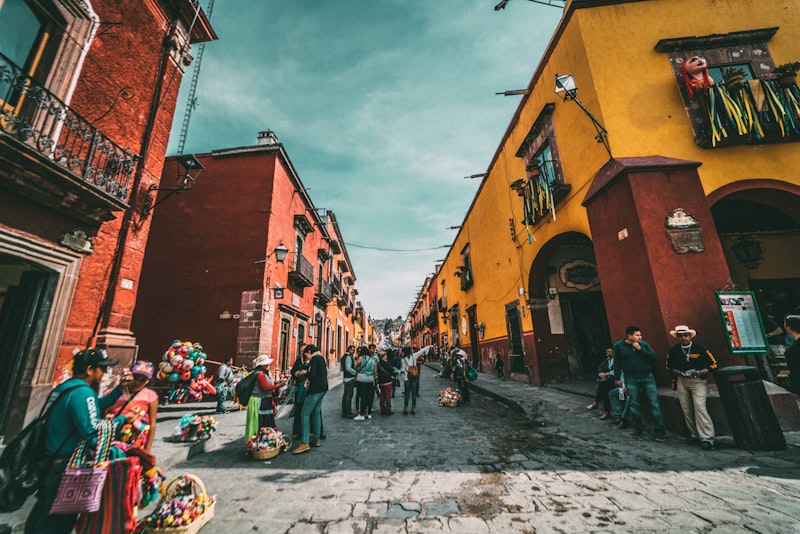
Angeles City
City guide to adult nightlife in Angeles City, covering key areas, safety warnings, scam awareness, and cultural context.
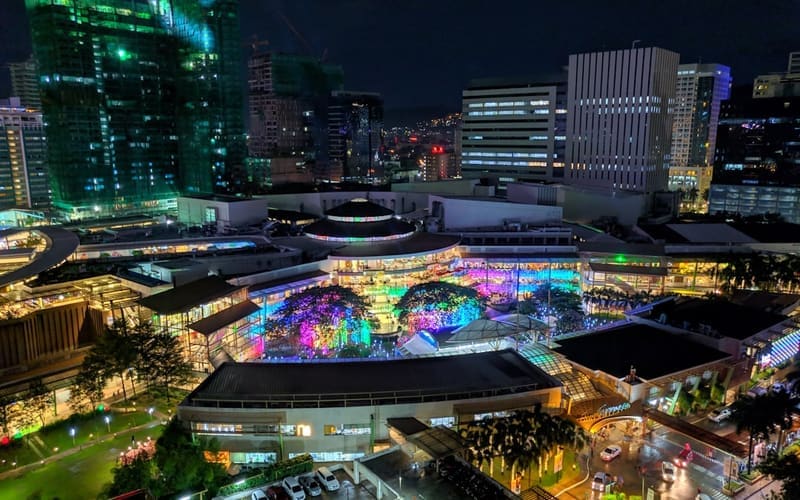
Cebu
City guide to Cebu nightlife, covering Mango Avenue clubs, IT Park bars, Mactan resort venues, safety, scams, and practical info for foreign visitors.

Manila
City guide to adult nightlife in Manila, covering key areas, safety warnings, scam awareness, and cultural context.
Compare hotels in Philippines
Hotels, hostels, and short-term rentals across the country's main nightlife cities.
Legal Framework
Prostitution is illegal in the Philippines under the Revised Penal Code, which criminalizes both the sale of sexual services and the operation of establishments that enable them. Republic Act 9208 (the Anti-Trafficking in Persons Act) and its 2012 expansion further target trafficking, exploitation, and the recruitment of individuals into the sex trade.
Based on on-the-ground reporting from February 2026.
Despite these laws, the Philippines has a large and visible adult entertainment industry. The legal framework is partially sidestepped through the licensing of "entertainment establishments," including bars, KTVs (karaoke television bars), and nightclubs that operate as legitimate businesses while implicitly facilitating adult services. Workers in these venues are often classified as "guest relations officers" (GROs) rather than sex workers.
The Philippines also has strict laws regarding minors. Republic Act 7610 (Special Protection of Children Against Abuse, Exploitation, and Discrimination Act) carries heavy penalties for anyone involved in the sexual exploitation of minors, including life imprisonment. Foreign nationals are not exempt and may also face prosecution in their home countries under extraterritorial laws.
Enforcement Reality
Enforcement is inconsistent and heavily influenced by local politics. Some mayors and police chiefs tolerate entertainment establishments as long as they maintain order and pay the expected fees. Others conduct periodic raids, particularly when under political pressure or media scrutiny.
The Duterte administration (2016-2022) brought heightened police activity across the country, though enforcement priorities focused more on drugs than adult entertainment. The current administration has continued some of these patterns while shifting emphasis.
In tourist-oriented areas like Angeles City's Fields Avenue or Manila's entertainment districts, venues operate openly with minimal police interference during normal conditions. However, conditions can change quickly based on political directives, and what was tolerated last month may face crackdowns this month.
Foreign visitors should understand that being a customer isn't typically targeted by enforcement, but it's not risk-free either. Police interactions in the Philippines can be unpredictable, and informal resolution of issues often involves unofficial payments.
Cultural Context
The Philippines has a complicated relationship with its adult entertainment industry. The country is predominantly Catholic, and conservative social values run deep, especially in rural areas and among older generations. At the same time, economic realities and a long history of foreign military presence (particularly the American bases at Clark and Subic Bay) have shaped an industry that caters heavily to foreign visitors.
English is widely spoken, which makes the Philippines more accessible to Western visitors than many Southeast Asian countries. This language advantage also means that social interactions are easier to navigate, but it can also create a false sense of familiarity. Filipino culture values indirect communication and saving face, and what seems like straightforward conversation may carry meanings that aren't immediately obvious to outsiders.
The concept of "bar fines" is central to the entertainment scene. Customers pay the establishment a fee to take a worker out of the venue, after which any arrangement between the two parties is considered a private matter. This system creates a thin legal buffer between the business and any subsequent activity.
Dating Culture
Filipino dating follows the tradition of "ligawan," a courtship ritual where the man is expected to pursue the woman and earn her affection over time. This isn't a casual process. Men are expected to demonstrate sincerity through consistent effort, small gestures, and patience. Rushing the process signals disrespect, and most Filipinas will lose interest if they feel pressured.
Men pay for dates almost universally. Gift-giving is common and expected, even early in a relationship. Flowers, food, and small tokens of affection go a long way. Meeting the family happens early, sometimes within the first few weeks of dating. Family approval carries real weight here, and a woman's parents, siblings, and extended relatives all have informal veto power over her relationships.
Catholic values shape expectations around physical intimacy. Many Filipinas expect a slower pace than what Western men are accustomed to, particularly women from provincial backgrounds. Public hand-holding and light affection are fine in cities, but anything more draws disapproval, especially in rural areas and smaller towns.
Foreign men generally receive a positive reception in the dating scene. That said, both sides carry stereotypes. Some locals assume foreign men are wealthy and looking for a young bride, while some foreigners assume all Filipinas on dating apps are looking for a passport. Neither stereotype is accurate in most cases. Age gaps are more socially accepted than in Western countries, and a financially stable older man dating a younger Filipina doesn't attract the same stigma it might elsewhere.
Common mistakes include moving too fast physically, showing disrespect toward her family, and ignoring "parinig," the Filipino style of indirect communication where feelings and expectations are hinted at rather than stated outright. If she says "it's up to you" about a restaurant, she already has a preference. Pay attention.
Dating Apps
Tinder is the most widely used dating app in the Philippines, followed by Bumble, which is gaining ground among young professionals in Manila and Cebu. Filipino Cupid caters specifically to Filipino dating and is popular with foreigners seeking relationships. Coffee Meets Bagel also has a steady user base in metro areas.
English fluency across the Philippines is high compared to most Asian countries, so language barriers on dating apps are minimal. Many Filipinas use these apps genuinely looking for relationships, not just casual encounters. Profiles tend to be straightforward, though some women list "no hookups" and mean it.
Scams do exist on these platforms. Requests for "load" (prepaid phone credits worth 100-300 PHP) are a common early test. More serious scams involve money requests for sick family members or emergency hospital bills before you've even met in person. Romance scam operations also target foreigners through dating apps. A video call before any in-person meeting is strongly recommended to verify that the person matches their profile photos.
Key Cities
Manila has multiple entertainment districts, with Makati (particularly Burgos Street and P. Burgos area), Malate, and Ermita being the most well-known. The scene in Manila is diverse, ranging from upscale establishments in Makati to more budget-oriented venues in the older tourist belt. Quezon City also has a growing entertainment scene.
Angeles City is located near the former Clark Air Base in Pampanga province and is perhaps the most concentrated adult entertainment destination in the country. Fields Avenue is the primary strip, with dozens of bars and clubs operating side by side. The city's economy is heavily dependent on foreign tourism, and the entertainment industry operates with a high degree of openness.
Cebu offers a nightlife scene that's smaller and more understated than Manila or Angeles City. The Mango Square area and parts of the city's downtown are the main entertainment zones. Cebu tends to attract visitors who combine beach tourism on nearby islands with city nightlife.
Safety Considerations
The Philippines requires careful attention to personal security, particularly at night:
- Use Grab (the primary ride-hailing app) rather than street taxis, which are known for meter manipulation and overcharging
- Keep a low profile with electronics and valuables, as phone snatching and petty theft are common
- Be cautious with alcohol consumption. The tropical heat amplifies its effects and impairs judgment
- Travel insurance with medical coverage is important, as quality healthcare is available but expensive
- Save the emergency number (911) and your embassy contact in your phone
- Be aware of your surroundings in crowded areas, as pickpocketing is common in entertainment districts
- Carry a photocopy of your passport and leave the original in a secure location
- Natural disasters (typhoons, earthquakes) can occur. Monitor weather reports during typhoon season (June-November)
Common Scams
Drink spiking: This is a serious risk in the Philippines. Criminals may drug drinks to incapacitate victims for robbery or worse. Never leave your drink unattended, never accept drinks from strangers, and be wary if a drink tastes unusual. Victims have reported waking up hours later with no memory and no belongings.
Bill padding: Some establishments add drinks or services to your tab that you didn't order. Keep a mental count of what you've consumed and review your bill carefully before paying.
The "girlfriend experience" scam: An individual develops what appears to be a genuine romantic connection, then introduces financial requests: sick family members, school fees, emergencies. These requests escalate over time. Be skeptical of sob stories, especially early in any relationship.
Fake police or authority figures: Individuals claiming to be police or government officials may demand money or attempt to extort visitors. Real police carry identification and won't demand on-the-spot cash payments for alleged offenses.
Rigged card games or gambling: Friendly locals invite you to a "home game" or private gambling session, which turns out to be rigged. Avoid private gambling invitations from people you don't know well.
What Not to Do
- Do not carry or use illegal drugs. Philippine drug laws carry severe penalties, including life imprisonment
- Do not engage with anyone who appears to be underage. This is strictly enforced and carries extreme penalties
- Do not flash money or expensive items in entertainment districts
- Do not leave your drink unattended at any point during the night
- Do not get into arguments or confrontations. The culture values avoiding public conflict, and situations can escalate unpredictably
- Do not assume that a friendly interaction is without ulterior motive. Maintain healthy skepticism
- Do not ignore weather warnings during typhoon season
- Do not make derogatory comments about Filipino culture, religion, or people. This can create serious problems
Sources
- U.S. Department of State: Philippines Travel Advisory - Entry requirements, safety alerts, and local law summary
- UK Foreign, Commonwealth & Development Office: Philippines Travel Advice - Safety, health, and legal information for travelers
- Australian Government Smartraveller: Philippines - Travel advisory and practical information
Get the Legal Status PDF, 50 countries
Newsletter signup coming soon. Check back shortly.
Philippines Map
Emergency Information: Philippines
- Emergency:
- 911
- Embassy Note:
- Most embassies are in Manila. Some countries maintain honorary consulates in Cebu and other major cities.
Other Options in the Area
Brunei
A guide to nightlife in Brunei, one of the world's strictest countries for alcohol and entertainment. Sharia law governs daily life, and the nightlife scene is limited to cafes, food courts, and night markets.
Cambodia
Phnom Penh's street 136 and Siem Reap's pub street offer a raw, unfiltered scene. Extremely cheap, minimal regulation, and a frontier feel that other countries have lost.
Indonesia
Bali's Kuta strip, Jakarta's Blok M, and Batam's short-hop scene from Singapore. Officially illegal but widely tolerated, with prices among the lowest in Southeast Asia.
Laos
Vientiane's low-key riverfront bars and Luang Prabang's quiet tourist scene make Laos one of Southeast Asia's least developed nightlife markets. Cheap, conservative, and slow-paced.
Similar Countries in Other Regions
Countries with a similar overall score to Philippines (4.1) but in different parts of the world.
Brazil
4.3South America
Rio's Copacabana, Sao Paulo's Vila Olimpia, and stunning women across every price range. Legal, unregulated, and deeply woven into the nightlife culture of South America's largest country.
Colombia
4.3South America
Medellin and Cartagena draw visitors with beautiful women, affordable prices, and a scene that ranges from upscale lounges to street-level. Rapidly growing as a top destination.
Armenia
3.9Caucasus
A small Caucasus nation where conservative Christian traditions mix with Yerevan's growing wine bar scene and low-cost nightlife that draws regional visitors from across the former Soviet Union.
Was this guide helpful?