

Before You Travel to Indonesia
Five things every smart traveler sorts before booking.
- 1
Passport valid 6+ months from entry date
Most countries refuse entry on passports expiring within six months. Renew now if you're close.
- 2
Visa requirements for Indonesia
Some are visa-free, some require an e-visa filed days ahead, some need an embassy appointment.
- 3
Travel insurance booked
A hospital visit in Indonesia can run $4,000-15,000 without cover. Credit card insurance usually excludes alcohol-related incidents.
- 4
eSIM data plan ready before landing
Airport SIM kiosks need your passport and overcharge tourists. Install an eSIM in 60 seconds, online before you fly.
- 5
Accommodation reserved in the right district
The wrong neighborhood means a 45-minute taxi every night. Map the venues first, then book.
City Guides in Indonesia

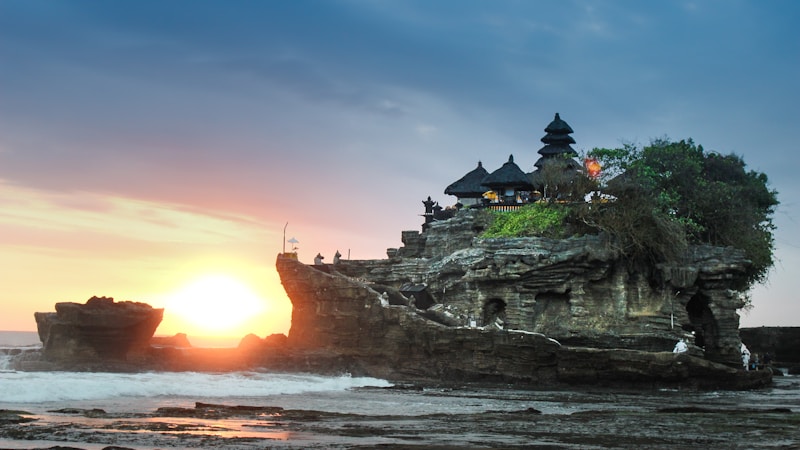
Bali
City guide to adult nightlife in Bali, covering entertainment areas, safety advice, and cultural context.
Batam
City guide to adult nightlife in Batam, covering entertainment complexes, safety advice, and practical information.
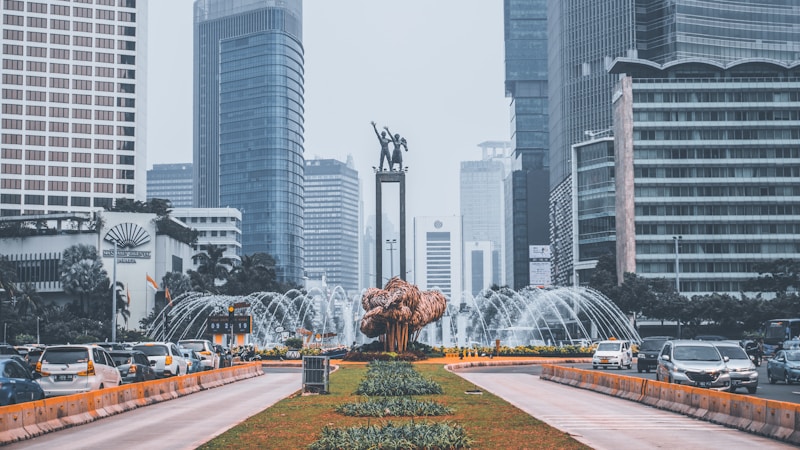
Jakarta
City guide to adult nightlife in Jakarta, covering entertainment districts, safety advice, and local customs.
Compare hotels in Indonesia
Hotels, hostels, and short-term rentals across the country's main nightlife cities.
Legal Framework
Prostitution is illegal in Indonesia under the KUHP (Kitab Undang-Undang Hukum Pidana), the national criminal code. The law targets those who profit from prostitution and those who enable it, rather than the individuals involved directly. A revised criminal code passed in 2022 introduced broader provisions, including criminalizing sex outside of marriage, though enforcement of these newer provisions remains unclear.
Last updated after our February 2026 research trip.
Indonesia doesn't have a single unified approach to policing adult entertainment. Local regulations vary between provinces, and the interpretation of national law differs considerably from one jurisdiction to the next. What's tolerated in Bali may draw a crackdown in Aceh, which operates under Sharia law.
Enforcement Reality
Enforcement is inconsistent and often politically motivated. Large entertainment complexes, karaoke venues, and spa establishments operate across major cities with varying degrees of openness. Periodic crackdowns happen, typically ahead of religious holidays or in response to media coverage, but the underlying industry remains in place.
Police involvement often takes the form of informal arrangements with venue operators. Establishments that maintain these relationships tend to operate without disruption. Those that don't, or that attract negative attention, face raids and closures.
For foreign visitors, the primary risk is being present during a raid or encountering police looking for informal payments. Carrying a copy of your passport and behaving respectfully will help in most encounters. The national emergency number is 112.
Cultural Context
Indonesia is the world's largest Muslim-majority country, and Islamic values shape social expectations across most of the archipelago. Public displays of affection are uncommon, alcohol consumption is frowned upon in many areas, and conservative dress is expected outside tourist zones.
Bali stands apart from this pattern. The island's Hindu majority creates a markedly different social atmosphere, where alcohol, nightlife, and tourism-driven entertainment operate more freely. This cultural exception doesn't extend to the rest of the country.
The concept of keeping up appearances matters greatly in Indonesian culture. Discretion isn't just preferred; it's expected. What happens behind closed doors is treated differently from what happens in public view, and this distinction shapes how the entertainment industry functions.
Dating Culture
Indonesia's dating norms are shaped by Islam, which roughly 87% of the population follows. Outside of Bali and parts of Jakarta, romantic relationships are expected to lead to marriage, and premarital dating is kept discreet. Public displays of affection are socially unacceptable in most of the country. Even holding hands draws stares in conservative areas of Java, Sumatra, and Kalimantan.
Family involvement is central to relationships here. Parents expect to be consulted before a relationship becomes serious, and their approval carries real weight. Men are expected to pay for dates, and a man's financial stability plays a significant role in how families evaluate potential partners. This isn't subtle; it's openly discussed.
Bali is the major exception. As a Hindu-majority island, social norms around dating are considerably more relaxed. Foreign men will find Bali and, to a lesser extent, Jakarta much more open to cross-cultural dating than the rest of the archipelago. Outside these areas, Islamic conservatism creates real barriers. Interest from local women exists, but family and community expectations limit how far those interactions go.
The 2022 criminal code revision technically criminalized extramarital sex, including between unmarried couples. Enforcement against tourists is virtually nonexistent as of early 2026, but the law is on the books. Common mistakes foreign visitors make include ignoring Islamic cultural norms outside Bali, being physically affectionate in public, and failing to grasp the massive cultural gap between Bali and the rest of Indonesia. What works in Seminyak will not work in Surabaya.
Dating Apps
Tinder is the most popular dating app in Indonesia, with the heaviest usage in Jakarta and Bali. Bumble has a growing user base among educated urban Indonesians, particularly in Jakarta's professional class. Tantan, a Chinese-origin app, has gained significant traction across the country. Badoo also sees steady use.
App usage drops sharply outside major cities and tourist zones. In conservative regions, fewer people use dating apps at all, and those who do tend to be looking for marriage-track relationships. In Bali, Tinder serves a unique function because the island's tourist and digital nomad population creates a mix of short-term and long-term dating that you won't find elsewhere in Indonesia.
Watch for common scams on these platforms. Money requests from matches you haven't met in person are frequent. Catfishing is widespread, and some profiles are connected to massage or spa businesses rather than genuine individuals. Verify identities through video calls before meeting, and never send money to someone you've only spoken with online.
Key Cities
Jakarta is the capital and Indonesia's largest city, with a sprawling metropolitan population exceeding 30 million. Entertainment districts include Blok M in South Jakarta and Mangga Besar in the north. The SCBD corridor along Jalan Sudirman hosts upscale venues and clubs.
Bali operates as a world unto itself within Indonesia. Kuta, Legian, and Seminyak form the primary nightlife strip on the island's southern coast. The Hindu cultural context and massive tourism infrastructure create an environment unlike anywhere else in the country.
Batam is a free trade zone island just south of Singapore, connected by regular ferry services. The island draws significant weekend traffic from Singapore and Malaysia, and its entertainment complexes cater heavily to this cross-border market.
Safety Considerations
Indonesia presents moderate risks for travelers in nightlife settings:
- Use ride-hailing apps (Grab, Gojek) for all transport, especially at night
- Keep copies of your passport separate from the original document
- Be cautious with alcohol in non-tourist areas, where quality control is unreliable
- Methanol poisoning from counterfeit spirits is a documented risk, particularly in Bali
- Medical facilities are adequate in Jakarta and major tourist areas but limited elsewhere
- Travel insurance with evacuation coverage is strongly recommended
- Natural disasters (earthquakes, volcanic eruptions, tsunamis) are a real consideration across the archipelago
Common Scams
Taxi meter manipulation: Drivers refuse to use meters or take deliberately long routes. Stick with Blue Bird taxis or use Grab and Gojek.
Drink spiking: Reported across tourist nightlife areas, particularly in Bali. Never accept open drinks from strangers and keep your beverages in sight.
Unofficial tour guides: People offering unsolicited tours or "help" at tourist sites, then demanding payment. Politely decline and walk away.
Money changing fraud: Unlicensed money changers in tourist areas use sleight of hand to short-change customers. Use banks or reputable exchange offices.
Bar bill inflation: Venues add undisclosed charges or alter bills. Review all charges and confirm prices before ordering.
What Not to Do
- Do not carry, use, or buy drugs of any kind. Indonesia enforces drug laws aggressively, and penalties include the death sentence for trafficking
- Do not disrespect religion. Indonesia takes blasphemy seriously, and offending religious sensibilities can result in criminal charges
- Do not photograph military installations, police stations, or government buildings
- Do not engage with anyone who appears underage. Report any concerns to local authorities
- Do not assume Bali's relaxed atmosphere applies elsewhere in Indonesia
- Do not display large amounts of cash in entertainment areas
- Do not argue with police. Remain calm, polite, and cooperative in all interactions
- Do not travel to Aceh province expecting the same tolerance found in Jakarta or Bali. Aceh enforces Sharia law, including public caning for moral offenses
Sources
- U.S. Department of State: Indonesia Travel Advisory - Entry requirements, safety alerts, and local law summary
- UK Foreign, Commonwealth & Development Office: Indonesia Travel Advice - Safety, health, and legal information for travelers
- Australian Government Smartraveller: Indonesia - Travel advisory and practical information
Get the Legal Status PDF, 50 countries
Newsletter signup coming soon. Check back shortly.
Indonesia Map
Emergency Information: Indonesia
- Emergency:
- 112
- Tourist Police:
- Tourism police available in major tourist areas including Bali
- Embassy Note:
- Most embassies are in Jakarta. Consulates operate in Bali and Surabaya.
More in This Region
Brunei
A guide to nightlife in Brunei, one of the world's strictest countries for alcohol and entertainment. Sharia law governs daily life, and the nightlife scene is limited to cafes, food courts, and night markets.
Cambodia
Phnom Penh's street 136 and Siem Reap's pub street offer a raw, unfiltered scene. Extremely cheap, minimal regulation, and a frontier feel that other countries have lost.
Laos
Vientiane's low-key riverfront bars and Luang Prabang's quiet tourist scene make Laos one of Southeast Asia's least developed nightlife markets. Cheap, conservative, and slow-paced.
Malaysia
Malaysia's nightlife scene runs through Kuala Lumpur's Bukit Bintang district, where bars and clubs operate alongside strict Islamic laws that apply to Muslim citizens but not foreign visitors.
Similar Countries in Other Regions
Countries with a similar overall score to Indonesia (4.0) but in different parts of the world.
Armenia
3.9Caucasus
A small Caucasus nation where conservative Christian traditions mix with Yerevan's growing wine bar scene and low-cost nightlife that draws regional visitors from across the former Soviet Union.
Russia
3.9Eastern Europe
Moscow's elite nightclubs, Saint Petersburg's bar streets, and a widespread but technically illegal adult entertainment scene across Russia's two main cities.
Albania
3.8Southern Europe
Albania's nightlife is small but growing fast, centered on Tirana's Blloku district where the former communist elite's residential quarter has become a strip of cocktail bars and clubs. Extremely cheap and largely undiscovered by mass tourism.
Was this guide helpful?