

Before You Travel to Greece
Five things every smart traveler sorts before booking.
- 1
Passport valid 6+ months from entry date
Most countries refuse entry on passports expiring within six months. Renew now if you're close.
- 2
Visa requirements for Greece
Some are visa-free, some require an e-visa filed days ahead, some need an embassy appointment.
- 3
Travel insurance booked
A hospital visit in Greece can run $4,000-15,000 without cover. Credit card insurance usually excludes alcohol-related incidents.
- 4
eSIM data plan ready before landing
Airport SIM kiosks need your passport and overcharge tourists. Install an eSIM in 60 seconds, online before you fly.
- 5
Accommodation reserved in the right district
The wrong neighborhood means a 45-minute taxi every night. Map the venues first, then book.
City Guides in Greece
Athens
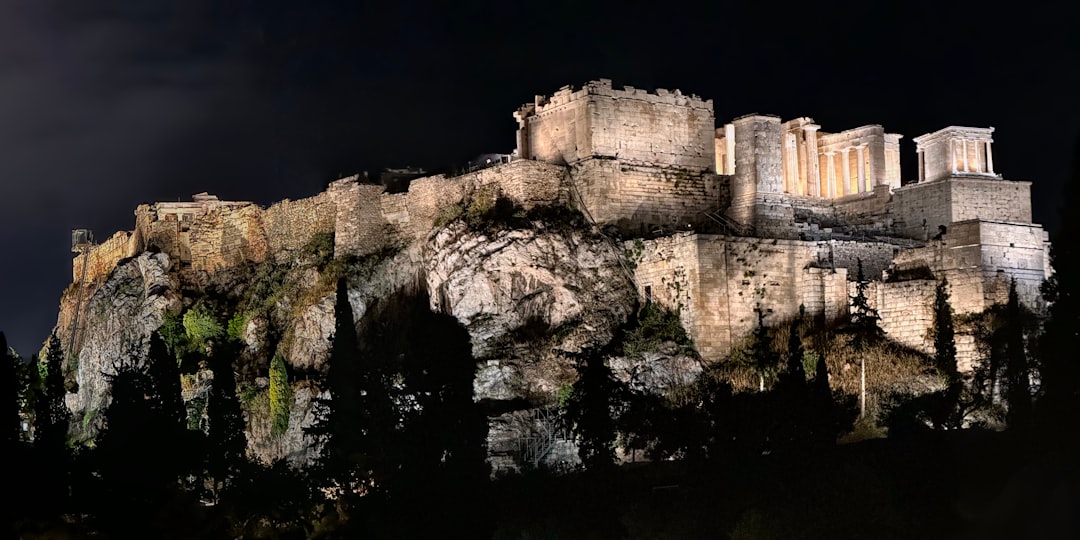
City guide to adult nightlife in Athens, covering entertainment zones, safety, cultural context, and practical tips for the Greek capital.
Crete
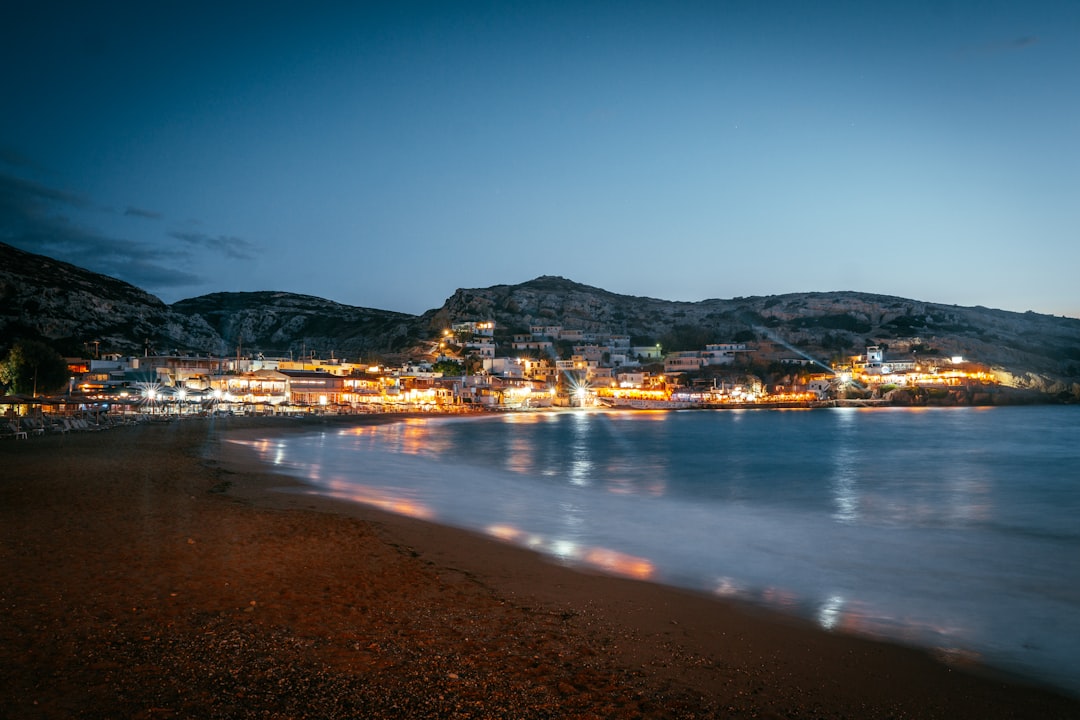
Guide to nightlife on Crete, covering Heraklion, Chania, Hersonissos, Malia, safety, and practical tips for Greece's largest island.
Mykonos
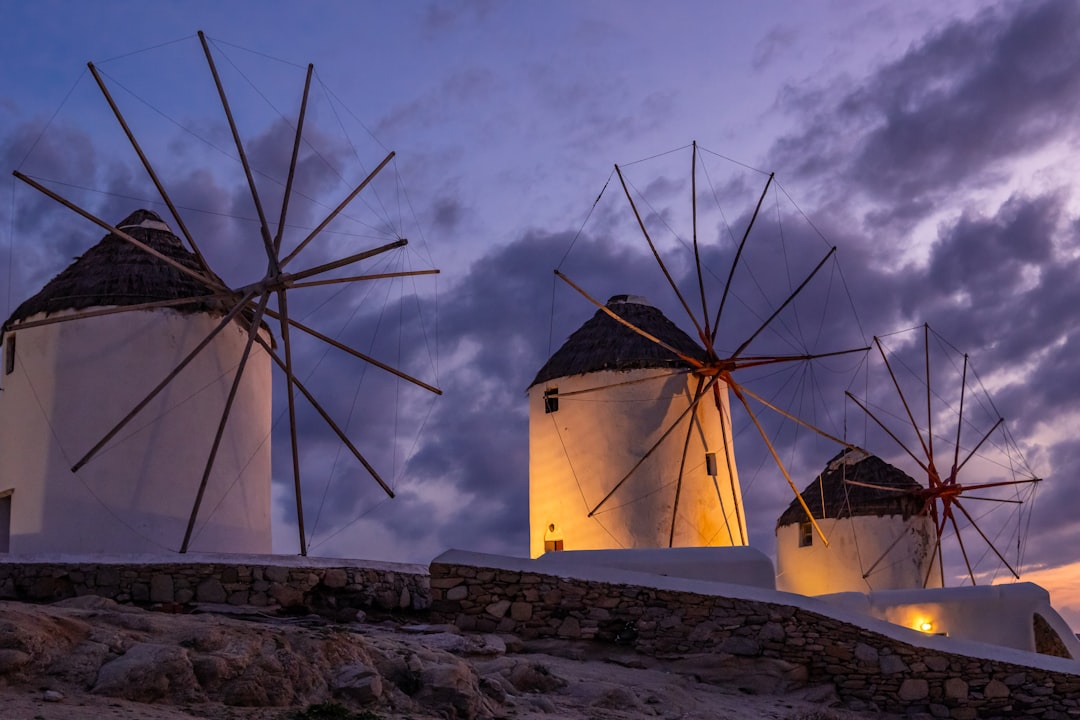
Guide to nightlife on Mykonos, covering the party island's beach clubs, bars, costs, safety, and seasonal dynamics.
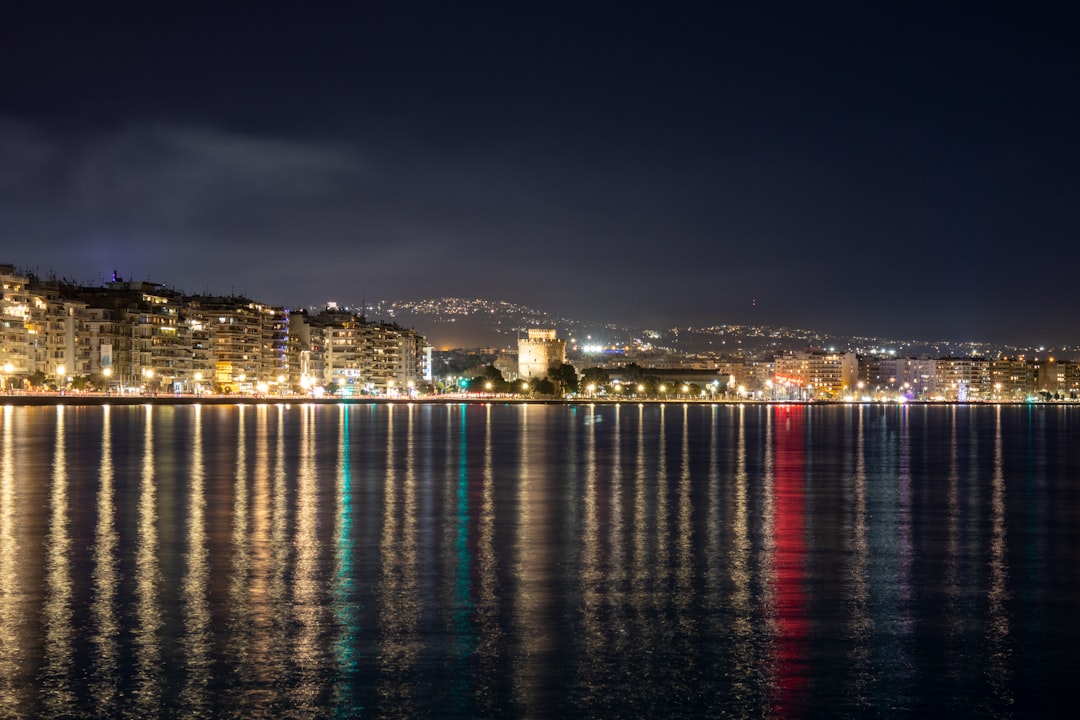
Thessaloniki
City guide to nightlife in Thessaloniki, Greece's second city, covering Ladadika, the waterfront, safety, and practical tips.
Compare hotels in Greece
Hotels, hostels, and short-term rentals across the country's main nightlife cities.
Legal Framework
Greece legalized and regulated prostitution in 1999 under Law 2734/1999. On paper, the system is straightforward. Sex workers must register with local authorities, obtain a work permit, undergo medical examinations every two weeks, and operate from licensed brothels in designated zones. Licensed establishments can't be within 200 meters of schools, churches, or public buildings. Workers must be at least 18, unmarried, and either Greek or EU citizens.
This guide reflects conditions observed during our March 2026 visit.
The gap between law and reality is enormous. Fewer than 1,000 workers have registered since the law took effect. Estimates put the actual number of sex workers in Greece between 10,000 and 20,000, meaning the vast majority operate entirely outside the legal framework. Registration carries a social stigma that most workers choose to avoid, and the bureaucratic requirements are heavy enough to discourage compliance. Licensed brothels number in the low dozens across the entire country.
What's explicitly illegal: operating without registration, running unlicensed establishments, trafficking, pimping, and soliciting in public. Clients face no criminal penalties when interacting with registered workers, but engaging with unregistered workers technically violates the law. In practice, prosecutions of clients are almost unheard of.
Enforcement Reality
Police enforcement follows a predictable pattern. Athens sees periodic crackdowns on unlicensed establishments, particularly in the Omonia and Metaxourgeio neighborhoods where most street-level activity concentrates. These operations tend to spike before elections or after media reports highlighting trafficking concerns. Then enforcement settles back to baseline.
The islands tell a different story. During tourist season (May through October), authorities on Mykonos, Santorini, and Crete take a relaxed approach to entertainment venues operating in gray areas. Tourism revenue drives island economies, and aggressive policing would disrupt the cash flow that sustains entire communities through winter. Off-season, things tighten up, but there's less activity to police anyway.
Human trafficking is a genuine problem that Greek authorities and international organizations have flagged repeatedly. Greece's position as a gateway between Eastern Europe, the Middle East, and the EU makes it a transit and destination country for trafficking victims. EKKA (the National Centre for Social Solidarity) operates a hotline at 197 for reporting suspected trafficking. The government has improved its response since being downgraded in the U.S. State Department's Trafficking in Persons Report, but gaps remain.
Cultural Context
Greek attitudes toward adult entertainment sit somewhere between Mediterranean pragmatism and Orthodox tradition. The Orthodox Church still holds significant cultural influence, and older Greeks tend to hold conservative views on the topic. But Greece has always been a society that separates public morality from private behavior. What happens quietly is tolerated; what becomes visible or scandalous is not.
Younger Greeks are considerably more liberal. Church attendance among under-35s has declined sharply since the 2008 financial crisis, which reshaped Greek society in ways that go far beyond economics. A generation that watched their parents lose savings and pensions tends to be skeptical of institutional authority, religious or otherwise.
Tourism shapes everything. Greece welcomed over 33 million international visitors in 2024, and the industry accounts for roughly 25% of GDP. That economic dependence creates a practical tolerance for nightlife of all kinds. Islands that survive on tourist spending aren't going to police their entertainment districts into oblivion.
Venue Types
Licensed brothels are rare. Fewer than 50 operate legally across Greece, mostly in Athens and Thessaloniki. They're typically unmarked apartments or small buildings, not the kind of establishment you'd notice from the street. Prices range from EUR 30-80 per session.
Massage parlors have become the most common format in urban areas. They advertise openly in classified sites and sometimes with discreet storefront signage. Not all offer adult services, and those that do aren't always obvious about it. Prices for a standard massage run EUR 30-50, with additional services negotiated separately.
Bars and clubs in nightlife districts serve as meeting points rather than direct service venues. Hostess bars operate in parts of Athens and Thessaloniki, where women are employed to encourage drink purchases. Drink prices at these venues run EUR 15-40, well above standard bar rates.
Escort services operate primarily through online platforms and WhatsApp. This is the fastest-growing segment, accelerated by the pandemic. Rates start around EUR 100-150 per hour in Athens, higher for outcall services, and significantly higher on the islands during peak season.
Street-based work concentrates in specific Athens neighborhoods, particularly around Omonia Square and along parts of Patission Avenue. This segment is the most visible and carries the highest risk for both workers and clients. Many workers in this area are migrants or trafficking victims.
Costs
Greece offers good value compared to Western Europe. The 2008 crisis and its aftermath brought prices down, and while they've recovered somewhat, Greece remains cheaper than France, Italy, or Spain for most things.
Beer at a regular bar costs EUR 3-5. On the islands during peak season, expect EUR 5-7. Cocktails run EUR 8-14 in Athens and Thessaloniki, climbing to EUR 12-20 at upscale island venues. Retsina and local wines are cheap; a glass at a taverna costs EUR 3-4, and a full bottle rarely exceeds EUR 15.
Eating out is affordable if you stick to tavernas and avoid tourist traps. A gyros plate costs EUR 3-4. A full meal at a mid-range restaurant runs EUR 10-20 per person including wine. Seafood is pricier, with fresh fish often sold by the kilogram at EUR 40-60/kg.
Transport varies wildly. Athens' metro costs EUR 1.20 per trip. Taxis charge EUR 0.74/km during the day, EUR 1.29/km at night. Island taxis are more expensive, and during high season on Mykonos, a 10-minute ride can cost EUR 20-30. Ferries between islands run EUR 25-60 depending on route and speed. Budget airlines (Aegean, Sky Express) connect Athens to major islands for EUR 30-80 if booked early.
Hotels in Athens range from EUR 25-40 for hostels, EUR 50-90 for mid-range, and EUR 120-250 for upscale. Island prices double or triple during July and August, when a basic room on Mykonos or Santorini can exceed EUR 200/night.
Dating Culture
Greeks are warm, social, and physically expressive. Greeting someone with a kiss on each cheek is standard, even among people who just met. Personal space is smaller than what Northern Europeans or Americans are used to, and touching someone's arm during conversation is normal friendliness, not a signal of romantic interest.
Dinner in Greece doesn't start before 9 PM. On islands, 10 PM is common. Going to a bar before midnight marks you as a tourist. Clubs fill up around 1-2 AM and stay open until sunrise. If you're not prepared to stay out until 4 or 5 AM, the Greek nightlife scene will feel like it passed you by.
Family is central to Greek identity. Many young adults live with their parents into their 30s, partly by cultural preference, partly from economic necessity after the crisis. This means dates often end at your hotel, not theirs. Don't read anything negative into it.
Island culture and mainland culture operate on different wavelengths. Athenians can be guarded initially, taking time to warm up. Island Greeks during tourist season are more open and accustomed to meeting foreigners. Thessaloniki falls somewhere between, with a university-town energy that keeps things social and youthful.
Speaking even basic Greek goes a long way. English is widely spoken in tourist areas and by younger Greeks, but making an effort with "kalispera" (good evening) or "efcharisto" (thank you) earns immediate goodwill. Outside major tourist zones, Greek becomes more necessary.
Dating Apps
Tinder is the dominant app across Greece, with the largest user base in Athens and Thessaloniki. Badoo holds strong, especially among Greeks over 30 and in smaller cities where Tinder's selection thins out. Bumble has gained traction since 2022, particularly with university-educated women in Athens. Hinge remains niche.
Profile quality on Greek apps tends toward the casual. Photos with friends, beach shots, and sunset selfies dominate. Detailed bios are uncommon. Greeks prefer to get to know someone through conversation rather than a written pitch.
On the islands during summer, dating apps explode with activity from international visitors. Match rates increase significantly between June and September, though many connections are explicitly short-term. Mykonos and Ios have particularly active scenes.
Watch for scam profiles that steer conversations to WhatsApp quickly and push you toward specific bars or clubs. This is the most common app-related scam in Greece, particularly on Tinder in Athens.
Key Cities
Athens is the starting point. A city of 3.1 million in the metro area, it holds roughly a third of Greece's population and most of its adult entertainment industry. The Omonia Square area is the historic center of the scene, though it's rough around the edges. Metaxourgeio, the adjacent neighborhood, has gentrified significantly but still hosts activity on its side streets. Gazi is the mainstream nightlife district, centered around Iera Odos and the old gasworks. Kolonaki and Glyfada cater to upscale clientele.
Thessaloniki is Greece's second city and its cultural capital. With 1.1 million residents, it has a major university (Aristotle University, 70,000+ students) that keeps nightlife energetic year-round. Ladadika is the main entertainment district, a restored warehouse quarter with bars, restaurants, and clubs packed into narrow streets. The waterfront promenade (Nea Paralia) is the social hub where everyone walks, sees, and is seen. Adult entertainment operates more discreetly here than in Athens.
Mykonos is the party capital of the Greek islands. The island transforms between May and October into one of Europe's most intense nightlife destinations. Paradise and Super Paradise beaches host daytime parties. Mykonos Town's Little Venice area fills with bars. The scene is LGBTQ+ friendly and has been since the 1970s. Prices on Mykonos are the highest in Greece.
Santorini attracts a more romantic, couples-oriented crowd. Nightlife exists in Fira and Oia, but it's low-key compared to Mykonos. The island is better for dating than for party tourism.
Crete (Heraklion, Chania, Rethymno) is Greece's largest island and has its own distinct culture. Heraklion's nightlife centers around Lion Square and the streets behind the Venetian harbor. Chania's old town is more atmospheric, with cocktail bars in restored Venetian buildings. Cretan hospitality is legendary, and locals are genuinely friendly rather than transactional.
Safety Considerations
Greece is one of Europe's safer destinations. Violent crime against tourists is rare. That said, you should take standard precautions in entertainment districts.
- Pickpocketing targets tourists on the Athens metro (especially Line 1 to Piraeus), around the Acropolis, and in Monastiraki Square. Keep valuables in front pockets and avoid displaying expensive phones or jewelry
- Drink spiking happens in clubs, particularly in Athens and on party islands. Never leave your drink unattended and don't accept drinks from people you just met
- Taxis in Athens have improved since the introduction of Beat (now FreeNow) and Uber, but some drivers still try meter tricks with tourists. Confirm the meter is running and set to tariff 1 (daytime) or tariff 2 (midnight to 5 AM)
- Emergency services: call 112 for general emergencies or 166 for ambulance. Tourist Police at 1571 have English-speaking operators
- Greek pharmacies (marked with a green cross) can dispense many medications without a prescription, including antibiotics. Hospital emergency rooms treat everyone regardless of insurance status
- Swimming safety on islands deserves attention. Strong currents, limited lifeguard coverage, and alcohol don't mix. Drownings happen every summer
Common Scams
Bar scams in Athens are the biggest risk. A friendly local invites you to a "great bar" nearby. Once inside, women join your table and order drinks. The bill arrives at EUR 200-500 for a few rounds. Bouncers ensure you pay. This scam operates primarily around Syntagma and Monastiraki squares.
The friendly stranger scam: If someone approaches you in central Athens and strikes up a conversation that leads to "I know a great place, let me show you," walk away. This is the most common and most profitable tourist scam in Greece. Victims lose EUR 200-500 on average, and intimidation is used to collect payment. Real locals don't recruit strangers to visit bars.
Taxi meter manipulation takes several forms. The driver doesn't start the meter and quotes a flat rate three times the metered fare. Or the meter runs on tariff 2 (the nighttime rate, double the daytime rate) during daytime hours. From Athens airport to the center, the fixed rate is EUR 40 (day) or EUR 55 (night). Know these numbers before you get in.
Fake police occasionally approach tourists, claiming to need to check their wallet for counterfeit currency. Real Greek police carry visible ID and will never handle your money on the street. Ask to see identification and suggest walking to the nearest police station.
Restaurant overcharging is less a scam and more a test. Seafood restaurants near tourist ports sometimes charge for items you didn't order or inflate portion prices. Always check the menu, confirm prices before ordering fish (which is often priced per kilogram), and review the bill carefully.
What Not to Do
- Don't follow strangers to bars or clubs, no matter how friendly or convincing they are. If the venue needed street recruiters, the venue isn't worth your time
- Don't carry large amounts of cash, especially in the Omonia area of Athens. Cards are widely accepted across Greece
- Don't assume that island prices reflect mainland prices. Mykonos in August can cost three times what Athens does
- Don't photograph anyone at any venue without clear consent. Greeks take privacy seriously, and this can escalate quickly
- Don't ignore local drinking customs. Greeks eat while they drink, always. Drinking without food is considered uncivilized, and a table without mezedes (small dishes) draws judgmental looks
- Don't underestimate the Greek sun, especially after a night out. Dehydration and alcohol are a dangerous combination, and Greek summers regularly exceed 40C
- Don't rent an ATV on the islands without experience. Tourist ATV accidents are a leading cause of injury on Mykonos, Santorini, and Crete, and your travel insurance likely won't cover it
- Don't confuse Greek warmth with romantic interest. Physical affection and enthusiastic hospitality are cultural defaults, not invitations
Sources
- U.S. Department of State: Greece Travel Advisory - Entry requirements, safety alerts, and local law summary
- UK Foreign, Commonwealth & Development Office: Greece Travel Advice - Safety, health, and legal information for travelers
- Australian Government Smartraveller: Greece - Travel advisory and practical information
Get the Legal Status PDF, 50 countries
Newsletter signup coming soon. Check back shortly.
Emergency Information: Greece
- Emergency:
- 112
- Tourist Police:
- 1571 (Tourist Police hotline, English-speaking)
- Embassy Note:
- Most embassies are in Athens. Some countries maintain honorary consulates on major islands.
Also Worth Considering
Albania
Albania's nightlife is small but growing fast, centered on Tirana's Blloku district where the former communist elite's residential quarter has become a strip of cocktail bars and clubs. Extremely cheap and largely undiscovered by mass tourism.
Bosnia and Herzegovina
Sarajevo's Ottoman-era old town hides a growing bar scene where craft cocktails cost less than a coffee in Vienna. Low prices, warm hospitality, and a post-war cultural renaissance make Bosnia a Balkan sleeper.
Croatia
Zagreb and Split offer a growing nightlife scene with Mediterranean beauty, Adriatic coastline bars, and an unregulated but tolerated adult entertainment industry.
Italy
Rome's nightlife districts, Milan's aperitivo scene, and a regulated industry across the peninsula. Legal framework with practical reality for visitors.
Similar Countries in Other Regions
Countries with a similar overall score to Greece (3.7) but in different parts of the world.
Bulgaria
3.7Eastern Europe
Sofia's underground clubs and Sunny Beach's mega-venues make Bulgaria a growing Eastern European nightlife destination. Cheap drinks, attractive women, and a legal gray area that keeps things loosely unregulated.
Kazakhstan
3.7Central Asia
A guide to nightlife in Kazakhstan, Central Asia's largest economy with a growing club and bar scene in Almaty. Technically illegal but widely tolerated adult entertainment, moderate costs, and a mix of Russian and Kazakh cultural influences.
Latvia
3.7Baltics
Riga's Old Town bars and craft cocktail scene draw stag parties and solo travelers alike. Low-key nightlife, affordable drinks, and a walkable capital with Baltic charm and a permissive attitude.
Was this guide helpful?