Before You Travel to Bulgaria
Five things every smart traveler sorts before booking.
- 1
Passport valid 6+ months from entry date
Most countries refuse entry on passports expiring within six months. Renew now if you're close.
- 2
Visa requirements for Bulgaria
Some are visa-free, some require an e-visa filed days ahead, some need an embassy appointment.
- 3
Travel insurance booked
A hospital visit in Bulgaria can run $4,000-15,000 without cover. Credit card insurance usually excludes alcohol-related incidents.
- 4
eSIM data plan ready before landing
Airport SIM kiosks need your passport and overcharge tourists. Install an eSIM in 60 seconds, online before you fly.
- 5
Accommodation reserved in the right district
The wrong neighborhood means a 45-minute taxi every night. Map the venues first, then book.
City Guides in Bulgaria
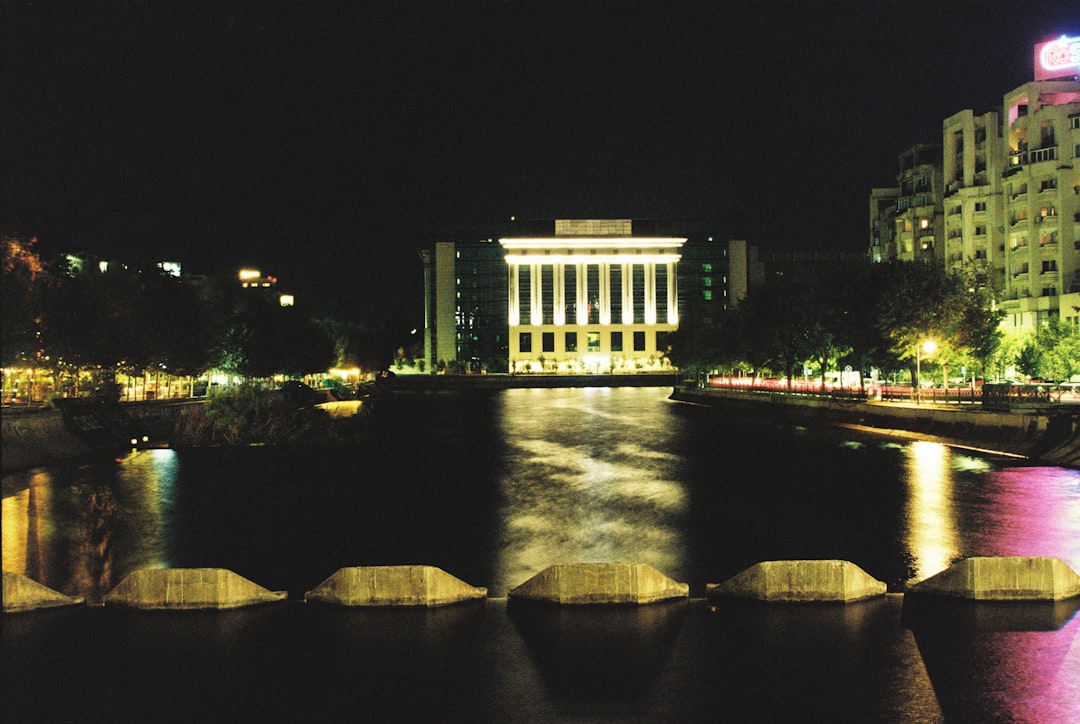
Sofia
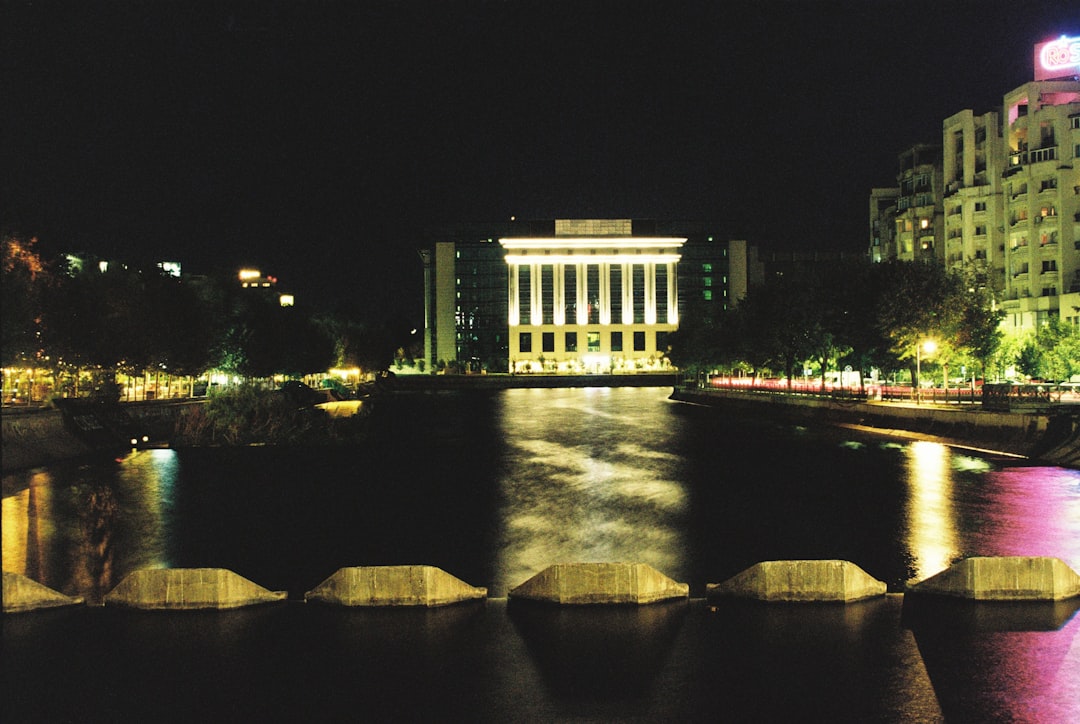
City guide to adult nightlife in Sofia, covering Vitosha Boulevard's bar scene, Student City's cheap clubs, safety tips, and practical information for Bulgaria's capital.
Sunny Beach
City guide to adult nightlife in Sunny Beach, Bulgaria's biggest party resort on the Black Sea coast, covering the Main Strip, mega-clubs, safety warnings, and seasonal pricing.
Compare hotels in Bulgaria
Hotels, hostels, and short-term rentals across the country's main nightlife cities.
Legal Framework
Bulgaria does not criminalize the selling or buying of sexual services between consenting adults. No specific law addresses prostitution directly, and the activity falls into a legal gray zone. The Bulgarian Penal Code targets related activities: operating a brothel carries penalties of one to five years under Article 155, and pimping or profiting from someone else's sex work is punishable by three to eight years under Articles 155 through 159. Human trafficking offenses carry sentences of up to fifteen years.
Last updated after our March 2026 research trip.
The result is a contradictory system. An individual can sell services without breaking the law, but virtually every business model around the transaction is illegal. Brothels can't operate legally, advertising sexual services skirts criminal liability, and intermediaries risk prosecution. In practice, enforcement focuses on trafficking, organized crime, and exploitation of minors rather than consenting adult transactions.
Tax obligations add another wrinkle. Bulgaria's National Revenue Agency has periodically attempted to classify sex work as self-employment subject to income tax, but no consistent system exists. Workers don't register, don't pay social contributions, and don't receive labor protections. The government has debated regulation multiple times since EU accession in 2007, but no legislation has passed.
Enforcement Reality
Police enforcement follows predictable patterns. Sofia sees occasional raids on massage parlors and unofficial escort agencies, usually tied to trafficking investigations or political pressure from the EU. These operations produce headlines, a few arrests, and then activity resumes within weeks. The National Police Directorate's anti-trafficking unit is the primary enforcement body, but its resources target organized networks rather than individual workers or clients.
Sunny Beach tells a different story entirely. During the summer season (June through September), the resort town's economy depends almost entirely on tourism revenue. Local authorities take a hands-off approach to entertainment venues and the gray-market services that surround them. Police focus on keeping fights, property crime, and drug trafficking under control rather than monitoring consensual adult behavior.
Outside Sofia and the Black Sea coast, enforcement is minimal. Plovdiv, Varna, and smaller cities have limited police resources dedicated to vice operations. The practical risk for foreign visitors engaging with adult entertainment is low, though legal protections for consumers are equally absent.
Human trafficking remains a serious concern. Bulgaria is both a source and transit country for trafficking victims, according to the U.S. State Department's annual Trafficking in Persons Report. The government has improved prosecution rates in recent years, but victim identification and support services still lag behind EU standards. The national anti-trafficking hotline operates at 0800 20 100.
Cultural Context
Bulgarian attitudes toward adult entertainment reflect the broader post-communist Eastern European pattern. The socialist era pushed such matters underground while maintaining a pragmatic tolerance behind closed doors. After 1989, the rapid opening of markets brought a visible adult entertainment industry that peaked in the chaotic 1990s and early 2000s. Today, the scene is less visible but firmly established.
The Orthodox Church holds cultural influence, particularly among older Bulgarians and in rural areas. Public discussion of sex work is rare and carries stigma. But Bulgarian society draws a clear line between public morality and private behavior. What happens quietly is accepted; what becomes public or scandalous draws criticism.
Younger Bulgarians, especially in Sofia, are considerably more liberal. EU membership, social media exposure, and emigration patterns (roughly one million Bulgarians live in other EU countries) have shifted generational attitudes. The nightlife scene in Sofia reflects this openness, with a club culture that wouldn't feel out of place in Berlin or Prague.
Tourism shapes the Black Sea coast differently. Sunny Beach exists primarily as a party destination for British, German, Scandinavian, and Eastern European tourists. The resort's economy tolerates virtually anything that keeps visitors spending money. Local attitudes there are transactional rather than moralistic.
Venue Types
Nightclubs form the backbone of Bulgaria's adult entertainment scene, particularly in Sofia. Large venues like Yalta Club, Bedroom, and Terminal 1 draw mixed crowds of locals and visitors. Some clubs attract freelance activity, though they operate primarily as mainstream entertainment venues. Entry fees range from BGN 10-30 (EUR 5-15), and bottle service culture is strong.
Bars and lounges in Sofia's Vitosha Boulevard area and the student district serve as social meeting points. Prices are low by European standards, with cocktails running BGN 10-20 (EUR 5-10). The atmosphere varies from upscale cocktail spots to rowdy student bars.
Escort services operate primarily through online platforms and messaging apps. This is the fastest-growing segment, mirroring trends across Eastern Europe. Rates start around BGN 200-400 (EUR 100-200) per hour in Sofia, with higher prices at luxury hotels. Quality and reliability vary significantly.
Massage parlors exist in Sofia and the major cities, though the sector is smaller and less developed than in Southeast Asian destinations. Not all offer adult services, and those that do tend to be discreet. Prices for a standard massage run BGN 40-80 (EUR 20-40).
Strip clubs operate in Sofia and along the Black Sea coast. Sofia has a handful of established venues, while Sunny Beach sees seasonal strip clubs that open during the tourist season. Prices vary wildly, with tourist-facing establishments charging significantly more than local spots.
Costs
Bulgaria remains one of Europe's cheapest destinations. EU membership hasn't changed the fundamental cost equation: Bulgarian wages are the lowest in the EU, and prices reflect that reality.
A beer at a regular bar costs BGN 3-6 (EUR 1.50-3). In Sunny Beach during peak season, expect BGN 6-10 (EUR 3-5). Cocktails run BGN 8-16 (EUR 4-8) in Sofia and BGN 12-24 (EUR 6-12) at resort venues. Bulgarian wine is excellent and absurdly cheap; a glass at a restaurant costs BGN 4-8 (EUR 2-4), and a full bottle rarely exceeds BGN 20 (EUR 10).
Eating out is remarkably affordable. A shopska salad and grilled meat plate at a traditional mehana (tavern) costs BGN 12-20 (EUR 6-10) per person. A full meal at a mid-range Sofia restaurant runs BGN 20-40 (EUR 10-20) including drinks. Street food like banitsa (cheese pastry) or kebapche (grilled meat) costs BGN 2-5 (EUR 1-2.50).
Transport costs are low. Sofia's metro charges BGN 1.60 (EUR 0.80) per ride. Taxis start at BGN 0.70 plus BGN 0.79 per kilometer in Sofia. Uber doesn't operate in Bulgaria, but local apps like Yellow Taxi and TaxiMe work reliably. The bus from Sofia Airport to the city center costs BGN 1.60. Intercity buses between Sofia and the coast run BGN 25-40 (EUR 13-20) one way, with the journey taking roughly six hours.
Hotels in Sofia range from BGN 30-60 (EUR 15-30) for hostels, BGN 80-150 (EUR 40-75) for mid-range, and BGN 200-400 (EUR 100-200) for upscale options. Sunny Beach accommodation is seasonal: a standard hotel room costs BGN 60-120 (EUR 30-60) in summer, dropping to almost nothing off-season when most places close entirely.
Dating Culture
Bulgarians are warm once you break through an initial reserve. First impressions can be misleading: the default public expression in Bulgaria leans serious, and strangers don't typically start conversations with small talk. This isn't unfriendliness. It's a cultural norm that values sincerity over superficial cheerfulness.
Once a connection forms, Bulgarians are generous, direct, and physically expressive. Dinner invitations happen quickly. Coffee dates are the standard first meeting, usually at a specific cafe chosen by your date rather than a vague suggestion. If a Bulgarian woman suggests a particular place, she's serious about meeting.
One cultural note catches foreign visitors off guard. Bulgarians nod their head to mean "no" and shake it side to side to mean "yes." The opposite of what most of the world does. Younger Bulgarians in cities have largely adopted the international convention, but older people and those in smaller towns still use the traditional gestures. Pay attention.
Family bonds are tight. Many young adults live with parents into their late twenties or early thirties, driven by both tradition and economics. Average monthly salaries in Sofia hover around BGN 2,000-2,500 (EUR 1,000-1,250), making independent living expensive relative to income. Dates often end at your hotel for practical reasons, not lack of interest.
Evening socializing starts late by Western European standards but not as late as Southern Europe. Dinner around 8-9 PM is normal. Bars fill up by 10-11 PM. Clubs don't hit full capacity until midnight or later. Sofia's scene runs until 4-5 AM on weekends.
Dating Apps
Tinder dominates Bulgaria's dating app market, with the largest user base concentrated in Sofia. Bumble has grown since 2023, particularly among women aged 22-35 in the capital. Badoo maintains a strong presence, especially outside Sofia and among slightly older demographics.
Profile quality tends toward the casual. Beach photos, travel snapshots, and group pictures dominate. Detailed bios are uncommon. Bulgarians prefer to assess chemistry through conversation rather than written profiles. Messages that are too formal or too eager get ignored.
The Sunny Beach scene during summer produces a spike in app activity from international visitors. Match rates increase between June and September, though expectations on both sides tilt toward short-term connections. Outside tourist season, the coast goes quiet.
Watch for profiles that push conversations to WhatsApp quickly and steer you toward specific bars or clubs. This is the most common app-related scam in Bulgarian cities, following the same pattern seen across Eastern Europe.
Key Cities
Sofia is where most of Bulgaria's nightlife concentrates. A city of 1.3 million, the capital holds roughly one-fifth of the country's population and most of its money. Vitosha Boulevard is the central axis for bars, restaurants, and nightlife, running south from the city center toward Vitosha Mountain. The Studentski Grad (Student City) district, built around Sofia University's campus, packs cheap clubs and bars into a compact area that stays loud until dawn. South Park and the area around NDK (the National Palace of Culture) have upscale options.
Sunny Beach (Slanchev Bryag) is Bulgaria's answer to Ibiza's San Antonio or Ayia Napa: a purpose-built resort strip aimed squarely at package tourists looking for cheap alcohol and loud music. The Main Strip runs roughly two kilometers along the beachfront, packed with bars, clubs, and fast food joints. During peak summer season, the resort hosts around 300,000 visitors at a time. Off-season, it's a ghost town.
Plovdiv is Bulgaria's second-largest city and its cultural capital. The Old Town is beautiful, the bar scene is growing, and the university student population keeps things lively. Nightlife is modest compared to Sofia but concentrated in a walkable center along Kapana (the creative district) and Otets Paisiy Street.
Varna sits on the Black Sea coast and serves as the gateway to Golden Sands, another (slightly more upscale) beach resort north of the city. Varna itself has a year-round nightlife scene centered on the Sea Garden area and the streets near the cathedral. Golden Sands has summer-only beach clubs and party venues.
Safety Considerations
Bulgaria is moderately safe for tourists. Violent crime against foreign visitors is uncommon, but petty crime and scams require basic awareness.
- Pickpocketing targets tourists on Sofia's public transport, especially trams 1 and 7 and the metro during rush hours. Keep valuables in front pockets and avoid displaying expensive electronics
- Drink spiking occurs in nightclubs, particularly in Sunny Beach where the combination of tourist volume and cheap alcohol creates opportunities. Never leave drinks unattended and don't accept drinks from strangers
- Stray dogs roam some Sofia neighborhoods and can be aggressive in packs, especially at night. Avoid approaching them and carry a small flashlight if walking through poorly lit areas
- Emergency services respond to 112 for all emergencies. Ambulance response times in Sofia are reasonable (15-20 minutes) but can be slow in rural areas and resort towns
- Bulgarian hospitals vary significantly in quality. Sofia's Pirogov Emergency Hospital handles trauma cases. For non-emergency medical care, the private City Clinic and Tokuda Hospital in Sofia meet Western standards. EU citizens should carry a European Health Insurance Card
- Road safety deserves attention. Bulgaria has one of the EU's highest traffic fatality rates. Don't rent a car unless you're comfortable with aggressive driving, poorly marked roads, and limited highway lighting
Common Scams
Clip joint scams in Sofia follow the pattern seen across Eastern Europe. A friendly local invites you to a bar. Women join your table and order expensive drinks. The bill arrives at BGN 500-2,000 (EUR 250-1,000). Bouncers ensure payment. This scam operates around the Serdika and NDK areas, particularly targeting solo male tourists.
The friendly invitation scam: If someone approaches you on Vitosha Boulevard or near the Serdika ruins and suggests drinks at a "local bar" they know, decline and walk away. This is Sofia's most persistent tourist scam. Victims pay BGN 500-2,000 for a few rounds of drinks in a rigged establishment. Real locals don't recruit strangers from the street to go drinking.
Taxi overcharging is common, especially from Sofia Airport and the central train station. OK Supertrans is the officially licensed airport taxi company, with fares of BGN 10-15 to the city center. If a driver quotes BGN 30-50 for the same trip, refuse and find another cab. Always insist the meter runs. Unofficial taxis at Sunny Beach charge tourists multiples of the metered fare.
Currency confusion catches some visitors. Bulgaria uses the Bulgarian Lev (BGN), not the Euro. Some tourist-area establishments offer to charge in Euros at terrible exchange rates. Always pay in BGN. Exchange offices on Vitosha Boulevard and in Sunny Beach frequently display misleading rates with hidden commissions. Use bank ATMs instead.
Sunny Beach overcharging takes many forms. Restaurants add items to the bill, bars serve smaller measures than advertised, and jet-ski operators charge for "damage" you didn't cause. Check prices before ordering, count your change, and photograph any rental equipment before using it.
What Not to Do
- Don't follow strangers to bars or clubs they recommend, especially near Serdika or along Vitosha Boulevard
- Don't exchange money at street-level exchange offices. Use bank ATMs or exchange at bank branches
- Don't carry large amounts of cash. Card payments work at most Sofia establishments, though some Sunny Beach venues are cash-only
- Don't assume Sunny Beach prices reflect Bulgarian prices. The resort inflates everything by 200-300% compared to inland towns
- Don't photograph people at venues without explicit permission. Bulgarians take privacy seriously, and confrontations can escalate
- Don't drink the tap water in Sunny Beach; stick to bottled water
- Don't rent a jet-ski or ATV without checking insurance coverage. Tourist accidents on both are common and expensive
- Don't confuse Bulgarian headshaking customs. A nod means "no" and a shake means "yes" in traditional usage, though younger Bulgarians in cities often use the international convention
- Don't underestimate Bulgarian winters. Sofia sits at 550 meters elevation and temperatures drop below minus 10C in January. The nightlife still runs, but dress for it
Sources
- U.S. Department of State: Bulgaria Travel Advisory - Entry requirements, safety alerts, and local law summary
- UK Foreign, Commonwealth & Development Office: Bulgaria Travel Advice - Safety, health, and legal information for travelers
- Australian Government Smartraveller: Bulgaria - Travel advisory and practical information
Get the Legal Status PDF, 50 countries
Newsletter signup coming soon. Check back shortly.
Emergency Information: Bulgaria
- Emergency:
- 112
- Tourist Police:
- 02 982 2222 (Sofia Tourist Police, limited English)
- Embassy Note:
- Most embassies are in Sofia. Some countries maintain honorary consulates in Varna or Plovdiv.
Also Worth Considering
Moldova
Moldova's nightlife is concentrated in Chisinau, where Soviet-era infrastructure meets a growing bar scene. Low prices, attractive women, and minimal tourist infrastructure define the experience.
Poland
A rising nightlife destination in Central Europe with legal but unregulated adult entertainment, affordable prices in PLN, and a growing club scene in Warsaw and Krakow.
Romania
Bucharest's Old Town packs cheap drinks and loud clubs into a walkable strip. Romania's nightlife runs late, costs little, and draws a young crowd across its university cities.
Russia
Moscow's elite nightclubs, Saint Petersburg's bar streets, and a widespread but technically illegal adult entertainment scene across Russia's two main cities.
Similar Countries in Other Regions
Countries with a similar overall score to Bulgaria (3.7) but in different parts of the world.
Greece
3.7Southern Europe
Athens, Mykonos, and Crete offer Mediterranean nightlife with beautiful women. The escort scene is smaller than Western Europe but growing, with summer island parties as a bonus.
Kazakhstan
3.7Central Asia
A guide to nightlife in Kazakhstan, Central Asia's largest economy with a growing club and bar scene in Almaty. Technically illegal but widely tolerated adult entertainment, moderate costs, and a mix of Russian and Kazakh cultural influences.
Latvia
3.7Baltics
Riga's Old Town bars and craft cocktail scene draw stag parties and solo travelers alike. Low-key nightlife, affordable drinks, and a walkable capital with Baltic charm and a permissive attitude.
Was this guide helpful?