
Entertainment Districts
Pick a neighborhood to start exploring
Bairro Alto
4/5SafeGuide to Bairro Alto, Lisbon's famous nightlife quarter with narrow streets packed with small bars, fado houses, and late-night drinking spots.
10 nightlife spots listed
Cais do Sodré
4/5SafeGuide to Cais do Sodre, Lisbon's main clubbing district featuring Pink Street, Lux Fragil, and late-night venues open until dawn.
10 nightlife spots listed
Intendente
3/5ModerateGuide to Intendente, Lisbon's formerly notorious red-light district now undergoing rapid gentrification with creative bars, live music, and a gritty character.
9 nightlife spots listed
District Map of Lisbon
Pick a district to recenter the map and see hotels nearby.
Where to stay in Lisbon
Compare hotels and rentals across the city's nightlife districts.
See places to stay and current pricesOverview
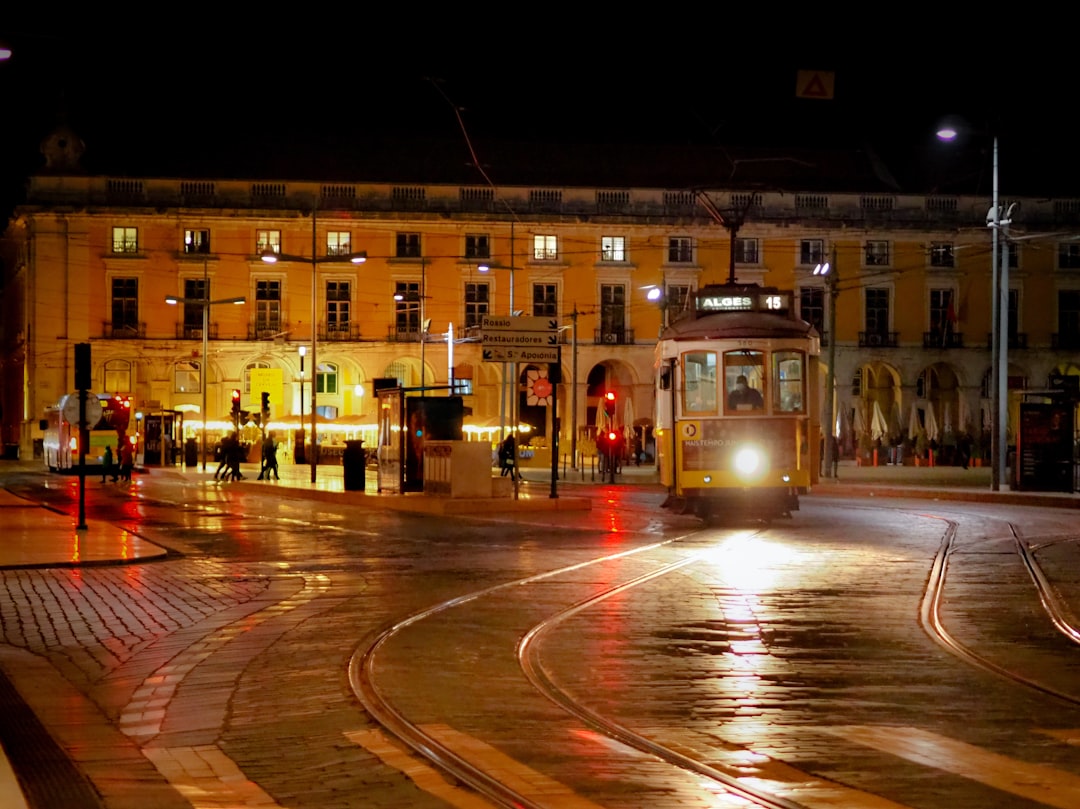
Lisbon runs late. In a city where dinner reservations at 9 PM are considered early, the nightlife calendar doesn't even begin until most Northern European cities are winding down. Portugal's capital has built a reputation as one of Western Europe's best value nightlife destinations, and that reputation is earned. A full night out here costs what two cocktails run you in London.
Local contacts verified current conditions for this guide.
The scene splits across distinct neighborhoods, each with its own rhythm. Bairro Alto is the traditional starting point, a grid of narrow streets packed with small bars that spill onto sidewalks. Cais do Sodre took over as the club district after its 2011 regeneration. Santos and the waterfront host the larger venues. And Intendente, once a no-go zone, now draws a younger creative crowd to its renovated squares. Lisbon doesn't force you to choose one vibe for the night. You walk between them.
Legal Context
Portugal decriminalized the personal use of all drugs in 2001, a policy that reshaped the country's approach to nightlife regulation. Sex work occupies a legal grey area. The act itself isn't criminalized, but organized prostitution, pimping, and operating brothels are illegal under Portuguese law. In practice, authorities focus enforcement on trafficking and exploitation rather than individual adults.
Bars and clubs operate under standard licensing. Venues in residential areas face noise restrictions after 2 AM, which is why Bairro Alto bars tend to close around that time while Cais do Sodre clubs keep going until 6 AM. Police presence in nightlife areas is visible but low-key. Officers generally intervene only when fights break out or noise complaints pile up.
Key Areas
Bairro Alto
The original. This hilltop grid of 16th-century streets contains roughly 250 bars crammed into an area you can cross in ten minutes. On any Thursday through Saturday night, thousands of people fill the narrow lanes, drinking on the street and drifting between doorways. Most bars here are tiny, holding 20-30 people inside. That's by design. The street is the venue.
Bars start opening around 9 PM. By 11 PM the streets are packed. Around 2 AM, police begin encouraging bars to close, and the crowd migrates downhill toward Cais do Sodre. Expect EUR 2-4 for a beer, EUR 3-5 for wine. Rua da Atalaia and Rua do Norte are the two main strips, but every side street has options. Some bars specialize in fado music, others in rock, electronic, or just cheap shots. There's no cover charge at most places.
Cais do Sodre
Once a seedy port district, Cais do Sodre underwent a dramatic transformation starting around 2011. Today it's Lisbon's primary club district. Pink Street (Rua Nova do Carvalho), painted literally pink, anchors the area with a line of bars and small clubs. The bigger venues sit along the waterfront and in converted warehouse spaces.
Clubs here open at midnight and run until 6 AM. Cover charges range from EUR 5-15 and usually include one or two drinks. Music leans toward house, techno, and Afro-Portuguese sounds. Lux Fragil, co-owned by actor John Malkovich, sits at the eastern end of the waterfront and consistently ranks among Europe's best clubs. It doesn't fill until 3 AM. Don't show up before then.
Santos
West of Cais do Sodre along the river, Santos has the warehouse-scale venues that the older districts can't accommodate. The area around Rua da Cintura do Porto de Lisboa hosts clubs with capacities of 1,000+ that attract international DJs on weekends.
Cover charges at the bigger Santos clubs run EUR 10-20. The crowd skews slightly older and better dressed than Bairro Alto. Expect more electronic music, less conversation. Santos is where you go to dance, not to talk. Getting here from the center is a short Uber ride or a 15-minute walk along the waterfront from Cais do Sodre.
Intendente
Five years ago, locals would have told you to avoid Intendente. The neighborhood around Largo do Intendente was Lisbon's most visible red-light area for decades, with a reputation for drug dealing and petty crime. A concerted city renovation project changed that. The square itself was pedestrianized and repaved. Galleries, craft beer bars, and co-working spaces moved in.
Some traces of the old Intendente persist. You'll still see sex workers on side streets after dark, and the neighborhood retains a grittier edge than Bairro Alto. But the bar scene is genuinely good here, with lower prices and fewer tourists than the traditional nightlife zones. It's becoming what Bairro Alto was twenty years ago.
Safety
Lisbon is one of Europe's safest capitals for visitors. Violent crime targeting tourists is exceptionally rare. The real risks are petty.
- Pickpocketing is the number one concern. Hot spots: Tram 28, Rossio square, Bairro Alto on crowded nights, and the Santa Justa elevator queue. Use a front pocket or a crossbody bag.
- Drink spiking has been reported at clubs in Cais do Sodre, though incidents remain uncommon. Don't leave drinks unattended.
- Street drug dealers operate openly in Bairro Alto and around Rossio. What they sell is frequently fake or low quality. Engaging with them also makes you a target for pickpockets working in pairs.
- The cobblestone streets are uneven and steep. After a few drinks, they become genuinely treacherous. Wear shoes with grip.
Tuk-tuk drivers in tourist areas sometimes double as touts for specific bars or clubs, earning commission for bringing customers. The venues they recommend tend to overcharge. If a tuk-tuk driver offers to take you to "the best bar," he's taking you to the bar that pays him. Choose your own spots.
A few bars near Rossio that sell ginjinha (cherry liqueur) have been known to charge EUR 8-10 for a shot that costs EUR 1-1.50 at honest establishments. A Ginjinha, the famous shop near Rossio station, charges EUR 1.50. Use that as your baseline.
Costs and Pricing
Lisbon remains one of Western Europe's cheapest capitals for nightlife, though prices have risen since 2020. Here's what to expect in 2026:
- Beer (draft, 330ml): EUR 1.50-3 at most bars, EUR 3-5 at upscale spots
- Wine (glass): EUR 2-4
- Cocktails: EUR 6-10 at standard bars, EUR 10-14 at cocktail lounges
- Club entry: EUR 5-15 at Cais do Sodre, EUR 10-20 at Santos venues (usually includes 1-2 drinks)
- Uber across the city center: EUR 4-8
- Late-night street food: EUR 3-6 for a bifana (pork sandwich) or similar
Compare that to Amsterdam at roughly 2.5x these prices, or London at 3x. A solid night out in Lisbon, including transport, drinks, and a club entry, can run under EUR 40. Try doing that anywhere in Scandinavia.
Social Scene
Portuguese social culture revolves around eating and drinking together, slowly. Dinner starts late, extends into drinks, and eventually someone suggests going out. Lisbon's international population has grown sharply since 2015, driven by digital nomad visa programs and favorable tax schemes. The result is a city where you'll hear English, French, and Brazilian Portuguese in every bar.
Bairro Alto's street-drinking culture makes it the easiest place in Europe to meet people. When everyone is standing outside with a EUR 2 beer, conversations start naturally. The density of people in those narrow streets creates a social pressure cooker. Santos clubs are the opposite, built around music and movement rather than conversation.
For daytime socializing, the waterfront from Cais do Sodre to Belem draws joggers, cyclists, and cafe-goers. LX Factory, a converted industrial complex under the 25 de Abril bridge, mixes restaurants, shops, and co-working spaces in a setting designed for lingering. Lisbon's hostel scene also runs organized pub crawls and social events most nights.
Dating Notes
Portuguese dating culture moves at a relaxed pace. People are warm but not aggressive. Lisbon's international crowd means you'll encounter a mix of local and foreign dating norms. Apps like Tinder and Bumble are widely used. But the traditional approach still works here. Buy someone a drink in Bairro Alto. Start a conversation. If it goes well, suggest walking to another bar. The city's layout makes casual bar-hopping a natural progression.
Best Times
Thursday through Saturday is when Lisbon's nightlife operates at full capacity. Sunday nights are quiet. Monday and Tuesday most venues close. Wednesday picks up slightly at some Bairro Alto bars.
Summer (June through September) is peak season. Outdoor terraces stay open late, rooftop bars come alive, and Santos Populares in June turns the entire city into a street party with sardines, cheap wine, and folk music.
September and October offer the best balance. The weather holds, tourist numbers drop, and prices at some venues decrease. Winter nightlife still runs, just with smaller crowds and earlier endings.
Getting Around
Lisbon's metro runs until 1 AM. That's useful for getting to nightlife areas but not for getting home. After 1 AM, your options are:
- Uber/Bolt: The default choice. Both operate citywide with short wait times, even at 4 AM. Surge pricing kicks in around 2-3 AM on weekends but rarely exceeds 2x.
- Taxis: Metered and generally honest. Cream-colored or black-and-green. Insist on the meter if hailing one on the street.
- Night buses: Limited routes run between 12:30 AM and 5:30 AM. Useful if you know the system, confusing if you don't.
- Walking: Bairro Alto to Cais do Sodre is a 10-minute downhill walk. But remember, Lisbon is built on seven hills. The walk back up at 3 AM after drinks is a cardio test.
- Tram 28: A tourist attraction, not a transport option at night. It stops running around 9 PM.
What Not to Do
- Do not show up to clubs before 1 AM expecting a crowd. You'll be drinking alone.
- Do not leave drinks unattended in Cais do Sodre clubs. Watch your glass.
- Do not buy drugs from street dealers in Bairro Alto. The product is unreliable and the interaction makes you a target.
- Do not take an unlicensed taxi from the airport. Use the official taxi rank or book an Uber.
- Do not walk through Alfama's back streets alone at 4 AM. The neighborhood is mostly safe, but its dark, empty alleys are prime pickpocketing territory after hours.
- Do not skip the ginjinha. One EUR 1.50 shot of sour cherry liqueur at a traditional shop is a non-negotiable Lisbon experience.
Get the Legal Status PDF, 50 countries
Newsletter signup coming soon. Check back shortly.
Flights to Lisbon
Compare prices across airlines. Filter by stops, time, and cabin.
Airport transfer to Lisbon
Pre-booked transfers cost about the same as a metered taxi but cut out the airport queue, the meter argument, and the "no English" routine that takes some drivers to the wrong address. Fixed price quoted before booking, driver tracks your flight, waits with a name sign at arrivals.
Book a KiwiTaxi transferFrequently Asked Questions
Related Guides
Bairro Alto
Guide to Bairro Alto, Lisbon's famous nightlife quarter with narrow streets packed with small bars, fado houses, and late-night drinking spots.
Read guideCais do Sodré
Guide to Cais do Sodre, Lisbon's main clubbing district featuring Pink Street, Lux Fragil, and late-night venues open until dawn.
Read guideIntendente
Guide to Intendente, Lisbon's formerly notorious red-light district now undergoing rapid gentrification with creative bars, live music, and a gritty character.
Read guideWas this guide helpful?