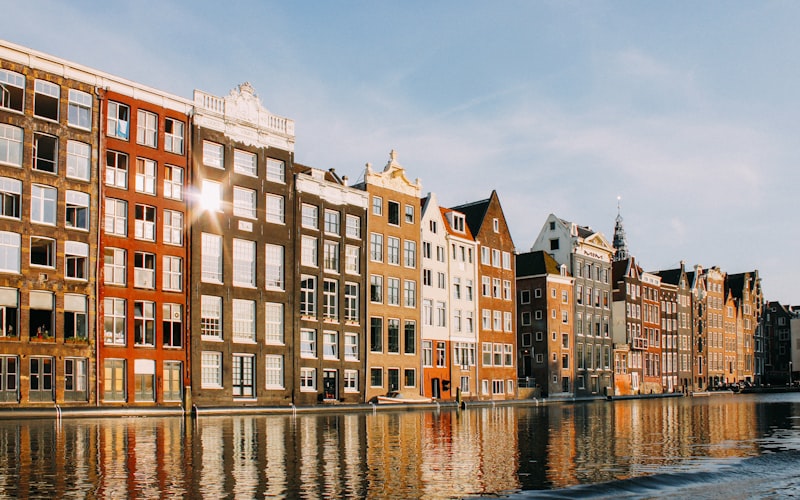

The Key Neighborhoods
Detailed guides for every area
Ruysdaelkade
4/5SafeDistrict guide to the Ruysdaelkade window district in Amsterdam's De Pijp neighborhood, the city's smallest and quietest red-light area.
5 nightlife spots listed
De Wallen
4/5SafeDistrict guide to De Wallen (Red Light District) in Amsterdam, covering window prostitution, street layout, safety, and visitor etiquette.
5 nightlife spots listed
Singelgebied
4/5SafeDistrict guide to Singelgebied in Amsterdam, a quieter window prostitution area near the Singel canal with practical tips.
5 nightlife spots listed
District Map of Amsterdam
Pick a district to recenter the map and see hotels nearby.
Where to stay in Amsterdam
Compare hotels and rentals across the city's nightlife districts.
See places to stay and current pricesOverview
Amsterdam is synonymous with legalized, regulated adult entertainment. The city's Red Light District, properly known as De Wallen, is perhaps the world's most famous adult nightlife area. Window prostitution, where licensed workers display themselves behind glass doors along canal-side streets, is Amsterdam's signature model.
Local contacts verified current conditions for this guide.
The city takes a pragmatic approach: regulate, inspect, and protect rather than prohibit. This philosophy extends to its broader tolerance policies, including its approach to cannabis coffee shops.
Legal Context
Amsterdam operates under national Dutch law, which lifted the brothel ban in 2000. The city issues licenses for window spaces and other establishments through a stringent process. Workers must be at least 21, EU citizens or legal residents, and registered with the municipality.
The city has gradually reduced the number of licensed window spaces from approximately 480 to around 330 as part of urban redevelopment and anti-trafficking efforts. This reduction remains politically controversial.
Key Areas
De Wallen (Red Light District). The primary area, centered on the Oudezijds Achterburgwal and Oudezijds Voorburgwal canals in Amsterdam's oldest neighborhood. This is where the majority of window prostitution is concentrated.
Singelgebied. A smaller area near the Singel canal with additional window spaces.
Ruysdaelkade. Amsterdam's smallest and quietest window area, tucked into the residential De Pijp neighborhood south of the city center. Roughly 30 to 40 windows along a canal with almost no tourist traffic.
Various licensed establishments. Private clubs and escort agencies operate throughout the city under license.
Safety
Amsterdam is a very safe city. De Wallen, despite its nature, is one of the most heavily monitored areas:
- CCTV coverage is extensive
- Plainclothes and uniformed police patrol regularly
- The Prostitution Information Centre (PIC) provides resources and information
- Emergency buttons are installed in window units
- Well-lit main passages are safe at all hours
Primary risks:
- Pickpocketing: the narrow, crowded lanes are prime territory for thieves
- Canal falls: canal edges are unprotected, so take care after drinking
- Bicycle collisions: Amsterdam's bike traffic is relentless, so look before crossing
Cultural Norms
De Wallen is a real neighborhood where people live and work. Visitors should:
- Treat it as a business district, not a spectacle
- Move through at a reasonable pace and do not block narrow passages
- Speak at normal volume, as residents live above the window units
- Follow workers' rules regarding time, terms, and behavior
- Remember that workers are professionals providing a licensed service
Social Scene
Leidseplein is Amsterdam's main nightlife square, ringed with bars, restaurants, and clubs. Melkweg and Paradiso, both converted from historic buildings, are legendary live music and club venues that host everything from indie bands to DJ nights. The square gets loud and tourist-heavy on weekends, but it remains the default starting point for a night out.
De Pijp is the city's trendiest neighborhood, centered around the Albert Cuyp Market. The bars and restaurants on Marie Heinekenplein are popular with locals and expats alike, and the surrounding streets offer a diverse food scene spanning Surinamese, Turkish, and Indonesian cuisines. It's a good area for a relaxed evening that doesn't feel like a tourist circuit.
Jordaan is the picturesque canal neighborhood west of the center, known for its brown cafes. These traditional Dutch pubs, with their dark wood interiors and candlelit tables, are ideal for long conversations over beer. The atmosphere is intimate and local rather than flashy.
Rembrandtplein is another bar and club cluster. It skews more tourist-heavy than De Pijp or Jordaan but also draws locals, especially to the venues on the side streets. Amsterdam-Noord, across the IJ river (free ferry from Centraal Station), is the city's emerging creative and nightlife district. The NDSM Wharf hosts cultural events, festivals, and warehouses converted into bars and galleries.
During the day, Vondelpark is where Amsterdam socializes in summer. Bring a blanket and something to drink. Canal-side terraces, known locally as "terrasjes," are sacred social spaces whenever the weather cooperates, and the Dutch will sit outside at the first hint of sun. Albert Cuyp Market is worth visiting for the atmosphere as much as the food.
For those working remotely, B. Amsterdam, WeWork, and Spaces all have coworking locations across the city. The startup and tech scene is active, with regular meetups and events. Amsterdam's expat community is one of Europe's largest, and Meetup.com is genuinely well-used here. InterNations and the Amsterdam Expats Facebook group organize regular social events, and weekly pub quizzes at various bars are a reliable way to meet people.
Dating Apps
Amsterdam has an unusually active dating app scene, driven by its large international population. Hinge and Bumble are particularly popular among the expat crowd, while Tinder remains the most-used app overall. Happn works well in Amsterdam because the city is compact and walkable, so you'll frequently cross paths with the same people. English-language profiles are the norm rather than the exception, and matches often suggest meeting at a terrace bar or in Vondelpark.
Scam Warnings
Amsterdam has relatively few scams specific to the red-light district. General tourist area risks include:
- Street drug dealers offering cocaine or ecstasy, which are often fake or dangerous substances
- Overpriced tourist restaurants near the district
- Pickpockets working the dense crowds, especially in narrow lanes
- Unofficial "guides" offering tours for tips
Best Times
De Wallen is busiest on weekend evenings, roughly 10 PM to 2 AM. Weekday evenings are quieter and offer a less crowded experience. The area operates year-round, though summer months bring significantly more tourists.
Avoid visiting during major events (King's Day, New Year's Eve) if you prefer a more controlled environment, as the district becomes extremely crowded.
Getting Around
- Walking: The city center is compact and most areas are walkable
- Tram: Lines 4, 14, and 24 serve areas near De Wallen
- Metro: Station "Nieuwmarkt" is the closest to De Wallen
- Bicycle: Rental bikes are ubiquitous, but avoid cycling in the district itself (narrow streets, heavy pedestrian traffic)
- Ferry: Free ferries behind Centraal Station connect to Amsterdam-Noord
What Not to Do
- Do not photograph or film workers. This is strictly prohibited
- Do not stand in groups blocking the narrow passages
- Do not consume alcohol or drugs to the point of impairment
- Do not engage with street drug dealers
- Do not disrespect workers by knocking on windows, making rude gestures, or haggling
- Do not wander into poorly lit side alleys far from the main canals
Get the Legal Status PDF, 50 countries
Newsletter signup coming soon. Check back shortly.
Bookable nightlife experiences in Amsterdam
Curated tours and shows from verified operators. Skip-the-line entry, bilingual guides, and fixed prices booked online.
Red Light District Tour with Canal Cruise
Guided walk through De Wallen plus a one-hour canal cruise. Respectful, history-focused framing.
Red Light District Walking Tour
Walking tour without the canal cruise, focused on the regulatory and historical context.
Flights to Amsterdam
Compare prices across airlines. Filter by stops, time, and cabin.
Airport transfer to Amsterdam
Pre-booked transfers cost about the same as a metered taxi but cut out the airport queue, the meter argument, and the "no English" routine that takes some drivers to the wrong address. Fixed price quoted before booking, driver tracks your flight, waits with a name sign at arrivals.
Book a KiwiTaxi transferRelated Guides
Ruysdaelkade
District guide to the Ruysdaelkade window district in Amsterdam's De Pijp neighborhood, the city's smallest and quietest red-light area.
Read guideDe Wallen
District guide to De Wallen (Red Light District) in Amsterdam, covering window prostitution, street layout, safety, and visitor etiquette.
Read guideSingelgebied
District guide to Singelgebied in Amsterdam, a quieter window prostitution area near the Singel canal with practical tips.
Read guideFrequently Asked Questions
Was this guide helpful?