

Before You Travel to Netherlands
Five things every smart traveler sorts before booking.
- 1
Passport valid 6+ months from entry date
Most countries refuse entry on passports expiring within six months. Renew now if you're close.
- 2
Visa requirements for Netherlands
Some are visa-free, some require an e-visa filed days ahead, some need an embassy appointment.
- 3
Travel insurance booked
A hospital visit in Netherlands can run $4,000-15,000 without cover. Credit card insurance usually excludes alcohol-related incidents.
- 4
eSIM data plan ready before landing
Airport SIM kiosks need your passport and overcharge tourists. Install an eSIM in 60 seconds, online before you fly.
- 5
Accommodation reserved in the right district
The wrong neighborhood means a 45-minute taxi every night. Map the venues first, then book.
City Guides in Netherlands
Amsterdam
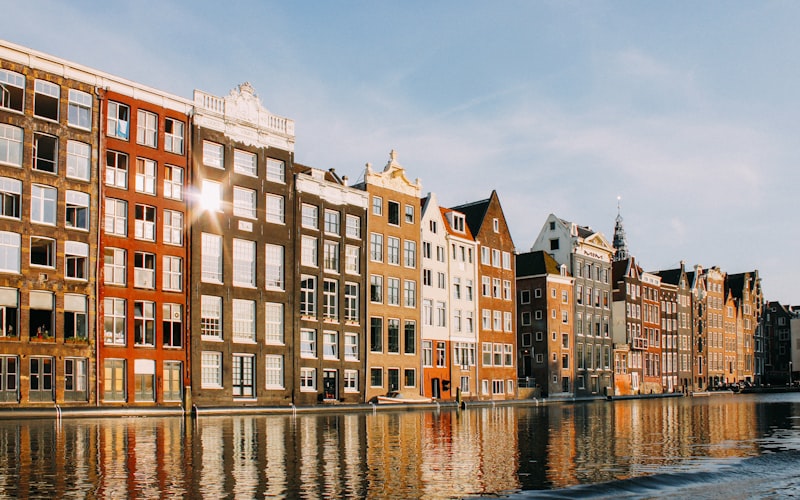
City guide to adult nightlife in Amsterdam, covering De Wallen, safety, cultural norms, and practical advice.
Rotterdam
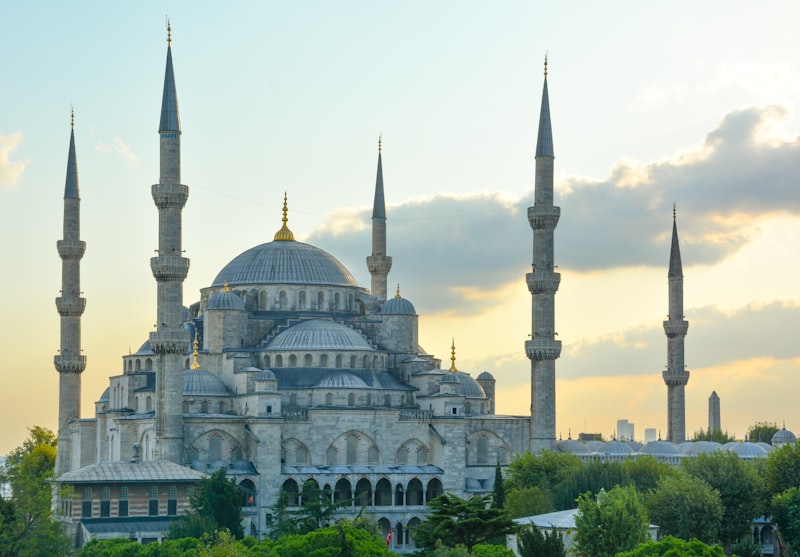
City guide to adult nightlife in Rotterdam, covering districts, legal context, safety tips, and practical information.
The Hague
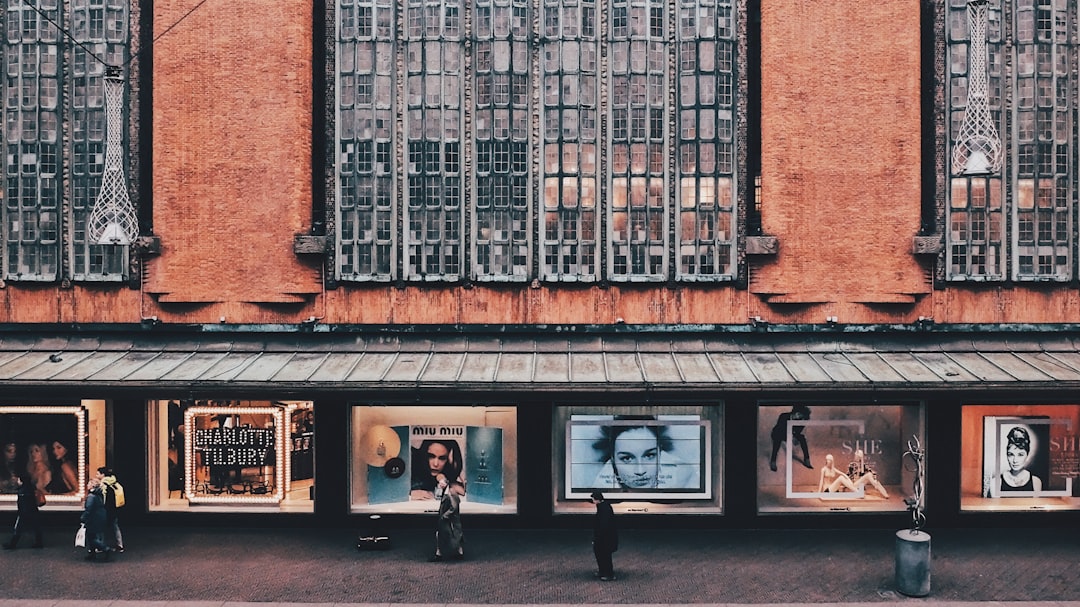
City guide to the red-light district in The Hague, the Dutch seat of government, covering the Doubletstraat window area and practical information.
Compare hotels in Netherlands
Hotels, hostels, and short-term rentals across the country's main nightlife cities.
Legal Framework
The Netherlands legalized brothels in 2000, lifting a ban that had been in place since 1911 but was largely unenforced. The current framework requires municipalities to issue operating licenses to establishments that meet health, safety, and labor standards.
Last updated after our February 2026 research trip.
Sex work is a legal profession. Workers may be self-employed or work under contract. The Dutch approach emphasizes regulation over prohibition, with the stated goal of improving working conditions and combating exploitation.
Local authorities have significant control over zoning and licensing. Amsterdam, in particular, has reduced the number of licensed window spaces in recent years as part of broader urban redevelopment plans.
Enforcement Reality
The Netherlands enforces licensing requirements seriously. Unlicensed operations face closure and fines. Municipalities conduct regular inspections of licensed establishments. The focus of enforcement is on preventing trafficking, ensuring workers are of legal age, and maintaining health standards.
Amsterdam's window prostitution is perhaps the most visible and regulated form of sex work anywhere in the world. Workers must register, obtain a license, and operate in designated zones. The city has invested heavily in outreach services, health clinics, and worker support programs.
Cultural Context
Dutch culture treats adult entertainment with characteristic pragmatism. The red-light district in Amsterdam is a major tourist destination, attracting visitors who come simply to observe the unique urban landscape. This tourism, however, has created its own set of challenges, including overcrowding and disrespectful behavior toward workers.
The Dutch government has periodically debated reforms, including proposals to move the red-light district or further restrict window prostitution. These discussions reflect an ongoing tension between pragmatic regulation and concerns about exploitation and tourism management.
Costs
The Netherlands is one of the more expensive countries in Western Europe. Amsterdam in particular carries a price premium driven by tourist demand.
Window services in De Wallen follow relatively standardized rates. A standard 15-20 minute session costs EUR 50-100, with most workers quoting around EUR 100. Prices have increased as window rents have risen over the past few years.
Beer at a regular Amsterdam bar costs EUR 5-8 per pint. Tourist-area bars charge more. Coffee shop cannabis runs EUR 10-13 per gram. Casual dining costs EUR 20-30 per person, and a nicer restaurant dinner runs EUR 40-60.
Public transport is efficient but not cheap. A single GVB tram/bus/metro ticket in Amsterdam costs EUR 3.40. A 24-hour pass is EUR 10. Contactless bank cards work directly on the OV-pay system. Trains between cities are fast but pricey; Amsterdam to Rotterdam takes 40 minutes and costs about EUR 17 one way.
Accommodation near De Wallen starts at EUR 30-60 for hostel dorms. Budget hotels run EUR 80-100, mid-range EUR 150-200, and luxury EUR 250-400+. Summer and holiday periods inflate rates significantly.
Dating Culture
Dutch dating culture is direct, egalitarian, and pragmatic. The Dutch are famously blunt, and this extends to romance. Don't expect drawn-out courtship rituals or subtle hints. If someone likes you, they'll probably tell you. If they don't, they'll tell you that too. Playing games or being deliberately vague is a fast way to lose someone's interest.
Splitting the bill is literally named after the Dutch ("going Dutch"), and it's not a stereotype. Paying for everything on a date can come across as patronizing rather than generous. Dutch people value self-sufficiency and independence, so being overly chivalrous or protective may backfire. The culture leans heavily toward equality in relationships, and the Netherlands was the first country in the world to legalize same-sex marriage in 2001.
Public displays of affection are moderate, similar to other Northern European countries. Holding hands and casual kissing are normal, but you won't see many couples draped over each other in public. Relationships here tend to develop organically, often growing out of friend groups, sports clubs, or shared activities. Cold approaching strangers on the street is less common than in Southern Europe and may be received with confusion.
How locals view foreign men is generally neutral. The Netherlands is highly international, especially in Amsterdam, Rotterdam, and The Hague, so foreigners don't stand out. Cycling is part of the dating culture here; offering someone a ride on the back of your bike is a genuinely romantic gesture. Common mistakes include being too indirect (the Dutch find it exhausting), overdressing for casual occasions (Dutch style skews relaxed), being flashy with money (it reads as insecure), and not learning any Dutch at all. Even a few basic phrases go a long way, though nearly everyone speaks excellent English.
Dating Apps
Tinder dominates the Dutch dating app market, followed closely by Bumble, which is very popular among women. Hinge is growing fast, particularly in larger cities, and Happn has a strong user base in Amsterdam due to the city's walkable, compact layout. English-language profiles work well across all platforms. The Dutch have among the highest English proficiency in the non-English-speaking world, so language is rarely a barrier.
Dutch women tend to be direct on apps. If someone is interested, they'll say so. If they're not, you'll know quickly. The dating app scene is active across the country, though competition in Amsterdam is particularly high due to the large international population.
Online dating scams are very rare in the Netherlands. The country has one of the safest digital environments in Europe for meeting people. One thing to note: many Dutch people use Instagram as a secondary dating tool. Sharing handles on dating apps is common, and plenty of initial connections happen through DMs rather than the apps themselves.
Key Cities
Amsterdam is the primary destination, with the De Wallen district (the "Red Light District") as its internationally recognized center. The city also has smaller zones in the Singelgebied area. Amsterdam draws millions of visitors annually and the red-light district is the most visible, most photographed, and most debated adult entertainment zone in the world. The city has reduced window spaces from about 480 to around 330 through the Project 1012 urban redevelopment program, a move that continues to generate political controversy.
The Hague has a smaller but notable red-light district near the Doubletstraat area. As the seat of government and the International Court of Justice, The Hague has a more diplomatic character than Amsterdam, but its window district has operated for decades.
Rotterdam had a historically prominent red-light district in the Katendrecht area. The city banned window prostitution in 2005, and extensive gentrification has since transformed Katendrecht into a trendy food and culture district. Rotterdam's adult entertainment now operates exclusively through licensed indoor venues, clubs, and escort services spread across the city rather than concentrated in one zone.
Utrecht has a small window district that the city has reduced over the years. Like Amsterdam, Utrecht's approach has shifted toward fewer but better-regulated spaces.
Safety Considerations
The Netherlands is among the safest countries in Europe for travelers. Amsterdam's red-light district is well-policed and well-lit, with CCTV coverage throughout. Every window unit has an emergency button connected directly to police dispatch. Nonetheless:
- Pickpocketing is the primary risk in tourist-heavy areas, especially De Wallen's narrow streets
- Do not purchase drugs from street dealers. Coffee shops are the regulated channel for cannabis. Street dealers near De Wallen frequently sell fake or dangerous substances
- Bicycle traffic is a genuine hazard for distracted pedestrians. Amsterdam has more bikes than people, and cyclists do not stop for tourists
- Stay on main paths and avoid poorly lit side alleys
- Canal edges have no railings in many places. Intoxicated tourists fall in every year, and drownings are not uncommon
- The Zeedijk area between Centraal Station and Nieuwmarkt has some street drug activity at the margins
Common Scams
The most common issues for tourists are not unique to the red-light district: pickpocketing, street drug sales (often fake substances), and overpriced tourist traps near major attractions.
Specific to the red-light district, some visitors fall victim to theft after entering private spaces. Agree on terms clearly and keep valuables secured. Unlicensed "guides" may approach tourists offering tours for tips while steering them toward affiliated businesses.
Overpriced restaurants near De Wallen and Dam Square are a persistent issue. Check menus before sitting down. Some canal-side restaurants add unexpected service charges to bills.
What Not to Do
- Do not photograph or film workers. This is strictly prohibited and actively enforced. Workers will confront you, and enforcement officers issue fines
- Do not block the narrow lanes in groups. It impedes both workers and other pedestrians
- Do not haggle aggressively or attempt to negotiate below standard rates
- Do not consume alcohol or drugs to the point of impairment before visiting the area
- Do not litter or behave in ways that treat the district as a theme park
- Do not smoke cannabis in public areas around De Wallen, Dam Square, or Nieuwmarkt. Fines are EUR 100
- Do not fall into a canal. Watch your step along unprotected edges, especially at night
Sources
- U.S. Department of State: Netherlands Travel Advisory - Entry requirements, safety alerts, and local law summary
- UK Foreign, Commonwealth & Development Office: Netherlands Travel Advice - Safety, health, and legal information for travelers
- Australian Government Smartraveller: Netherlands - Travel advisory and practical information
Get the Legal Status PDF, 50 countries
Newsletter signup coming soon. Check back shortly.
Netherlands Map
Emergency Information: Netherlands
- Emergency:
- 112
- Tourist Police:
- 0900-8844 (non-emergency police)
- Embassy Note:
- Most embassies are in The Hague. Many countries maintain consulates in Amsterdam.
Related Destinations
Belgium
Brussels nightlife from the Gare du Nord's red-light windows to Ixelles' cocktail bars. Legal and regulated, expensive, with a distinct bilingual cultural divide.
France
Paris nightlife from Pigalle's cabarets to the Champs-Elysees clubs, plus the Riviera scene. Legal, regulated, and expensive with a deep entertainment tradition.
Germany
Hamburg's Reeperbahn, Berlin's FKK clubs, and Frankfurt's Bahnhofsviertel. Fully legal and regulated, expensive but transparent, with Europe's most organized adult entertainment industry.
Ireland
Dublin's pub culture, late-night clubs, and the reality of Ireland's 2017 sex purchase ban. A safe, expensive destination where nightlife centers on drinking culture rather than adult entertainment.
Similar Countries in Other Regions
Countries with a similar overall score to Netherlands (3.2) but in different parts of the world.
Ghana
3.2West Africa
Guide to adult nightlife in Ghana covering Accra's bar districts, legal context, costs, safety, and practical tips for foreign visitors to West Africa.
Malaysia
3.2Southeast Asia
Malaysia's nightlife scene runs through Kuala Lumpur's Bukit Bintang district, where bars and clubs operate alongside strict Islamic laws that apply to Muslim citizens but not foreign visitors.
Curacao
3.2Caribbean
Curacao stands out in the Caribbean for its legal, regulated approach to adult entertainment. Willemstad's colorful colonial streets host a genuine nightlife scene with trendy bars in Pietermaai and local haunts in Punda, all at moderate Caribbean prices.
Was this guide helpful?