
Before You Travel to Curacao
Five things every smart traveler sorts before booking.
- 1
Passport valid 6+ months from entry date
Most countries refuse entry on passports expiring within six months. Renew now if you're close.
- 2
Visa requirements for Curacao
Some are visa-free, some require an e-visa filed days ahead, some need an embassy appointment.
- 3
Travel insurance booked
A hospital visit in Curacao can run $4,000-15,000 without cover. Credit card insurance usually excludes alcohol-related incidents.
- 4
eSIM data plan ready before landing
Airport SIM kiosks need your passport and overcharge tourists. Install an eSIM in 60 seconds, online before you fly.
- 5
Accommodation reserved in the right district
The wrong neighborhood means a 45-minute taxi every night. Map the venues first, then book.
Compare hotels in Curacao
Hotels, hostels, and short-term rentals across the country's main nightlife cities.
Legal Framework
Curacao is one of the few Caribbean territories where prostitution is legal and regulated. As a constituent country of the Kingdom of the Netherlands, Curacao inherited a legal framework that permits sex work under specific conditions. Licensed establishments operate in designated areas, and workers are required to register, undergo regular health checks, and carry valid documentation.
Our field team visited Curacao most recently in March 2026.
The primary regulated zone is Campo Alegre, a walled compound on the outskirts of Willemstad that operated for decades as one of the Caribbean's best-known legal establishments. It closed in 2024 after its lease was not renewed, and the future of regulated sex work on the island remains uncertain. Other licensed venues continue to operate under government oversight.
Solicitation outside designated areas is illegal. Street-based sex work is prohibited, and police enforce this distinction. The legal framework distinguishes clearly between regulated indoor work and unregulated activity.
Enforcement Reality
Curacao's police force, the Korps Politie Curacao, maintains regular patrols in Willemstad's tourist and nightlife areas. Officers are generally professional and accustomed to dealing with tourists. The island's Dutch administrative heritage means policing standards are higher than in many Caribbean jurisdictions.
Enforcement focuses on maintaining the distinction between legal, regulated activity and illegal operations. Unlicensed establishments face closure. Street solicitation results in fines. Human trafficking is taken seriously, with the government cooperating with Dutch and international law enforcement agencies.
Drug enforcement follows Dutch Caribbean standards. Cannabis is illegal despite its legal status in the European Netherlands. Possession can result in fines and detention. Harder drugs carry serious penalties including prison time.
Cultural Context
Curacao's culture is a layered mix of Dutch colonial heritage, African roots, Latin American influence, and Caribbean identity. Papiamentu, a creole language blending Portuguese, Spanish, Dutch, and African languages, is the most widely spoken language. Dutch is the official administrative language, and most residents speak English and Spanish as well. This multilingual environment creates an unusually cosmopolitan atmosphere for an island of 150,000 people.
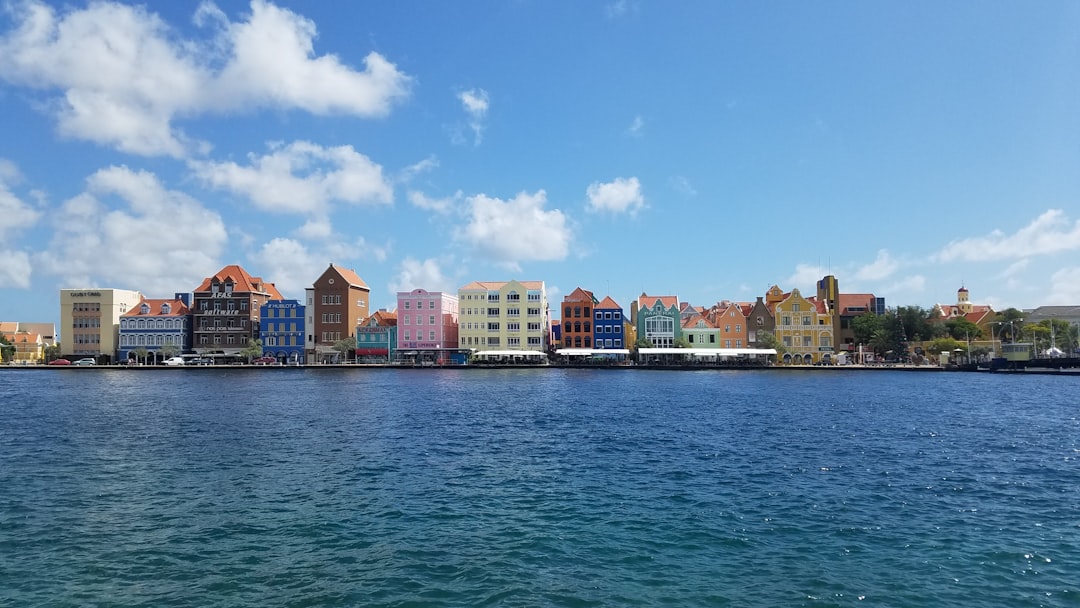
The island's UNESCO World Heritage-listed Handelskade waterfront in Willemstad, with its rows of colorful Dutch colonial buildings, sets a visual tone that's unlike anywhere else in the Caribbean. The architecture reflects centuries of trade, migration, and cultural exchange.
Curacao is more socially liberal than most Caribbean islands. Its connection to the Netherlands brings European attitudes toward personal freedom, though local culture retains Caribbean warmth and conservatism in certain contexts. Religious diversity includes Catholic, Protestant, and Jewish communities, with one of the oldest synagogues in the Western Hemisphere located in Punda.
Dating Culture
Curacaoans are warm, direct, and socially confident. Conversations flow easily in bars and social settings, helped by the multilingual environment. Most locals switch between Papiamentu, Dutch, English, and Spanish without missing a beat. Making an effort to learn a few Papiamentu phrases generates genuine appreciation.
Foreign visitors are common but don't dominate the way they do on more tourism-dependent islands. This means interactions with locals tend to be more balanced and less shaped by the tourist-local power dynamic. The island's relative prosperity compared to some Caribbean neighbors reduces economic pressure in social interactions.
The dating scene mixes Caribbean directness with European casualness. Physical attraction is expressed openly but without the aggressive edge found on some other islands. Evening social life starts late, with many locals not arriving at bars until 11 PM or later on weekends.
Dating Apps
Tinder is the most popular dating app on the island. The pool is small given the population, and you'll see familiar faces quickly. Badoo has some presence among locals. Caribbean Cupid targets the international market.
Instagram is the primary social discovery platform. Curacao's visually striking backdrop means Instagram culture is strong, and DMs are a standard way to initiate contact. WhatsApp is the default messaging platform for everyone on the island.
The island's small size means social circles overlap significantly. Discretion matters because connections between people are close. Someone you meet likely knows someone you've already met.
Key Cities
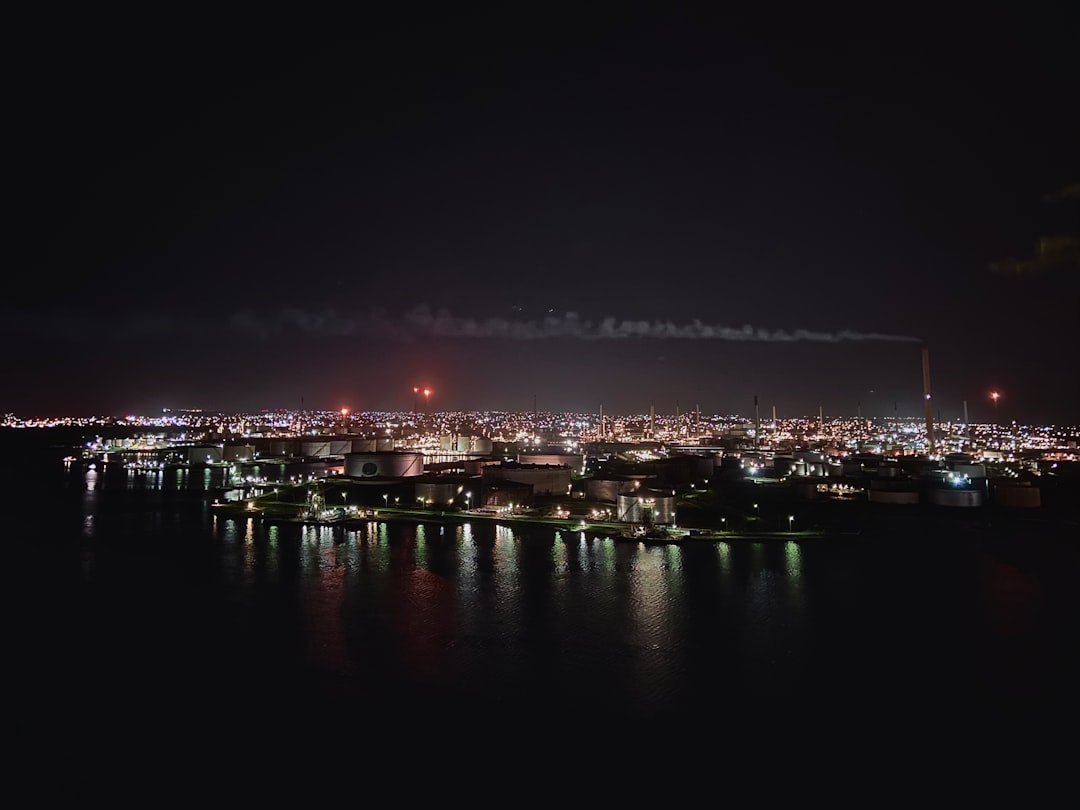
Willemstad is the capital and only significant urban center. Nearly all nightlife concentrates here, primarily in the Pietermaai district (trendy bars and restaurants) and Punda (the historic downtown area). The two areas are connected by the iconic Queen Emma pontoon bridge.
Safety Considerations
Curacao is moderately safe for the Caribbean but requires standard precautions:
- Willemstad's tourist areas (Pietermaai, Punda, Otrobanda) are generally safe in the evening
- Avoid the Scharloo and certain Otrobanda neighborhoods after dark. Ask hotel staff about current safety conditions
- Use taxis or ride services at night rather than walking between districts
- Petty theft occurs, particularly in tourist areas. Don't leave bags unattended
- Car break-ins are common at beaches and parking lots. Don't leave valuables visible
- Keep cash and cards in front pockets in crowded areas
- Save 911 (emergency) in your phone
- The island has decent medical facilities, but travel insurance is recommended for anything requiring evacuation
Common Scams
Rental car damage scams exist on Curacao. Some rental agencies claim damage that was present before you took the vehicle. Photograph and video the entire car, including underneath, before driving off the lot. Use a credit card that includes rental car insurance.
Beach vendor pressure. Less aggressive than on other Caribbean islands, but vendors at Mambo Beach and Jan Thiel Beach can be persistent. A polite refusal in Papiamentu ("No, danki") works well.
Currency confusion. Curacao uses the Netherlands Antillean guilder (ANG), but many businesses also accept US dollars. Some vendors quote prices in whichever currency benefits them. Always confirm which currency is being used.
Taxi overcharging. Taxis don't use meters. Standard rates exist but aren't always followed for tourists. Ask your hotel for approximate costs to common destinations.
What Not to Do
- Do not walk between Pietermaai and Punda through unlit areas late at night. Use a taxi
- Do not carry or use illegal drugs. Curacao enforces drug laws despite its Dutch connection
- Do not leave valuables in rental cars, even in the trunk
- Do not engage with anyone who appears underage
- Do not assume that all establishments are licensed. Stick to established venues in known areas
- Do not leave drinks unattended in bars
- Do not disrespect local culture or make assumptions based on the island's liberal legal framework
- Do not swim at unmarked beaches. Strong currents exist on the north coast
Sources
- U.S. Department of State: Curacao Travel Advisory - Entry requirements, safety alerts, and local law summary
- UK Foreign, Commonwealth & Development Office: Curacao Travel Advice - Safety, health, and legal information for travelers
- Curacao Tourist Board - Official tourism information and visitor resources
Get the Legal Status PDF, 50 countries
Newsletter signup coming soon. Check back shortly.
Emergency Information: Curacao
- Emergency:
- 911
- Embassy Note:
- Most consulates are located in Willemstad. The Netherlands maintains a Governor's office as Curacao is a constituent country of the Kingdom of the Netherlands.
Nearby Alternatives
Antigua and Barbuda
A guide to nightlife in Antigua and Barbuda, covering St. John's bar scene, English Harbour venues, local laws, costs, safety, and cultural norms on this twin-island Caribbean nation.
Aruba
Aruba's nightlife centers on the resort strip along Palm Beach, with hotel bars, casinos, and a handful of clubs. Prostitution is illegal, the scene is small, and safety requires basic awareness. A guide to going out on the island.
Bahamas
The Bahamas nightlife revolves around Nassau and Paradise Island, where casino resorts, beach clubs, and downtown bars create a scene that ranges from high-end to local. Cable Beach and Bay Street offer distinct experiences at Caribbean-high prices.
Barbados
Barbados nightlife centers on the south coast's Saint Lawrence Gap, a short strip of bars and clubs catering to tourists and locals alike. Expect high prices, a safe atmosphere by Caribbean standards, and a small but consistent scene shaped by rum culture and soca music.
Similar Countries in Other Regions
Countries with a similar overall score to Curacao (3.2) but in different parts of the world.
Ghana
3.2West Africa
Guide to adult nightlife in Ghana covering Accra's bar districts, legal context, costs, safety, and practical tips for foreign visitors to West Africa.
Malaysia
3.2Southeast Asia
Malaysia's nightlife scene runs through Kuala Lumpur's Bukit Bintang district, where bars and clubs operate alongside strict Islamic laws that apply to Muslim citizens but not foreign visitors.
Netherlands
3.2Western Europe
Amsterdam's De Wallen is the world's most famous red-light district. Fully regulated, safe, and tourist-friendly, but expensive. Rotterdam and The Hague offer alternatives.
Was this guide helpful?