
Before You Travel to Malaysia
Five things every smart traveler sorts before booking.
- 1
Passport valid 6+ months from entry date
Most countries refuse entry on passports expiring within six months. Renew now if you're close.
- 2
Visa requirements for Malaysia
Some are visa-free, some require an e-visa filed days ahead, some need an embassy appointment.
- 3
Travel insurance booked
A hospital visit in Malaysia can run $4,000-15,000 without cover. Credit card insurance usually excludes alcohol-related incidents.
- 4
eSIM data plan ready before landing
Airport SIM kiosks need your passport and overcharge tourists. Install an eSIM in 60 seconds, online before you fly.
- 5
Accommodation reserved in the right district
The wrong neighborhood means a 45-minute taxi every night. Map the venues first, then book.
City Guides in Malaysia
Compare hotels in Malaysia
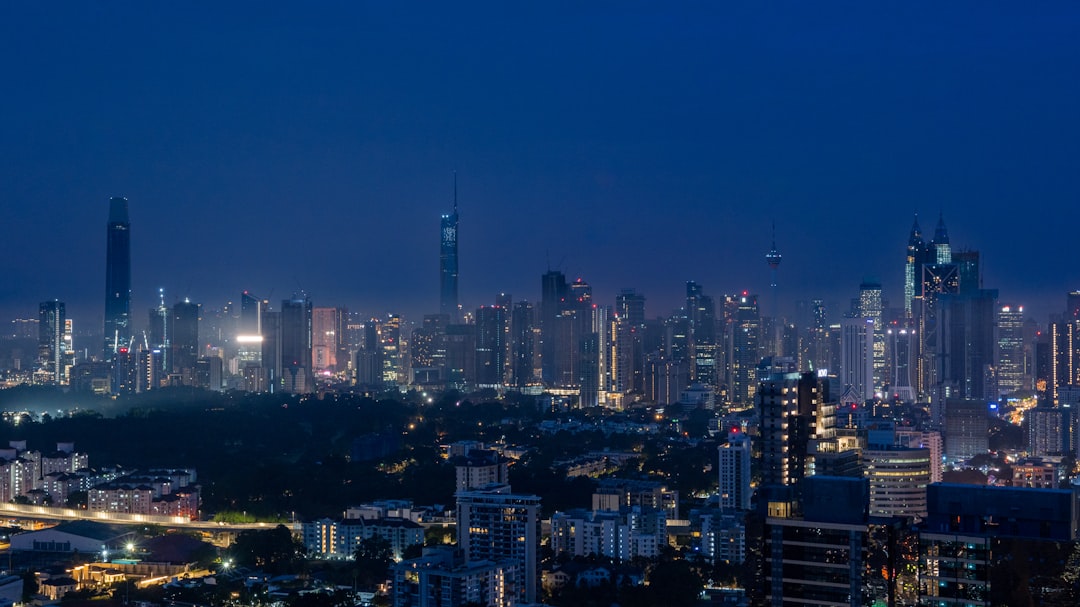
Hotels, hostels, and short-term rentals across the country's main nightlife cities.
Legal Framework
Malaysia operates under a dual legal system. Civil law applies to non-Muslims, while Sharia law governs Muslim citizens on matters including alcohol consumption, gambling, and sexual conduct. For foreign travelers, this distinction matters. Non-Muslims can buy and consume alcohol freely at licensed venues. Muslim Malaysians face fines and even caning under Sharia courts for the same activity.
Information verified through local contacts as of March 2026.
Adult entertainment is illegal across the board. The Penal Code criminalizes prostitution, solicitation, and operating any premises for sexual services. Penalties include imprisonment of up to fifteen years, fines, and caning. These laws apply equally to all residents and visitors regardless of religion. There is no gray area in the legal text, and enforcement has intensified since 2020 with regular police operations targeting unlicensed massage parlors and karaoke venues.
Enforcement Reality
Police conduct periodic raids on venues suspected of operating outside their license terms. The Royal Malaysia Police (PDRM) runs operations under names like "Ops Noda" that target vice, drugs, and immigration violations simultaneously. Foreign nationals caught in these raids face deportation, and their passport details go into a federal database.
That said, Kuala Lumpur's licensed bar and club scene operates without interference. Venues with proper entertainment licenses serve alcohol, host DJs, and stay open until 3:00 AM or later on weekends. The line is clear: licensed nightlife is legal and protected; anything beyond that carries real consequences.
Drug enforcement is severe. Malaysia retains the mandatory death penalty for trafficking above certain thresholds, though recent reforms have given judges some sentencing discretion. Possession of even small amounts of cannabis or methamphetamine triggers a presumption of trafficking under the Dangerous Drugs Act. Don't test this.
Cultural Context
Malaysia is a Muslim-majority country where about 60% of the population identifies as Malay Muslim. Chinese Malaysians make up roughly 23% and Indian Malaysians about 7%. Each community maintains distinct cultural norms around alcohol, nightlife, and social mixing. This diversity shapes the nightlife scene in practical ways. You'll find Chinese-owned pubs on the same street as Malay-run restaurants that don't serve alcohol.
Ramadan changes everything. During the holy month, many restaurants close during daylight hours, and nightlife slows significantly. Some bars in tourist areas stay open, but expect reduced crowds and earlier closing times. Showing respect during Ramadan means not eating, drinking, or smoking in public during daylight hours in Malay-majority areas.
Dress standards are more conservative than in Thailand or the Philippines. Shorts and tank tops are fine in Bukit Bintang's tourist zone, but you'll get uncomfortable looks in residential Malay neighborhoods. Women should cover shoulders and knees when visiting mosques or government buildings.
Dating Culture
Kuala Lumpur's dating scene splits along ethnic and religious lines. Malaysian Chinese and Indian communities have more relaxed attitudes toward dating and casual relationships. Inter-ethnic dating exists but remains socially sensitive, particularly when one partner is Malay Muslim. Under Malaysian law, non-Muslims who marry a Muslim must convert to Islam. This legal reality shapes social dynamics even in casual dating contexts.
Coffee dates are the default first meeting format. Expect to spend MYR 30 to 60 per person at a decent cafe in the KLCC area. Dinner at a mid-range restaurant runs MYR 80 to 150 per person. Splitting the bill is common among younger Malaysians, though many men still pay on first dates.
Family involvement is strong, especially in Malay families. Introducing someone to your parents signals serious commitment. Chinese and Indian Malaysian families have similar expectations, though the timeline tends to be more flexible.
Common mistakes to avoid:
- Assuming all Malaysian women are conservative. Kuala Lumpur is cosmopolitan, and many young professionals have studied abroad
- Public displays of affection beyond hand-holding. Kissing in public can technically draw a fine under local bylaws
- Discussing religion or politics on early dates. Both are sensitive topics in Malaysia's multicultural context
- Ordering pork or alcohol when dining with Muslim Malaysians without checking first
Dating Apps
Tinder has the largest user base in Malaysia, with strong representation in Kuala Lumpur. Bumble skews toward professionals and expats in the KLCC and Mont Kiara areas. Coffee Meets Bagel maintains a steady following among relationship-focused users. Tantan, the Chinese-origin app, has significant usage among Chinese Malaysians.
English proficiency varies. Most university-educated Malaysians in KL speak fluent English, but you'll also encounter profiles primarily in Malay or Chinese. Bahasa Malaysia basics help. Even a simple "Apa khabar" (how are you) signals respect.
Scam risk is moderate. Investment and romance scams operate through dating apps across Southeast Asia, and Malaysia is no exception. Be cautious with anyone who steers conversations toward cryptocurrency or requests money. Catfishing exists but is less aggressive than on apps in neighboring countries.
Tinder Gold costs approximately MYR 60 to 80 per month. The geography of KL means you'll match with people spread across a sprawling metro area. Traffic is terrible, so factor in commute time when planning dates. A meeting in Bukit Bintang when your match lives in Petaling Jaya could mean a 45-minute Grab ride.
Key Areas
Bukit Bintang is KL's primary nightlife district. Jalan Alor for street food, Changkat Bukit Bintang for bars, and the surrounding blocks for clubs. This is where most of the action happens after dark.
KLCC and Ampang offer upscale hotel bars, rooftop lounges, and a more refined drinking scene. Jalan Ampang's stretch of high-end venues caters to diplomats, executives, and well-heeled tourists.
Bangsar draws a local crowd with its cluster of bars and restaurants along Jalan Telawi. Less touristy, more residential, and a good window into how KL locals spend their evenings.
Sri Hartamas and Mont Kiara attract the expat community with sports bars, wine bars, and casual dining spots. Weekend brunches here turn into afternoon drinking sessions.
Safety Considerations
Kuala Lumpur is generally safe for nightlife. Violent crime against tourists is uncommon, and the main nightlife areas have visible security presence. Petty crime is the primary concern.
- Bag snatching by motorcycle riders is the most common street crime. Keep phones and bags on the side away from the road, especially on Jalan Alor and the streets around Bukit Bintang
- Drink spiking occurs occasionally in bars and clubs. Standard precautions apply
- Taxi scams are common with unlicensed drivers. Use Grab exclusively for rides. It's safer, metered, and trackable
- Police roadblocks are frequent, especially on weekend nights. Carry identification at all times
- Save 999 (general emergency) in your phone. For tourist-related issues, contact the Tourist Police hotline at 03-2166 8322
Common Scams
The friendly stranger. Someone approaches you on the street or in a bar, invites you to a card game or private party, and then you find yourself pressured to gamble or pay inflated bills. Walk away from unsolicited invitations.
Overcharging at unlicensed venues. Some KTV joints and massage parlors don't display prices. Always confirm costs before committing to anything.
Fake police. Rare but documented. Real plainclothes police carry warrant cards. If stopped, ask to see identification and offer to resolve the matter at the nearest police station rather than paying any on-the-spot "fine."
Currency exchange tricks. Some money changers in tourist areas shortchange customers or use confusing rate displays. Count your cash before leaving the counter. Mid Valley Megamall and Suria KLCC have reliable changers.
What Not to Do
- Do not carry, use, or traffic drugs. Malaysia enforces the death penalty for drug trafficking
- Do not insult the monarchy. Malaysia's sedition laws criminalize criticism of the King and state sultans
- Do not disrespect Islam or any religion. Deliberately offensive speech about religion is a criminal offense
- Do not engage with anyone who appears underage. Report concerns to police at 999
- Do not assume Malay women in headscarves are unavailable for conversation. Many are friendly and cosmopolitan. But read social cues carefully
- Do not eat pork or drink alcohol in front of Muslims during Ramadan in Malay-majority areas
- Do not photograph people without permission, particularly women in conservative dress
Sources
- U.S. Department of State: Malaysia Travel Advisory - Entry requirements, safety alerts, and local law summary
- UK Foreign, Commonwealth & Development Office: Malaysia Travel Advice - Safety, health, and legal information for travelers
- Australian Government Smartraveller: Malaysia - Travel advisory and practical information
Get the Legal Status PDF, 50 countries
Newsletter signup coming soon. Check back shortly.
Emergency Information: Malaysia
- Emergency:
- 999
- Embassy Note:
- Most embassies and high commissions are located in the Kuala Lumpur federal territory, concentrated around Jalan Ampang and the KLCC area.
Similar Countries to Explore
Brunei
A guide to nightlife in Brunei, one of the world's strictest countries for alcohol and entertainment. Sharia law governs daily life, and the nightlife scene is limited to cafes, food courts, and night markets.
Cambodia
Phnom Penh's street 136 and Siem Reap's pub street offer a raw, unfiltered scene. Extremely cheap, minimal regulation, and a frontier feel that other countries have lost.
Indonesia
Bali's Kuta strip, Jakarta's Blok M, and Batam's short-hop scene from Singapore. Officially illegal but widely tolerated, with prices among the lowest in Southeast Asia.
Laos
Vientiane's low-key riverfront bars and Luang Prabang's quiet tourist scene make Laos one of Southeast Asia's least developed nightlife markets. Cheap, conservative, and slow-paced.
Similar Countries in Other Regions
Countries with a similar overall score to Malaysia (3.2) but in different parts of the world.
Ghana
3.2West Africa
Guide to adult nightlife in Ghana covering Accra's bar districts, legal context, costs, safety, and practical tips for foreign visitors to West Africa.
Netherlands
3.2Western Europe
Amsterdam's De Wallen is the world's most famous red-light district. Fully regulated, safe, and tourist-friendly, but expensive. Rotterdam and The Hague offer alternatives.
Curacao
3.2Caribbean
Curacao stands out in the Caribbean for its legal, regulated approach to adult entertainment. Willemstad's colorful colonial streets host a genuine nightlife scene with trendy bars in Pietermaai and local haunts in Punda, all at moderate Caribbean prices.
Was this guide helpful?