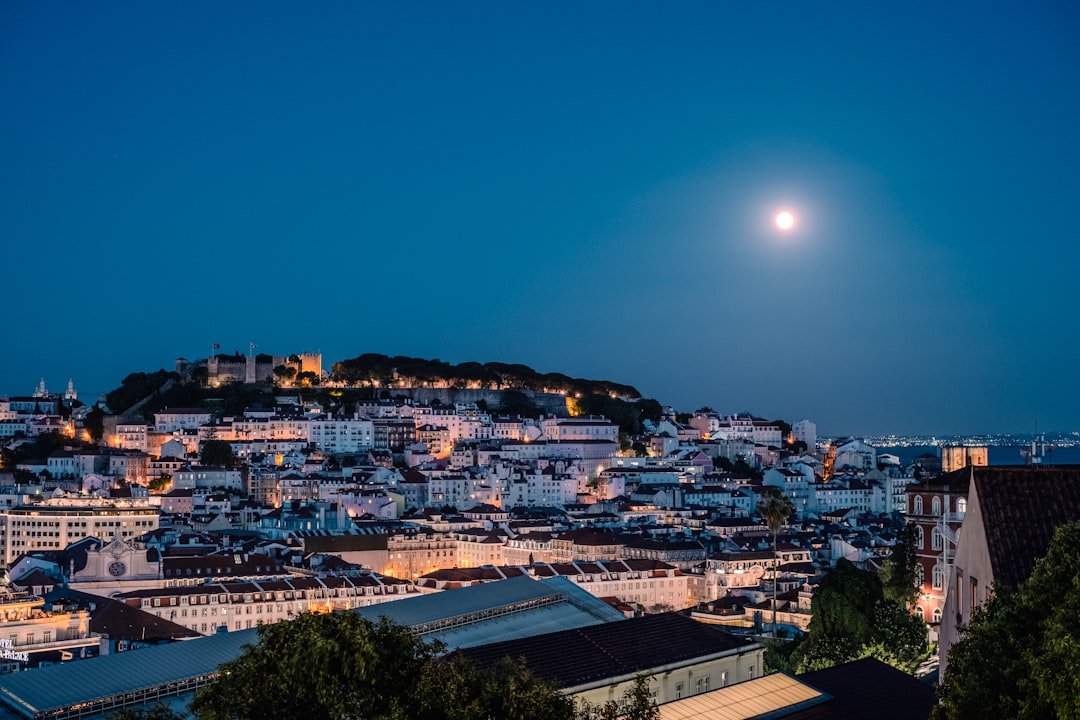


Before You Travel to Portugal
Five things every smart traveler sorts before booking.
- 1
Passport valid 6+ months from entry date
Most countries refuse entry on passports expiring within six months. Renew now if you're close.
- 2
Visa requirements for Portugal
Some are visa-free, some require an e-visa filed days ahead, some need an embassy appointment.
- 3
Travel insurance booked
A hospital visit in Portugal can run $4,000-15,000 without cover. Credit card insurance usually excludes alcohol-related incidents.
- 4
eSIM data plan ready before landing
Airport SIM kiosks need your passport and overcharge tourists. Install an eSIM in 60 seconds, online before you fly.
- 5
Accommodation reserved in the right district
The wrong neighborhood means a 45-minute taxi every night. Map the venues first, then book.
City Guides in Portugal
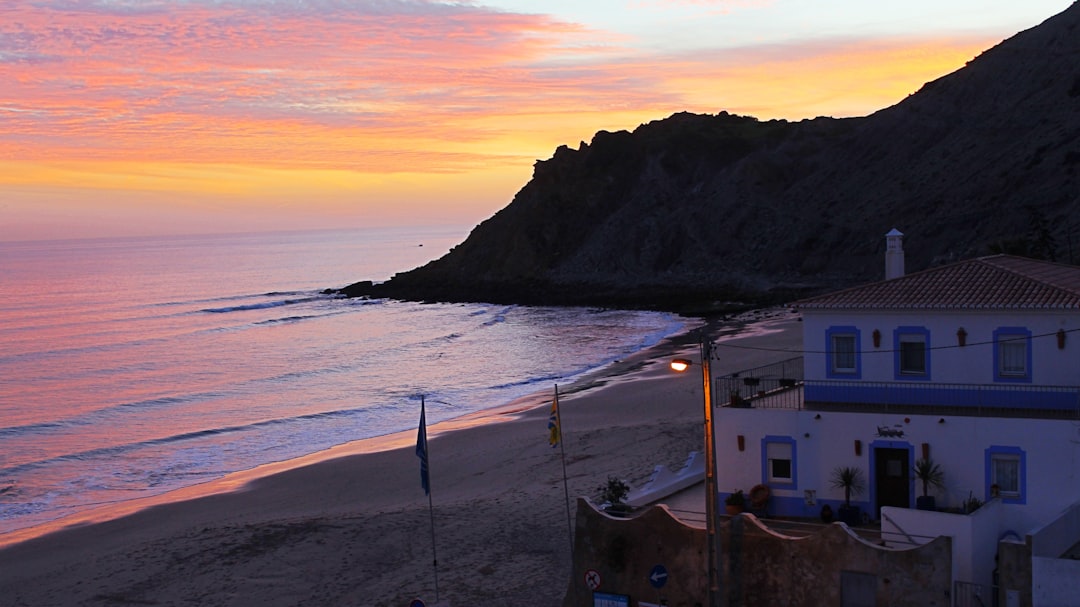
Algarve
Guide to nightlife in the Algarve, covering Albufeira, Lagos, Vilamoura, safety, and practical tips for Portugal's southern coast.
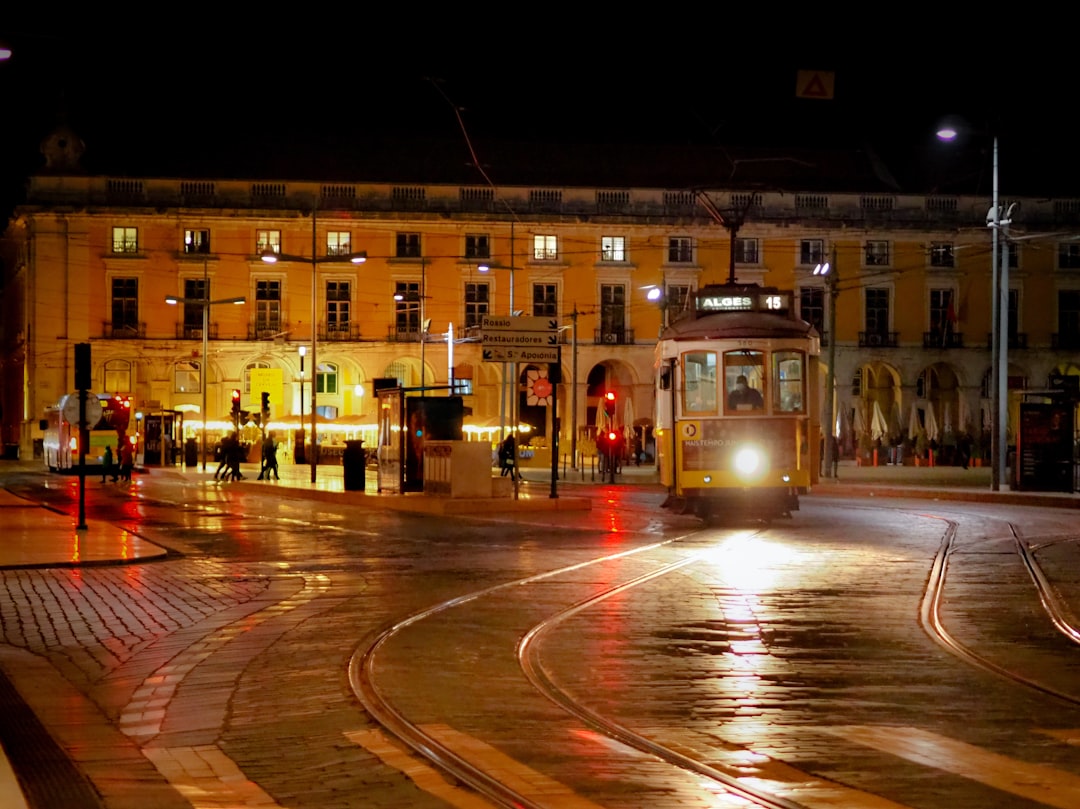
Lisbon
City guide to nightlife in Lisbon, covering Bairro Alto, Cais do Sodre, Santos, safety, costs, and practical tips for Portugal's capital.
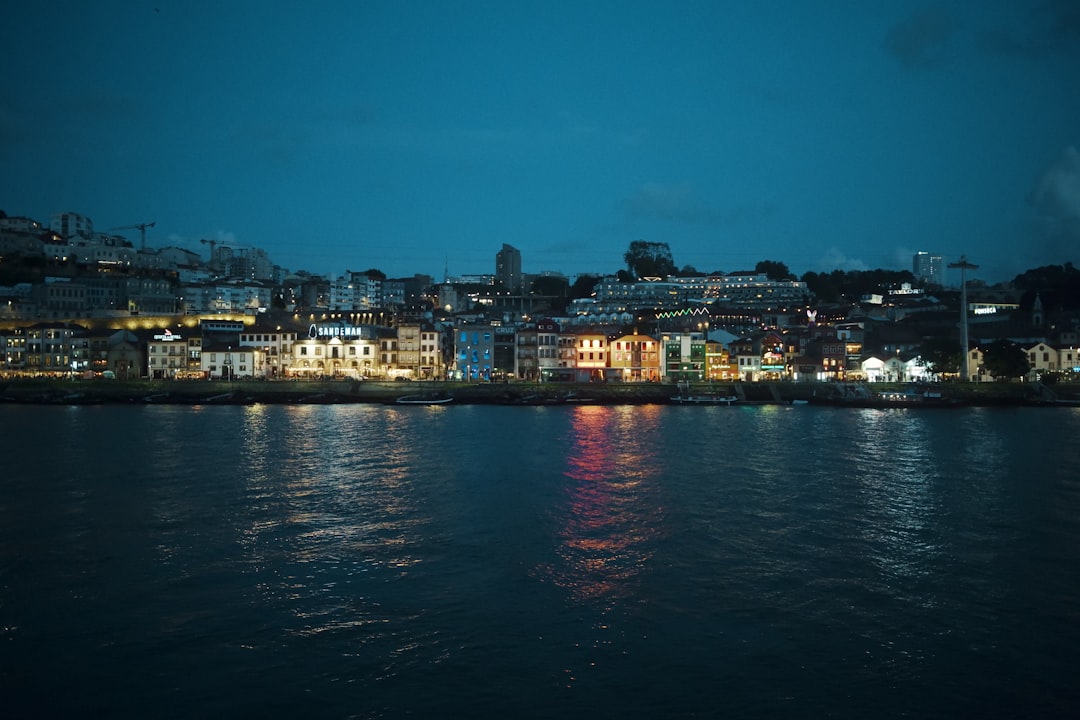
Porto
City guide to nightlife in Porto, covering Galerias de Paris, Ribeira, Cedofeita, safety, and practical tips for Portugal's second city.
Compare hotels in Portugal
Hotels, hostels, and short-term rentals across the country's main nightlife cities.
Legal Framework
Portugal allows individual sex work but draws a hard line at organized prostitution. A single person can legally sell sexual services. No law criminalizes the worker or the client in a private, consensual transaction. That's where the simplicity ends.
This guide reflects conditions observed during our March 2026 visit.
Brothels have been illegal since a 1982 amendment to the Portuguese Penal Code. Running a house of prostitution, profiting from someone else's sex work, or acting as a pimp carries prison sentences of 1 to 5 years. The 2006 legal revision (Law 59/2007) reinforced penalties for trafficking and exploitation while leaving individual sex work untouched. Portugal didn't adopt the Nordic model of criminalizing buyers, and it didn't move toward full legalization like Germany.
The result is a familiar European gray zone. One person working independently from a rented apartment is legal. Two people sharing that apartment for the same purpose starts looking like an illegal brothel. A bar owner who allows workers to meet clients on the premises is technically facilitating prostitution. These distinctions matter on paper; in practice, enforcement is selective.
Health regulations don't exist for the industry. There's no mandatory STI testing, no licensing, no registration system. Workers operate entirely outside any formal framework, which creates obvious public health blind spots.
Enforcement Reality
Portuguese police focus their resources on human trafficking, not consenting adults. Portugal sits on a trafficking route between South America, Africa, and the rest of Europe. The Policia Judiciaria (PJ), Portugal's criminal investigation unit, runs dedicated anti-trafficking operations and has dismantled several networks in recent years.
Indoor establishments operate in a practical gray zone. Bars de alterne (hostess bars) hold standard hospitality licenses. Police know what happens upstairs or in back rooms. Raids happen when there are complaints about noise, suspected trafficking, or involvement with minors. A quiet bar that pays taxes and avoids trouble rarely attracts enforcement attention.
Lisbon's Intendente neighborhood tells the story well. For decades it was the city's most visible red-light area, with street workers and cheap hostess bars concentrated around Largo do Intendente. Starting around 2012, Lisbon's municipal government launched an aggressive urban renewal campaign. The square got a facelift, trendy restaurants and boutique hotels moved in, and visible street work was pushed to the margins. The activity didn't disappear. It moved indoors and online.
Porto has a smaller and more discreet scene. Police presence in the Ribeira tourist district keeps street-level activity minimal. The Algarve sees seasonal fluctuations tied to tourism, with enforcement picking up during peak summer months when complaints from resort operators increase.
Cultural Context
Portugal spent 48 years under the conservative Estado Novo dictatorship (1926-1974). The Carnation Revolution of April 25, 1974 ended the regime without significant bloodshed, and the country spent the following decades catching up with Western European social norms. That transition shapes attitudes toward adult entertainment today.
Catholicism runs deep in Portuguese identity, but practice has declined sharply. Sunday mass attendance hovers around 20% nationally and drops below 10% in Lisbon. Younger Portuguese are overwhelmingly secular. Moral objections to adult entertainment exist, primarily among older and more rural populations, but they don't drive policy the way they once did.
Portuguese culture has a concept called "desenrascanço," roughly translated as the art of improvising solutions to problems. It applies here. Rather than building a regulatory framework or cracking down aggressively, Portugal has largely opted for pragmatic non-intervention. If it's not causing visible problems, leave it alone.
Saudade, that untranslatable melancholy that defines Portuguese emotional life, also shapes social interactions. Portuguese people are warm and genuine but won't rush intimacy. There's a depth to social connections here that you won't find in faster-paced Southern European cultures. Relationships, even casual ones, tend to have more emotional texture than in neighboring Spain.
Venue Types
Bars de alterne are Portugal's primary adult entertainment format. These are licensed bars where hostesses work on commission from drinks. A customer buys the woman a drink (typically EUR 10-20 for what's usually champagne or a cocktail), and conversation follows. Private services are negotiated separately and usually happen offsite or in rooms above the bar. You'll find these in every city, though quality and atmosphere vary enormously. Some are essentially normal bars with a side business. Others are straightforward about their purpose from the moment you walk in.
Casas de massagem (massage houses) operate under business licenses for wellness or therapeutic services. Some offer legitimate massage. Many offer additional services at additional cost. A standard massage runs EUR 30-50. Extras are negotiated directly with the worker and typically cost EUR 50-150 depending on the service and location. Lisbon and Porto have the highest concentration.
Street-based work has diminished significantly in Portuguese cities over the past decade. Urban renewal projects in Lisbon and Porto pushed most visible activity indoors. Where it persists, it concentrates in industrial zones and along certain roadways outside city centers. Prices start around EUR 20-30, and safety risks are higher than in any other format.
Escort services operate through online platforms and classified sites. This segment has grown substantially since 2015, driven by smartphone adoption and the general trend toward indoor, appointment-based work. Rates in Lisbon and Porto range from EUR 100-250 per hour, with higher-end services charging EUR 300+. The Algarve sees inflated prices during tourist season.
Online platforms dominate the market now. Classified sites and social media have largely replaced traditional advertising. Workers manage their own bookings, set their own rates, and screen clients independently. This shift has improved safety for workers while making the industry less visible to authorities.
Costs
Portugal remains one of Western Europe's best values. Prices sit well below Spain, France, and Italy for nearly everything.
A beer (imperial, the standard 200ml draft) costs EUR 1.00-1.50 at a neighborhood cafe. In Lisbon's Bairro Alto or along the Porto waterfront, expect EUR 2.50-3.50. Cocktails run EUR 5-8 at regular bars, EUR 8-12 at trendy spots. Portuguese wine is outstanding and shockingly cheap; a glass of solid Alentejo red costs EUR 2-4 at most restaurants, and a full bottle at a shop runs EUR 3-7.
Eating out is affordable even by Southern European standards. A prato do dia (daily special with soup, main course, drink, and coffee) costs EUR 7-10 at local restaurants. Dinner at a mid-range place runs EUR 12-18 per person. Seafood along the coast costs more, particularly grilled fish and shellfish, with a decent seafood dinner running EUR 20-35.
Transport is cheap. Lisbon's metro costs EUR 1.65 per trip (EUR 6.75 for a 24-hour pass). Porto's metro is similar. Taxis charge about EUR 0.50 per kilometer after a base fare of EUR 3.25. Uber and Bolt both operate throughout Portugal and are often 20-30% cheaper than taxis. The train between Lisbon and Porto takes about 3 hours and costs EUR 20-35.
Hotels range from EUR 12-25 for hostels, EUR 35-60 for budget hotels, EUR 60-110 for mid-range, and EUR 110-250+ for upscale. Prices in Lisbon and Porto have climbed steeply since 2018 due to tourism growth, but they're still 30-40% below comparable rooms in Barcelona or Rome.
Dating Culture
Portuguese people are warm but won't hand you their trust on a first meeting. There's a reserve here that's different from Spanish openness. Once past that initial wall, connections tend to be genuine and lasting. Patience pays off.
Dinner happens late, typically 9-10 PM. Going out starts even later. Lisbon's Bairro Alto doesn't really get moving until 11 PM, and clubs fill up around 1-2 AM. If you're standing in a bar at 7 PM wondering where everyone is, you're too early by several hours.
Coffee culture is serious. The Portuguese consume more coffee per capita than almost any other European nation. A bica (espresso) costs EUR 0.70-1.00 and serves as the social lubricant of daily life. Suggesting coffee as a first meeting is always appropriate and carries less pressure than dinner.
Family ties are strong. Many Portuguese in their 20s and early 30s still live with parents, partly from economic necessity, partly from cultural preference. Weekend lunches with the extended family are common and sometimes last until late afternoon. If you're dating a Portuguese person and get invited to a family meal, that's a significant step.
Physical affection in public is normal. Couples kiss openly, friends greet each other with two cheek kisses, and personal space is smaller than in Northern Europe. But there's a difference between social warmth and romantic interest that takes time to read correctly.
Dating Apps
Tinder is the dominant platform across Portugal. Usage is heaviest in Lisbon and Porto, where the large student and young professional populations keep the user base active. Swipe volume tends to be lower than in Spain or the UK; Portuguese users are more selective.
Badoo maintains a strong presence, particularly outside the two major cities and among users over 30. In smaller towns and the Algarve, Badoo often outperforms Tinder in active user counts. Bumble and Hinge have gained traction in Lisbon since 2023 but remain niche options elsewhere.
Language matters on apps. English profiles work in central Lisbon and Porto, especially with the growing digital nomad and expat communities. Anywhere else, a Portuguese profile dramatically increases your match rate. Even a few phrases show effort, and the Portuguese notice.
Profile photos with travel shots and outdoor activities perform well. The Portuguese are outdoorsy people; hiking, surfing, and beach photos signal compatibility more than bar or restaurant shots.
Key Cities
Lisbon is the capital and the center of gravity. Bairro Alto remains the primary nightlife district, packed with small bars across a compact grid of narrow streets. On weekends, the party spills out onto the cobblestones. Cais do Sodre, once a rough sailors' quarter, has transformed into Lisbon's trendiest nightlife strip, anchored by the Pink Street (Rua Nova do Carvalho). For adult entertainment specifically, the area around Rua do Benformoso and parts of Anjos and Arroios host most of the city's bars de alterne. Prices in Lisbon are the highest in Portugal but still modest by European capital standards.
Porto offers a grittier, more authentic experience. The Galerias de Paris street is the main nightlife corridor, lined with bars that range from craft cocktail spots to underground clubs. Ribeira, the UNESCO-listed riverside district, is beautiful but tourist-heavy. For a more local scene, try the Cedofeita neighborhood. Porto's adult entertainment scene is smaller and more discreet than Lisbon's, concentrated in a few streets near the Bolhao area.
Algarve is resort country. Albufeira's "Strip" (Rua de Sao Goncalo de Lagos) is the epicenter of tourist nightlife, with bars, clubs, and kebab shops running from dusk until dawn between May and October. It's loud, rowdy, and dominated by British and Irish tourists. Lagos offers a slightly more relaxed alternative. Adult entertainment in the Algarve is seasonal, ramping up with the tourist influx and quieting down in winter. Prices inflate 20-40% during peak season.
Safety Considerations
Portugal consistently ranks among Europe's safest countries. The Global Peace Index places it in the top 10 worldwide. Violent crime rates are extremely low, and serious incidents involving tourists are rare.
- Petty theft is the main risk. Pickpockets work Lisbon's Tram 28 route, Belem, and busy squares like Rossio and Praca do Comercio. Keep valuables in front pockets and use a money belt for passports
- Drug decriminalization deserves context. Since 2001, Portugal has treated personal drug possession as a public health issue rather than a criminal one. Possessing small amounts (defined as a 10-day supply) results in a referral to a "dissuasion commission," not arrest. This doesn't mean drugs are legal. Sales and trafficking carry serious prison time
- Street dealers in tourist areas (particularly Rossio in Lisbon) often sell fake substances. The approach is aggressive but the product is typically oregano or pressed powder
- Lisbon's hills and cobblestone streets are genuinely dangerous after drinking. Twisted ankles and falls are more common than any criminal threat
- Emergency services respond quickly. Call 112 for any emergency. Operators can communicate in English
Common Scams
Tuk-tuk overcharging is the most common tourist trap in Lisbon. Drivers quote EUR 40-80 for short rides that should cost EUR 10-15. Always agree on a price before getting in, or better yet, use Uber or Bolt. A tuk-tuk tour shouldn't cost more than EUR 25-35 for 30 minutes.
Restaurant tourist traps near Rossio and Praca do Comercio: Staff standing outside aggressively recruiting diners is a red flag in any country, and Portugal is no exception. These spots typically charge double the going rate for mediocre food. The cover charge (couvert) of bread, butter, and olives placed on your table without asking isn't free; it usually costs EUR 2-5 per person. You can refuse it and have it removed at no charge.
Fake drug sellers around Rossio and Martim Moniz in Lisbon approach tourists with whispered offers. The substances are fake. The interaction itself can set you up for a distraction theft by an accomplice. Walk past without engaging.
ATM skimming exists at tourist-heavy locations. Use ATMs inside bank branches. Multibanco (Portugal's interbank network) machines are generally safe and charge no fees for EU cards.
Overpriced drinks at hostess bars catch the uninformed. Always ask for a price list before ordering. Legitimate bars de alterne will show you prices. If there's no visible pricing and the hostess is ordering champagne before you've sat down, leave.
What Not to Do
- Don't assume Portuguese and Spanish are interchangeable. They're distinct languages, and Portuguese people find the confusion irritating. Even a mispronounced "obrigado" is better than switching to Spanish
- Don't carry large amounts of cash. Card payments are accepted almost everywhere in Portugal, even at small cafes
- Don't photograph workers at any venue without explicit consent. This is both a legal issue and a safety concern
- Don't dismiss the couvert at restaurants as a scam automatically. It's a legitimate Portuguese tradition, but you're never obligated to accept it
- Don't drive after drinking. Portugal's legal BAC limit is 0.05%, and police set up checkpoints regularly around nightlife areas, especially on weekends
- Don't walk alone through poorly lit areas of Lisbon's hillside neighborhoods late at night. The risk isn't crime so much as a fall on wet cobblestones
- Don't skip sunscreen. This sounds unrelated, but a severe sunburn on day one of your trip will ruin everything else. Portugal's UV index is aggressive, especially in the Algarve
- Don't leave drinks unattended in bars or clubs
Sources
- U.S. Department of State: Portugal Travel Advisory - Entry requirements, safety alerts, and local law summary
- UK Foreign, Commonwealth & Development Office: Portugal Travel Advice - Safety, health, and legal information for travelers
- Australian Government Smartraveller: Portugal - Travel advisory and practical information
Get the Legal Status PDF, 50 countries
Newsletter signup coming soon. Check back shortly.
Emergency Information: Portugal
- Emergency:
- 112
- Tourist Police:
- PSP (Policia de Seguranca Publica) - 218 111 000
- Embassy Note:
- Most embassies are in Lisbon. Some countries maintain consulates in Porto and the Algarve.
Nearby Alternatives
Albania
Albania's nightlife is small but growing fast, centered on Tirana's Blloku district where the former communist elite's residential quarter has become a strip of cocktail bars and clubs. Extremely cheap and largely undiscovered by mass tourism.
Bosnia and Herzegovina
Sarajevo's Ottoman-era old town hides a growing bar scene where craft cocktails cost less than a coffee in Vienna. Low prices, warm hospitality, and a post-war cultural renaissance make Bosnia a Balkan sleeper.
Croatia
Zagreb and Split offer a growing nightlife scene with Mediterranean beauty, Adriatic coastline bars, and an unregulated but tolerated adult entertainment industry.
Greece
Athens, Mykonos, and Crete offer Mediterranean nightlife with beautiful women. The escort scene is smaller than Western Europe but growing, with summer island parties as a bonus.
Similar Countries in Other Regions
Countries with a similar overall score to Portugal (3.6) but in different parts of the world.
Uruguay
3.6South America
South America's most progressive country for regulated adult entertainment. Legal framework, moderate costs, and a safe environment make Montevideo a standout destination.
Myanmar
3.6Southeast Asia
Yangon's beer stations and hotel bars make up a small, quiet nightlife scene under military rule. Political instability, curfews, and internet blackouts define the reality for visitors since the 2021 coup.
Peru
3.6South America
Lima and Cusco offer affordable nightlife with Andean charm. The scene is smaller than neighbors Brazil or Colombia, but prices are low and the culture is welcoming.
Was this guide helpful?