
Before You Travel to Myanmar
Five things every smart traveler sorts before booking.
- 1
Passport valid 6+ months from entry date
Most countries refuse entry on passports expiring within six months. Renew now if you're close.
- 2
Visa requirements for Myanmar
Some are visa-free, some require an e-visa filed days ahead, some need an embassy appointment.
- 3
Travel insurance booked
A hospital visit in Myanmar can run $4,000-15,000 without cover. Credit card insurance usually excludes alcohol-related incidents.
- 4
eSIM data plan ready before landing
Airport SIM kiosks need your passport and overcharge tourists. Install an eSIM in 60 seconds, online before you fly.
- 5
Accommodation reserved in the right district
The wrong neighborhood means a 45-minute taxi every night. Map the venues first, then book.
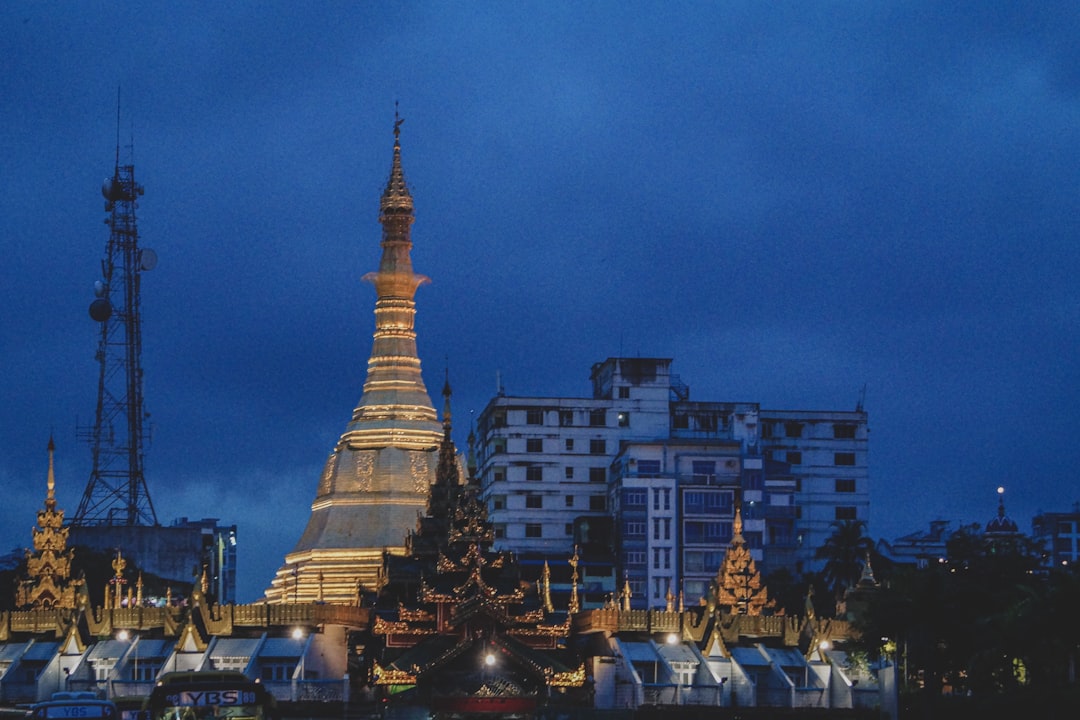
Compare hotels in Myanmar
Hotels, hostels, and short-term rentals across the country's main nightlife cities.
Legal Framework
Prostitution is illegal in Myanmar under Section 3 of the Suppression of Prostitution Act (1949). The law criminalizes both the sale and purchase of sexual services, with penalties including imprisonment and fines. Brothel-keeping carries a sentence of up to seven years.
Last updated after our March 2026 research trip.
The legal framework hasn't been updated in decades and reflects colonial-era British legislation. In practice, enforcement targets street-level activity and the most visible establishments rather than discreet operations. Entertainment venues that serve alcohol operate under separate licensing, and the line between a bar with hostesses and an illegal establishment is deliberately blurred by both operators and authorities.
Since the February 2021 military coup, the junta has imposed martial law across large parts of the country. Civilian legal protections are significantly weakened, and the military operates with broad authority to detain, search, and prosecute anyone for virtually any reason. Foreign nationals are not exempt from this reality.
Enforcement Reality
Before the coup, enforcement of prostitution laws was sporadic and largely driven by corruption. Police would raid establishments that failed to pay informal protection fees while leaving compliant venues alone. The system was predictable in its own way.
Post-coup Myanmar is a different situation entirely. The Tatmadaw (military) controls policing and has imposed curfews, restricted movement between townships, and shut down the internet intermittently. Nightlife enforcement now falls under a broader security apparatus that views any gathering with suspicion. Bars and entertainment venues operate at the mercy of local military commanders, and rules can change without notice.
Foreign visitors face additional scrutiny. Security forces may check identification at any time, and being in the wrong place during a crackdown can result in detention. The concept of "rights" during detention is functionally nonexistent under military rule.
Cultural Context
Myanmar is a deeply Buddhist society with conservative social norms. Public displays of affection are rare even among married couples, and modesty is valued in both dress and behavior. The entertainment industry that exists operates quietly and behind closed doors.
The country's decades of military isolation (1962 to 2011) limited the development of a Western-style nightlife industry. During the brief democratic opening from 2011 to 2021, Yangon saw a surge in bars, restaurants, and cultural venues. Many of those businesses have since closed or scaled back dramatically.
Myanmar's ethnic diversity plays into the nightlife landscape. Different communities have different attitudes toward alcohol and entertainment. Bamar (ethnic Burmese) Buddhist culture generally discourages drinking, while some ethnic minority communities have fewer restrictions. Chinese-influenced areas of Yangon tend to have more relaxed attitudes toward beer drinking and socializing.
Dating Culture
Traditional Myanmar dating norms are conservative. Relationships develop slowly, and family approval carries enormous weight. Meeting a partner's parents is a serious step that typically comes before any public acknowledgment of the relationship. Physical contact in public is considered inappropriate.
Most young Burmese women won't date foreign men openly due to social pressure. The stigma associated with being seen with a foreigner in a romantic context can damage a woman's reputation permanently in her community. This doesn't mean connections don't happen, but they tend to be discreet.
The economic disparity between foreign visitors and locals creates a complicated dynamic. Average monthly salaries in Myanmar hover around 150,000 to 300,000 MMK ($50 to $100 USD at the parallel market rate), making even modest spending by foreign visitors significant in local terms.
Age gaps in relationships are common and draw less attention than in Western countries. Arranged marriages still occur, particularly in rural areas and among more traditional families.
Dating Apps
Tinder has a small but active user base in Yangon. Bumble is less popular but present among educated, English-speaking locals. Facebook remains the dominant social platform in Myanmar and functions as an informal dating tool through messenger and groups.
Internet access has been severely disrupted since the coup. The military regularly shuts down mobile data, blocks VPNs, and throttles bandwidth. SIM card registration requires identification, and authorities monitor digital communications. Using dating apps in Myanmar carries risks that don't exist in neighboring countries.
Scams follow familiar patterns: requests for money before meeting, fake profiles linked to entertainment venues, and phishing attempts. But the coup has added a new dimension. Some profiles may be operated by people connected to the military or criminal networks. Exercise caution with anyone who asks detailed questions about your travel plans, location, or accommodation.
Key Cities
Yangon is the former capital and still the country's commercial center. It has the only nightlife scene worth mentioning, concentrated around the downtown area and a few hotel zones. The scene is small and much reduced from its pre-coup peak.
Mandalay has scattered bars and beer stations but no organized entertainment district. It's primarily a cultural and religious center.
Naypyidaw, the actual capital since 2006, is a purpose-built government city with minimal nightlife. It's spread across an enormous area with low population density and little reason for tourists to visit.
Safety Considerations
Myanmar is currently one of the most dangerous countries in Southeast Asia for travelers. This isn't about petty crime or tourist scams. The risks are political and systemic:
- The military coup of February 2021 created an ongoing civil conflict. Armed clashes occur in multiple regions, including some areas near tourist sites
- Curfews are in effect in most urban areas, typically from 1:00 AM to 5:00 AM but subject to change without warning
- Internet shutdowns and mobile data blackouts happen regularly. You may lose all connectivity for hours or days
- ATMs frequently run out of cash. The banking system is unreliable. Bring US dollars in pristine, post-2006 bills
- The official exchange rate and the parallel market rate differ dramatically. One USD is roughly 2,100 MMK officially but trades at 3,500 to 4,000 MMK on the street
- Medical facilities are extremely limited. Yangon has basic hospitals, but anything serious requires evacuation to Bangkok
- Travel insurance with emergency evacuation is not optional. Many insurers exclude Myanmar entirely, so check your policy
- Several governments have issued "do not travel" advisories for Myanmar
Common Scams
Currency exchange tricks: Money changers may use sleight of hand to short-change you or pass counterfeit bills. Count money carefully and avoid exchanging in poorly lit areas.
Taxi overcharging: Negotiate fares before getting in. Grab operates in Yangon but service is inconsistent. Most rides within central Yangon should cost 3,000 to 5,000 MMK.
Gem and jade scams: Myanmar is famous for jade and rubies, but unregulated gem dealers sell low-quality stones at inflated prices. Only buy from licensed dealers if you buy at all.
Military checkpoints can appear without warning on any road. Always carry your passport and visa. Soldiers may request to see identification, search your belongings, or question your reason for being in the area. Remain calm, polite, and cooperative. Do not photograph checkpoints, soldiers, or military installations under any circumstances. This can result in immediate detention.
What Not to Do
- Do not photograph military personnel, installations, or checkpoints. Penalties include confiscation of equipment and detention
- Do not discuss politics openly, especially criticism of the military. Walls have ears, and informants are a real concern
- Do not use VPNs openly in public places. While many locals use them, authorities have prosecuted VPN use
- Do not carry or use illegal drugs. The penalties include long prison sentences and Myanmar's prisons are among the harshest in the region
- Do not travel outside of Yangon without researching current security conditions. Large parts of the country are active conflict zones
- Do not rely on credit cards or digital payment. Cash is king, and the financial system is fragile
- Do not assume that embassy assistance will be swift or effective. Several countries have reduced their diplomatic presence
- Do not engage with anyone who appears to be underage. Report concerns through your embassy
Sources
- U.S. Department of State: Myanmar Travel Advisory - Entry requirements, safety alerts, and local law summary
- UK Foreign, Commonwealth & Development Office: Myanmar Travel Advice - Safety, health, and legal information for travelers
- Australian Government Smartraveller: Myanmar - Travel advisory and practical information
Get the Legal Status PDF, 50 countries
Newsletter signup coming soon. Check back shortly.
Emergency Information: Myanmar
- Emergency:
- 199
- Embassy Note:
- Most embassies are in Yangon. Several countries have downgraded or closed their diplomatic presence since the 2021 coup. Check your government's travel advisory before planning a trip.
Other Options in the Area
Brunei
A guide to nightlife in Brunei, one of the world's strictest countries for alcohol and entertainment. Sharia law governs daily life, and the nightlife scene is limited to cafes, food courts, and night markets.
Cambodia
Phnom Penh's street 136 and Siem Reap's pub street offer a raw, unfiltered scene. Extremely cheap, minimal regulation, and a frontier feel that other countries have lost.
Indonesia
Bali's Kuta strip, Jakarta's Blok M, and Batam's short-hop scene from Singapore. Officially illegal but widely tolerated, with prices among the lowest in Southeast Asia.
Laos
Vientiane's low-key riverfront bars and Luang Prabang's quiet tourist scene make Laos one of Southeast Asia's least developed nightlife markets. Cheap, conservative, and slow-paced.
Similar Countries in Other Regions
Countries with a similar overall score to Myanmar (3.6) but in different parts of the world.
Peru
3.6South America
Lima and Cusco offer affordable nightlife with Andean charm. The scene is smaller than neighbors Brazil or Colombia, but prices are low and the culture is welcoming.
Italy
3.6Southern Europe
Rome's nightlife districts, Milan's aperitivo scene, and a regulated industry across the peninsula. Legal framework with practical reality for visitors.
Portugal
3.6Southern Europe
Lisbon's Bairro Alto, Porto's Galerias, and the Algarve's party strip. Affordable by Western European standards, with growing nightlife and attractive Southern European women.
Was this guide helpful?