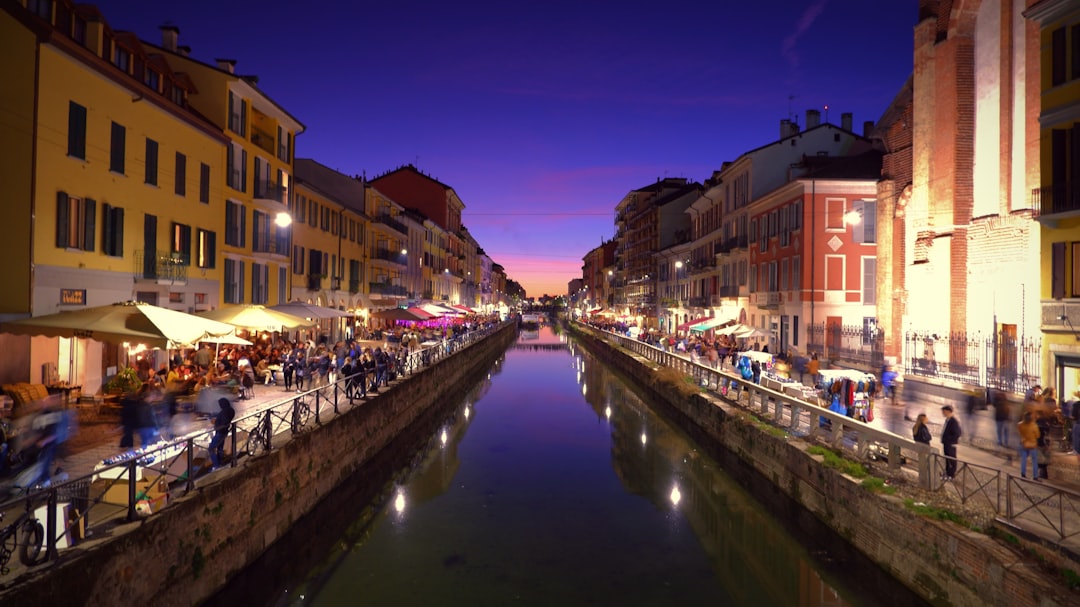


Before You Travel to Italy
Five things every smart traveler sorts before booking.
- 1
Passport valid 6+ months from entry date
Most countries refuse entry on passports expiring within six months. Renew now if you're close.
- 2
Visa requirements for Italy
Some are visa-free, some require an e-visa filed days ahead, some need an embassy appointment.
- 3
Travel insurance booked
A hospital visit in Italy can run $4,000-15,000 without cover. Credit card insurance usually excludes alcohol-related incidents.
- 4
eSIM data plan ready before landing
Airport SIM kiosks need your passport and overcharge tourists. Install an eSIM in 60 seconds, online before you fly.
- 5
Accommodation reserved in the right district
The wrong neighborhood means a 45-minute taxi every night. Map the venues first, then book.
City Guides in Italy
Milan
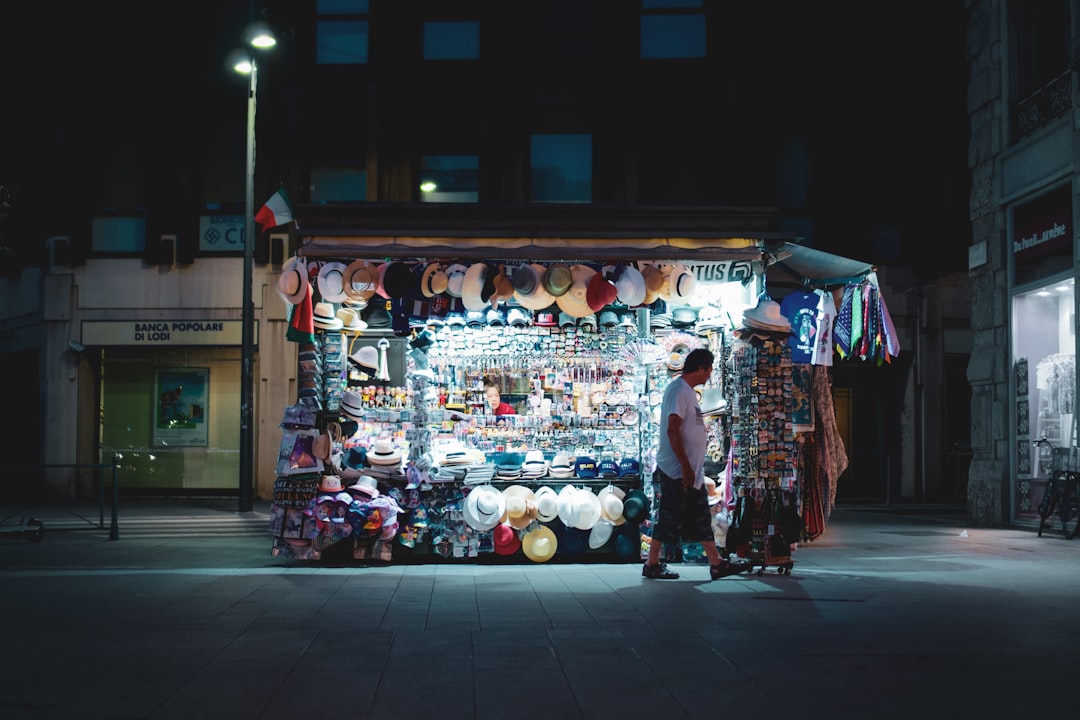
City guide to Milan's nightlife scene. Navigli's canal bars, Corso Como's fashion clubs, and practical tips for Italy's style capital.
Rome
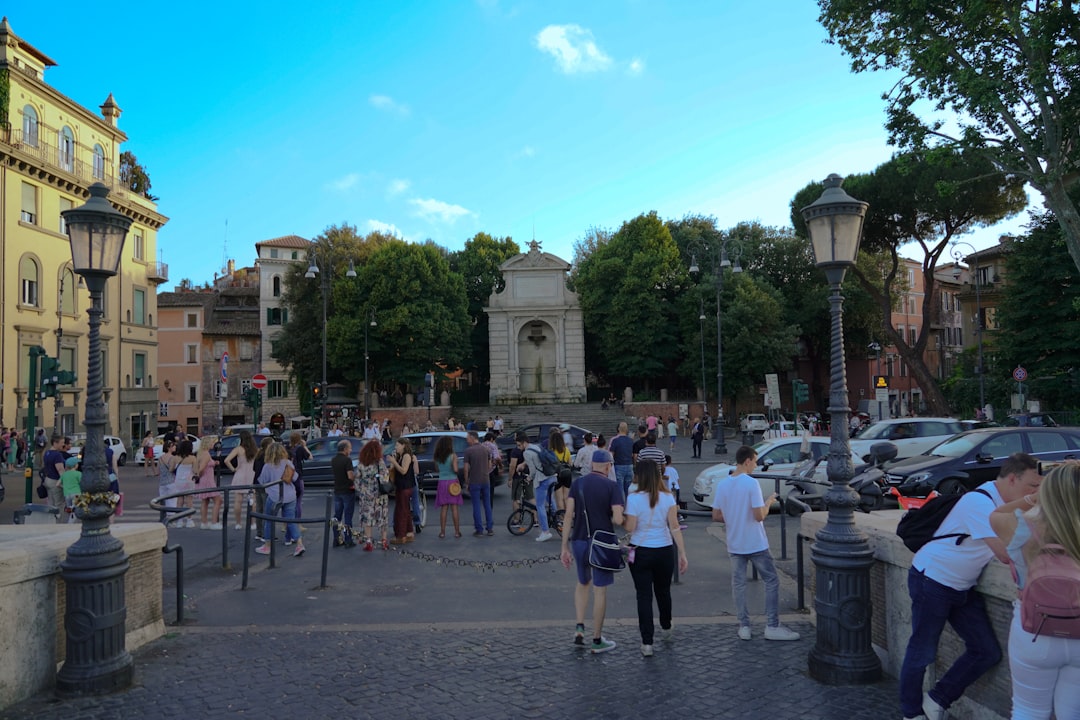
City guide to nightlife in Rome, from Testaccio's club district to Via Veneto's upscale lounges. Safety tips, costs, and local cultural norms.
Compare hotels in Italy
Hotels, hostels, and short-term rentals across the country's main nightlife cities.
Legal Framework
Italy's approach to adult entertainment sits in a specific regulatory space. The Merlin Law of 1958 closed all state-regulated brothels and made organized prostitution illegal. Individual sex work, however, remains legal. A person can independently offer services, but third-party involvement (pimping, brothel-keeping, advertising) is a criminal offense.
Our field team visited Italy most recently in March 2026.
This creates a paradox that defines the Italian scene. The act itself isn't criminal, but almost every form of organized facilitation around it is. Nightlife venues operate as bars, clubs, and lounges. What happens between consenting adults outside those venues falls into a gray area that Italian authorities have navigated for decades.
Strip clubs operate legally under entertainment licensing. Lap dances and private shows are regulated at the municipal level, with rules varying between Rome, Milan, Naples, and smaller cities.
Enforcement Reality
Police enforcement focuses on trafficking, exploitation, and public order rather than individual transactions. The Carabinieri and Polizia di Stato conduct periodic operations targeting organized networks, particularly those involving migrant women from Eastern Europe and West Africa.
Street-based sex work is visible in certain areas of major cities, particularly along arterial roads outside city centers. Municipal ordinances in some cities have introduced fines for clients caught soliciting in designated "no-go" zones, though enforcement is inconsistent. Milan introduced client fines in 2014, and Rome has periodically attempted similar measures.
Indoor venues face scrutiny if they appear to support organized sex work. Authorities distinguish between a bar where people happen to meet and an establishment that systematically arranges encounters. That line gets blurry.
Cultural Context
Italians have a complex relationship with adult entertainment. Catholic cultural influence creates public conservatism, while private behavior follows different rules entirely. Don't expect open conversation about the topic. Discretion is the operating principle, and locals appreciate the same from visitors.
The concept of "bella figura" (making a good impression) extends to nightlife behavior. Loud, obvious, or crass conduct draws negative attention. Italians socialize through long dinners, aperitivo culture, and gradual relationship-building rather than transactional approaches.
Venue Types
Nightclubs and discos form the backbone of Italian nightlife. Large venues outside city centers (particularly around Rome's EUR district and Milan's outskirts) host thousands of people on weekends. Cover charges run EUR 15-30, often including one drink.
Aperitivo bars are where most social interaction begins. The aperitivo tradition (drinks with complimentary food, typically 18:00-21:00) provides a relaxed setting where conversations start naturally. Expect to pay EUR 8-15 for a cocktail with food included.
Lounges and cocktail bars cater to an upscale crowd. Milan's Brera district and Rome's Trastevere neighborhood concentrate these venues. Cocktails cost EUR 12-18.
Strip clubs operate in major cities under entertainment licenses. Entry fees range from free to EUR 30, with drink minimums common. Private dances cost EUR 20-50.
Costs
Italy sits in the moderate-to-expensive range for European nightlife. Costs vary significantly between Rome, Milan, and smaller cities.
A beer at a bar costs EUR 5-8. Wine by the glass runs EUR 4-10 depending on the venue and region. Cocktails range from EUR 8-15 at standard bars to EUR 15-22 at upscale lounges. Club entry runs EUR 15-30 on weekends, sometimes including a drink voucher.
Dining is central to Italian socializing. A pizza margherita costs EUR 7-12. A full restaurant dinner with wine runs EUR 30-50 per person at mid-range restaurants. Aperitivo (one drink with buffet food) is the best deal at EUR 8-15.
Taxis are expensive. Rome's taxi fare from Fiumicino airport to the city center is a fixed EUR 50. Within the city, metered fares average EUR 10-20 for short trips. Uber operates in Italy but faces regulatory restrictions. Rome's metro costs EUR 1.50 per ride.
Hotels in nightlife areas start at EUR 30-50 for hostels, EUR 80-150 for mid-range, and EUR 200-400+ for upscale properties.
Dating Culture
Italian dating revolves around food, conversation, and unhurried socializing. The dinner date is practically a national institution. Expect multi-hour meals with multiple courses, wine, and genuine conversation. Rushing through dinner signals disinterest, or worse, bad manners.
Italian men are famously forward, which means Italian women are accustomed to attention and generally unimpressed by superficial flattery. Foreign men who stand out tend to do so through genuine conversation rather than pickup tactics. Speaking even basic Italian dramatically improves social reception.
Physical affection is normal in Italian culture. Cheek kisses upon greeting (left, then right) are standard between acquaintances. Public displays of affection are accepted and common. Italians are tactile communicators, and standing close during conversation is normal rather than aggressive.
Family remains central. Introducing someone to family signals serious intent. Many Italians, particularly in the south, live with family well into their 30s due to economic factors and cultural expectations. This is normal and doesn't carry the stigma it might in Northern Europe.
Dating Apps
Tinder dominates the Italian dating app market. Bumble has gained ground in Milan and Rome, particularly among professionals and expats. Hinge has a growing presence in major cities. Meetic, a European platform, maintains popularity among Italians seeking serious relationships.
English-language profiles work in Rome, Milan, and Florence where international populations are large. Smaller cities require Italian. Profile photos matter enormously. Italians are visual, and well-dressed, well-groomed photos perform significantly better than casual snapshots.
Response patterns differ from Northern Europe. Conversations tend to be warmer and more expressive from the start, with emoji use being entirely normal. Ghosting exists but is less common than in the US or UK. Italians generally prefer to let conversations fade naturally rather than disappear abruptly.
Key Cities
Rome has the largest and most diverse nightlife scene. Testaccio is the traditional clubbing district, with large venues clustered in converted warehouses along Via di Monte Testaccio. The Via Veneto area carries its 1960s "La Dolce Vita" reputation and now hosts upscale bars and lounges. Trastevere draws younger crowds with its dense concentration of bars and restaurants.
Milan is Italy's fashion and business capital, and its nightlife reflects that polish. The Navigli canal district is the aperitivo heartland, with dozens of bars lining the canals. Corso Como and the Porta Nuova area concentrate high-end clubs and lounges popular with fashion industry crowds and international visitors.
Naples has a raw, authentic nightlife scene centered around the Spanish Quarter and waterfront areas. Prices are lower than Rome or Milan, and the atmosphere is less polished but more genuinely local.
Florence offers a compact nightlife centered on Santa Croce and Santo Spirito, driven largely by its enormous international student and tourist population.
Safety Considerations
Italy is generally safe for nightlife, with violent crime against tourists being rare. The primary risks are petty theft and scams.
- Pickpockets operate aggressively around major tourist sites and on public transport, especially Rome's Metro and around Termini station
- Keep valuables in front pockets or money belts in crowded nightlife areas
- Avoid unlicensed taxis, particularly at airports and train stations. Use only cars with official taxi markings and meters
- Women should exercise standard precautions with drinks in clubs; spiking incidents have been reported
- Southern Italian cities (Naples in particular) require more street awareness than the north
- Emergency number 112 connects to all services (police, fire, ambulance)
Common Scams
The "friendship bracelet" scam involves someone tying a string bracelet on your wrist and demanding payment. This is common near the Colosseum and Spanish Steps in Rome. Pull your hand away firmly and walk on.
Bar scams targeting tourists involve venues near train stations where attractive hosts invite men inside for drinks. Bills arrive at EUR 200-500 for a few drinks. If a stranger invites you into an unfamiliar bar, decline.
Taxi overcharging remains common. Insist on the meter or agree on a price before getting in. Rome has fixed fares from airports that drivers sometimes "forget" to apply.
Fake police scams involve people posing as plainclothes officers asking to inspect your wallet for "counterfeit bills." Real Italian police will never ask to see your cash on the street.
What Not to Do
- Don't be loud or aggressive in nightlife venues. Italians prize composed behavior
- Don't skip the aperitivo ritual if you're trying to meet people. It's the single best social entry point
- Don't assume that friendliness from bar or restaurant staff is romantic interest. Italians are warm by default
- Don't wear shorts, sandals, or athletic wear to upscale venues. Dress codes are enforced and taken seriously
- Don't order cappuccino after dinner. It marks you as a tourist instantly
- Don't attempt to negotiate prices in legitimate bars or restaurants. This isn't a market
- Don't ignore the "coperto" (cover charge) on restaurant bills. It's standard, not a scam
Sources
- U.S. Department of State: Italy Travel Advisory - Entry requirements, safety alerts, and local law summary
- UK Foreign, Commonwealth & Development Office: Italy Travel Advice - Safety, health, and legal information for travelers
- Australian Government Smartraveller: Italy - Travel advisory and practical information
Get the Legal Status PDF, 50 countries
Newsletter signup coming soon. Check back shortly.
Emergency Information: Italy
- Emergency:
- 112
- Embassy Note:
- Most embassies are located in Rome. Consulates operate in Milan, Florence, and Naples.
Similar Countries to Explore
Albania
Albania's nightlife is small but growing fast, centered on Tirana's Blloku district where the former communist elite's residential quarter has become a strip of cocktail bars and clubs. Extremely cheap and largely undiscovered by mass tourism.
Bosnia and Herzegovina
Sarajevo's Ottoman-era old town hides a growing bar scene where craft cocktails cost less than a coffee in Vienna. Low prices, warm hospitality, and a post-war cultural renaissance make Bosnia a Balkan sleeper.
Croatia
Zagreb and Split offer a growing nightlife scene with Mediterranean beauty, Adriatic coastline bars, and an unregulated but tolerated adult entertainment industry.
Greece
Athens, Mykonos, and Crete offer Mediterranean nightlife with beautiful women. The escort scene is smaller than Western Europe but growing, with summer island parties as a bonus.
Similar Countries in Other Regions
Countries with a similar overall score to Italy (3.6) but in different parts of the world.
Uruguay
3.6South America
South America's most progressive country for regulated adult entertainment. Legal framework, moderate costs, and a safe environment make Montevideo a standout destination.
Myanmar
3.6Southeast Asia
Yangon's beer stations and hotel bars make up a small, quiet nightlife scene under military rule. Political instability, curfews, and internet blackouts define the reality for visitors since the 2021 coup.
Peru
3.6South America
Lima and Cusco offer affordable nightlife with Andean charm. The scene is smaller than neighbors Brazil or Colombia, but prices are low and the culture is welcoming.
Was this guide helpful?