
Before You Travel to Bosnia and Herzegovina
Five things every smart traveler sorts before booking.
- 1
Passport valid 6+ months from entry date
Most countries refuse entry on passports expiring within six months. Renew now if you're close.
- 2
Visa requirements for Bosnia and Herzegovina
Some are visa-free, some require an e-visa filed days ahead, some need an embassy appointment.
- 3
Travel insurance booked
A hospital visit in Bosnia and Herzegovina can run $4,000-15,000 without cover. Credit card insurance usually excludes alcohol-related incidents.
- 4
eSIM data plan ready before landing
Airport SIM kiosks need your passport and overcharge tourists. Install an eSIM in 60 seconds, online before you fly.
- 5
Accommodation reserved in the right district
The wrong neighborhood means a 45-minute taxi every night. Map the venues first, then book.
City Guides in Bosnia and Herzegovina
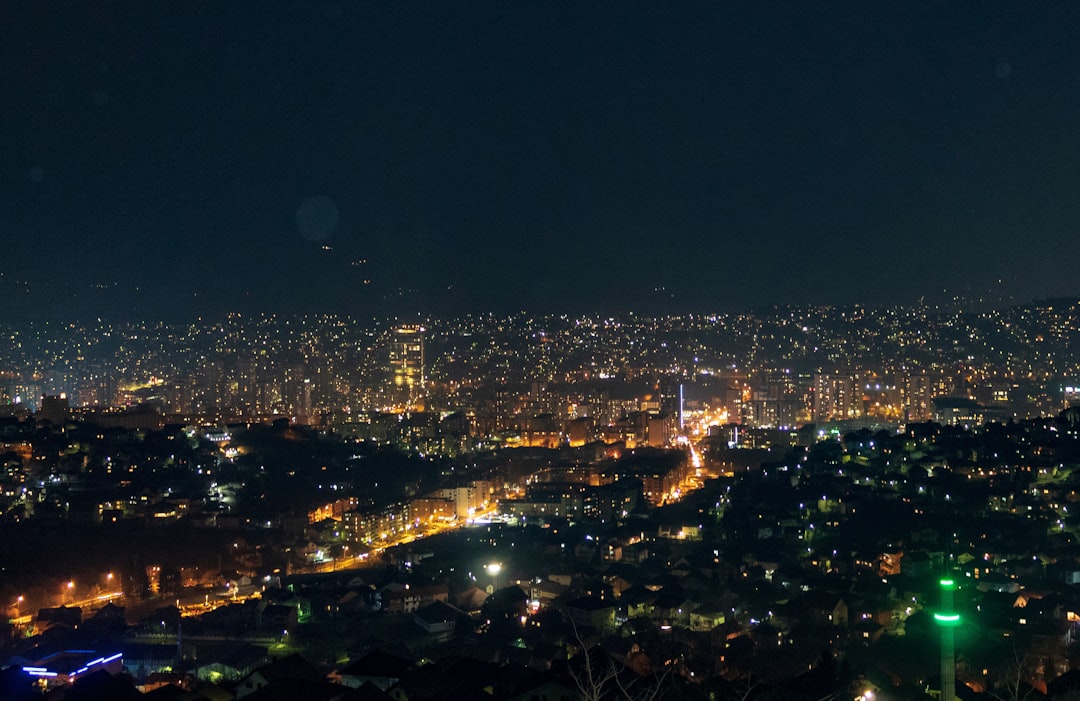
Compare hotels in Bosnia and Herzegovina
Hotels, hostels, and short-term rentals across the country's main nightlife cities.
Legal Framework
Bosnia and Herzegovina's legal system reflects the country's complex political structure. The Federation of Bosnia and Herzegovina and Republika Srpska each maintain separate criminal codes, though both treat prostitution similarly. Selling and buying sex are illegal under public order provisions, with fines ranging from 200 to 1,500 BAM. Organizing or profiting from prostitution carries prison sentences of one to ten years under both entities' criminal codes.
Information verified through local contacts as of March 2026.
Human trafficking is prosecuted under federal law with penalties reaching 15 years. Bosnia signed the Council of Europe Convention on Action against Trafficking in 2006 and has been on the U.S. State Department's Tier 2 Watch List in recent years, which has driven increased attention to trafficking networks operating along Balkan transit routes.
Enforcement Reality
Police in Sarajevo and other cities rarely pursue individual sex work cases. Resources go toward trafficking investigations and organized crime. The gray zone operates openly through online platforms, private apartments, and establishments marketing themselves as massage studios or escort agencies.
Periodic enforcement actions happen around election cycles or after media reports, but they don't last. Local police know where the industry operates and generally leave it alone unless public complaints force action. Foreign visitors are extremely unlikely to encounter law enforcement issues related to nightlife or adult entertainment, provided they avoid anything connected to organized operations.
Cultural Context
Bosnian society carries the weight of the 1992-1995 war, and that history shapes everything from social interactions to the nightlife scene. Sarajevo rebuilt itself into a city that values life intensely. The cafe culture runs deep. Sitting for hours over a Bosnian coffee in a copper dzezva isn't laziness; it's a social institution.
Religious diversity is part of daily life here. Mosques, churches, and synagogues stand within a few hundred meters of each other in central Sarajevo. That coexistence creates a social atmosphere more relaxed than you might expect. Alcohol is widely available and consumed openly despite the Muslim-majority population. Bars and clubs operate without the social friction you'd find in more conservative Muslim countries.
Gender dynamics blend Balkan traditionalism with the independence that wartime necessity forced on Bosnian women. Women in Sarajevo are educated, direct, and socially confident. Outside the capital, particularly in rural areas, traditional gender roles hold more weight.
Dating Culture
Dating in Bosnia follows Balkan patterns with some local variations. Men initiate and pay, particularly on first meetings. Coffee is the default first date, and Bosnians take their coffee ritual seriously. A Bosnian coffee (similar to Turkish coffee) comes with a sugar cube and lokum, and rushing through it signals disinterest.
Tinder and Badoo both have active user bases in Sarajevo, though numbers drop sharply in smaller cities. Bosnian women on apps tend to be cautious at first but warm up quickly once trust is established. Direct communication works better than extended online chatting. Suggest a specific cafe and time rather than open-ended "we should meet sometime" messages.
Bosnians are proud of their country's survival and cultural richness. Showing genuine interest in the history, trying local food, and learning basic phrases like "hvala" (thank you) or "dobar dan" (good day) makes a real impression. The warmth of Bosnian hospitality is legendary across the Balkans, and once you're accepted into a social circle, the generosity can be overwhelming.
Sources
- U.S. Department of State: Bosnia and Herzegovina Travel Advisory - Entry requirements, safety alerts, and local law summary
- UK Foreign, Commonwealth & Development Office: Bosnia and Herzegovina Travel Advice - Safety, health, and legal information for travelers
- Australian Government Smartraveller: Bosnia and Herzegovina - Travel advisory and practical information
Get the Legal Status PDF, 50 countries
Newsletter signup coming soon. Check back shortly.
Emergency Information: Bosnia and Herzegovina
- Emergency:
- 112
- Embassy Note:
- Most foreign embassies are located in Sarajevo's city center, primarily along Zmaja od Bosne street and in the Marijin Dvor area.
More in This Region
Albania
Albania's nightlife is small but growing fast, centered on Tirana's Blloku district where the former communist elite's residential quarter has become a strip of cocktail bars and clubs. Extremely cheap and largely undiscovered by mass tourism.
Croatia
Zagreb and Split offer a growing nightlife scene with Mediterranean beauty, Adriatic coastline bars, and an unregulated but tolerated adult entertainment industry.
Greece
Athens, Mykonos, and Crete offer Mediterranean nightlife with beautiful women. The escort scene is smaller than Western Europe but growing, with summer island parties as a bonus.
Italy
Rome's nightlife districts, Milan's aperitivo scene, and a regulated industry across the peninsula. Legal framework with practical reality for visitors.
Similar Countries in Other Regions
Countries with a similar overall score to Bosnia and Herzegovina (3.8) but in different parts of the world.
Dominican Republic
3.8Caribbean
Sosua and Santo Domingo attract visitors with affordable prices, direct flights from the US, and a Caribbean atmosphere. One of the most accessible scenes in the Americas.
Laos
3.8Southeast Asia
Vientiane's low-key riverfront bars and Luang Prabang's quiet tourist scene make Laos one of Southeast Asia's least developed nightlife markets. Cheap, conservative, and slow-paced.
Venezuela
3.8South America
Venezuela has world-renowned beauty culture and a nightlife scene that once rivaled any in South America, but the country's ongoing crisis makes it one of the most dangerous destinations on earth for travelers. Safety warnings, legal context, and what you need to know.
Was this guide helpful?