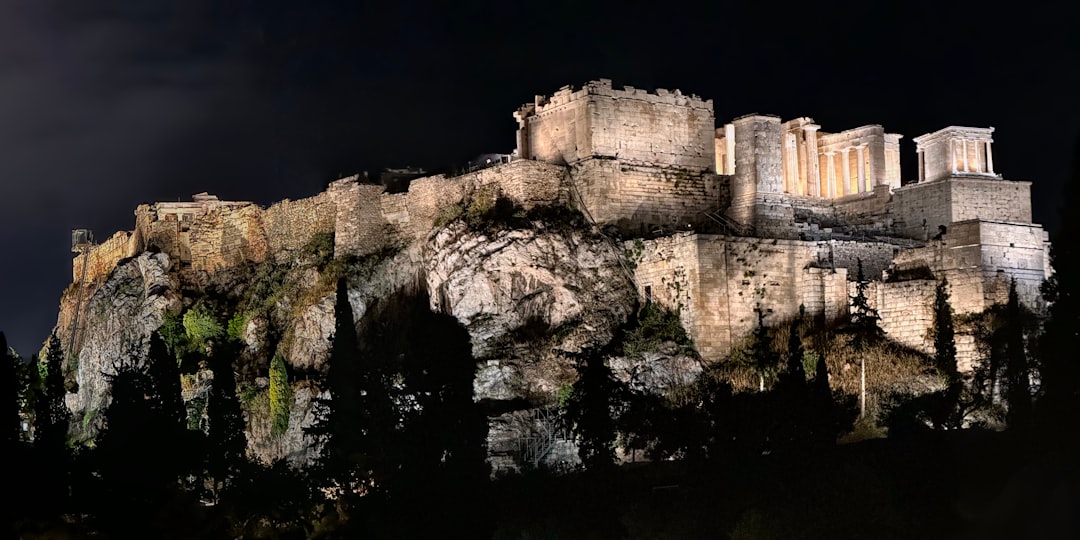

Where the Nightlife Is
Tap a district for venues, prices, and safety info
Gazi
4/5SafeGuide to Gazi, Athens' main nightlife district centered around Technopolis, with nightclubs, rooftop bars, live music venues, and late-night dining.
11 nightlife spots listed
Kolonaki
4/5SafeGuide to Kolonaki, Athens' upscale cocktail and nightlife quarter on the slopes of Lycabettus Hill, with fashion-forward bars, award-winning cocktail venues, and a well-heeled local crowd.
7 nightlife spots listed
Metaxourgeio
2/5RiskyGuide to Metaxourgeio, the area near Omonia Square that forms the center of Athens' adult entertainment zone, with strip clubs, bars, and regulated nightlife.
10 nightlife spots listed
Pireos
3/5ModerateGuide to Pireos Street in Athens, the post-industrial corridor running from Gazi toward the city center, home to warehouse clubs, arts spaces, and late-night venues that serve the city's more underground scene.
6 nightlife spots listed
Psyrri
4/5SafeGuide to Psyrri, Athens' bar-heavy neighborhood between Monastiraki and Omonia, known for live rebetiko music, cocktail bars, and late-night dining.
11 nightlife spots listed
District Map of Athens
Pick a district to recenter the map and see hotels nearby.
Where to stay in Athens
Compare hotels and rentals across the city's nightlife districts.
See places to stay and current pricesOverview
Athens runs late. That's not an exaggeration or a cultural generalization; it's a simple fact that reshapes your schedule from the moment you arrive. Restaurants don't fill up until 10 PM. Bars start getting interesting around midnight. And the clubs that line Iera Odos in Gazi won't see a proper crowd until 2 AM, sometimes later.
Research conducted through direct venue visits and local interviews.
The Greek capital's nightlife spreads across several distinct neighborhoods, each with a different character and crowd. Gazi is the mainstream epicenter, packed with clubs and bars that draw everyone from university students to tourists. Psyrri is scruffier, with smaller bars, live rebetiko music, and an arts crowd. Kolonaki caters to a wealthier, older demographic. And the blocks around Metaxourgeio and Omonia Square form the core of Athens' adult entertainment industry, with strip clubs, massage parlors, and licensed brothels scattered along side streets.
One thing worth understanding: Athens' nightlife geography shifts with the seasons. Summer empties the city. Locals scatter to the islands or coastal towns, and some clubs shut down entirely from June through September, reopening pop-up venues on the coast in places like Glyfada or along the Athens Riviera. Winter is when the city's indoor nightlife scene hits full intensity.
Legal Context
Greece legalized and regulated prostitution under Law 2734/1999. On paper, the system is straightforward. Licensed brothels can operate with municipal permits. Workers must be over 18, register with local authorities, carry a health booklet, and undergo biweekly medical examinations. Brothels can't operate within 200 meters of schools, churches, or public squares.
Reality looks different. The registration system carries heavy social stigma, so the majority of sex workers in Athens operate outside the licensed framework. A 2015 government study estimated that fewer than 1,000 workers held active registrations nationwide, while the actual number working in the industry was many times higher. Police enforcement focuses on trafficking, exploitation of minors, and unlicensed operations near sensitive areas rather than on individual workers or their clients.
Clients face no criminal penalties for purchasing services from adults. Soliciting in public spaces technically violates municipal ordinances, but enforcement is inconsistent and usually limited to periodic police operations around Omonia.
Key Areas
Metaxourgeio and Omonia. The blocks between Metaxourgeio metro station and Omonia Square form the heart of Athens' adult entertainment district. Streets like Ioulianou and Filis host strip clubs, erotic massage parlors, and small brothels behind unmarked doors. The area has a rough edge; drug activity is visible around Omonia Square itself, and the streets feel emptier than other nightlife zones. That said, the licensed establishments along these blocks operate openly, and foot traffic from regular residents and commuters keeps the broader area from feeling isolated. Police patrol regularly, particularly around the square.
Gazi. Named after the old gasworks that became the Technopolis cultural center, Gazi is where mainstream Athens goes to party. Iera Odos and the surrounding streets pack in dozens of clubs, bars, and live music venues. The crowd varies wildly by venue: some spots lean heavily toward international DJs and bottle service, while others host underground electronic music or Greek rock acts. Gazi is well-lit, well-policed, and feels safe even at 4 AM. Expect cover charges of EUR 8-15 at larger clubs on weekends, usually including one drink.
Psyrri. Sitting between Monastiraki and Omonia, Psyrri straddles the line between tourist-accessible and genuinely local. Narrow streets hide small bars, ouzeries, and live music spots playing rebetiko (Greek blues, essentially). The crowd here is more alternative than Gazi, with fewer international tourists and more Athenian regulars. Psyrri is walkable from Monastiraki Square in under five minutes, making it easy to combine with dinner in the Plaka area. Some streets near the northern edge of Psyrri start to feel rougher as you approach Omonia territory.
Kolonaki. Athens' upscale neighborhood sits on the slopes of Lycabettus Hill. The nightlife here revolves around cocktail bars, wine bars, and members-only clubs. Prices are 30-50% higher than Gazi or Psyrri. Skoufa Street and Tsakalof Street are the main evening corridors. No adult entertainment presence here, but Kolonaki is where you'll find Athens' most polished social scene and the city's fashion-conscious crowd.
Safety
Athens is not dangerous for tourists, but it requires more street awareness than most Western European capitals. Property crime is the primary risk, and certain areas demand extra caution after dark.
- Omonia Square and the surrounding blocks have visible drug use, homelessness, and occasional aggressive panhandling. Avoid lingering in the square itself late at night. The commercial streets radiating outward from Omonia are generally fine
- Pickpocketing is common on the metro (especially Line 1 between Piraeus and Monastiraki), around the Acropolis, and in Monastiraki flea market. Use front pockets and zippered bags
- Syntagma Square and Plaka are safe at all hours due to heavy tourist foot traffic and police presence
- Exarcheia, the anarchist neighborhood northeast of Omonia, sees occasional protests and clashes with police. It has good bars and restaurants, but check local news before visiting and avoid it during demonstrations
- Greek hospitals provide emergency care regardless of insurance status. Evangelismos Hospital near Kolonaki is the most central major facility. EU citizens should carry a European Health Insurance Card
Costs and Pricing
Athens is one of Western Europe's cheaper capitals for a night out. The economic crisis that hit Greece in 2010 brought prices down, and they haven't fully recovered.
Drinks. A beer at a bar costs EUR 4-6. Wine by the glass runs EUR 4-7. Cocktails are EUR 7-12 at normal bars and EUR 12-18 at upscale Kolonaki spots. Buying from a periptero (street kiosk) drops beer prices to EUR 1.50-2.50.
Food. A souvlaki wrap costs EUR 3-4 and is Athens' default late-night fuel. Taverna meals run EUR 10-18 per person for a full plate with salad and bread. Upscale restaurants in Kolonaki or around the Acropolis Museum charge EUR 25-45 per person.
Transport. A single metro/bus ticket costs EUR 1.20 (90 minutes of travel). A 5-day tourist pass costs EUR 8.20. Taxis start at EUR 1.29 plus EUR 0.74 per kilometer (EUR 1.29/km between midnight and 5 AM). Uber operates in Athens alongside the local app Beat, which many drivers prefer.
Accommodation. Hostel dorms start at EUR 15-25. Budget hotels in Monastiraki or Psyrri cost EUR 40-65. Mid-range hotels run EUR 70-120. Boutique options near the Acropolis start at EUR 120-200. Summer prices (July-August) are lower than spring and fall, since fewer tourists choose Athens over the islands.
Adult entertainment. Strip club entry typically costs EUR 10-20 including a drink. Drinks inside run EUR 10-25, and "lady drinks" are EUR 15-30. Licensed brothel services range from EUR 30-80 for standard sessions. Independent workers operating through online platforms charge EUR 80-200 per hour depending on location and services. Escort agencies quote EUR 150-350 per hour.
Social Scene
Athenians are direct, opinionated, and social by default. Coffee culture matters here more than almost anywhere in Europe. Sitting in a kafeneio (traditional coffee house) or a modern third-wave cafe for two hours over a single freddo espresso is completely normal and accepted. These spots function as informal social hubs where conversations start easily.
For evening socializing, the rooftop bar scene is exceptional. Bars with Acropolis views cluster around Monastiraki and Thiseio, and while they charge a premium (EUR 10-15 for cocktails), the setting is worth it at least once. A Place Near the Acropolis and 360 Cocktail Bar are two of the better-known options.
Dating apps work well in Athens. Tinder has the largest user base, followed by Bumble. Greek profiles tend toward direct communication, and plans move quickly from app to meeting. Greeks often suggest specific cafes or bars rather than vague plans. If someone proposes a coffee meetup at a particular corner in Pagkrati, they're serious about showing up.
The Erasmus and expat scene is active but smaller than in cities like Barcelona or Berlin. Meetup groups, language exchange nights at bars in Psyrri, and cultural events at the Onassis Stegi center offer entry points.
Scam Warnings
Syntagma Square bar scam. Friendly locals (usually men) approach solo male tourists near Syntagma or Plaka and suggest going for a drink at a "great bar" they know. The bar charges EUR 50-100 per drink, and bouncers prevent you from leaving until you pay a bill of EUR 300-800. This is one of Athens' most persistent tourist scams. Never accept bar recommendations from strangers who approach you on the street.
Overcharging at tourist restaurants. Some restaurants in Plaka and around Monastiraki Square add unauthorized charges to the bill or bring unrequested bread baskets and appetizers (the "couvert") at EUR 2-5 per person. Always check prices on the menu before ordering and review the bill before paying.
Fake ticket sellers. Around major archaeological sites, unofficial sellers offer "skip the line" tickets at inflated prices. Buy tickets only from official kiosks or the Hellenic Ministry of Culture website.
Taxi meter tricks. Some taxi drivers at the airport or port switch the meter to the nighttime rate (Tarifa 2) during daytime hours. Confirm the rate before departing. The standard airport-to-center fare should be approximately EUR 40 on Tarifa 1.
Best Times
Athens' nightlife follows patterns shaped by climate, academic calendars, and Greek vacation habits.
- October through December brings the city back to life after the summer exodus. University students return, new club seasons launch, and the weather cools to comfortable walking temperatures
- January through March is peak indoor nightlife season. Clubs and bars are full, and prices drop slightly at hotels
- April and May are ideal for visitors. Warm evenings, outdoor dining, and a city that hasn't yet emptied for summer
- June through August is paradoxically Athens' slowest period. Locals leave for the islands, and several major clubs close or relocate to coastal venues in Glyfada, Vouliagmeni, or along the Athens Riviera
- Greek Easter (dates vary) is a major holiday. The city empties in the days before Easter Sunday, but the Saturday midnight church services and firework displays are a genuine spectacle
- Weekend nights peak between 1 AM and 4 AM. Thursday is a full going-out night for Athenians
Getting Around
- Metro: Three lines cover the central areas well. Line 1 (green) connects Piraeus to Kifissia through Monastiraki and Omonia. Line 2 (red) runs through Syntagma and the Acropolis. Line 3 (blue) connects the airport to Syntagma. Operates 5:30 AM to midnight (until 2 AM on Fridays and Saturdays)
- Taxis: Yellow cabs are everywhere. Meter-based pricing with Tarifa 1 (daytime) and Tarifa 2 (midnight to 5 AM, double rate). Hailing on the street works, though drivers sometimes refuse short trips
- Beat app: Greece's dominant ride-hailing app, similar to Uber. More reliable than street hailing and provides fare estimates. Uber also operates but with a smaller fleet
- Buses and trolleys: Extensive network but confusing for visitors. Useful mainly for reaching coastal suburbs like Glyfada (bus routes along the coast from Syntagma)
- Walking: The historic center (Plaka, Monastiraki, Syntagma, Psyrri, Thiseio) is compact and walkable. Gazi is a 10-minute walk from Monastiraki. Kolonaki is a 15-minute walk uphill from Syntagma. Athens' sidewalks are famously uneven, so watch your step, especially after a few drinks
- Airport connection: Metro Line 3 runs to the airport in about 40 minutes (EUR 9 one-way). Taxis cost EUR 40 daytime, EUR 55 nighttime (fixed fares posted at the taxi stand)
What Not to Do
- Do not follow strangers to bars they recommend near Syntagma or Plaka. This is the single most common tourist scam in Athens
- Do not leave drinks unattended in clubs, particularly in Gazi where crowding makes it easy for someone to tamper with an open glass
- Do not wander the blocks immediately around Omonia Square alone after 1 AM unless you know the area well
- Do not assume that all establishments near Metaxourgeio are licensed and regulated. Ask direct questions and trust your instincts if something feels off
- Do not eat at restaurants that employ touts standing outside waving menus at passersby. The food is almost always mediocre and overpriced
- Do not photograph workers in the adult entertainment areas. This causes real problems, both for you and for them
- Do not skip the islands just because Athens kept you busy. But that's travel advice, not safety advice
Get the Legal Status PDF, 50 countries
Newsletter signup coming soon. Check back shortly.
Flights to Athens
Compare prices across airlines. Filter by stops, time, and cabin.
Airport transfer to Athens
Pre-booked transfers cost about the same as a metered taxi but cut out the airport queue, the meter argument, and the "no English" routine that takes some drivers to the wrong address. Fixed price quoted before booking, driver tracks your flight, waits with a name sign at arrivals.
Book a KiwiTaxi transferFrequently Asked Questions
Related Guides
Gazi
Guide to Gazi, Athens' main nightlife district centered around Technopolis, with nightclubs, rooftop bars, live music venues, and late-night dining.
Read guideKolonaki
Guide to Kolonaki, Athens' upscale cocktail and nightlife quarter on the slopes of Lycabettus Hill, with fashion-forward bars, award-winning cocktail venues, and a well-heeled local crowd.
Read guideMetaxourgeio
Guide to Metaxourgeio, the area near Omonia Square that forms the center of Athens' adult entertainment zone, with strip clubs, bars, and regulated nightlife.
Read guidePireos
Guide to Pireos Street in Athens, the post-industrial corridor running from Gazi toward the city center, home to warehouse clubs, arts spaces, and late-night venues that serve the city's more underground scene.
Read guidePsyrri
Guide to Psyrri, Athens' bar-heavy neighborhood between Monastiraki and Omonia, known for live rebetiko music, cocktail bars, and late-night dining.
Read guideWas this guide helpful?