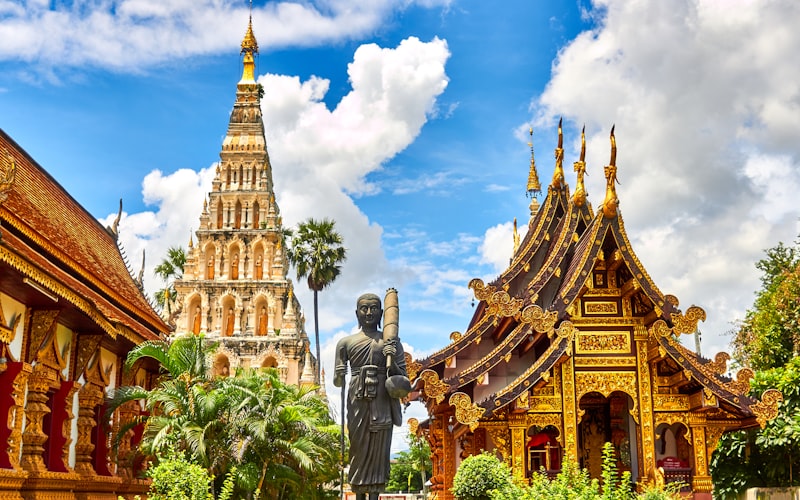


Before You Travel to Thailand
Five things every smart traveler sorts before booking.
- 1
Passport valid 6+ months from entry date
Most countries refuse entry on passports expiring within six months. Renew now if you're close.
- 2
Visa requirements for Thailand
Some are visa-free, some require an e-visa filed days ahead, some need an embassy appointment.
- 3
Travel insurance booked
A hospital visit in Thailand can run $4,000-15,000 without cover. Credit card insurance usually excludes alcohol-related incidents.
- 4
eSIM data plan ready before landing
Airport SIM kiosks need your passport and overcharge tourists. Install an eSIM in 60 seconds, online before you fly.
- 5
Accommodation reserved in the right district
The wrong neighborhood means a 45-minute taxi every night. Map the venues first, then book.
City Guides in Thailand
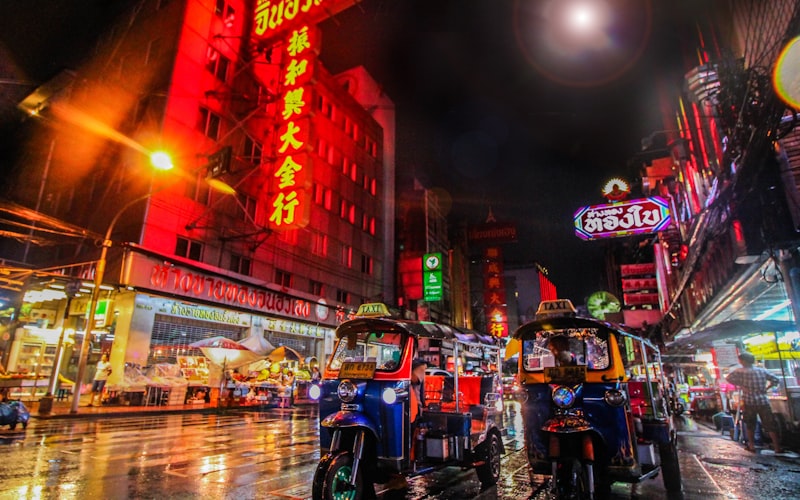
Bangkok
City guide to adult nightlife in Bangkok, covering entertainment zones, safety, scam awareness, and cultural context.
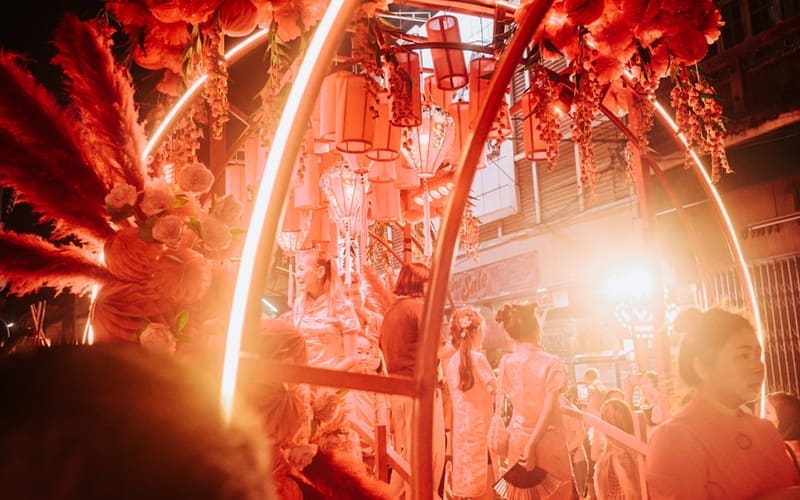
Chiang Mai
City guide to adult nightlife in Chiang Mai, covering Loi Kroh Road, Nimman, the Old City, safety, scam awareness, and cultural context.
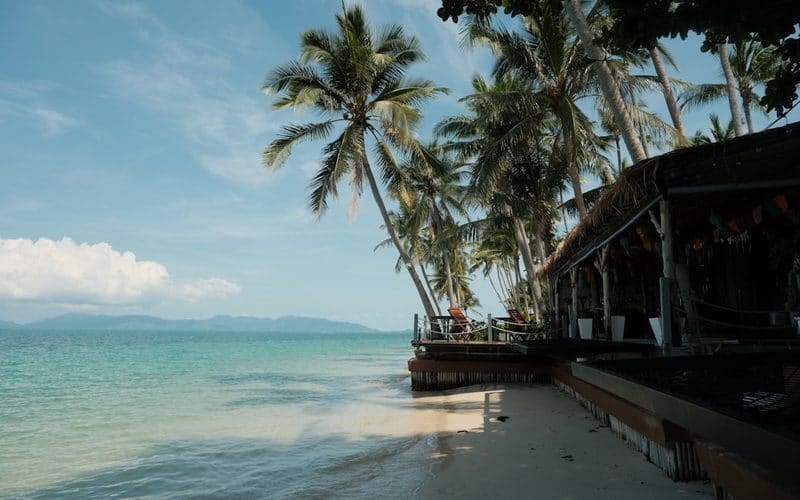
Koh Samui
City guide to adult nightlife in Koh Samui, covering Chaweng, Lamai, safety warnings, scam awareness, and cultural context.
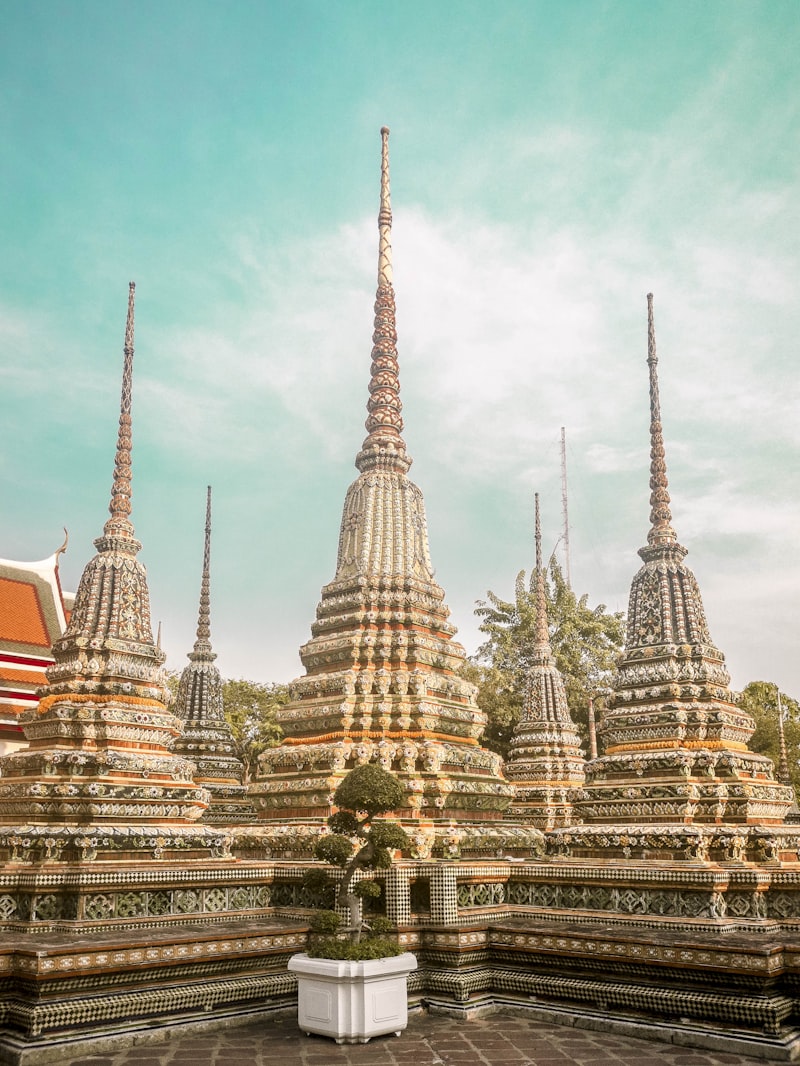
Pattaya
City guide to adult nightlife in Pattaya, covering entertainment areas, safety tips, scam awareness, and cultural context.
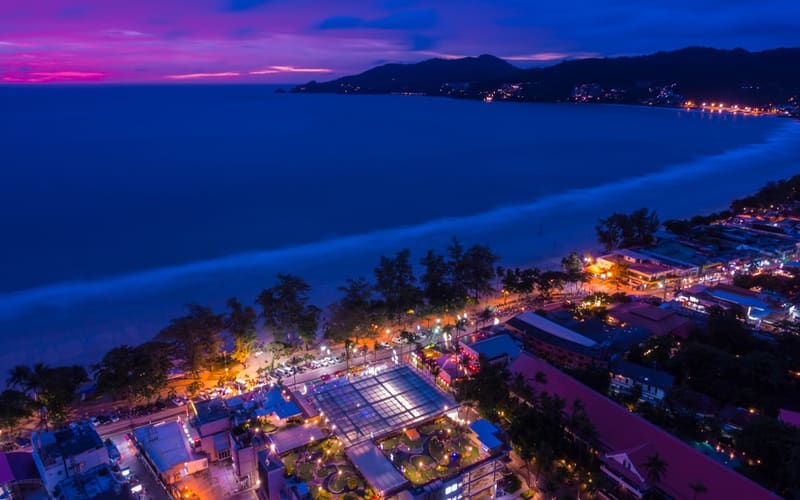
Phuket
City guide to adult nightlife in Phuket, covering Patong's Bangla Road, Kata, Karon, safety, scam awareness, and cultural context.
Compare hotels in Thailand
Hotels, hostels, and short-term rentals across the country's main nightlife cities.
Legal Framework
Prostitution is technically illegal in Thailand under the Prevention and Suppression of Prostitution Act B.E. 2539 (1996). The law criminalizes the operation of prostitution establishments and prohibits solicitation. Penalties can include fines and imprisonment.
Based on on-the-ground reporting from February 2026.
However, the law as written is narrow in scope, and a vast entertainment industry operates in a legal gray area. Establishments are typically licensed as bars, massage parlors, karaoke lounges, or entertainment venues. These businesses operate legally as entertainment businesses while implicitly facilitating adult services.
Enforcement Reality
Enforcement is sporadic and inconsistent. Major tourist-oriented entertainment districts in Bangkok, Pattaya, and Phuket operate openly with minimal police interference. Periodic crackdowns occur, usually driven by political pressure or media attention, but rarely result in lasting changes.
Police attention tends to focus on venues that create public nuisance complaints, involve minors, or fail to pay expected informal fees. The tourist police (dial 1155) are a dedicated force that assists foreign visitors and can be helpful for dispute resolution.
Entertainment venues must close by legally mandated hours, which vary by zone but are typically 1:00 AM or 2:00 AM. After-hours violations are one of the more commonly enforced regulations.
Cultural Context
Thailand's approach to adult entertainment is rooted in a complex interplay of Buddhist tolerance, economic pragmatism, and face-saving culture. The industry is widely acknowledged but rarely discussed openly in polite society. The concept of "face" (maintaining social dignity) means that discretion is valued above all.
Thailand's nightlife industry was significantly shaped by the Vietnam War era (1960s to 1970s), when American military rest and recreation programs catalyzed the growth of entertainment districts. The industry has since evolved well beyond its historical origins.
Dating Culture
Thai dating norms differ significantly from Western conventions. Men are generally expected to pay for meals, drinks, and entertainment. Splitting the bill on a date is uncommon and can be interpreted as a lack of interest. Relationships tend to move at a slower pace regarding emotional commitment, though physical intimacy may happen earlier than some visitors expect.
Family plays a central role. Meeting a partner's parents is a serious step, and family approval can make or break a relationship. The tradition of "sin sod" (a bride price paid to the woman's family at marriage) remains practiced across most social classes, though amounts are negotiable and sometimes symbolic in modern urban families. Expect family involvement well before any talk of long-term commitment.
Public displays of affection are kept minimal. Hand-holding is acceptable, but kissing or embracing in public draws disapproval. Age gaps in relationships are more common and less stigmatized than in Western countries, particularly between foreign men and Thai women.
Thai attitudes toward foreign men are mixed. Some locals view relationships with foreigners positively, seeing them as financially stable and culturally interesting. Others are suspicious of motives, especially in areas associated with the entertainment industry. Context matters: how you met and how you behave will shape how people perceive the relationship.
Common mistakes to avoid:
- Assuming that paying for everything entitles you to anything beyond a pleasant evening
- Ignoring or dismissing the family's role in your partner's decisions
- Showing excessive affection in public, especially near temples or in rural areas
- Confusing politeness and warmth with romantic interest; Thai social culture is simply more friendly and attentive than many Westerners are used to
- Moving too fast with talk of commitment while underestimating the practical and cultural steps involved
Dating Apps
Tinder is the most widely used dating app in Thailand, popular with both locals and tourists. Bumble is growing, particularly among educated urban Thais. ThaiFriendly caters specifically to foreigners seeking Thai partners and has a large user base, though the quality of interactions varies. Badoo has a smaller presence but still sees activity in major cities.
Language can be a barrier. Many profiles outside Bangkok are written entirely in Thai, and not all users speak conversational English. Google Translate helps, but miscommunication is common. Patience and simple language go a long way.
Scams on dating apps are widespread. Fake profiles will push you to move the conversation to LINE or WhatsApp, then eventually request money transfers. Some profiles belong to bar workers using the apps to recruit customers rather than find dates. Ladyboy (trans women) profiles are common on all platforms; most are upfront about this, but some are not. Approach with honest communication on both sides.
Tinder Gold's "Passport" feature is useful if you want to start conversations before arriving in Thailand. The premium subscription costs roughly 500-600 THB per month and lets you match with users in any city worldwide.
Key Cities
Bangkok is the largest market, with multiple entertainment zones including Nana Plaza, Soi Cowboy, and Patpong. Each has a distinct character and clientele.
Pattaya is a coastal city southeast of Bangkok that has grown into one of the largest entertainment destinations in Southeast Asia.
Phuket combines beach tourism with a nightlife scene centered on the Patong area.
Chiang Mai has a smaller, more understated scene compared to Bangkok and Pattaya.
Safety Considerations
Thailand is generally safe for travelers, but nightlife districts require heightened awareness:
- Drink spiking occurs, so watch your beverages at all times
- Use only metered taxis, Grab, or Bolt for transportation at night
- Keep photocopies of your passport separate from the original
- Be aware of your alcohol consumption. Dehydration in tropical heat amplifies effects
- Hospital care is excellent in Bangkok and tourist areas but can be expensive without insurance
- Thai police interactions can be complex, so remain calm and polite in all circumstances
Common Scams
Gem scams: Tuk-tuk drivers offering free tours that end at jewelry stores selling overpriced gems. This is one of Bangkok's oldest and most persistent tourist scams.
Bar fines and hidden charges: Some venues add undisclosed charges to bills. Always confirm prices before ordering.
Tuk-tuk overcharging: Agree on a fare before departing, or use ride-hailing apps.
Lady drink pressure: In some bars, workers will encourage guests to buy them drinks at inflated prices. This is standard in go-go bars but should be expected and budgeted for.
What Not to Do
- Do not disrespect the Thai monarchy. Lese-majeste laws carry severe penalties
- Do not raise your voice or display anger. This causes loss of face and escalates situations
- Do not assume that all entertainment venues operate identically
- Do not carry or use illegal drugs. Penalties are extremely severe, including long prison sentences
- Do not engage with anyone who appears to be underage. Report concerns to the tourist police at 1155
Sources
- U.S. Department of State: Thailand Travel Advisory - Entry requirements, safety alerts, and local law summary
- UK Foreign, Commonwealth & Development Office: Thailand Travel Advice - Safety, health, and legal information for travelers
- Australian Government Smartraveller: Thailand - Travel advisory and practical information
Get the Legal Status PDF, 50 countries
Newsletter signup coming soon. Check back shortly.
Thailand Map
Emergency Information: Thailand
- Emergency:
- 191
- Tourist Police:
- 1155
- Embassy Note:
- Most embassies are in Bangkok. Consulates in Chiang Mai and Phuket serve some countries.
Also Worth Considering
Brunei
A guide to nightlife in Brunei, one of the world's strictest countries for alcohol and entertainment. Sharia law governs daily life, and the nightlife scene is limited to cafes, food courts, and night markets.
Cambodia
Phnom Penh's street 136 and Siem Reap's pub street offer a raw, unfiltered scene. Extremely cheap, minimal regulation, and a frontier feel that other countries have lost.
Indonesia
Bali's Kuta strip, Jakarta's Blok M, and Batam's short-hop scene from Singapore. Officially illegal but widely tolerated, with prices among the lowest in Southeast Asia.
Laos
Vientiane's low-key riverfront bars and Luang Prabang's quiet tourist scene make Laos one of Southeast Asia's least developed nightlife markets. Cheap, conservative, and slow-paced.
Similar Countries in Other Regions
Countries with a similar overall score to Thailand (4.4) but in different parts of the world.
Brazil
4.3South America
Rio's Copacabana, Sao Paulo's Vila Olimpia, and stunning women across every price range. Legal, unregulated, and deeply woven into the nightlife culture of South America's largest country.
Colombia
4.3South America
Medellin and Cartagena draw visitors with beautiful women, affordable prices, and a scene that ranges from upscale lounges to street-level. Rapidly growing as a top destination.
Armenia
3.9Caucasus
A small Caucasus nation where conservative Christian traditions mix with Yerevan's growing wine bar scene and low-cost nightlife that draws regional visitors from across the former Soviet Union.
Was this guide helpful?