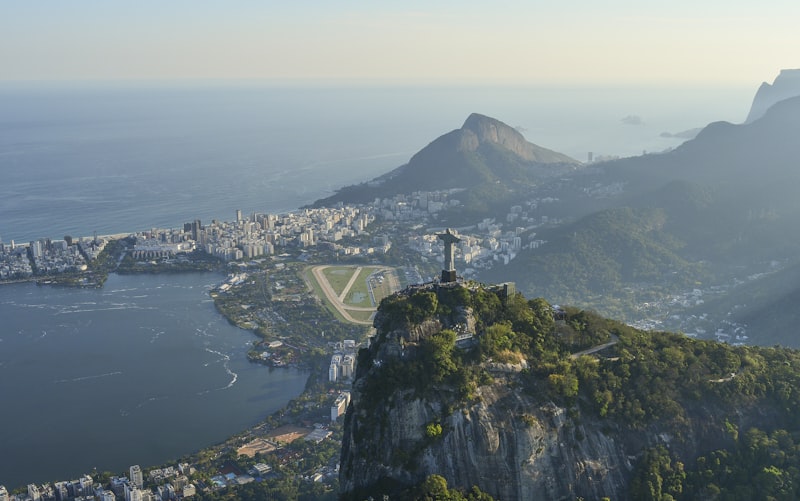


Before You Travel to Brazil
Five things every smart traveler sorts before booking.
- 1
Passport valid 6+ months from entry date
Most countries refuse entry on passports expiring within six months. Renew now if you're close.
- 2
Visa requirements for Brazil
Some are visa-free, some require an e-visa filed days ahead, some need an embassy appointment.
- 3
Travel insurance booked
A hospital visit in Brazil can run $4,000-15,000 without cover. Credit card insurance usually excludes alcohol-related incidents.
- 4
eSIM data plan ready before landing
Airport SIM kiosks need your passport and overcharge tourists. Install an eSIM in 60 seconds, online before you fly.
- 5
Accommodation reserved in the right district
The wrong neighborhood means a 45-minute taxi every night. Map the venues first, then book.
City Guides in Brazil
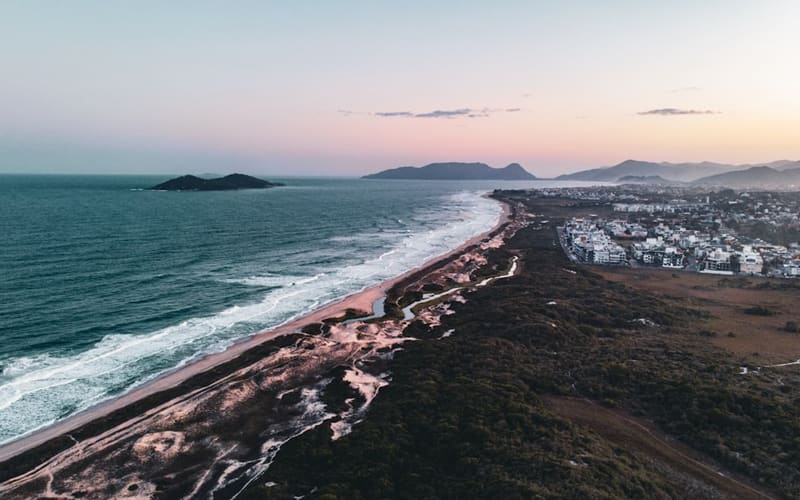
Florianópolis
Guide to Florianópolis nightlife, beach clubs in Jurerê Internacional, Lagoa da Conceição bars, and Centro venues with safety and pricing detail.
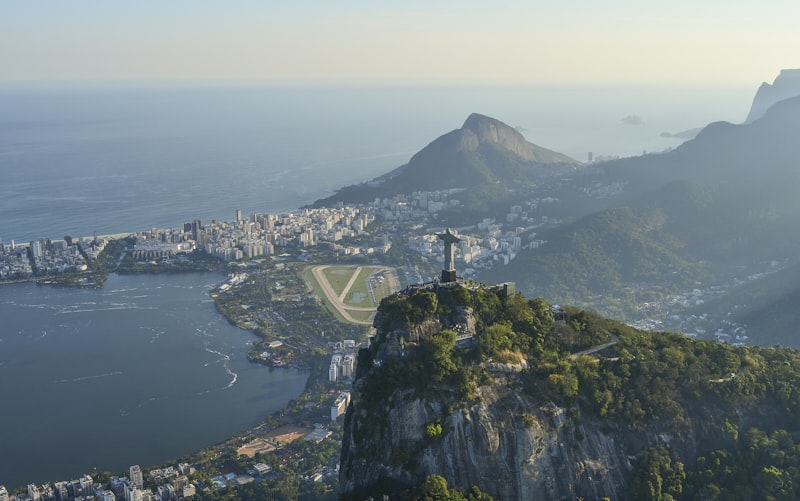
Rio de Janeiro
City guide to adult nightlife in Rio de Janeiro, covering key areas, safety warnings, scam awareness, and cultural context.

Salvador
City guide to nightlife in Salvador, Bahia, covering Pelourinho, Barra, Rio Vermelho, safety warnings, scams, and cultural context.
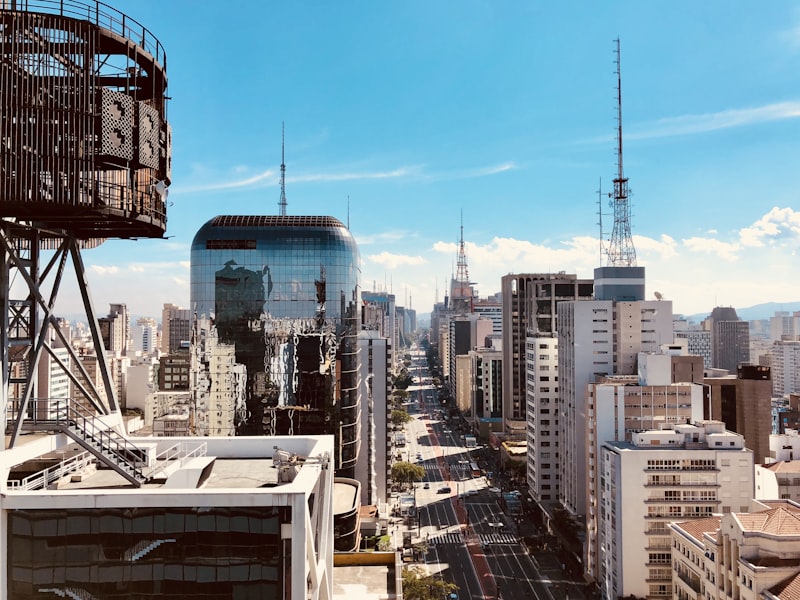
Sao Paulo
City guide to adult nightlife in Sao Paulo, covering key areas, safety warnings, scam awareness, and cultural context.
Compare hotels in Brazil
Hotels, hostels, and short-term rentals across the country's main nightlife cities.
Legal Framework
Prostitution is legal in Brazil for adults over 18. The Brazilian penal code doesn't criminalize the act of exchanging sex for money between consenting adults. However, profiting from someone else's prostitution (pimping), operating a brothel, or facilitating exploitation are all criminal offenses under Articles 228-230 of the Penal Code. These distinctions create a strange contradiction: the work itself is permitted, but the infrastructure around it often isn't.
Our field team visited Brazil most recently in February 2026.
In practice, independent sex workers operate openly across the country. Brazil's Ministry of Labor even recognized "sex professional" as an occupational category in 2002, though this classification hasn't translated into full labor protections or benefits. Workers can register with the government and pay taxes, but they don't receive the same protections as employees in other industries.
There have been repeated legislative efforts to either fully regulate or further restrict the industry, but none have gained enough traction to pass. The result is a system that's technically permissive but lacks the regulatory structure to ensure safety or standards.
Enforcement Reality
Police enforcement is uneven and varies dramatically between cities and neighborhoods. In tourist-heavy areas of Rio de Janeiro and Sao Paulo, adult entertainment establishments operate with little interference. Street-level workers face more scrutiny and occasional harassment from local police, particularly during cleanup campaigns before major events or holidays.
Corruption within law enforcement remains a concern. Some officers demand informal payments from workers and venue operators. The military police (responsible for street patrols) and civil police (responsible for investigations) sometimes have overlapping jurisdictions that create confusion.
Authorities do take action against trafficking and exploitation, particularly involving minors. Brazil has strengthened its anti-trafficking laws in recent years, and foreign visitors involved in exploitation of minors face severe penalties including lengthy prison sentences. The age of consent is 14, but any commercial sexual activity involving someone under 18 is treated as a serious crime.
Cultural Context
Brazilian culture is famously open about sexuality and the body. Carnival celebrations, beach culture, and popular media all reflect a society that's comfortable with physical expression. This openness extends to attitudes about adult entertainment, which is generally treated as a fact of life rather than a source of moral panic.
That said, there are strong regional and class-based differences. Urban centers like Rio and Sao Paulo are significantly more permissive than smaller cities in the interior, particularly in the more conservative south and northeast. Religious influences, especially from the growing evangelical movement, have pushed back against permissive attitudes in some communities.
Nightlife runs late in Brazil. Dinner rarely starts before 9 PM, and clubs and bars stay open until 4 or 5 AM. The social culture is warm and physical, with greetings involving hugs and kisses on the cheek. Foreign visitors should understand that friendliness doesn't always carry the same implications it might in their home countries.
Dating Culture
Brazilian dating culture is physical, warm, and affectionate. Brazilians are among the most openly expressive people in the world about romance and attraction. Public displays of affection are completely normal and expected. Couples kiss openly on the street, in restaurants, and on public transport without drawing a second glance.
Dating here doesn't follow the formal structure common in the US or Europe. There's a concept called "ficar," which roughly translates to hooking up or making out. It's a casual, no-commitment step that often precedes any kind of official relationship. Two people can "ficar" at a party and never speak again, or it can develop into something more serious. There's no stigma attached to it.
Men typically pay on dates, though younger urban Brazilians increasingly split bills, especially in Sao Paulo. Family involvement in relationships matters, but it comes later. When it does happen, family gatherings are warm, inclusive, and loud. Being invited to meet someone's family is a genuine sign of commitment.
Foreign men are generally viewed with curiosity and openness. Brazilians are naturally interested in people from other countries. That said, a "gringo premium" often applies. You may face higher prices at venues, and some romantic interests may carry financial expectations that wouldn't exist in a relationship between two Brazilians. This isn't universal, but it's common enough to be aware of.
Regional differences shape the dating scene considerably. Rio is more laid-back and beach-oriented, with a casual approach to romance. Sao Paulo is more cosmopolitan and fast-paced, with a dating culture closer to what you'd find in a European capital. The Northeast tends to be more traditional, with stronger family expectations and gender roles.
Common mistakes that foreign visitors make include not learning any Portuguese (English is not widely spoken, even in major cities), misreading Brazilian friendliness as romantic interest (Brazilians are warm and physical with everyone, not just people they're attracted to), and ignoring safety precautions when meeting someone new. Brazil's warmth is genuine, but it can also be disarming in situations where you need to stay alert.
Dating Apps
Tinder is massively popular in Brazil. The country is one of Tinder's largest markets globally, and the app is the default starting point for most Brazilians looking to meet someone. Bumble is growing steadily, particularly in Sao Paulo. Happn, which matches you with people you've physically crossed paths with, works well in dense urban areas. Badoo remains widely used across all age groups and income levels.
Portuguese is the default language on all of these platforms. English-only profiles will dramatically limit your reach, especially outside the most upscale circles. Even basic Portuguese in your bio and opening messages makes a significant difference. Brazilians tend to be active and responsive on dating apps, and conversations flow easily once you make the effort.
Scams are a real concern. Fake profiles used to set up robberies are a known tactic, particularly in Rio. Catfishing is common across all apps. The most dangerous scam is "Boa Noite Cinderela" (Good Night Cinderella), where someone drugs your drink during a date to rob you while you're unconscious. Always meet in public places for the first time. Share your location with a friend or contact. Don't go to an unknown private location on a first meeting, no matter how well the conversation went online.
Key Cities
Rio de Janeiro is the most well-known destination for foreign visitors. The Copacabana and Lapa neighborhoods are the primary nightlife zones, with a mix of bars, clubs, and termas (bathhouse-style establishments) that operate openly. Vila Mimosa is a well-known red-light district.
Sao Paulo has Brazil's largest and most diverse nightlife scene. The city's entertainment industry is spread across multiple neighborhoods, with Rua Augusta and the Jardins area being notable. Sao Paulo's scene tends to be more discreet and upscale compared to Rio.
Fortaleza in the northeast has become a popular destination for European tourists. The Praia de Iracema area was historically the center of nightlife activity, though the scene has shifted to other neighborhoods in recent years.
Recife offers a nightlife scene centered around the Boa Viagem neighborhood and the historic Recife Antigo district. It's less tourist-oriented than Rio or Fortaleza, which can mean both better value and the need for more Portuguese language skills.
Safety Considerations
Brazil requires a higher level of situational awareness than most Western destinations:
- Street crime is common in major cities, particularly after dark. Don't carry valuables you can't afford to lose
- Use ride-hailing apps (Uber and 99) rather than hailing taxis on the street, especially at night
- Avoid walking between neighborhoods at night, even short distances. Take a car
- Keep your phone out of sight when walking, as phone snatching is extremely common
- Favelas (informal communities) should not be entered without a knowledgeable local guide
- Learn basic Portuguese, as English is not widely spoken outside upscale hotels and tourist zones
- Travel insurance with medical evacuation coverage is strongly recommended
- Save emergency numbers in your phone: 190 (police), 192 (ambulance), 193 (fire)
Common Scams
"Good Samaritan" drugging: Criminals posing as friendly locals may offer drinks or food laced with sedatives. Victims wake up hours later with their belongings gone. This happens in bars, on the street, and even in private settings. Never accept food or drinks from people you've just met, and always watch your drink being prepared.
Overcharging in nightlife venues: Some bars and clubs present inflated bills to foreign visitors, especially those who are visibly intoxicated. Always confirm prices before ordering and keep track of what you've consumed.
The distraction robbery: One person engages you in conversation or creates a commotion while an accomplice picks your pocket or grabs your belongings. This is especially common near beaches and in crowded nightlife areas.
Fake police: Individuals wearing police-style clothing may demand to search your belongings or ask to see your wallet. Real police officers carry identification and won't ask to handle your money. If in doubt, insist on going to a police station.
Romance scams: Individuals who show intense romantic interest very quickly may be working with accomplices who plan to rob you later, or they may be building toward requests for money. Be cautious with anyone who seems too eager too fast.
What Not to Do
- Do not resist armed robbery. Hand over your belongings and report to police afterward
- Do not display expensive watches, jewelry, or electronics in public
- Do not walk on the beach at night, even in tourist areas like Copacabana
- Do not carry your passport. Keep a photocopy and leave the original in a hotel safe
- Do not venture into unfamiliar neighborhoods alone after dark
- Do not engage with anyone who appears to be underage. Penalties are severe and strictly enforced
- Do not assume that your embassy can resolve legal problems quickly. Understand the law before you arrive
Sources
- U.S. Department of State: Brazil Travel Advisory - Entry requirements, safety alerts, and local law summary
- UK Foreign, Commonwealth & Development Office: Brazil Travel Advice - Safety, health, and legal information for travelers
- Australian Government Smartraveller: Brazil - Travel advisory and practical information
Get the Legal Status PDF, 50 countries
Newsletter signup coming soon. Check back shortly.
Brazil Map
Emergency Information: Brazil
- Emergency:
- 190
- Tourist Police:
- 190
- Embassy Note:
- Most embassies are in Brasilia. Consulates operate in Rio de Janeiro, Sao Paulo, and other major cities.
Nearby Alternatives
Argentina
Buenos Aires blends European sophistication with Latin passion. Palermo's upscale bars, San Telmo's tango culture, and some of South America's most striking women.
Bolivia
La Paz and Santa Cruz offer South America's cheapest nightlife in a country where the adult scene is small, unregulated, and concentrated in a handful of districts. Safety requires extra caution.
Chile
Santiago and Valparaiso offer South America's most orderly nightlife scene, with cocktail bars, live music, and a late-night culture shaped by Chilean reserve and European influence.
Colombia
Medellin and Cartagena draw visitors with beautiful women, affordable prices, and a scene that ranges from upscale lounges to street-level. Rapidly growing as a top destination.
Similar Countries in Other Regions
Countries with a similar overall score to Brazil (4.3) but in different parts of the world.
Vietnam
4.3Southeast Asia
Hanoi and Ho Chi Minh City offer some of Asia's most beautiful women at rock-bottom prices. The scene is discreet, KTV-focused, and requires local knowledge to navigate.
Thailand
4.4Southeast Asia
Bangkok's go-go bars, Pattaya's Walking Street, and a nationwide scene that runs from budget to luxury. Tolerant culture, low prices, and the most developed adult entertainment infrastructure in Asia.
Philippines
4.1Southeast Asia
Angeles City's Fields Avenue and Manila's P. Burgos Street anchor a well-established scene. Affordable, English-speaking, and catering heavily to Western visitors.
Was this guide helpful?