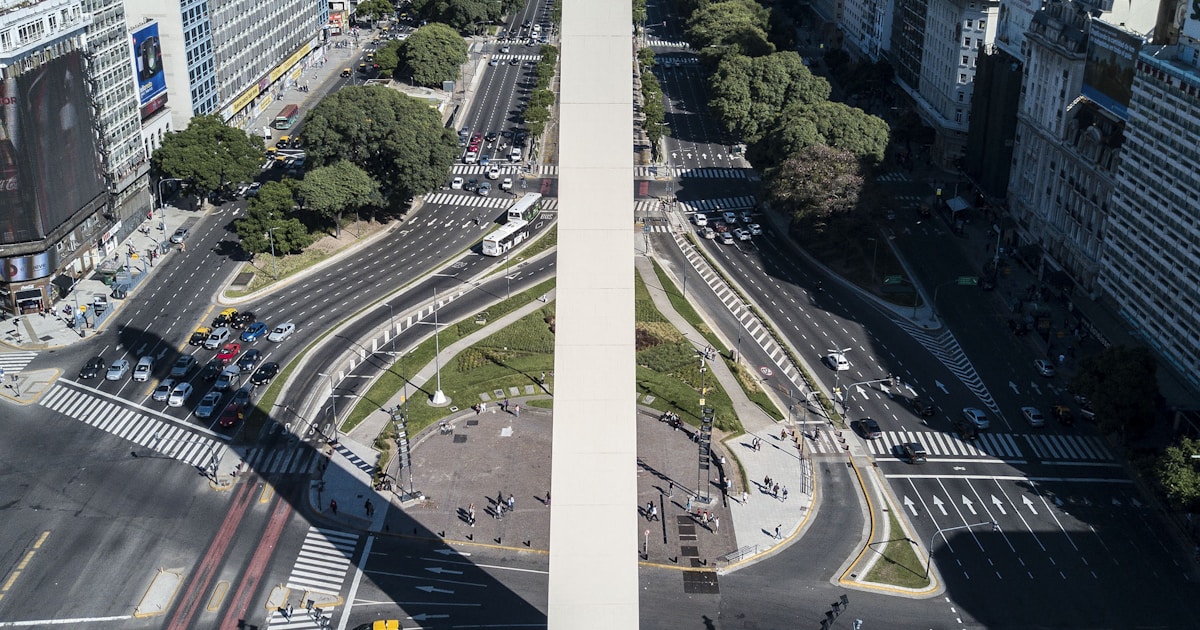


Before You Travel to Chile
Five things every smart traveler sorts before booking.
- 1
Passport valid 6+ months from entry date
Most countries refuse entry on passports expiring within six months. Renew now if you're close.
- 2
Visa requirements for Chile
Some are visa-free, some require an e-visa filed days ahead, some need an embassy appointment.
- 3
Travel insurance booked
A hospital visit in Chile can run $4,000-15,000 without cover. Credit card insurance usually excludes alcohol-related incidents.
- 4
eSIM data plan ready before landing
Airport SIM kiosks need your passport and overcharge tourists. Install an eSIM in 60 seconds, online before you fly.
- 5
Accommodation reserved in the right district
The wrong neighborhood means a 45-minute taxi every night. Map the venues first, then book.
City Guides in Chile
Santiago
City guide to nightlife in Santiago, Chile, covering Bellavista, Lastarria, safety advice, costs, and cultural context for visitors.
Valparaiso
City guide to nightlife in Valparaiso, Chile, covering hilltop bars, live music venues, safety tips, and the bohemian port city scene.
Compare hotels in Chile
Hotels, hostels, and short-term rentals across the country's main nightlife cities.
Legal Framework
Prostitution itself is not criminalized in Chile, but the legal picture is complicated. Chilean law does not explicitly ban the exchange of sex for money between consenting adults. What it does ban is operating brothels, pimping, and any form of third-party profit from sex work. This creates a gray area where individual sex work exists in a legal limbo, technically tolerated but without formal recognition or worker protections.
Our field team visited Chile most recently in March 2026.
Health regulations require sex workers to register with the health service (SEREMI de Salud) and undergo regular STI testing. In practice, registration rates are low. The majority of the industry operates informally, outside any regulatory framework.
Trafficking and sexual exploitation carry heavy penalties under Chilean law, with sentences of up to 15 years. Chile has strengthened its anti-trafficking legislation in recent years, and enforcement against organized exploitation has increased.
Enforcement Reality
Police enforcement focuses on organized operations rather than individual conduct. Carabineros (the national police) and the PDI (Investigative Police) target brothels, trafficking networks, and venues that operate without proper licensing. Street-level enforcement against individuals is rare in major cities.
Santiago's nightlife districts see regular police patrols, particularly on weekend nights. Officers are generally professional and approachable, though few speak English. Chile has one of the least corrupt police forces in Latin America, and bribery attempts are likely to backfire.
Unlicensed massage parlors and saunas face periodic raids. Venues that stay within the lines of standard bar and nightclub licensing generally don't attract attention. The distinction between a bar with a social atmosphere and one that enables paid encounters is often blurry, and authorities tend to focus on clear violations.
Cultural Context
Chilean culture is more reserved than its South American neighbors. The country's European heritage, particularly Spanish, German, and Croatian influences, creates a social atmosphere that's closer to Buenos Aires than Bogota. Public displays of affection are common among couples, but the overall approach to nightlife and socializing is less openly flirtatious than in Colombia or Brazil.
Santiago's nightlife runs late. Dinner at 9 or 10 PM is standard. Bars fill up after 11 PM, and clubs don't peak until 2 AM. Weekend nights often stretch to 5 or 6 AM. This rhythm shapes everything about the social scene, from restaurant hours to transport availability.
Chile has a strong drinking culture centered on pisco (the national spirit), wine, and beer. Pisco sours are the default cocktail, and Chilean wine is excellent and affordable. Pre-gaming at home or at casual bars before heading to clubs is the norm. Chileans call this "previa" and it's an important social ritual.
Dating Culture
Chilean dating follows a pattern that's more conservative than Brazil or Colombia but less formal than Argentina. People tend to date within social circles. Cold approaches from strangers, particularly foreigners, can be met with skepticism in everyday settings. Nightlife provides the most natural entry point for meeting people outside established social networks.
Family is important but less central to early dating than in Colombia. You won't be invited to meet someone's parents after two weeks. Chileans take their time, and relationships tend to develop gradually. The concept of "pololeo" (official boyfriend/girlfriend status) is taken seriously, and many Chileans distinguish clearly between casual dating and committed relationships.
Foreign men receive mixed attention. Chile doesn't have the same sex tourism reputation as other South American countries, so there's less automatic suspicion. That said, Chileans are proud and can be sensitive to condescension. Speaking Spanish makes a meaningful difference. English proficiency is growing among younger Chileans, particularly in Santiago, but it's far from universal.
Age gaps of five to seven years draw little comment. Larger gaps attract more notice, particularly in Santiago's more cosmopolitan neighborhoods where social awareness runs high.
Dating Apps
Tinder is the dominant platform in Chile and works well in Santiago. Bumble has a growing user base among university-educated women. Happn sees some use given Santiago's dense urban layout. Badoo remains popular, particularly outside the capital.
Profiles in Spanish perform better. Even a basic Spanish bio signals effort. Many Chilean women on dating apps are genuinely looking for dates and relationships, not transactions. The apps work best as a first point of contact before meeting in a public place.
Video calling before a first meeting is becoming standard practice. Always meet in a populated area. Santiago's cafe culture provides an ideal setting for low-pressure first dates, with a coffee running 2,500 to 4,000 CLP.
Key Cities
Santiago is Chile's capital and home to the vast majority of the country's nightlife. Bellavista and Lastarria offer distinct experiences, from rowdy bar strips to refined cocktail lounges.
Valparaiso is a port city about 90 minutes from Santiago, known for its bohemian art scene, steep hillside neighborhoods, and a more laid-back approach to nightlife. The bar scene here centers on live music and creative cocktails rather than large clubs.
Safety Considerations
Chile is one of South America's safest countries, but standard urban precautions apply:
- Petty theft and pickpocketing are the primary risks in nightlife areas
- Drink spiking occurs, though less frequently than in Colombia or Peru. Watch your drinks
- Use Uber, Didi, or official radio taxis at night. Avoid unmarked cars
- Santiago's Metro is safe and efficient but stops running at 11 PM on weekdays and 11:30 PM on weekends
- Earthquake preparedness is worth noting. Chile is seismically active, and knowing building exits is practical
- Carry a copy of your passport, not the original
- ATM skimming occurs. Use bank ATMs during business hours when possible
Common Scams
Express kidnapping and ATM robbery. Though rare in Chile, incidents have been reported in Santiago where victims are forced to withdraw cash from ATMs. This typically targets people walking alone late at night in poorly lit areas. Always use app-based transport after dark.
Overcharging at bars. Some venues in Bellavista apply different prices to foreigners. Check prices before ordering, and review your bill carefully. Running tabs can lead to inflated totals.
Fake taxis. Unmarked cars posing as taxis operate near nightlife areas. Always use app-based rides or have the venue call a radio taxi.
Street distraction theft. Teams working together create a distraction (spilling something on you, asking for directions) while an accomplice takes your phone or wallet.
What Not to Do
- Do not walk alone through dimly lit streets after 2 AM, even in relatively safe neighborhoods
- Do not carry large amounts of cash or display expensive electronics
- Do not leave drinks unattended at bars or clubs
- Do not take unmarked taxis, particularly at night
- Do not assume that every friendly encounter is risk-free
- Do not engage with anyone who appears to be underage. Chilean law treats this with severe penalties
- Do not resist if confronted by armed robbers. Comply and report to Carabineros afterward
Sources
- U.S. Department of State: Chile Travel Advisory - Entry requirements, safety alerts, and local law summary
- UK Foreign, Commonwealth & Development Office: Chile Travel Advice - Safety, health, and legal information for travelers
- Australian Government Smartraveller: Chile - Travel advisory and practical information
Get the Legal Status PDF, 50 countries
Newsletter signup coming soon. Check back shortly.
Emergency Information: Chile
- Emergency:
- 131
- Tourist Police:
- Carabineros de Chile operate tourist assistance in Santiago and major cities
- Embassy Note:
- Most embassies are located in Santiago's Providencia and Las Condes neighborhoods.
Similar Countries to Explore
Argentina
Buenos Aires blends European sophistication with Latin passion. Palermo's upscale bars, San Telmo's tango culture, and some of South America's most striking women.
Bolivia
La Paz and Santa Cruz offer South America's cheapest nightlife in a country where the adult scene is small, unregulated, and concentrated in a handful of districts. Safety requires extra caution.
Brazil
Rio's Copacabana, Sao Paulo's Vila Olimpia, and stunning women across every price range. Legal, unregulated, and deeply woven into the nightlife culture of South America's largest country.
Colombia
Medellin and Cartagena draw visitors with beautiful women, affordable prices, and a scene that ranges from upscale lounges to street-level. Rapidly growing as a top destination.
Similar Countries in Other Regions
Countries with a similar overall score to Chile (3.3) but in different parts of the world.
Austria
3.3Central Europe
Vienna's regulated nightlife scene, from Gurtel bar strips to Prater party zones. Fully legal and licensed, with German-speaking Europe's most structured approach.
Haiti
3.3Caribbean
Haiti's nightlife is extremely limited and concentrated in Petionville, the upscale hillside suburb of Port-au-Prince. Gang violence, kidnapping risk, and political instability make this one of the most dangerous destinations in the Western Hemisphere.
Honduras
3.3Central America
Honduras has limited nightlife concentrated in Tegucigalpa and Roatan. Extremely high violent crime rates make safety the top priority for any visitor.
Was this guide helpful?