

Before You Travel to Austria
Five things every smart traveler sorts before booking.
- 1
Passport valid 6+ months from entry date
Most countries refuse entry on passports expiring within six months. Renew now if you're close.
- 2
Visa requirements for Austria
Some are visa-free, some require an e-visa filed days ahead, some need an embassy appointment.
- 3
Travel insurance booked
A hospital visit in Austria can run $4,000-15,000 without cover. Credit card insurance usually excludes alcohol-related incidents.
- 4
eSIM data plan ready before landing
Airport SIM kiosks need your passport and overcharge tourists. Install an eSIM in 60 seconds, online before you fly.
- 5
Accommodation reserved in the right district
The wrong neighborhood means a 45-minute taxi every night. Map the venues first, then book.
City Guides in Austria
Compare hotels in Austria
Hotels, hostels, and short-term rentals across the country's main nightlife cities.
Legal Framework
Austria regulates sex work at the provincial (Bundesland) level, creating a patchwork of rules across nine states. Vienna, which operates as both a city and a province, has the most developed regulatory framework. The Vienna Prostitution Act (Wiener Prostitutionsgesetz) requires sex workers to register with the police, undergo regular health checks, and operate either from licensed premises or designated street zones.
Based on on-the-ground reporting from March 2026.
Other provinces take varying approaches. Tyrol and Vorarlberg maintain stricter regulations with fewer licensed premises. Salzburg and Upper Austria fall between Vienna's permissiveness and the western provinces' restrictions. The common thread is that sex work itself is legal across all of Austria when practiced in compliance with local regulations.
Licensed establishments (called "Laufhauser" or "Studios") operate openly in Vienna and other cities. These are registered businesses subject to health, safety, and zoning requirements.
Enforcement Reality
Vienna's enforcement is methodical and Germanic in its thoroughness. Licensed establishments receive regular inspections from health authorities and police. Workers must carry valid registration cards and proof of recent health checks. Operating without registration leads to fines for both workers and establishment operators.
Street-based sex work is restricted to specific zones, primarily along the Gurtel ring road in certain sections. Working outside designated zones results in fines. The city has invested in social services for sex workers, including health clinics, counseling, and programs for those wishing to exit the industry.
Illegal brothels (unlicensed apartments or massage parlors offering sexual services) are periodically shut down, though they continue to exist. Police operations target trafficking networks and undocumented operations rather than individual registered workers.
Cultural Context
Austrian attitudes toward adult entertainment blend German pragmatism with Austrian discretion. The industry exists openly in Vienna, where it's treated as a regulated aspect of urban life. Conversations about it remain private, and public acknowledgment stays low-key compared to Amsterdam or Hamburg.
Vienna's cultural identity as a city of music, opera, and intellectual tradition creates an interesting backdrop. The same city that hosts the Vienna Philharmonic and opera balls also maintains one of Europe's most organized adult entertainment sectors. These worlds coexist without much intersection.
Outside Vienna, conservatism increases. Alpine communities in Tyrol, Salzburg, and Vorarlberg are less tolerant of visible adult entertainment, and venues in these areas are rare and discreet.
Venue Types
Laufhauser are multi-story buildings where workers rent rooms independently. Visitors enter freely, walk the corridors, and negotiate directly with workers who are available. Vienna has several established Laufhauser, particularly in the Meidling and Ottakring districts. No entry fee applies. Services typically cost EUR 50-80 for 30 minutes.
Studios are smaller, apartment-based operations where one to three workers operate. These are registered and legal in Vienna. They advertise through classified sites and directories. Prices are similar to Laufhauser.
FKK/Saunaclubs exist but are less prevalent than in Germany. Vienna's main options offer sauna, pool, and bar facilities with an entry fee of EUR 40-80, services negotiated separately.
Bars and clubs operate as standard nightlife venues. Vienna's bar scene concentrates along the Gurtel ring road, in the Bermuda Triangle area near Schwedenplatz, and in the Museumsquartier neighborhood. Cover charges are uncommon at bars; clubs charge EUR 5-20.
Strip clubs exist in Vienna, operating under entertainment licenses. Entry runs EUR 10-30, with drink minimums common.
Costs
Austria is expensive by European standards, though slightly below Switzerland and the Nordic countries. Vienna prices dominate since it's where most nightlife concentrates.
Beer (0.5L draft) at a standard bar costs EUR 4-5.50. Wine runs EUR 3.50-6 per glass. Cocktails cost EUR 10-15 at mainstream bars and EUR 14-20 at upscale venues. Club entry ranges from free to EUR 20, with most venues between EUR 5-15.
Viennese Heuriger (wine taverns) are a distinctive and affordable social option. These family-operated taverns in the wine-growing districts on Vienna's outskirts serve new wine for EUR 3-5 per glass with buffet-style cold food. They're genuine local experiences, not tourist constructions.
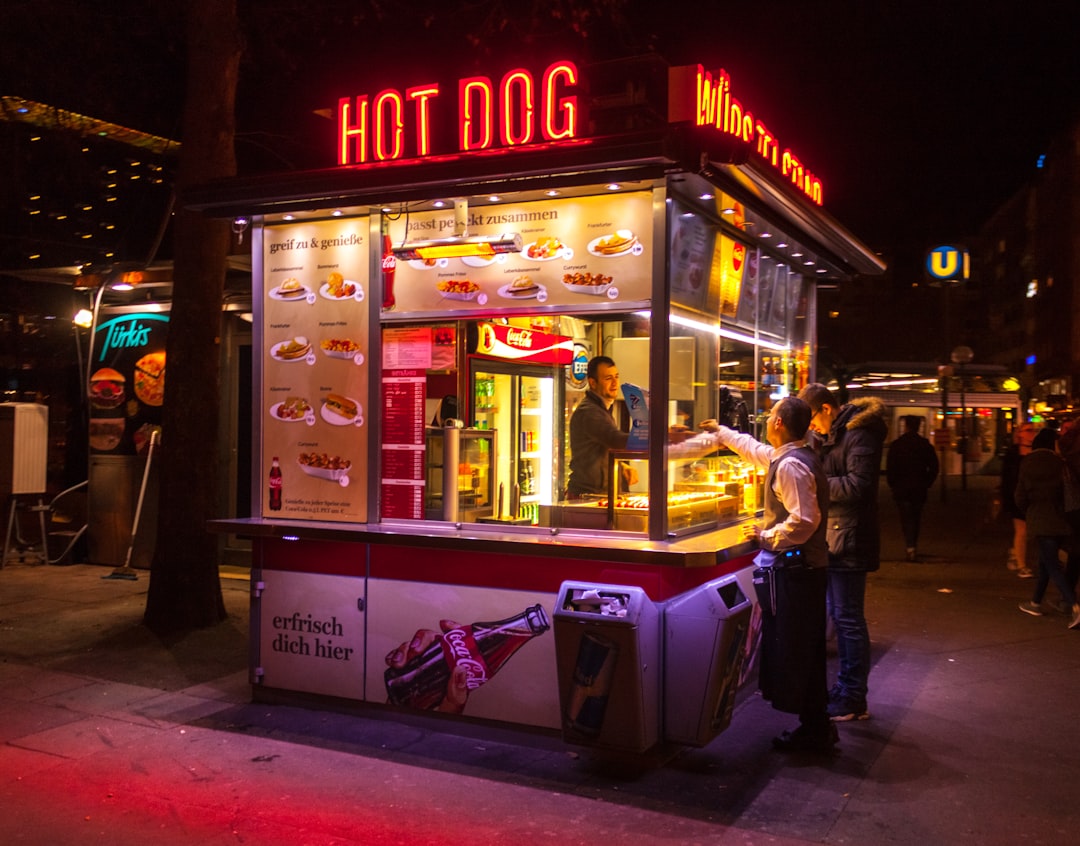
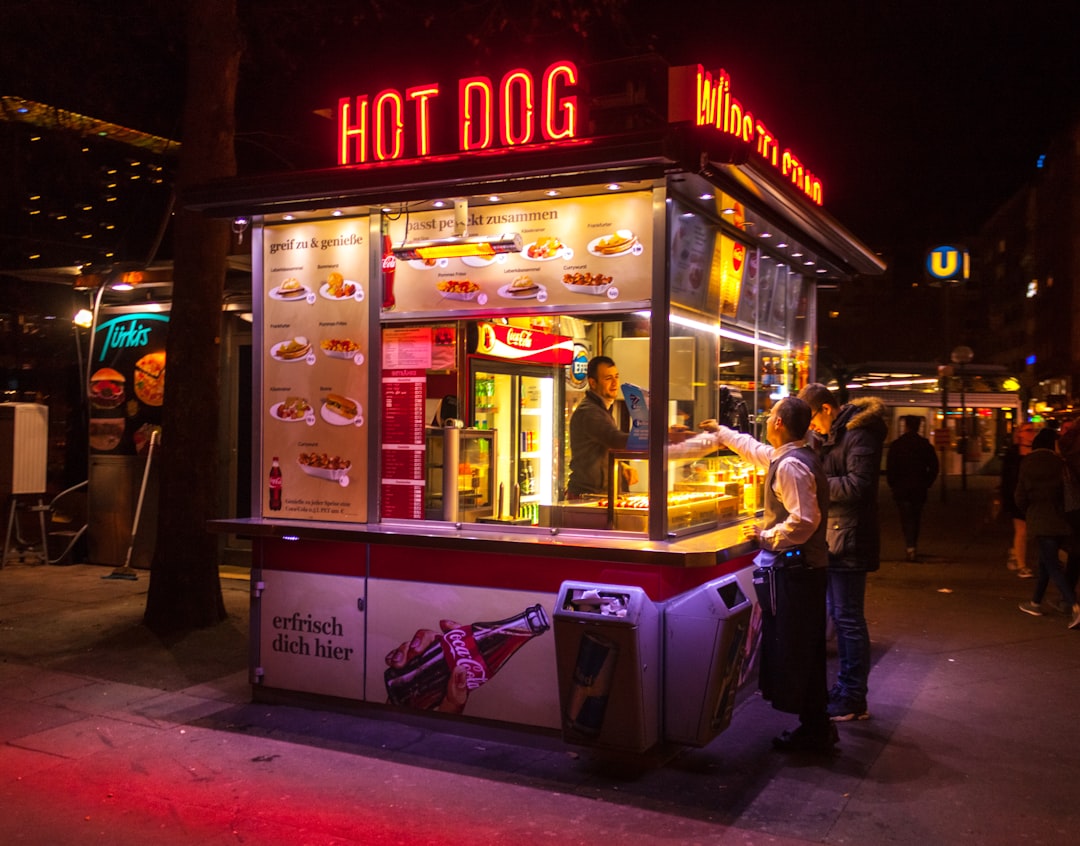
Food is reasonable. A Wiener Schnitzel at a standard restaurant costs EUR 12-18. Wurstelstand (sausage stand) fare runs EUR 3-5. A mid-range dinner with wine costs EUR 25-40 per person.
Public transport in Vienna is excellent and affordable. A single U-Bahn/tram ticket costs EUR 2.40. The 24-hour pass is EUR 8, and the 72-hour pass EUR 17.10. Vienna's public transport runs 24 hours on weekends (Friday and Saturday nights).
Hotels range from EUR 25-40 for hostels, EUR 70-120 for mid-range, and EUR 150-350 for upscale.
Dating Culture
Austrian dating culture sits between German directness and Southern European warmth. Viennese are polite, somewhat formal on first meeting, and take time to warm up. The formality isn't coldness; it's a cultural default that drops once a connection is established.
Coffee house culture is central to Viennese social life. Meeting for a "Melange" (Viennese coffee similar to cappuccino) at a traditional Kaffeehaus is a classic first-date setting. These are institutions where sitting for hours over a single coffee is not only acceptable but expected. Cafe Central, Cafe Sperl, and Cafe Hawelka each attract different crowds.
Gender dynamics are egalitarian. Splitting the bill is common, especially among younger Viennese. Aggressive pursuit or dramatic romantic gestures are poorly received. Persistence after rejection is seen as disrespectful, not flattering.
Austrian women are generally well-educated, multilingual, and accustomed to international company. Vienna's status as the seat of multiple UN organizations and international bodies means the city is genuinely cosmopolitan. Being foreign isn't exotic; it's normal.
Dating Apps
Tinder is the dominant platform. Bumble has a growing user base, particularly among professionals and the international community. Lovoo (German-origin app) maintains popularity in Austria. Parship targets the over-30 serious-relationship market.
English-language profiles work well in Vienna, where a large proportion of the population speaks English fluently. German profiles perform better outside the capital. Profile standards lean toward natural and authentic rather than heavily filtered or gym-focused.
Key Cities
Vienna is the overwhelming center of Austrian nightlife. The Gurtel (ring road) bar strip, the Bermuda Triangle near Schwedenplatz, and the area around the Naschmarkt/Museumsquartier concentrate the most diverse options. The city's 24-hour weekend public transport makes late-night movement effortless.
Graz is Austria's second city with a strong university-driven nightlife along Zinzendorfgasse and in the Lend district. Significantly smaller than Vienna but with an active local scene.
Salzburg has limited nightlife beyond tourist-oriented bars in the Altstadt. The Rudolfskai along the Salzach river concentrates what exists.
Innsbruck has a small university-driven scene, confined mostly to the Altstadt area. Alpine tourists contribute to the weekend bar crowd.
Safety Considerations
Austria is one of Europe's safest countries. Vienna consistently ranks among the world's most livable cities, and violent crime is rare.
- Petty crime (pickpocketing) exists around Praterstern/Wien Nord station and on crowded trams
- The area around Karlsplatz has a visible drug scene, though it's generally confined and not threatening to passersby
- Gurtel's bar strip is safe; the road itself is a major traffic artery, so watch for cars when crossing
- Licensed adult entertainment venues maintain high safety standards due to regular inspections
- Emergency services are excellent. Call 112 for any emergency, 133 for police, 144 for ambulance
Common Scams
Vienna has few nightlife scams compared to other European capitals. The most common issue involves overcharging at bars near Stephansplatz (the cathedral area), where tourist-oriented venues charge premium prices without clear menus.
Occasional reports surface of unlicensed massage parlors offering services without proper health or business registrations. Stick to registered, publicly listed establishments.
Taxi scams are rare in Vienna, as the city's strong public transport reduces taxi dependence. When using taxis, verify the meter is running.
What Not to Do
- Don't be loud on public transport or in residential areas late at night. Noise complaints are taken seriously
- Don't skip the Heuriger experience. Wine taverns in districts like Neustift and Grinzing offer genuine local culture at reasonable prices
- Don't assume Vienna is just classical music and opera. The city has a thriving underground electronic music scene
- Don't confuse Austrian German with standard German. Viennese dialect and vocabulary differ significantly
- Don't jaywalk. Austrians follow pedestrian signals, and ignoring them draws disapproval
- Don't address strangers informally. Use "Sie" (formal you) until invited to use "du" (informal). This applies in bars and social settings, not just business
Sources
- U.S. Department of State: Austria Travel Advisory - Entry requirements, safety alerts, and local law summary
- UK Foreign, Commonwealth & Development Office: Austria Travel Advice - Safety, health, and legal information for travelers
- Australian Government Smartraveller: Austria - Travel advisory and practical information
Get the Legal Status PDF, 50 countries
Newsletter signup coming soon. Check back shortly.
Emergency Information: Austria
- Emergency:
- 112
- Embassy Note:
- Most embassies are located in Vienna. Austria's compact size means all major cities are reachable within a few hours from the capital.
Similar Countries to Explore
Czechia
Prague's Wenceslas Square and a regulated scene with licensed FKK clubs. More expensive than Budapest but with strong nightlife, beautiful Czech women, and excellent beer.
Hungary
Budapest's ruin bars and District VII anchor Central Europe's best value nightlife. Cheap drinks, beautiful women, and a party scene that rivals Prague at half the price.
Slovakia
Bratislava's compact old town and late-night bar streets offer affordable Central European nightlife an hour from Vienna. Low costs, safe streets, and a growing weekend party scene make Slovakia an underrated option.
Slovenia
Ljubljana's riverside bars and the autonomous Metelkova squat scene offer an unusual split personality, one of Europe's most livable capitals by day, genuinely wild after midnight. Clean, safe, and surprisingly affordable for Central Europe.
Similar Countries in Other Regions
Countries with a similar overall score to Austria (3.3) but in different parts of the world.
Chile
3.3South America
Santiago and Valparaiso offer South America's most orderly nightlife scene, with cocktail bars, live music, and a late-night culture shaped by Chilean reserve and European influence.
Haiti
3.3Caribbean
Haiti's nightlife is extremely limited and concentrated in Petionville, the upscale hillside suburb of Port-au-Prince. Gang violence, kidnapping risk, and political instability make this one of the most dangerous destinations in the Western Hemisphere.
Honduras
3.3Central America
Honduras has limited nightlife concentrated in Tegucigalpa and Roatan. Extremely high violent crime rates make safety the top priority for any visitor.
Was this guide helpful?