

Before You Travel to Honduras
Five things every smart traveler sorts before booking.
- 1
Passport valid 6+ months from entry date
Most countries refuse entry on passports expiring within six months. Renew now if you're close.
- 2
Visa requirements for Honduras
Some are visa-free, some require an e-visa filed days ahead, some need an embassy appointment.
- 3
Travel insurance booked
A hospital visit in Honduras can run $4,000-15,000 without cover. Credit card insurance usually excludes alcohol-related incidents.
- 4
eSIM data plan ready before landing
Airport SIM kiosks need your passport and overcharge tourists. Install an eSIM in 60 seconds, online before you fly.
- 5
Accommodation reserved in the right district
The wrong neighborhood means a 45-minute taxi every night. Map the venues first, then book.
City Guides in Honduras
Roatan
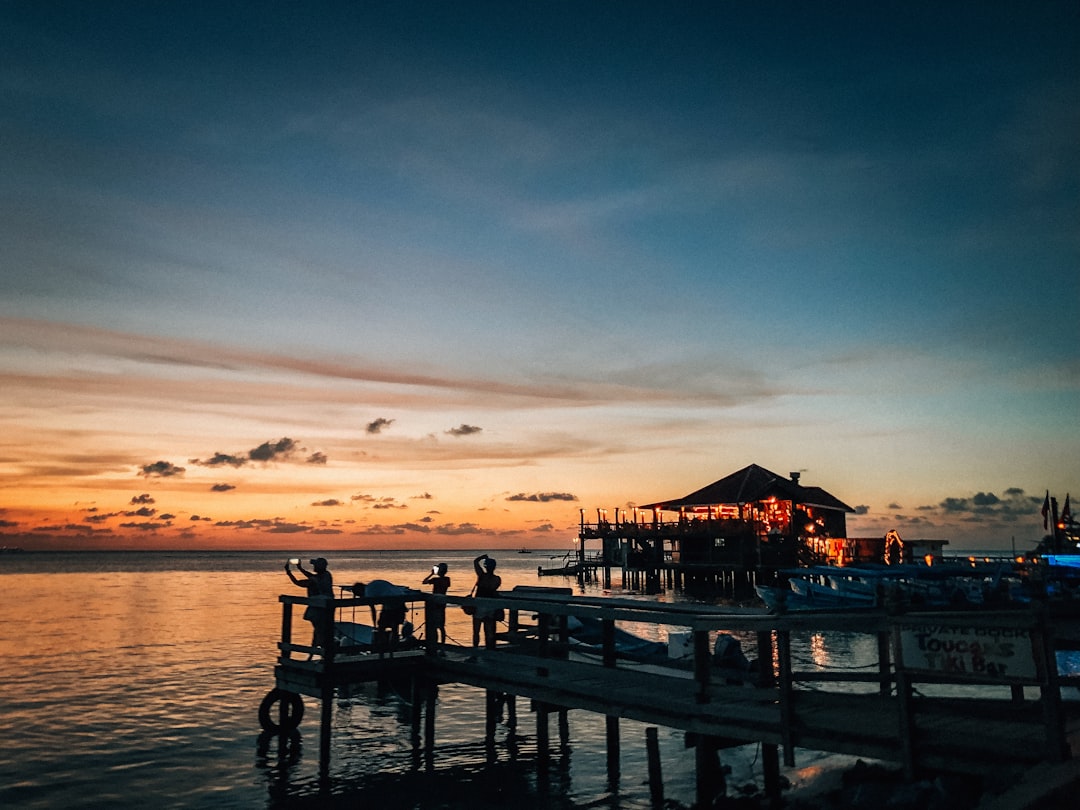
City guide to nightlife on Roatan, Honduras' main Bay Island. Beach bars and tourist-oriented nightlife in West End, with significantly better safety than the mainland.
Tegucigalpa
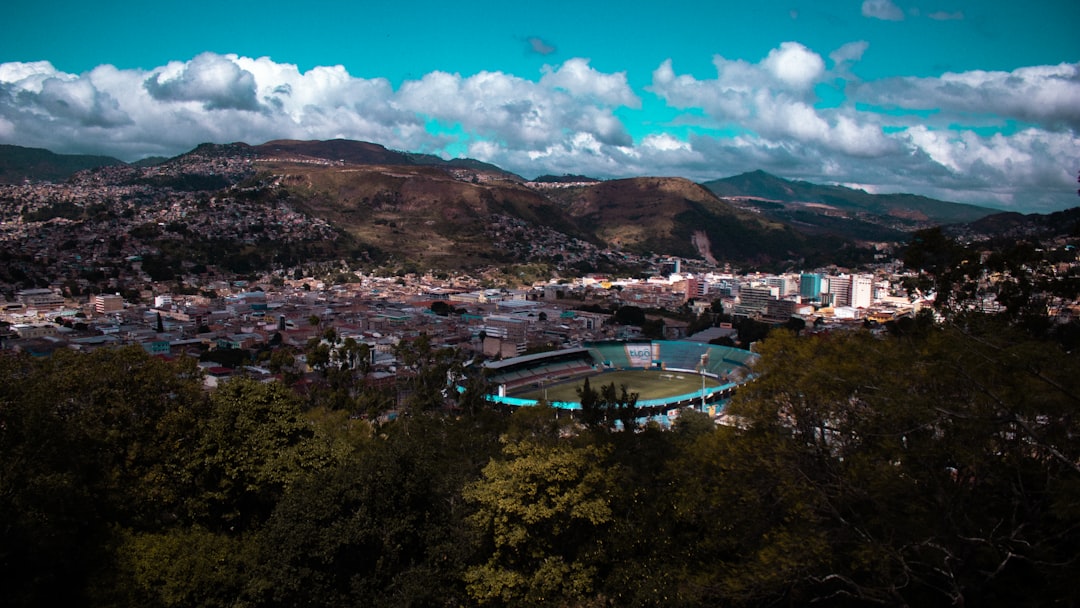
City guide to nightlife in Tegucigalpa, Honduras. One of the most dangerous capitals in the Americas, with a small bar scene along Boulevard Morazan.
Compare hotels in Honduras
Hotels, hostels, and short-term rentals across the country's main nightlife cities.
Legal Framework
Prostitution exists in a gray area under Honduran law. The penal code does not explicitly criminalize the sale of sex between consenting adults, but it prohibits pimping, brothel operation, and any form of trafficking or exploitation. In practice, commercial sex activity occurs openly in certain areas of major cities and tourist zones, and police rarely intervene against individual acts between adults.
Based on on-the-ground reporting from March 2026.
The legal ambiguity means workers have no formal protections, no licensing framework, and no access to regulated health screening. Municipal governments occasionally attempt crackdowns, but these are sporadic and often politically motivated rather than systematic.
Honduras ratified the Protocol to Prevent, Suppress and Punish Trafficking in Persons in 2008. Anti-trafficking enforcement has increased in recent years, particularly around the Bay Islands and the northern coast. Penalties for involvement in trafficking or exploitation of minors are severe, and Honduran courts actively prosecute these cases.
Enforcement Reality
Law enforcement in Honduras is underfunded, understaffed, and widely considered corrupt. The National Police underwent a partial purge beginning in 2016 after a commission found that roughly 40% of the force was implicated in criminal activity. Progress since then has been slow and uneven.
Police presence in nightlife areas varies dramatically by location. Tegucigalpa's commercial entertainment strips see regular patrols, but response times outside these zones can be long. On Roatan, a smaller police force covers a limited area, and private security fills many of the gaps at tourist-facing establishments.
Bribes are common at police checkpoints, particularly late at night. Officers may demand payment for minor or fabricated infractions. Carrying a copy of your passport (not the original) and a small amount of cash for these situations is a practical reality in Honduras.
Cultural Context
Honduran social life revolves around family, the Catholic church, and local community ties. Going out in Honduras means a different thing than in most tourist-oriented nightlife destinations. Bars and clubs serve a primarily local clientele, and foreigners stand out immediately in most settings outside of Roatan.
Machismo culture runs deep. Public displays of affection between men and women are common, but the social dynamics can feel unfamiliar to visitors from more egalitarian societies. Women rarely go out to bars alone, and groups of men dominate most nightlife venues outside tourist areas.
Music tastes lean heavily toward reggaeton, cumbia, and punta, the Garifuna-influenced genre native to Honduras' Caribbean coast. Don't expect the DJ to play your requests.
Dating Culture
Online dating exists in Honduras but operates on a much smaller scale than in neighboring countries like Costa Rica or Guatemala. Tinder works in Tegucigalpa and San Pedro Sula, with limited activity on Roatan. Bumble has minimal presence. Most social connections happen through mutual friends, church events, work, or university.
Foreign men receive mixed attention. Curiosity is common, but so is suspicion. Honduras doesn't have the established "gringo trail" dating culture that countries like Colombia or Thailand do. Language barriers are real; English proficiency is low outside Roatan and a handful of upscale venues in Tegucigalpa.
Family involvement comes early. If you're dating a Honduran woman seriously, expect to meet her family within the first few weeks. Relationships progress through family approval, and showing respect to parents carries significant weight.
Age gaps of more than ten years draw attention and skepticism. The economic disparity between foreign visitors and locals creates uncomfortable dynamics that Hondurans are well aware of.
Dating Apps
Tinder is the most used app, though the user base in Tegucigalpa is modest compared to other Central American capitals. Most profiles are in Spanish. International dating sites like LatinAmericanCupid have some Honduran users, but expect far fewer active profiles than you'd find for Colombia or the Dominican Republic.
WhatsApp is the dominant communication tool in Honduras. Once you exchange numbers, conversations move there immediately. Facebook Messenger is a secondary option. Instagram DMs work for initial contact but aren't the primary channel.
Be cautious with any profile that quickly suggests meeting at a specific location or asks for money. Scam profiles exist, and some target foreigners specifically. Video calls before meeting in person are a reasonable precaution.
Key Cities
Tegucigalpa is the capital and largest city, with a small nightlife zone concentrated along Boulevard Morazan. The city has one of the highest murder rates of any capital in the world. Going out requires careful planning and local knowledge.
Roatan is the main Bay Island tourist destination. West End and West Bay have beach bars and tourist-oriented nightlife in a setting that feels safer than the mainland. It's still Honduras, though, and precautions apply.
San Pedro Sula was once called the murder capital of the world. While violence has decreased from its 2012 peak, it remains extremely dangerous and is not recommended for nightlife tourism.
Safety Considerations
Honduras consistently ranks among the most dangerous countries in the Western Hemisphere. The 2024 homicide rate was approximately 36 per 100,000 people, though some cities run much higher. This is not a destination where standard tourist precautions are sufficient.
- Do not walk anywhere after dark in Tegucigalpa or San Pedro Sula. Use trusted transportation exclusively
- Armed robbery is common and can happen in broad daylight. Carry only what you can afford to lose
- Gang territory covers large sections of major cities. Accidentally entering the wrong neighborhood can be fatal
- Do not resist any robbery. Comply immediately. Victims who resist face a high probability of being shot or stabbed
- Travel insurance with emergency medical evacuation is not optional; it's a requirement
- Register with your embassy before arrival
- Keep your phone charged and location sharing active at all times
- Avoid public transport, especially at night. Use radio taxis called by your hotel or trusted ride services
- The US State Department maintains a Level 3 travel advisory ("Reconsider Travel") for Honduras, with Level 4 ("Do Not Travel") for specific departments including Gracias a Dios
Express kidnappings occur in Tegucigalpa and San Pedro Sula. Victims are grabbed, taken to ATMs, and forced to withdraw cash before being released (or worse). This risk increases dramatically at night and when traveling alone. Never take unmarked taxis. Always use hotel-arranged transport or trusted radio taxi services.
Common Scams
Fake police checkpoints. Criminals in uniform set up roadblocks, particularly on highways at night. Legitimate checkpoints use marked vehicles and are staffed by multiple officers. If something feels wrong, call 199 or drive to the nearest gas station.
Drink spiking. Less common than in Colombia but documented in tourist areas, particularly Roatan. Don't leave drinks unattended, and don't accept drinks from strangers.
ATM skimming. Use ATMs inside banks during business hours only. Cover the keypad when entering your PIN.
Tourist pricing. Vendors and taxi drivers routinely charge foreigners 2-5x the local rate. Agree on prices before getting in a taxi or ordering food at unmarked eateries.
What Not to Do
- Do not display any wealth. No watches, no jewelry, no visible electronics beyond a basic phone
- Do not walk alone after dark. Period. This applies everywhere in Honduras
- Do not take public buses, especially at night. Robberies on buses are routine
- Do not photograph police, military, or gang members
- Do not enter neighborhoods you haven't specifically been told are safe by a trusted local
- Do not carry your passport; keep a photocopy and leave the original in a hotel safe
- Do not engage with anyone who appears underage. Honduran law and international law both carry severe penalties
- Do not resist armed robbery under any circumstances
- Do not assume that tourist areas are safe. Even Roatan has armed robberies, though at lower rates than the mainland
Sources
- U.S. Department of State: Honduras Travel Advisory - Entry requirements, safety alerts, and local law summary
- UK Foreign, Commonwealth & Development Office: Honduras Travel Advice - Safety, health, and legal information for travelers
- Australian Government Smartraveller: Honduras - Travel advisory and practical information
Get the Legal Status PDF, 50 countries
Newsletter signup coming soon. Check back shortly.
Emergency Information: Honduras
- Emergency:
- 199
- Tourist Police:
- Tourist Police (Policia Turistica) operates in limited areas, mainly Roatan and Copan Ruinas
- Embassy Note:
- Most embassies are in Tegucigalpa. The US Embassy is on Avenida La Paz.
Nearby Alternatives
Belize
Belize's nightlife revolves around beach bars and island venues, with San Pedro on Ambergris Caye leading the scene. Expect a laid-back Caribbean atmosphere, moderate prices, and a small but friendly bar scene.
Costa Rica
San Jose's Gringo Gulch and Jaco's beachfront bars cater to North American visitors. Legal, moderately priced, and one of Central America's safest destinations.
Guatemala
A small Central American scene concentrated in Guatemala City's Zona Viva and colonial Antigua. Low costs and tolerated activity, but safety demands constant awareness.
Nicaragua
Granada's colonial bar scene and Managua's Zona Rosa clubs offer cheap nightlife in Central America's most affordable country. Low-key, safety-conscious travel required.
Similar Countries in Other Regions
Countries with a similar overall score to Honduras (3.3) but in different parts of the world.
Austria
3.3Central Europe
Vienna's regulated nightlife scene, from Gurtel bar strips to Prater party zones. Fully legal and licensed, with German-speaking Europe's most structured approach.
Chile
3.3South America
Santiago and Valparaiso offer South America's most orderly nightlife scene, with cocktail bars, live music, and a late-night culture shaped by Chilean reserve and European influence.
Haiti
3.3Caribbean
Haiti's nightlife is extremely limited and concentrated in Petionville, the upscale hillside suburb of Port-au-Prince. Gang violence, kidnapping risk, and political instability make this one of the most dangerous destinations in the Western Hemisphere.
Was this guide helpful?