

Before You Travel to Nicaragua
Five things every smart traveler sorts before booking.
- 1
Passport valid 6+ months from entry date
Most countries refuse entry on passports expiring within six months. Renew now if you're close.
- 2
Visa requirements for Nicaragua
Some are visa-free, some require an e-visa filed days ahead, some need an embassy appointment.
- 3
Travel insurance booked
A hospital visit in Nicaragua can run $4,000-15,000 without cover. Credit card insurance usually excludes alcohol-related incidents.
- 4
eSIM data plan ready before landing
Airport SIM kiosks need your passport and overcharge tourists. Install an eSIM in 60 seconds, online before you fly.
- 5
Accommodation reserved in the right district
The wrong neighborhood means a 45-minute taxi every night. Map the venues first, then book.
City Guides in Nicaragua
Granada
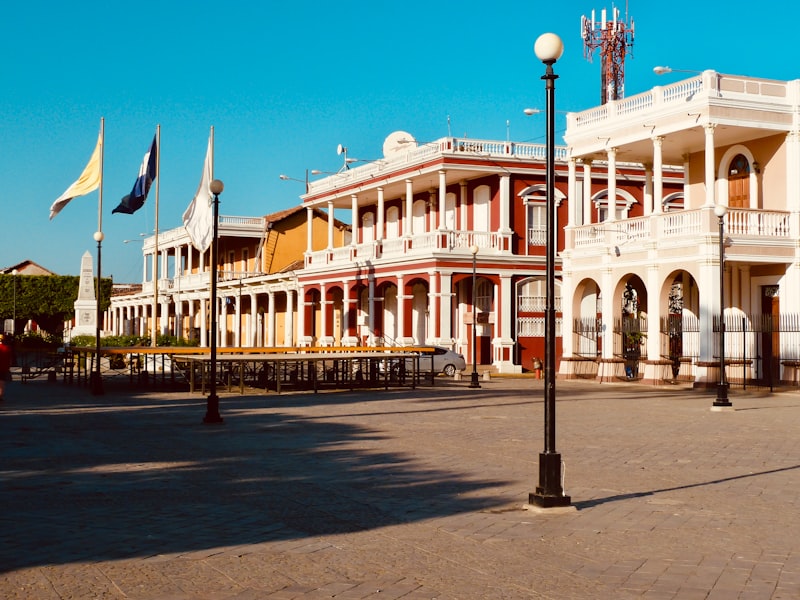
City guide to adult nightlife in Granada, Nicaragua, covering Calle La Calzada's bar scene, safety advice, costs, and cultural context for travelers.
Managua
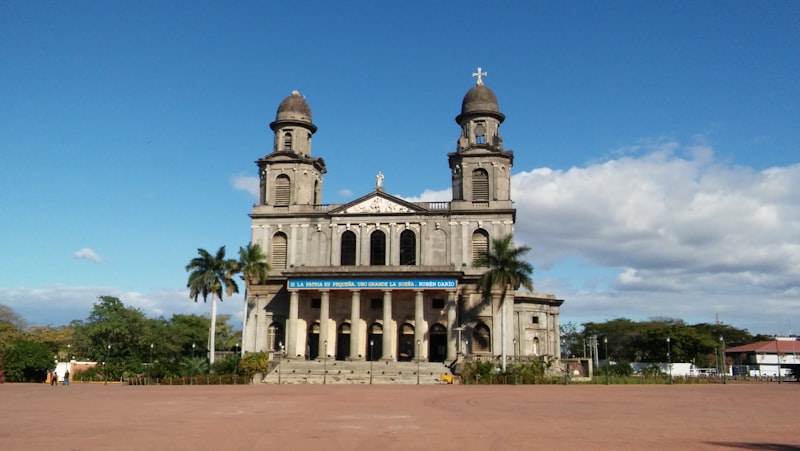
City guide to adult nightlife in Managua, Nicaragua, covering the Zona Rosa corridor, Carretera Masaya clubs, safety advice, and practical travel information.
Compare hotels in Nicaragua
Hotels, hostels, and short-term rentals across the country's main nightlife cities.
Legal Framework
Prostitution is technically illegal in Nicaragua under the Penal Code (Article 178), which prohibits inducing or promoting prostitution. The law doesn't explicitly criminalize the sale of sex by an individual adult, but the legal language is vague enough that both sides of a transaction could theoretically face issues. In practice, enforcement against consensual adult activity is almost nonexistent. The law targets trafficking, exploitation of minors, and organized pimping far more than it targets individual transactions.
Information verified through local contacts as of March 2026.
Nicaragua ratified the Palermo Protocol and has domestic anti-trafficking legislation (Law 896). Penalties for trafficking and exploitation of minors are severe, and the government has worked with international organizations on prevention. Any sexual activity involving a person under 18 is a serious criminal offense carrying heavy prison sentences.
The gap between the written law and daily reality is wide. Adult entertainment venues operate openly in both Managua and Granada. Police occasionally crack down on specific establishments, usually in response to political pressure or complaints from neighbors, but these actions are sporadic and unpredictable.
Enforcement Reality
The Policia Nacional is the primary law enforcement body. Nicaragua doesn't have a dedicated tourist police force, which means visitors deal with the same officers who handle all other matters. Police in nightlife areas are generally aware of what goes on and tend not to interfere with consensual adult activity.
Corruption within the police force is a documented concern. Officers may solicit bribes during routine interactions, particularly from foreigners. If stopped, remain calm and polite. You are not obligated to pay informal fines. Ask for a formal citation or request to be taken to the station. In most cases, the situation resolves without payment if you don't escalate.
Nicaragua's political situation has been unstable since the 2018 crisis, and the Ortega government maintains tight control over institutions including law enforcement. This means policing priorities can shift based on political dynamics rather than consistent legal application. Travelers should avoid any involvement in political activities or protests.
Cultural Context
Nicaragua is the second-poorest country in the Western Hemisphere, and this economic reality shapes every aspect of social life. The average monthly salary is around USD 300-400, meaning foreign visitors carry significant relative purchasing power. This dynamic creates both opportunity and responsibility. Treat people with respect and pay fair prices.
Nicaraguans (Nicas) are generally warm and hospitable. The culture is shaped by Catholic tradition, strong family ties, and a history of political turbulence. Machismo remains a factor in gender relations, though attitudes are shifting among younger urban Nicaraguans. Public displays of affection between couples are normal. Open conversation about sex or adult entertainment is not.
Spanish is the only practical language outside of a handful of tourist-facing businesses in Granada. Even basic Spanish will improve your experience significantly. English is rarely spoken outside hotels and tour agencies.
The country has a slower, more laid-back rhythm than neighboring Costa Rica or Panama. Things don't happen on schedule. Patience and flexibility are not optional; they're survival skills for enjoying Nicaragua.
Dating Culture
Nicaraguan dating culture is traditional and family-oriented. Relationships tend to move through social circles and family networks rather than through apps or casual encounters. In Managua's middle class, dating looks somewhat more modern, with young professionals meeting through work, university, and social media. In smaller cities and rural areas, courtship remains deeply traditional, with family involvement from an early stage.
Men are expected to pay for dates. Chivalry in the traditional Latin American sense is still the norm. Nica women tend to be more reserved in initial interactions than their Costa Rican or Colombian counterparts. Rushing things or being overly forward is likely to backfire.
Foreign men attract attention partly because of perceived economic stability. This is neither unusual nor inherently problematic for Central America, but it means you should be aware of the dynamic. Genuine connections happen, but so do financially motivated ones. The distinction isn't always obvious at first.
Dating Apps
Tinder has the largest user base in Nicaragua, though it's much smaller than in Costa Rica or Colombia. Badoo sees some use nationwide. Facebook Dating and Instagram DMs are probably more common entry points for meeting people than dedicated dating apps.
Spanish is a near-requirement on all platforms. English-speaking profiles exist in Granada's tourist zone but are rare in Managua. Catfishing and scam profiles are present at the same rates you'd find across Central America. Video call before meeting in person.
The user base skews young, and many profiles are from Managua. Outside the capital, app usage drops sharply.
Key Cities
Managua is the capital and largest city, home to about 1.5 million people. It's a sprawling, car-dependent city without a traditional center, having never fully recovered from the devastating 1972 earthquake. Nightlife concentrates along the Carretera Masaya corridor, particularly in the Zona Rosa area. The city isn't a tourist destination in itself, but it has the country's most developed nightlife infrastructure.
Granada sits on the northwest shore of Lake Nicaragua and is the country's colonial jewel. Founded in 1524, it draws the vast majority of Nicaragua's international tourists with its colorful architecture, churches, and proximity to Mombacho Volcano and the Isletas. The tourist nightlife centers on Calle La Calzada, a pedestrian-friendly street running from the central park to the lake. The scene is small but concentrated.
Leon is the other major colonial city, more politically radical and university-driven than Granada. It has a student bar scene but limited adult nightlife infrastructure.
Safety Considerations
Nicaragua requires careful attention to personal safety:
- Petty theft is the most common crime affecting tourists; keep valuables in a hotel safe
- Muggings occur in Managua, particularly at night and in poorly lit areas
- Use radio taxis or hotel-arranged transport at night; don't hail cabs off the street
- Express kidnappings (being forced to withdraw cash from ATMs) have been reported in Managua, though they're rare
- The political situation remains tense; avoid protests, demonstrations, and conversations about politics with strangers
- Medical facilities are limited; carry travel insurance with evacuation coverage
- Roads are poorly maintained and lighting is minimal outside major cities; avoid driving at night
- Natural disaster risk is real (volcanoes, earthquakes, hurricanes); know your hotel's evacuation plan
Common Scams
Drink drugging: Spiking drinks occurs in nightlife settings across Nicaragua. Don't accept drinks from strangers. Keep your drink in your hand and in your line of sight. If you feel disproportionately intoxicated for what you've consumed, get to your hotel or a hospital immediately. Call 118 for police or go directly to a private clinic.
Currency confusion: Nicaragua uses the cordoba (NIO), which trades at roughly 36-37 NIO per USD. Some vendors exploit tourists' unfamiliarity with the currency, particularly when making change. US dollars are accepted at many tourist-facing businesses, but the exchange rate offered is often poor. Know the current rate and count your change.
The helpful stranger: Individuals offering unsolicited help with directions, restaurant recommendations, or transport may be setting up a theft or leading you to an overpriced establishment where they earn a commission. Politely decline help you didn't request.
Taxi overcharging: Managua taxis don't use meters. Agree on the fare before getting in. Ask your hotel for current fair prices to common destinations. Radio taxis (called by phone) are safer and more reliable than street hails.
Romance scams: As across the region, some individuals cultivate what appears to be a genuine romantic interest before introducing requests for money, phone credit, or gifts. Be skeptical of rapid emotional intensity, especially when financial requests follow.
What Not to Do
- Don't engage with anyone who appears to be under 18; Nicaraguan law is strict on exploitation of minors
- Don't carry large amounts of cash or wear expensive jewelry
- Don't walk alone at night in Managua, especially outside the Zona Rosa area
- Don't leave drinks unattended in bars or clubs
- Don't discuss Nicaraguan politics or the Ortega government with strangers
- Don't resist if robbed; hand over belongings and report to police afterward
- Don't take drugs; Nicaragua is a transit point for narcotics and penalties are severe
- Don't drive at night outside major cities; road conditions and lighting are poor
- Don't assume that English is spoken; learn basic Spanish phrases
- Don't photograph police, military, or government buildings
Sources
- U.S. Department of State: Nicaragua Travel Advisory - Entry requirements, safety alerts, and local law summary
- UK Foreign, Commonwealth & Development Office: Nicaragua Travel Advice - Safety, health, and legal information for travelers
- Australian Government Smartraveller: Nicaragua - Travel advisory and practical information
Get the Legal Status PDF, 50 countries
Newsletter signup coming soon. Check back shortly.
Emergency Information: Nicaragua
- Emergency:
- 118
- Tourist Police:
- No dedicated tourist police; report issues to regular police (Policia Nacional) at 118
- Embassy Note:
- Most embassies are in Managua.
Other Options in the Area
Belize
Belize's nightlife revolves around beach bars and island venues, with San Pedro on Ambergris Caye leading the scene. Expect a laid-back Caribbean atmosphere, moderate prices, and a small but friendly bar scene.
Costa Rica
San Jose's Gringo Gulch and Jaco's beachfront bars cater to North American visitors. Legal, moderately priced, and one of Central America's safest destinations.
Guatemala
A small Central American scene concentrated in Guatemala City's Zona Viva and colonial Antigua. Low costs and tolerated activity, but safety demands constant awareness.
Honduras
Honduras has limited nightlife concentrated in Tegucigalpa and Roatan. Extremely high violent crime rates make safety the top priority for any visitor.
Similar Countries in Other Regions
Countries with a similar overall score to Nicaragua (3.4) but in different parts of the world.
Bolivia
3.4South America
La Paz and Santa Cruz offer South America's cheapest nightlife in a country where the adult scene is small, unregulated, and concentrated in a handful of districts. Safety requires extra caution.
Ecuador
3.4South America
Ecuador's nightlife runs on a small scale in Quito and Guayaquil, with cheap drinks, low-key bars, and a scene shaped by local culture rather than tourism. US dollars are the currency.
Madagascar
3.4East Africa
Madagascar's nightlife is concentrated in Antananarivo, where a small bar and club scene operates in a country with widespread poverty and minimal law enforcement capacity.
Was this guide helpful?