
Before You Travel to Ecuador
Five things every smart traveler sorts before booking.
- 1
Passport valid 6+ months from entry date
Most countries refuse entry on passports expiring within six months. Renew now if you're close.
- 2
Visa requirements for Ecuador
Some are visa-free, some require an e-visa filed days ahead, some need an embassy appointment.
- 3
Travel insurance booked
A hospital visit in Ecuador can run $4,000-15,000 without cover. Credit card insurance usually excludes alcohol-related incidents.
- 4
eSIM data plan ready before landing
Airport SIM kiosks need your passport and overcharge tourists. Install an eSIM in 60 seconds, online before you fly.
- 5
Accommodation reserved in the right district
The wrong neighborhood means a 45-minute taxi every night. Map the venues first, then book.
City Guides in Ecuador
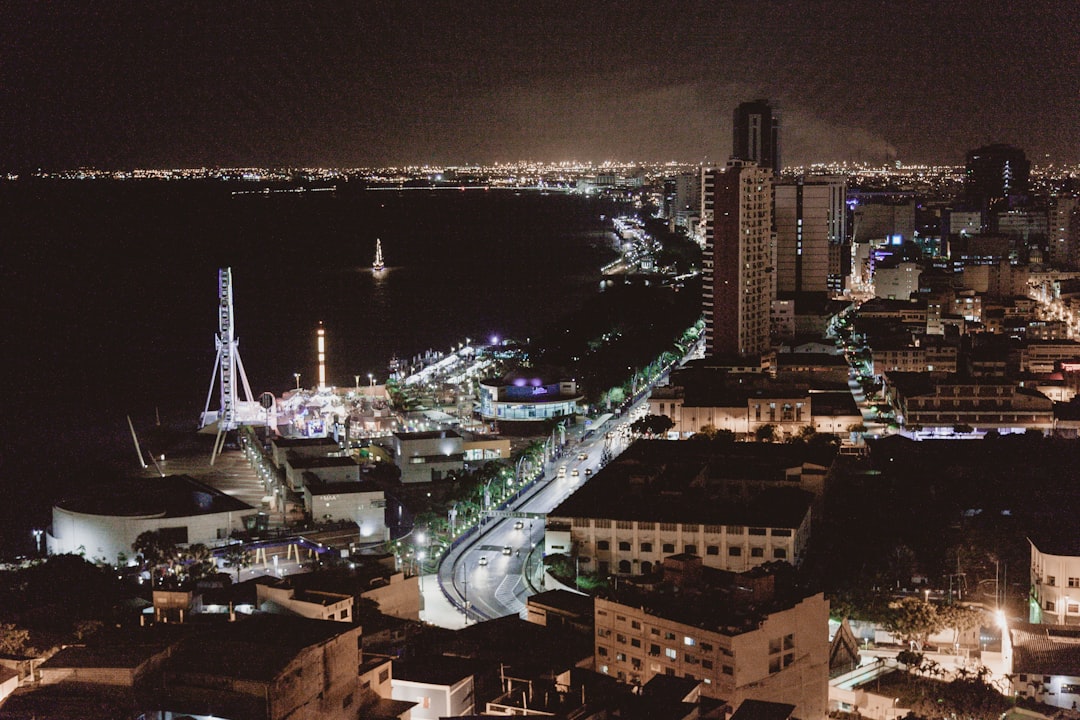
Guayaquil
City guide to adult nightlife in Guayaquil, covering the Malecon, Las Penas, safety warnings, and cultural context for visitors.
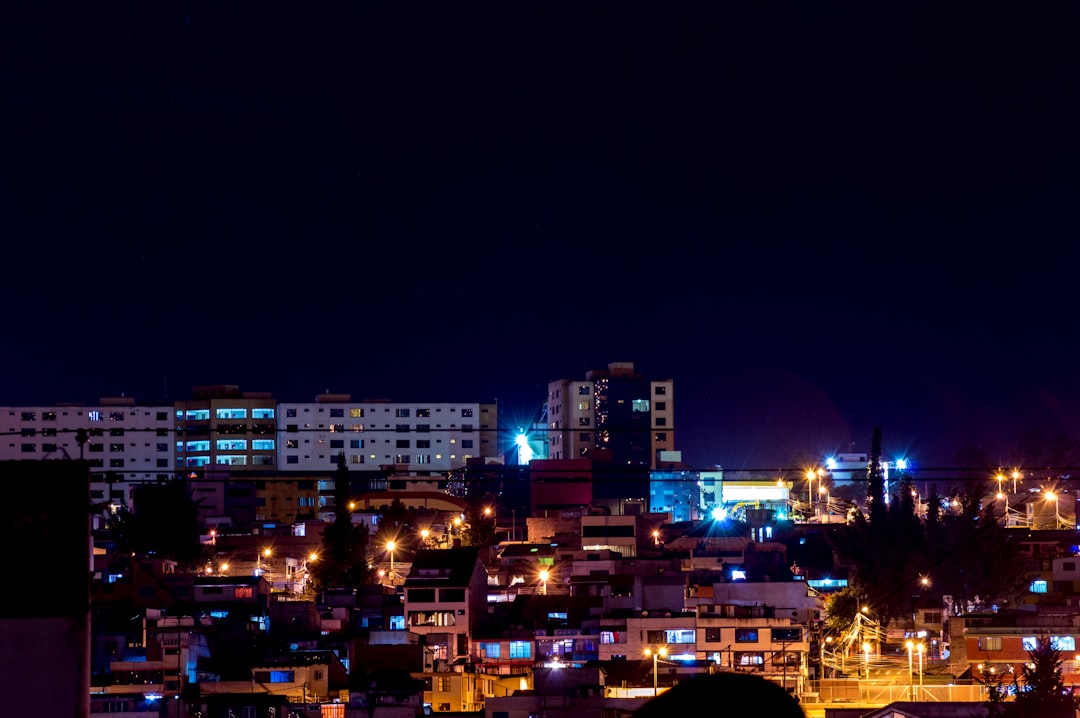
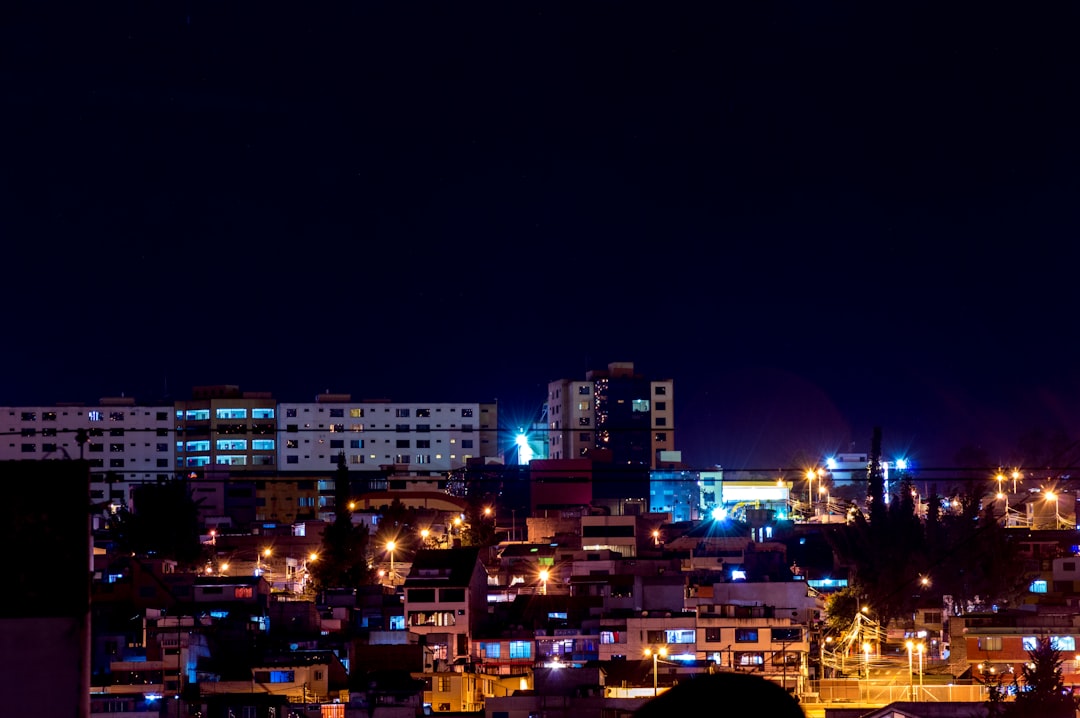
Quito
City guide to adult nightlife in Quito, covering La Mariscal, safety warnings, altitude tips, and cultural context for visitors.
Compare hotels in Ecuador
Hotels, hostels, and short-term rentals across the country's main nightlife cities.
Legal Framework
Prostitution is legal in Ecuador for adults over 18. The country regulates sex work through municipal health ordinances that require registered workers to carry health cards and undergo regular medical checkups. Registered establishments operate within designated tolerance zones set by local governments.
Based on on-the-ground reporting from March 2026.
The legal framework distinguishes between voluntary adult sex work and exploitation. Pimping, trafficking, and operating unlicensed establishments carry criminal penalties. Ecuador's penal code punishes trafficking with 13 to 16 years in prison, and penalties increase when minors are involved.
Municipal governments in Quito and Guayaquil manage zoning for tolerance zones. These zones shift over time as city governments respond to neighborhood complaints and urban development plans. Registered venues in these zones operate openly with municipal permits.
Enforcement Reality
Enforcement is inconsistent across the country. Registered establishments in designated zones operate without interference. Outside these zones, police conduct periodic raids on unlicensed venues, though enforcement follows political cycles and public pressure more than consistent policy.
Police corruption remains a concern. Officers sometimes solicit bribes from both venue operators and patrons. The tourist police in Quito's historic center are generally professional and helpful, but regular police units vary in reliability. Always ask for badge identification if stopped.
Ecuador reformed its police force after a 2010 institutional crisis. Standards have improved, but the reform process is ongoing. Foreign visitors should carry a copy of their passport at all times, as police can legally request identification.
Cultural Context
Ecuadorian nightlife culture starts late and runs into the early morning. Dinner begins around 8 or 9 PM, and bars fill up after 10 PM. Clubs don't hit peak energy until midnight or later. Dancing is central to social life, with salsa, reggaeton, and cumbia dominating most venues.
The adult entertainment scene is small compared to neighboring Colombia or Peru. Ecuador doesn't draw significant sex tourism, and the nightlife scene caters primarily to locals. This means fewer English speakers, less tourist infrastructure, and a more authentic experience for those who speak Spanish.
Quito and Guayaquil have distinct personalities. Quito's highland setting creates a more reserved, formal culture. Guayaquil's coastal heat produces a louder, more relaxed social atmosphere. Both cities have active nightlife districts, but the scale is modest by regional standards.
Dating Culture
Ecuadorian culture places high value on family, religion, and traditional gender roles. Men are expected to pay for dates, open doors, and show consistent attention. Women generally don't split bills in the early stages of dating. Small gestures of chivalry carry real weight.
Family involvement comes early. Being introduced to parents and siblings can happen within weeks of dating, which signals acceptance rather than pressure toward marriage. Declining family invitations may be interpreted as a lack of serious interest.
Foreign men receive a mixed reception. Genuine curiosity exists, but so does wariness. Age gaps under ten years draw little attention. Larger gaps are more socially visible in smaller Ecuadorian cities than in Quito or Guayaquil.
Regional differences matter. Women from the Sierra (highlands, including Quito) tend to be more reserved in initial interactions. Costenas from the coast (Guayaquil, Manta) are generally more outwardly expressive and direct. Indigenous communities in the highlands and Amazon maintain distinct cultural norms that differ significantly from urban dating culture.
Dating Apps
Tinder is the most widely used dating app in Ecuador's major cities. Bumble has a smaller but growing user base, concentrated among university-educated women in Quito. Badoo remains popular among slightly older demographics. Latin American Cupid caters to international dating but carries a stigma among many locals.
Spanish dominates every platform. Profiles in English only will limit matches severely outside of dedicated international dating apps. Even basic Spanish in your bio signals effort that Ecuadorians notice and appreciate.
Scam profiles exist on all platforms. Be cautious of accounts that push quickly toward meeting at a specific venue or that request money. Video call before meeting in person. Choose a public place for first dates, and don't share your accommodation address until you've met several times.
Key Cities
Quito is the capital and has the country's most developed nightlife scene, concentrated in the La Mariscal neighborhood. The city sits at 2,850 meters elevation, so pace yourself with alcohol until you've acclimatized.
Guayaquil is Ecuador's largest city and commercial hub. The waterfront Malecon 2000 and Las Penas neighborhood offer bars and nightlife with a coastal atmosphere.
Safety Considerations
Ecuador requires more caution than most European destinations. Crime rates have risen in recent years, particularly in Guayaquil:
- Use only trusted transportation (Uber, taxi apps, or hotel-arranged vehicles). Never hail street taxis at night in either city
- Petty theft and pickpocketing are common in crowded areas and on public transport
- Do not display expensive electronics, jewelry, or watches
- Keep cash in multiple locations and carry only what you need for the night
- Share your location with someone you trust when going out
- Avoid walking between venues after dark, even in tourist areas
- The altitude in Quito (2,850m) affects alcohol tolerance. Drink less than you normally would
- Travel insurance with medical evacuation coverage is strongly recommended
Common Scams
Express kidnapping: Criminals force victims into taxis and drive them to ATMs to withdraw cash over several hours. This happens most frequently with unmarked taxis. Never get into an unmarked vehicle, especially at night.
Drink spiking: Less common than in Colombia but documented in tourist nightlife areas. Watch your drinks being prepared and never accept drinks from strangers.
Overcharging: Some bars and clubs run different price lists for foreigners, particularly in La Mariscal. Confirm prices before ordering and review your bill carefully.
Distraction theft: Teams work together where one person creates a distraction (spilling a drink, asking for directions) while an accomplice takes your belongings.
Fake police: Individuals posing as officers demand to search your bags and confiscate cash or valuables. Real police carry proper identification and will accompany you to a station for any formal procedure.
What Not to Do
- Do not hail taxis off the street at night. Use Uber or a taxi app
- Do not carry more cash than you plan to spend
- Do not display expensive electronics or jewelry
- Do not walk alone between venues after dark
- Do not accept drinks or food from strangers
- Do not resist armed robbery. Comply and report to police afterward
- Do not engage with anyone who appears underage. Ecuadorian law treats this with severe penalties
- Do not underestimate the altitude in Quito. Acclimatize before heavy drinking
Sources
- U.S. Department of State: Ecuador Travel Advisory - Entry requirements, safety alerts, and local law summary
- UK Foreign, Commonwealth & Development Office: Ecuador Travel Advice - Safety, health, and legal information for travelers
- Australian Government Smartraveller: Ecuador - Travel advisory and practical information
Get the Legal Status PDF, 50 countries
Newsletter signup coming soon. Check back shortly.
Emergency Information: Ecuador
- Emergency:
- 911
- Tourist Police:
- Tourist police operate in Quito's historic center and major tourist areas
- Embassy Note:
- Most embassies are in Quito. Guayaquil has consular offices for several countries.
Also Worth Considering
Argentina
Buenos Aires blends European sophistication with Latin passion. Palermo's upscale bars, San Telmo's tango culture, and some of South America's most striking women.
Bolivia
La Paz and Santa Cruz offer South America's cheapest nightlife in a country where the adult scene is small, unregulated, and concentrated in a handful of districts. Safety requires extra caution.
Brazil
Rio's Copacabana, Sao Paulo's Vila Olimpia, and stunning women across every price range. Legal, unregulated, and deeply woven into the nightlife culture of South America's largest country.
Chile
Santiago and Valparaiso offer South America's most orderly nightlife scene, with cocktail bars, live music, and a late-night culture shaped by Chilean reserve and European influence.
Similar Countries in Other Regions
Countries with a similar overall score to Ecuador (3.4) but in different parts of the world.
Costa Rica
3.4Central America
San Jose's Gringo Gulch and Jaco's beachfront bars cater to North American visitors. Legal, moderately priced, and one of Central America's safest destinations.
Guatemala
3.4Central America
A small Central American scene concentrated in Guatemala City's Zona Viva and colonial Antigua. Low costs and tolerated activity, but safety demands constant awareness.
Madagascar
3.4East Africa
Madagascar's nightlife is concentrated in Antananarivo, where a small bar and club scene operates in a country with widespread poverty and minimal law enforcement capacity.
Was this guide helpful?