
The Key Neighborhoods
Detailed guides for every area
District Map of Guayaquil
Pick a district to recenter the map and see hotels nearby.
Where to stay in Guayaquil
Compare hotels and rentals across the city's nightlife districts.
See places to stay and current pricesOverview
Guayaquil is Ecuador's largest city, with roughly 3 million people spread along the Guayas River on the Pacific coast. The heat is constant, typically 28-32 degrees Celsius year-round, and it shapes everything about the nightlife. People go out later, dress lighter, and drink more beer than in the highlands. The city serves as Ecuador's commercial engine and gateway to the Galapagos Islands.
Research conducted through direct venue visits and local interviews.
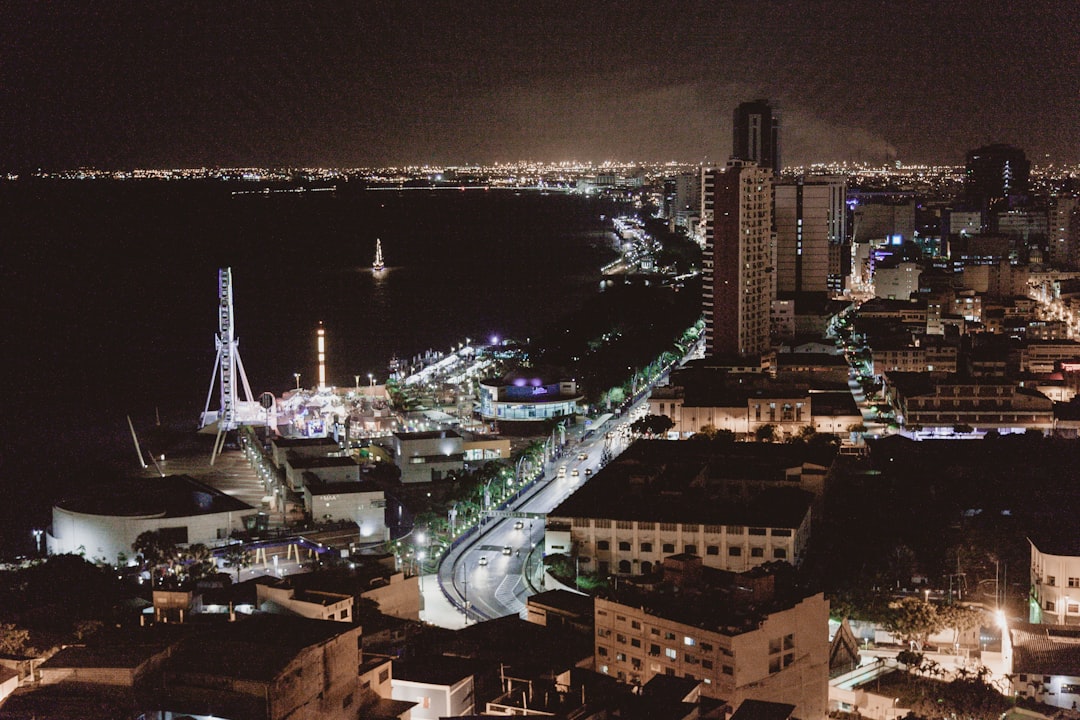
Nightlife is smaller than what you'd find in comparably sized South American cities. It's real though. The Malecon 2000 waterfront, the colorful Las Penas hillside neighborhood, and the Urdesa district each have their own character after dark.
Legal Context
Ecuador's national framework permits adult sex work with health registration. Guayaquil's municipal government manages tolerance zones separately from Quito. The city has gone through several rounds of relocating and restructuring these zones over the past decade.
Enforcement focuses primarily on unlicensed activity and anti-trafficking operations. The municipal police and national police sometimes conduct joint operations in nightlife areas, particularly around holidays. Foreign visitors are subject to the same laws as Ecuadorians, and consular assistance has limits in legal disputes.
Key Areas
Las Penas / Malecon 2000. The waterfront promenade and the hillside Las Penas neighborhood form Guayaquil's most concentrated nightlife zone. Bars line the steps of the Cerro Santa Ana climb, and the Malecon has restaurants and entertainment venues.
Urdesa / Zona Rosa. A commercial neighborhood with restaurants, bars, and clubs along Victor Emilio Estrada avenue. The Zona Rosa section draws a younger, more upscale crowd.
Kennedy Norte. A newer commercial district with entertainment complexes and nightclubs. Less walkable than Las Penas but popular with locals on weekends.
Safety
Guayaquil is the most dangerous city in Ecuador. Take this seriously.
Armed robbery is a real and frequent risk. Guayaquil has experienced rising crime rates in recent years. Do not resist if confronted. Hand over your belongings. Your safety matters more than your phone or wallet.
- Use Uber or InDriver exclusively. Street taxis are high-risk, especially at night
- Stay in established areas. The Malecon, Las Penas, Urdesa, and Kennedy Norte are the safest zones
- Do not walk between venues. Take a car, even for short distances after dark
- Carry minimal cash and one phone. Leave everything else locked at the hotel
- Travel in groups. Solo nightlife outings carry significantly higher risk
- Be aware of your surroundings. Phone snatching and pickpocketing happen in broad daylight
- Avoid the southern districts and any area your hotel staff advises against
Costs and Pricing
Guayaquil is one of the cheapest nightlife cities in South America. Everything is priced in US dollars.
A domestic beer (Pilsener, Club) costs $1.50-2.50 at most bars. Craft beer runs $3-5. Cocktails cost $3-6 at standard bars. A bucket of six beers at a casual bar goes for $8-12.
Club entry is often free or $3-5 on standard nights. Special events or international acts charge $10-15. Many bars have no cover.
Street food costs $1-2. An almuerzo (set lunch) runs $2.50-4. A full meal at a local restaurant costs $5-10. Mid-range dining in Urdesa or the Malecon costs $12-20 per person.
Uber rides within the nightlife areas cost $2-4. From the airport to the Malecon runs $5-8.
Hostels start at $8-10 for dorms. Budget hotels run $20-35. Mid-range hotels cost $40-70 per night.
Cultural Norms
Guayaquilenos are louder, warmer, and more physically expressive than highland Ecuadorians. Physical contact during conversation is normal. People stand closer and speak more directly. The coastal identity shapes social interactions in noticeable ways.
- Music is loud everywhere. Reggaeton, salsa, and cumbia dominate
- Dancing is expected, not optional. If you're at a club, you dance
- Spanish is essential. English speakers are rare outside international hotels
- The heat means lighter clothing. Men wear jeans or chinos with a button-down or polo. Women dress up more than in Quito
- Nightlife peaks late, from midnight to 3 AM or later on weekends
- Sharing rounds of beer is common. Refusing drinks can be seen as rude among friends
Social Scene
The Las Penas staircase climb up Cerro Santa Ana has small bars at various levels, creating a natural bar crawl. The views get better as you climb. At the base, the Malecon 2000 promenade has restaurants and bars with river views that attract a mix of tourists and locals, especially on weekend evenings.
Urdesa's Victor Emilio Estrada avenue has a string of bars and restaurants that draw Guayaquil's young professional crowd. The area is more car-dependent than Las Penas, but the concentration of options along the main strip makes it walkable once you arrive.
Guayaquil's social scene revolves heavily around group outings. People go out in large groups of friends and family. Solo visitors are uncommon at local venues, which can make breaking into social circles harder. Hostel bars and the few expat-oriented spots around the Malecon offer easier entry points.
Local Dating Notes
Guayaquilenas tend to be more outwardly expressive than women from the Sierra. Flirtation is more direct, and physical affection comes earlier in the courtship process. Family remains central to relationships, and introductions happen quickly. The city has far fewer foreign visitors than Quito, which means less wariness but also less familiarity with cultural differences. Speaking Spanish is practically required for any meaningful connection here.
Scam Warnings
Armed robbery. The primary risk in Guayaquil. Criminals target people leaving bars and restaurants, particularly those who appear intoxicated or are walking alone.
Express kidnapping. Similar to Quito, criminals force victims into vehicles and drive them to ATMs. Use app-based transport only.
Overcharging at bars. Some venues inflate prices for tourists or add unexpected charges to bills. Check prices beforehand and review your tab carefully.
Distraction theft. Groups work together, with one person engaging you in conversation while another takes your wallet or phone.
Best Times
- Thursday through Saturday are the main nightlife nights
- 9 PM to 11 PM: Bars fill up
- Midnight to 3 AM: Clubs peak
- Sunday through Wednesday: Very quiet
- October independence celebrations (October 9): Big parties across the city
- Carnival (February/March): Street celebrations that spill into extended nightlife
- Dry season (June to November): Less humid, more comfortable for going out
- Wet season (December to May): Hot and sticky, but nightlife continues
Getting Around
- Uber / InDriver: The only recommended option after dark
- Metrovia: Bus rapid transit system. Useful during the day but not safe at night
- Walking: Limited to the Malecon promenade and Las Penas staircase area. Never walk between neighborhoods after dark
- Registered taxis: Have your hotel or restaurant call one if ride apps aren't available
What Not to Do
- Do not walk alone at night, anywhere in the city
- Do not hail taxis on the street
- Do not carry expensive electronics or jewelry when going out
- Do not venture into southern or western neighborhoods
- Do not carry large bills. Many places can't break $50 or $100 notes
- Do not resist robbery. Give up your belongings and report to police afterward
- Do not engage with anyone who appears underage. Legal penalties are severe
- Do not assume the Malecon is completely safe after midnight. Stay alert even in tourist areas
Get the Legal Status PDF, 50 countries
Newsletter signup coming soon. Check back shortly.
Flights to Guayaquil
Compare prices across airlines. Filter by stops, time, and cabin.
Airport transfer to Guayaquil
Pre-booked transfers cost about the same as a metered taxi but cut out the airport queue, the meter argument, and the "no English" routine that takes some drivers to the wrong address. Fixed price quoted before booking, driver tracks your flight, waits with a name sign at arrivals.
Book a KiwiTaxi transferFrequently Asked Questions
Was this guide helpful?