
Where the Nightlife Is
Tap a district for venues, prices, and safety info
Calle Montera
3/5ModerateDistrict guide to Calle Montera in Madrid, covering Spain's most well-known adult entertainment street, safety, costs, and cultural context.
8 nightlife spots listed
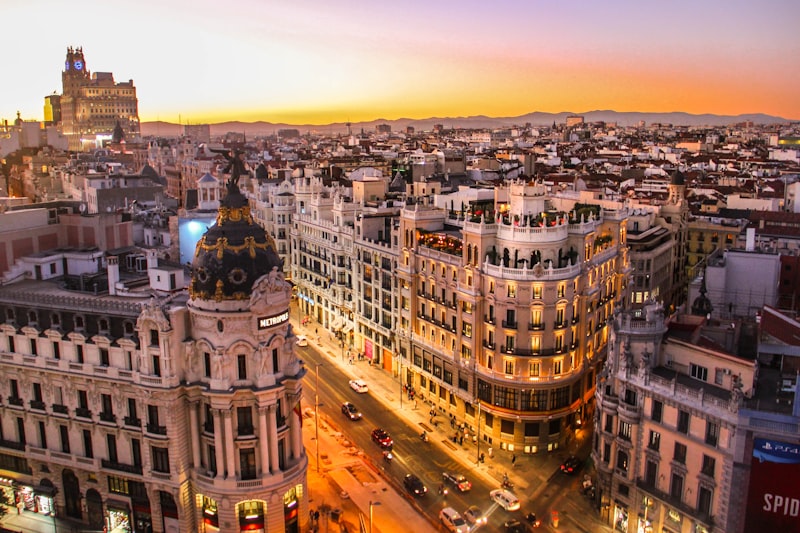
Gran Vía
4/5SafeDistrict guide to Gran Vía in Madrid, covering Spain's most famous boulevard, its nightlife, entertainment venues, and practical tips.
11 nightlife spots listed
La Latina
5/5Very SafeDistrict guide to La Latina in Madrid, covering the tapas scene on Cava Baja, Sunday socializing, and practical tips for Madrid's most traditional nightlife neighborhood.
9 nightlife spots listed
District Map of Madrid
Pick a district to recenter the map and see hotels nearby.
Where to stay in Madrid
Compare hotels and rentals across the city's nightlife districts.
See places to stay and current pricesOverview
Madrid is one of Europe's great nightlife cities, and locals will tell you it's the greatest. There's a case to be made. The city runs on a social clock that makes New York look early-to-bed. Dinner at 10 PM is normal. Clubs that open at midnight are considered early. And the streets around Sol and Gran Via stay packed until sunrise, seven nights a week in summer.
Local contacts verified current conditions for this guide.
The capital's adult entertainment scene centers on a surprisingly small area. Calle Montera, a short pedestrian street connecting Puerta del Sol to Gran Via, has been associated with the sex trade for decades. The surrounding blocks contain a mix of traditional nightlife, adult venues, and the standard tourist infrastructure of hotels, restaurants, and shops. It's not a segregated red-light district like Hamburg's Reeperbahn or Amsterdam's De Wallen. Instead, adult entertainment weaves into Madrid's general nightlife fabric.
Beyond the adult entertainment scene, Madrid offers enormous depth as a social city. Malasana has independent bars and a creative crowd. Chueca is the LGBTQ+ center with some of Europe's best nightlife. La Latina fills with tapas-hopping locals on Sunday afternoons. Huertas (Barrio de las Letras) has traditional bars and a tourist-friendly atmosphere. Each neighborhood has its own character, and moving between them is easy on foot or by metro.
Legal Context
Spain doesn't criminalize prostitution. Individual sex work between consenting adults isn't illegal. But the country also hasn't created any regulatory structure, leaving the industry in an unregulated gray zone.
What is illegal: third-party profiting from sex work (proxenetismo), trafficking, and exploitation. The Community of Madrid doesn't impose specific local ordinances on adult entertainment beyond standard business licensing. This means Madrid is more permissive in practice than Barcelona, which has introduced civic ordinances targeting street-based sex work.
Clubs de alterne operate throughout the city with standard business licenses. Police rarely interfere with licensed indoor establishments unless there are complaints, evidence of trafficking, or involvement of minors. Street-based activity around Calle Montera draws more police attention, with periodic sweeps that temporarily reduce visibility but don't eliminate the trade.
Key Areas
Calle Montera. This 450-meter street runs from Puerta del Sol north to Gran Via. By day, it's a standard commercial street with shops and fast-food restaurants. After dark, particularly from Thursday through Saturday, it becomes Madrid's most visible adult entertainment corridor. Workers (predominantly immigrant women from Latin America, Eastern Europe, and sub-Saharan Africa) solicit along the street and in adjacent doorways. The activity is concentrated between 10 PM and 4 AM.
Gran Via. Madrid's main boulevard is a conventional nightlife and entertainment corridor with cinemas, theaters, bars, and clubs. The western stretch toward Plaza de Espana has a concentration of clubs and late-night venues. Gran Via itself isn't an adult entertainment area, but it borders and intersects with the zones where such activity occurs. Several pisos (private apartments offering services) operate in buildings along Gran Via and its immediate side streets.
La Latina. This historic neighborhood south of the Royal Palace is Madrid's premier tapas district. Calle Cava Baja and surrounding streets pack dozens of traditional bars into a walkable area. On Sunday afternoons, the area fills with locals doing the "cana y tapa" circuit (a beer and a snack at each stop). La Latina is purely a conventional social area with no adult entertainment presence, but it's one of the best places in Madrid for meeting people in a relaxed setting.
Safety
Madrid is statistically one of Western Europe's safer capitals. The murder rate is about 0.8 per 100,000, lower than most major European cities. Violent crime against tourists is genuinely rare. Your real risks are property crime and scams:
- Pickpocketing is a daily hazard around Sol, Gran Via, the Rastro flea market, and on the metro. Professional teams use distraction techniques. Front pockets, money belts, and zipped bags are your defense
- The area around Calle Montera after midnight can feel edgy, but physical danger to passersby is minimal. The police maintain a visible presence
- Fake police scams occur occasionally near Sol. Real police carry official ID and will never ask to inspect your wallet on the street
- Madrid's metro is safe but watch for pickpockets on Line 1 (especially between Sol and Atocha) and on crowded trains during rush hours
- Emergency care is excellent. Hospital Universitario La Paz and Hospital Gregorio Maranon are major facilities. EU citizens should carry an EHIC card. Non-EU visitors need travel insurance, though emergency rooms treat everyone regardless
Costs and Pricing
Madrid is mid-range for a Western European capital. Significantly cheaper than London, Paris, or Amsterdam, but pricier than Lisbon or Prague.
Drinks. A caña (small draft beer, about 200ml) costs EUR 2-3 at a normal bar. A full pint runs EUR 4-6. Wine by the glass is EUR 3-5 for something perfectly drinkable. Cocktails cost EUR 8-12 at standard bars and EUR 12-18 at upscale spots. Pre-gaming at a supermarket brings the cost down to EUR 0.80-1.50 per beer.
Food. Tapas range from EUR 3-8 per portion. The menu del dia (weekday set lunch with three courses and a drink) runs EUR 11-15 at most restaurants and is one of the best deals in European dining. Dinner at a mid-range restaurant costs EUR 18-30 per person. Late-night food options are everywhere; bocadillos de calamares (squid sandwiches) from stands near Plaza Mayor cost EUR 3-4 and are a Madrid institution at 3 AM.
Transport. A single metro ticket costs EUR 1.50-2.00 depending on the number of stations. A 10-ride Metrobus card costs EUR 12.20. Taxis start at EUR 2.50 (EUR 3.15 at night) plus EUR 1.10-1.30 per kilometer. The fixed taxi fare from Barajas airport to the center is EUR 30. Cabify is widely available and generally matches taxi prices.
Accommodation. Hostel dorms start at EUR 18-30 per night. Budget hotels run EUR 45-75. Mid-range hotels in the center cost EUR 80-140. Boutique and upscale options start at EUR 140-250. During peak periods (September-October, Easter week, San Isidro in May), prices jump 30-50%.
Adult entertainment. Services along Calle Montera typically start at EUR 30-60 for brief encounters. Piso-based services range from EUR 50-150 per session depending on the establishment and services. Escort agencies charge EUR 150-400 per hour. Clubs de alterne charge EUR 10-30 for drinks (for the worker's drink, called a "copa") plus EUR 80-200 for private services.
Social Scene
Malasana. The neighborhood around Plaza del Dos de Mayo is Madrid's creative quarter. Independent bars, vintage shops, and art spaces fill narrow streets. Drinks are cheaper here than in the center (EUR 3-5 for cocktails at some spots), and the crowd skews young, creative, and local. Calle Pez, Calle Espiritu Santo, and Calle San Vicente Ferrer are the main bar strips.
Chueca. Madrid's LGBTQ+ neighborhood has some of the city's best nightlife regardless of orientation. The bars and clubs here are welcoming, well-managed, and packed on weekends. Plaza de Chueca is the center point. During Orgullo (Madrid Pride, late June/early July), the entire neighborhood becomes one of Europe's biggest street parties.
Huertas / Barrio de las Letras. Named after the literary figures who once lived here (Cervantes, Lope de Vega), this neighborhood is dense with bars and accessible for visitors. Calle Huertas itself has a mix of tourist bars and local spots. The surrounding side streets are better. Plaza de Santa Ana is a good starting point.
Kapital. One of Madrid's most famous nightclubs, spread across seven floors near Atocha station. Each floor plays different music. It's touristy but functional if you want a big-club experience. Entry runs EUR 15-20 including a drink. Opens at midnight, peaks around 3 AM.
Coworking spaces like WeWork (several locations), Impact Hub, and Google Campus have become genuine social hubs. The Erasmus and expat community is large, with regular meetups through InterNations, Madrid Expats, and various Meetup.com groups. Language exchanges (intercambios) happen several nights a week at bars throughout the center and are one of the easiest ways to meet Madrilenos.
Local Dating Notes
Madrilenos are sociable but not as immediately extroverted as Andalusians. Conversations start easily enough, but real connection builds over multiple encounters. The Spanish concept of "quedar" (making plans to meet up) is central; casual suggestions to "hang out sometime" without a specific plan get forgotten. Propose a day, a time, and a place.
Tinder works well in Madrid, with a large and active user base. Bumble is growing. Badoo still has a significant presence, especially among slightly older users (30+). Write your profile in Spanish, even if it's imperfect. English-only profiles limit your reach to other foreigners and the internationally-oriented minority of locals.
Scam Warnings
Clip joints near Sol. Small bars on side streets near Puerta del Sol use attractive touts to lure men inside. Once seated, drinks arrive at EUR 30-60 each, and the bill quickly hits EUR 200-500. When you try to leave, large bouncers block the exit. These operations tend to cluster on streets between Sol and Callao. Never follow a tout into a venue you didn't choose yourself.
Street shell games (trileros). Three-cup monte games set up near Sol and on Gran Via. The "winners" are accomplices. You will lose. Crowds around the game include pickpockets working the distracted audience.
Friendly strangers with bar suggestions. If someone you just met enthusiastically recommends a specific bar and offers to take you there, they're probably earning a commission, and you're about to get overcharged. Choose your own venues.
ATM skimming. Use ATMs inside bank branches, not standalone machines on tourist streets. Cover the keypad when entering your PIN.
Best Times
Madrid's nightlife peaks Thursday through Saturday. The city is quieter Sunday through Wednesday, though you'll still find open bars and restaurants any night. Several factors shape the calendar:
- September and October are arguably the best months for visiting. Summer heat has broken (July and August regularly exceed 40°C), locals have returned from vacation, and the city's energy is at its highest
- San Isidro (mid-May) is Madrid's patron saint festival, with bullfights, concerts, and street parties
- Summer (July-August) empties the city of locals, many of whom head to the coast. Tourist areas stay busy, but neighborhood bars in residential areas go quiet. The heat makes walking between venues brutal
- Christmas and New Year bring festive energy and holiday crowds
- Orgullo (late June/early July) turns Chueca and surrounding neighborhoods into a week-long celebration
- Weekend nightlife peaks between 1 AM and 5 AM. Arriving at a club before midnight means drinking alone
Getting Around
- Metro: 13 lines cover the city comprehensively. Runs 6:00 AM to 1:30 AM. Night owls need alternatives
- Night buses (Buho): 27 routes radiate from Plaza de Cibeles, running from midnight to 6:00 AM with 20-35 minute frequencies
- Cercanias (commuter rail): Useful for reaching areas like Barajas airport. Same ticket system as metro
- Cabify: The dominant ride-hailing app in Madrid. Generally reliable and fairly priced
- Uber: Available in Madrid but with a smaller fleet than Cabify
- Taxis: White cars with a red diagonal stripe. Metered and generally honest. Available at stands or flagged down. EUR 30 fixed fare from the airport
- Walking: The nightlife core (Sol, Gran Via, Malasana, Chueca, La Latina, Huertas) is compact. You can walk between all of these neighborhoods in under 20 minutes
What Not to Do
- Do not follow touts into bars near Puerta del Sol. This is the highest-risk scam zone in Madrid
- Do not play shell games or stand near them (pickpocket risk)
- Do not carry your passport unless required. A photocopy is sufficient for most situations. Keep the original in your hotel safe
- Do not arrive at restaurants before 9 PM for dinner and expect a full experience. Staff are setting up. The kitchen is barely warm
- Do not eat at restaurants on Plaza Mayor unless you want to pay triple for tourist-grade food. Walk two blocks in any direction for better options at real prices
- Do not leave drinks unattended in clubs
- Do not haggle aggressively with street-based workers. Confirm terms clearly and move on if they don't match your budget
- Do not assume Spanish people are always available for English conversation. Learn basic Spanish; it changes every interaction
Get the Legal Status PDF, 50 countries
Newsletter signup coming soon. Check back shortly.
Flights to Madrid
Compare prices across airlines. Filter by stops, time, and cabin.
Airport transfer to Madrid
Pre-booked transfers cost about the same as a metered taxi but cut out the airport queue, the meter argument, and the "no English" routine that takes some drivers to the wrong address. Fixed price quoted before booking, driver tracks your flight, waits with a name sign at arrivals.
Book a KiwiTaxi transferFrequently Asked Questions
Related Guides
Calle Montera
District guide to Calle Montera in Madrid, covering Spain's most well-known adult entertainment street, safety, costs, and cultural context.
Read guideGran Vía
District guide to Gran Vía in Madrid, covering Spain's most famous boulevard, its nightlife, entertainment venues, and practical tips.
Read guideLa Latina
District guide to La Latina in Madrid, covering the tapas scene on Cava Baja, Sunday socializing, and practical tips for Madrid's most traditional nightlife neighborhood.
Read guideWas this guide helpful?