Calle Montera
Legal, Unregulated3/5ModerateDistrict guide to Calle Montera in Madrid, covering Spain's most well-known adult entertainment street, safety, costs, and cultural context.

Where to stay near Calle Montera
Hotels walking distance from the venues on this page.
See places to stay and current pricesAfter Dark
Sorted by rating and popularity
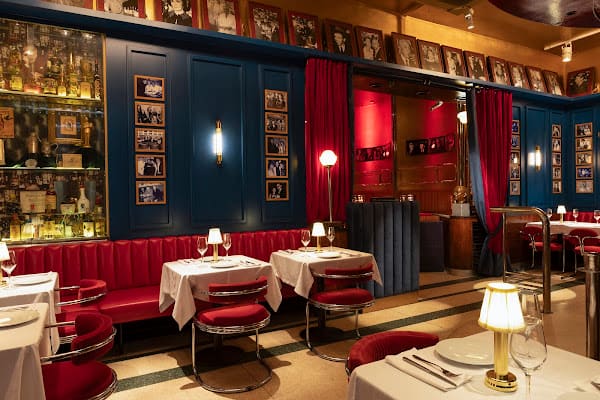
Museo Chicote
Madrid institution since 1931, this cocktail bar on Gran Via has served Hemingway, Ava Gardner, and Frank Sinatra. Classic interiors, strong drinks, and a grown-up atmosphere that feels like a time capsule from a more glamorous era.
Gran Vía 12, 28013 Madrid
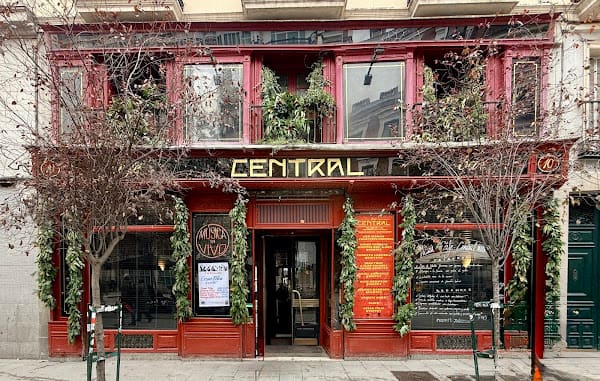
Cafe Central
Intimate jazz club near Plaza de Santa Ana that has hosted international and Spanish jazz artists since 1982. Shows start at 9 PM nightly, with a EUR 15-18 cover charge. Standing room fills fast on weekends.
Plaza del Ángel 10, 28012 Madrid
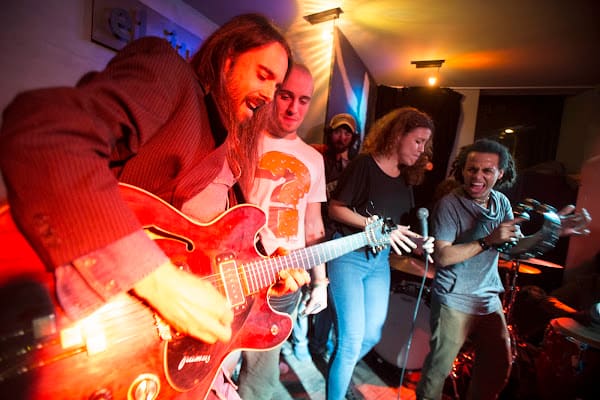
El Junco
Compact club near the Chueca-Gran Via border playing soul, funk, and jazz-influenced electronic music. The crowd is local and slightly older than the mega-club scene. Free entry before midnight on most nights.
Plaza de Santa Bárbara 10, 28004 Madrid
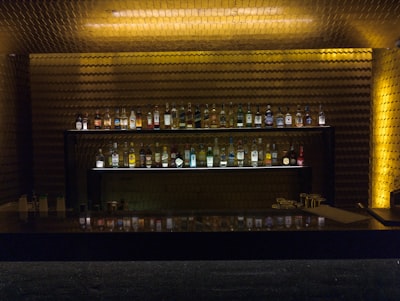
Chocolateria San Gines
Operating since 1894 in a narrow alley near Sol, this late-night institution serves thick hot chocolate and churros to everyone from clubbers to families. The green-and-white tiled interior is a Madrid landmark. Open 24 hours on weekends.
Pasadizo de San Ginés 5, 28013 Madrid
La Via Lactea
Legendary Malasana bar open since 1981, covered floor to ceiling in band stickers, graffiti, and rock memorabilia. The drinks are cheap, the music is loud, and the crowd spans generations of Madrid's alternative scene.
Calle de Velarde 18, 28004 Madrid
Tempo Club
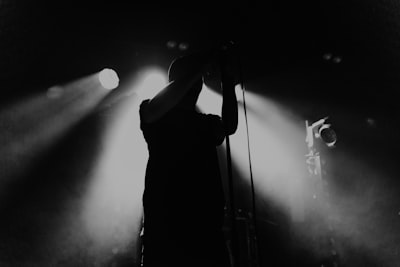
Live music venue near Chueca hosting jazz, blues, soul, and funk acts in an intimate basement setting. Shows most nights of the week with a cover charge of EUR 8-12. The sound quality is excellent for the room's size.
Calle del Duque de Osuna 8, 28015 Madrid
Salmon Guru
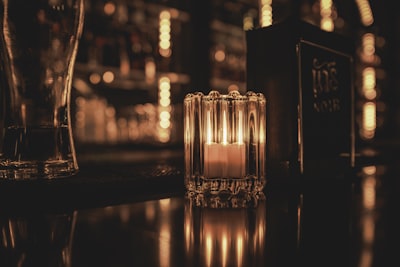
Award-winning cocktail bar near Sol run by Argentine bartender Diego Cabrera. The menu is creative and theatrical, with drinks that arrive in unusual vessels and use unexpected ingredients. Ranked among the world's best bars.
Calle de Echegaray 21, 28014 Madrid
Cafe Berlin
Multi-genre music venue near Callao that transitions from live concerts early in the evening to DJ sessions after midnight. The programming ranges from jazz to electronic to Latin. Small dance floor with good energy.
Costanilla de los Ángeles 20, 28013 Madrid
Overview and Location
Calle Montera runs 450 meters from Puerta del Sol northward to Gran Via, cutting through the geographic center of Madrid. By day, it's unremarkable: a pedestrianized commercial street with fast-food chains, phone shops, and budget clothing stores. The address has no architectural distinction, no historic landmark to anchor it. What makes Calle Montera notable is what happens after dark.
Prices confirmed through direct visits in March 2026.
From roughly 10 PM onward, particularly Thursday through Saturday, the street transforms into Madrid's most visible adult entertainment corridor. Workers (predominantly women from Latin America, Eastern Europe, and sub-Saharan Africa) solicit from doorways, building entrances, and the street itself. The activity is open, and police presence is visible but non-confrontational. This has been the pattern for decades, surviving periodic crackdowns and political rhetoric without fundamental change.
The surrounding blocks multiply the options. Side streets between Montera and Calle Fuencarral contain pisos (private apartments) that advertise through online directories and, in some cases, small signs visible from the street. Gran Via itself has pisos operating in upper-floor apartments of the boulevard's early 20th-century buildings. The area within a five-minute walk of Calle Montera contains the highest concentration of adult services in Spain.
Legal Status
Spain doesn't criminalize prostitution between consenting adults. Calle Montera operates in this legal gray zone. Workers aren't breaking the law by soliciting, and clients aren't breaking the law by agreeing. What is illegal: third-party profiting (proxenetismo), trafficking, and exploitation.
Madrid's municipal government hasn't introduced Barcelona-style ordinances that fine street-based sex work. Periodic political proposals to restrict activity on Calle Montera have surfaced but never materialized into enforceable regulations. The current equilibrium involves visible police presence that monitors for trafficking indicators and public order issues without attempting to shut down consensual activity.
Police typically intervene when altercations occur, when someone appears to be under duress, or when drug-related activity intersects with the sex trade. They don't routinely stop or fine workers or clients for consensual interactions.
Costs and Pricing
Prices on Calle Montera and in surrounding pisos vary by worker, time of night, and the specifics being discussed.
Street-level services start at EUR 30-60 for brief encounters. These typically involve moving to a nearby room or piso rather than completing transactions on the street itself. Rates are negotiated directly and in person.
Piso-based services in the surrounding blocks range from EUR 50-150 per session. Pisos vary enormously in quality, from cramped shared apartments to well-maintained private spaces. Online directories (which change frequently and are easily found through Spanish-language searches) provide photos, services offered, and rough pricing. Walk-in pisos cluster on streets between Montera and Fuencarral.
Nearby bars and costs. A beer at a standard bar in the Sol-Gran Via area costs EUR 3-5. Cocktails run EUR 8-12. Late-night food (kebabs, pizza slices, bocadillos) costs EUR 3-6 from the numerous takeaway spots along Gran Via and surrounding streets. The 24-hour Chocolateria San Gines, around the corner on Pasadizo de San Gines, serves churros with chocolate for EUR 4-5 and has been doing so since 1894.
Street-Level Detail
The Montera corridor. The street runs slightly uphill from Sol to Gran Via. The lower section near Sol has wider sidewalks and more foot traffic from tourists and shoppers even late at night. The upper section approaching Gran Via is narrower and slightly less trafficked, with more doorways where workers position themselves. Building entrances along the street serve as sheltered spots for workers, particularly in cooler months.
Side streets. Calle Aduana, Calle Caballero de Gracia, and Calle de la Salud branch off Montera and contain additional activity, including walk-in pisos. These streets are quieter and less policed than Montera itself, which can mean more privacy but also less safety infrastructure.
The Sol end. Puerta del Sol is a major transit hub (metro lines 1, 2, and 3 converge here) and one of Madrid's most heavily policed areas. The Sol end of Montera has the highest foot traffic and the most visibility. Police presence is strongest here, which paradoxically makes it the safest part of the corridor for everyone involved.
The Gran Via end. Where Montera meets Gran Via, the activity blends into Madrid's general late-night pedestrian traffic. Gran Via stays busy until 3-4 AM with people moving between clubs, restaurants, and bars. The transition from Montera's specific character to Gran Via's general nightlife is gradual rather than abrupt.
Safety
Calle Montera is not dangerous in the way that some red-light districts can be. The heavy foot traffic, police presence, and central location create a relatively safe environment. But "relatively safe" still requires awareness:
- Pickpocketing is the primary risk. The area around Sol is one of Madrid's worst zones for it. Professionals work the crowds, especially on weekend nights when tourists are distracted. Front pockets, money belts, and zipped bags
- Don't carry excess cash. Bring only what you plan to spend. Leave cards, passport, and extra cash at your accommodation
- Confirm terms clearly. Misunderstandings about services and prices are the most common source of conflict. Agree on specifics before committing
- Avoid confrontation. If a situation feels wrong, walk away. The street is public and well-lit; you can always step into a nearby bar or approach a police officer
- Drug-related activity exists on some side streets, particularly late at night. Dealers sometimes approach passersby. Decline firmly and keep walking
- The nearest major hospital is Hospital Universitario Santa Cristina (15 minutes by taxi) or Hospital La Princesa (similar distance). Emergency number 112
Cultural Context
Calle Montera's role in Madrid's nightlife isn't hidden or shameful by local standards. Madrilenos know what the street is, and most treat it with the same pragmatic indifference they apply to other facts of urban life. The street appears in Spanish film, literature, and journalism as a recognized feature of the city's landscape. It's not celebrated, but it's not denied either.
The workforce on Calle Montera is predominantly immigrant. This reflects broader patterns in Spain's sex industry, where economic migration and the sex trade intersect in ways that generate ongoing political and social debate. Workers come primarily from countries in Latin America (Colombia, Brazil, Dominican Republic), Eastern Europe (Romania, Bulgaria), and sub-Saharan Africa (Nigeria, Ghana).
Interaction norms are straightforward. Workers make brief verbal approaches or eye contact. A simple "no, gracias" is respected. Nobody grabs or follows. The culture is commercial and transactional, not aggressive. Lengthy negotiations on the street are uncommon; most interactions involve a brief exchange before moving to a nearby location.
Scam Warnings
Bait-and-switch pisos. Some pisos advertise one worker (with photos) online, but a different person opens the door. If what you find doesn't match what was advertised, you're under no obligation to stay. Leave politely. Reputable pisos match their online listings.
Overcharging after the fact. Occasionally, a worker or a piso operator demands additional payment beyond what was agreed. This is more common at lower-end, walk-in operations. Having clear agreement beforehand and carrying exact change reduces this risk.
Distraction theft. Some incidents involve an approach from one person while a partner picks pockets. This overlaps with the general Sol-area pickpocketing problem rather than being specific to the adult entertainment scene.
Clip joints on side streets. Small bars on streets between Sol and Callao use attractive women to lure men in, then present enormous bills. This is the same scam described in the Madrid city guide. Stay away from any venue you were talked into by a stranger on the street.
Nearby Areas
Gran Via. Madrid's main boulevard is a two-minute walk from the top of Calle Montera. The western stretch has clubs, bars, and conventional nightlife. See the Gran Via district guide for details.
La Latina. A 15-minute walk south through Sol. Traditional tapas bars and Sunday afternoon socializing. See the La Latina district guide.
Malasana. A 10-minute walk northwest. Independent bars, creative crowd, cheaper drinks. Accessible via the Tribunal metro station.
Chueca. Adjacent to the Gran Via end of Montera. Madrid's LGBTQ+ quarter with excellent nightlife for everyone. Plaza de Chueca is the center.
Meeting People Nearby
The Sol-Gran Via area is a transit zone more than a socializing zone. For actual bars where conversation happens, walk 10 minutes to Malasana (Calle Pez, Plaza del Dos de Mayo) or Huertas (Plaza de Santa Ana). The Chocolateria San Gines, tucked into an alley near Sol, is a late-night institution where everyone from clubbers to couples to families converges at 4 AM for churros. For a broader perspective on Madrid's social and dating scene, see the Madrid city guide.
Best Times
- Thursday through Saturday, 11 PM to 3 AM is peak activity on Calle Montera. The surrounding bars and clubs are busiest during the same window
- Summer weekends bring extended hours and larger crowds, as Madrid's late-night culture pushes even later in warm weather
- Sunday through Wednesday is quieter. Activity exists but at lower intensity
- Major events (San Isidro in May, New Year's Eve at Sol) bring massive crowds to the area, which changes the dynamic. Montera itself becomes harder to navigate in the crush of people heading to Sol for celebrations
- August is quieter as many Madrilenos leave for the coast, though tourist traffic partially compensates
What Not to Do
- Do not follow strangers into bars or clubs you didn't choose yourself. The clip joint scam is active in this area
- Do not carry more cash than you plan to spend
- Do not get into extended negotiations on the street. Brief, clear communication is the norm
- Do not photograph workers. This applies universally and is taken seriously
- Do not leave drinks unattended at nearby bars
- Do not engage with shell games (trileros) near Sol. They're scams, and the crowd includes pickpockets
- Do not assume that every woman standing in a doorway is working. Calle Montera is also a commercial street, and people wait for friends, check phones, and smoke cigarettes in doorways for completely ordinary reasons
Get the Legal Status PDF, 50 countries
Newsletter signup coming soon. Check back shortly.
Frequently Asked Questions
Related Guides
Madrid Overview
City guide to adult nightlife in Madrid, covering entertainment zones, safety, cultural context, and practical tips for Spain's capital.
Read guideGran Vía
District guide to Gran Vía in Madrid, covering Spain's most famous boulevard, its nightlife, entertainment venues, and practical tips.
Read guideLa Latina
District guide to La Latina in Madrid, covering the tapas scene on Cava Baja, Sunday socializing, and practical tips for Madrid's most traditional nightlife neighborhood.
Read guideWas this guide helpful?