Before You Travel to Madagascar
Five things every smart traveler sorts before booking.
- 1
Passport valid 6+ months from entry date
Most countries refuse entry on passports expiring within six months. Renew now if you're close.
- 2
Visa requirements for Madagascar
Some are visa-free, some require an e-visa filed days ahead, some need an embassy appointment.
- 3
Travel insurance booked
A hospital visit in Madagascar can run $4,000-15,000 without cover. Credit card insurance usually excludes alcohol-related incidents.
- 4
eSIM data plan ready before landing
Airport SIM kiosks need your passport and overcharge tourists. Install an eSIM in 60 seconds, online before you fly.
- 5
Accommodation reserved in the right district
The wrong neighborhood means a 45-minute taxi every night. Map the venues first, then book.
City Guides in Madagascar
Compare hotels in Madagascar
Hotels, hostels, and short-term rentals across the country's main nightlife cities.
Legal Framework
Prostitution is illegal in Madagascar under the Penal Code, which criminalizes soliciting, procuring, and operating establishments for prostitution. Penalties include fines and imprisonment of up to five years for facilitation and operating brothels. Sex work involving minors carries sentences of five to ten years.
Information verified through local contacts as of March 2026.
Madagascar ratified the UN Protocol to Prevent, Suppress and Punish Trafficking in Persons, and enacted anti-trafficking legislation in 2014. The law targets organized trafficking networks, though enforcement capacity remains limited due to resource constraints.
The legal position is straightforward. All forms of organized commercial sex activity are prohibited, with no exceptions or licensing frameworks.
Enforcement Reality
Enforcement is minimal outside of periodic, publicity-driven operations. Madagascar's police force is underfunded and understaffed, and nightlife-related offenses rank low on the priority list behind more pressing public security concerns. Officers may demand informal payments from bar owners and sex workers, but systematic enforcement of prostitution laws is rare.
Foreign visitors engaging with conventional nightlife in bars and restaurants are unlikely to encounter police scrutiny. The risk increases at late-night establishments with an obvious sex trade presence, though even there, enforcement typically targets Malagasy operators rather than foreign patrons.
Drug laws exist but enforcement is similarly limited. Cannabis grows widely across the island and is cheaply available, but possession remains technically illegal.
Cultural Context
Malagasy culture is shaped by a blend of Southeast Asian and East African traditions, reflecting the island's settlement history. Social norms are generally more relaxed than in mainland East African countries, particularly regarding personal relationships. The concept of "fady" (taboo) governs many aspects of daily life, though these taboos vary significantly between the island's 18 ethnic groups.
Antananarivo's urban population is more cosmopolitan than the rest of the country. French colonial influence remains visible in the capital's cafe culture, cuisine, and social attitudes. French is widely spoken in the capital alongside Malagasy.
Poverty is a defining feature of Malagasy society. GDP per capita is among the lowest in the world, and this economic reality shapes the nightlife landscape and the dynamics of interactions between foreign visitors and locals.
Dating Culture
Malagasy dating customs are relatively open compared to mainland Africa. Relationships between foreign men and Malagasy women are common and carry less social stigma than in many neighboring countries. This openness is partly cultural and partly economic, as relationships with foreigners represent potential financial security.
Dating apps have limited penetration due to low smartphone ownership outside Antananarivo. In the capital, Tinder and Facebook are the primary platforms for meeting people. Face-to-face introductions at bars and restaurants remain the norm.
Age gaps in relationships attract less attention in Madagascar than in Western countries. Financial expectations exist in most relationships between Malagasy women and foreign men, whether casual or serious. This is understood locally as practical rather than transactional.
Key Cities
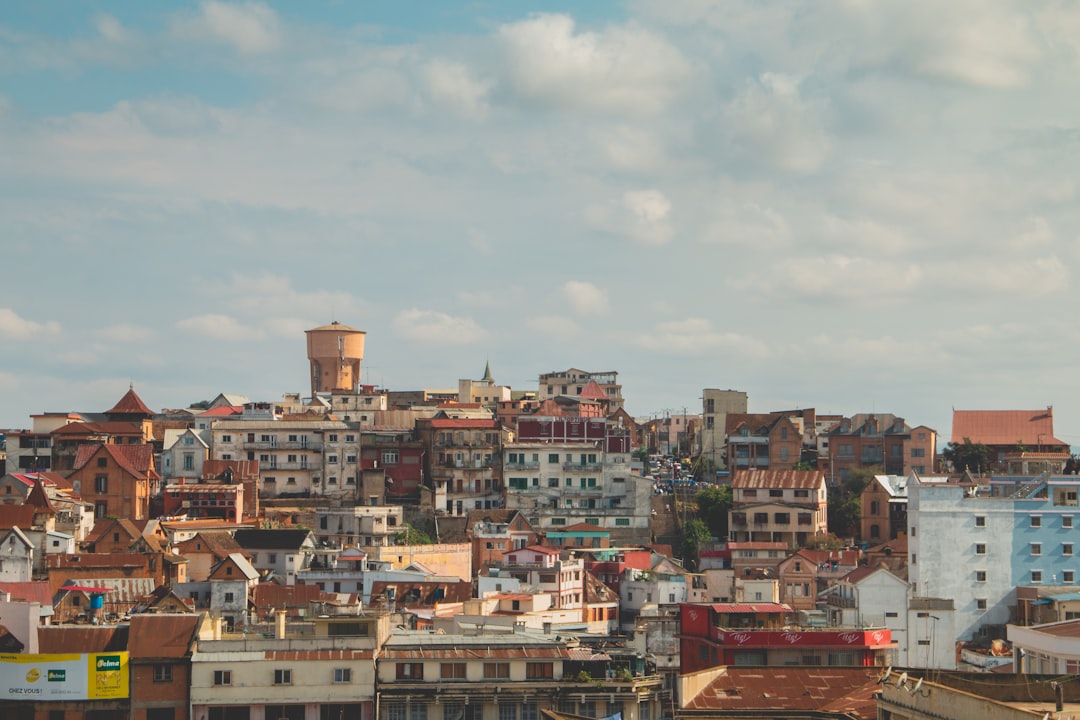
Antananarivo is Madagascar's capital and by far the largest city, with a metropolitan population of roughly 3 million. It concentrates nearly all of the country's nightlife infrastructure. The scene is small but active, centered on the downtown area and a few outlying neighborhoods.
Costs
Madagascar is one of the cheapest countries in the world for visitors. The Malagasy Ariary (MGA) is a weak currency, and purchasing power for holders of dollars or euros is substantial.
Beer at a bar costs MGA 4,000-8,000 ($0.85-1.70 USD / EUR 0.80-1.55). Local rum (rhum arrangé, a Malagasy specialty) costs MGA 3,000-6,000 ($0.65-1.30) per glass. Cocktails at upscale Antananarivo bars cost MGA 15,000-30,000 ($3.20-6.40). Club entry ranges from free to MGA 20,000 ($4.30), with special events reaching MGA 40,000 ($8.50).
Street food is extremely cheap. A plate of rice with laoka (meat stew) costs MGA 3,000-8,000 ($0.65-1.70). A full meal at a mid-range restaurant costs MGA 20,000-50,000 ($4.30-10.65) per person.
Taxis in Antananarivo cost MGA 10,000-30,000 ($2.15-6.40) depending on distance. Always negotiate before getting in. There's no meter system.
Hotels start at MGA 50,000-100,000 ($10.65-21.30) for budget, MGA 100,000-300,000 ($21.30-64) for mid-range, and MGA 300,000-800,000+ ($64-170+) for upscale.
Safety Considerations
Madagascar presents real safety challenges, particularly in Antananarivo after dark.
- Armed robbery and mugging are common in Antananarivo, especially at night. Do not walk after dark, even in supposedly safe areas
- Carjacking occurs. Keep windows up and doors locked when driving at night
- Pickpocketing and bag snatching are frequent in markets, around the Analakely area, and near tourist sites
- Road conditions are poor throughout the country. Night driving is dangerous due to unlit roads, pedestrians, and zebu (cattle) on the road
- Police response times are slow and services are limited. Don't rely on emergency numbers being answered promptly
- Cyclone season runs from November to April, affecting the east coast and occasionally the capital
- Political instability has led to periodic unrest. Monitor local news and avoid demonstrations
- Water and food safety require attention. Drink bottled water and eat at established restaurants
- Emergency number is 117 for police, 118 for fire
What Not to Do
- Do not walk alone at night in Antananarivo, even short distances. Take a taxi
- Do not display phones, cameras, or jewelry in public
- Do not carry large amounts of cash. Break larger bills at hotels before going out
- Do not drink tap water or eat street food from vendors with questionable hygiene
- Do not photograph people without asking permission, particularly in rural areas where fady may apply
- Do not discuss politics openly. Madagascar has experienced multiple coups and political crises
- Do not resist during a robbery. Hand over what's demanded
- Do not leave valuables in hotel rooms unless a safe is available
Sources
- U.S. Department of State: Madagascar Travel Advisory - Entry requirements, safety alerts, and local law summary
- UK Foreign, Commonwealth & Development Office: Madagascar Travel Advice - Safety, health, and legal information for travelers
- Australian Government Smartraveller: Madagascar - Travel advisory and practical information
Get the Legal Status PDF, 50 countries
Newsletter signup coming soon. Check back shortly.
Emergency Information: Madagascar
- Emergency:
- 117
- Embassy Note:
- Most embassies are located in Antananarivo.
Related Destinations
Ethiopia
Africa's oldest independent nation where Addis Ababa's small but growing nightlife scene operates under conservative Orthodox Christian norms and selective enforcement of anti-prostitution laws.
Kenya
East Africa's economic hub where Nairobi's fast-growing nightlife scene operates alongside conservative social norms and selective law enforcement.
Mozambique
Southeast Africa's coastal nation where Maputo's Portuguese-influenced nightlife scene operates openly in a country with no laws criminalizing sex work.
Rwanda
East Africa's cleanest and safest nation where Kigali's growing bar scene operates under strict government oversight and social conservatism.
Similar Countries in Other Regions
Countries with a similar overall score to Madagascar (3.4) but in different parts of the world.
Bolivia
3.4South America
La Paz and Santa Cruz offer South America's cheapest nightlife in a country where the adult scene is small, unregulated, and concentrated in a handful of districts. Safety requires extra caution.
Costa Rica
3.4Central America
San Jose's Gringo Gulch and Jaco's beachfront bars cater to North American visitors. Legal, moderately priced, and one of Central America's safest destinations.
Ecuador
3.4South America
Ecuador's nightlife runs on a small scale in Quito and Guayaquil, with cheap drinks, low-key bars, and a scene shaped by local culture rather than tourism. US dollars are the currency.
Was this guide helpful?