
Before You Travel to Rwanda
Five things every smart traveler sorts before booking.
- 1
Passport valid 6+ months from entry date
Most countries refuse entry on passports expiring within six months. Renew now if you're close.
- 2
Visa requirements for Rwanda
Some are visa-free, some require an e-visa filed days ahead, some need an embassy appointment.
- 3
Travel insurance booked
A hospital visit in Rwanda can run $4,000-15,000 without cover. Credit card insurance usually excludes alcohol-related incidents.
- 4
eSIM data plan ready before landing
Airport SIM kiosks need your passport and overcharge tourists. Install an eSIM in 60 seconds, online before you fly.
- 5
Accommodation reserved in the right district
The wrong neighborhood means a 45-minute taxi every night. Map the venues first, then book.
Compare hotels in Rwanda
Hotels, hostels, and short-term rentals across the country's main nightlife cities.
Legal Framework
Prostitution is illegal in Rwanda under the Penal Code, which criminalizes sex work, soliciting, procuring, and operating brothels. Penalties range from six months to five years' imprisonment. The law applies equally to buyers and sellers, though enforcement has historically focused on sex workers rather than clients.
Based on on-the-ground reporting from March 2026.
Rwanda's strict approach to social order extends to nightlife regulation. The government controls bar operating hours, noise levels, and alcohol sales with an intensity unusual for the region. Bars must close by specific hours (typically 2 AM on weekends), and violations result in license revocations.
The 2018 law against trafficking in persons carries sentences of up to 15 years. Child exploitation offenses carry life imprisonment. Rwanda takes these provisions seriously and enforces them.
Enforcement Reality
Rwanda stands apart from its neighbors in enforcement consistency. The government maintains tight control over public behavior, and corruption among police and officials is remarkably low by African standards. Officers follow orders from above rather than freelancing for bribes.
This means that while the law against prostitution is not aggressively enforced against individual encounters, the visible sex industry is far smaller than in neighboring Uganda, Tanzania, or Kenya. There are no red-light districts, no go-go bars, and no open solicitation zones. What exists is discreet.
Foreign visitors engaging with Kigali's bar and restaurant scene face zero legal concerns. The nightlife is conventional and well-regulated. Drug laws are strict and genuinely enforced. Cannabis possession can result in imprisonment, and there is no informal tolerance.
Cultural Context
Rwanda is defined by its recovery from the 1994 genocide, which killed approximately 800,000 people. The current government, led by President Paul Kagame and the RPF, has rebuilt the country with a focus on order, cleanliness, development, and national unity. Ethnic identification (Hutu, Tutsi, Twa) is officially discouraged, and "Rwandan" identity is promoted.
This emphasis on order extends to daily life. Kigali is famously the cleanest city in Africa. Plastic bags are banned. Monthly community service (umuganda) is mandatory. Streets are swept, gardens maintained, and public behavior monitored.
Social conservatism shapes nightlife. Rwanda is heavily Christian, with significant Catholic and Protestant populations. Public drunkenness is frowned upon. Disorderly behavior attracts police attention. The nightlife that exists is orderly, relatively quiet, and closes early by regional standards.
Dating Culture
Rwandan dating customs reflect the country's conservative social values and the influence of church culture. In Kigali, young professionals use WhatsApp and Facebook. Tinder exists with limited uptake.
Foreign visitors receive polite attention. Rwanda's tourism industry is geared toward gorilla trekking and conferences, not nightlife, so the dynamic differs from Kenya or Tanzania. Cross-cultural dating happens but is less common than in neighboring countries.
Gender norms are evolving. Rwanda has the highest percentage of female parliamentarians in the world, and women hold prominent positions in business and government. This progressive structure coexists with traditional expectations in personal relationships. Men are still expected to initiate and pay for dates.
Public displays of affection are minimal. Rwandans are reserved in public. Hand-holding is acceptable; anything beyond that draws stares. Homosexuality is not illegal in Rwanda, but social acceptance is limited. Discretion is strongly advisable.
Key Cities
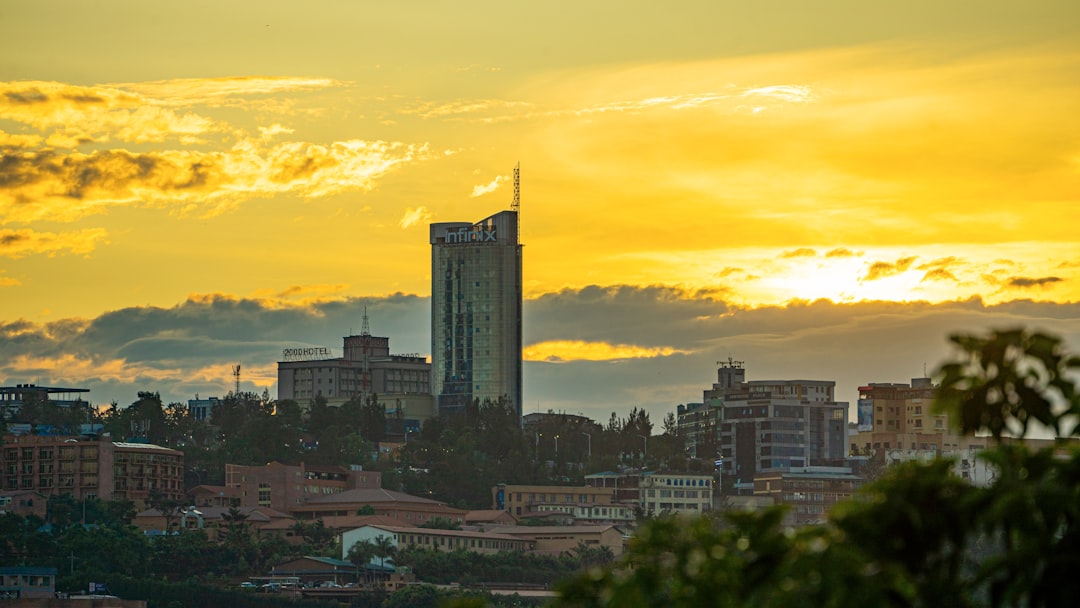
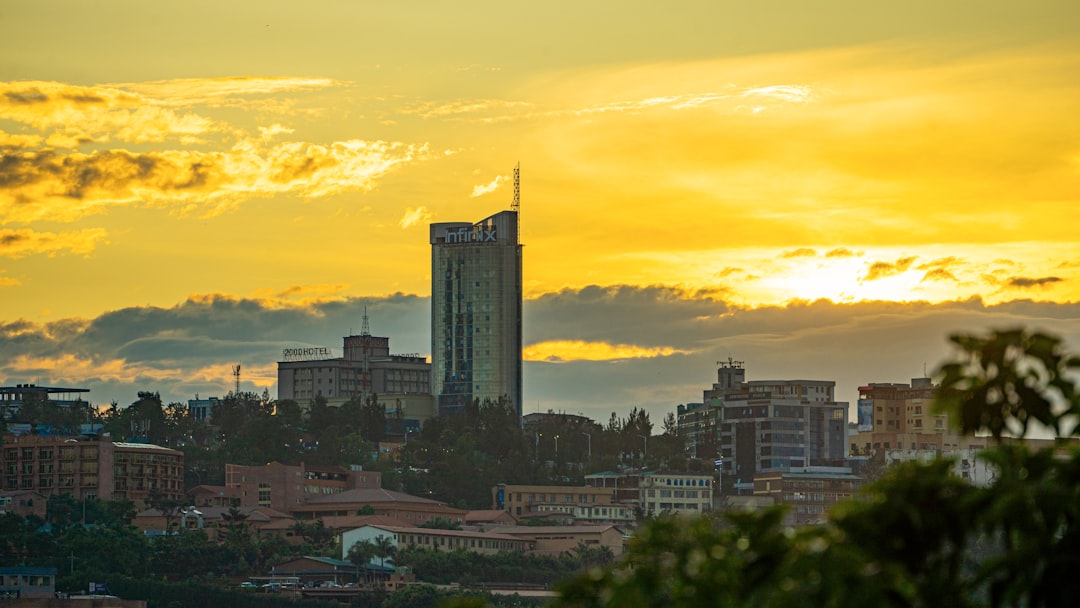
Kigali is the capital and essentially the only city with a developed bar and restaurant scene. Spread across multiple hills at 1,500 meters elevation, it's clean, safe, and modern. The nightlife is concentrated in the Kimihurura and Nyamirambo neighborhoods, offering bars, restaurants, and a few clubs that reflect Kigali's dual identity as both a conservative African capital and a city with growing international exposure.
Costs
Rwanda is affordable, though slightly more expensive than some of its neighbors due to higher standards and import costs. The Rwandan franc (RWF) is the local currency.
Beer at a bar costs RWF 1,500-3,000 ($1.20-2.40 USD / EUR 1.10-2.20). Local spirits run RWF 1,000-2,500 ($0.80-2) per measure. Cocktails at Kigali's upscale bars cost RWF 5,000-12,000 ($4-9.60). Club entry ranges from free to RWF 5,000 ($4) at premium venues.
Local food is cheap. A plate of buffet (rice, beans, plantains, and meat) costs RWF 1,500-3,000 ($1.20-2.40). A full meal at a mid-range restaurant costs RWF 5,000-15,000 ($4-12) per person. Upscale dining in Kigali reaches RWF 20,000-50,000 ($16-40).
Motorcycle taxis (motos) cost RWF 500-2,000 ($0.40-1.60) for cross-city trips. Regular taxis cost RWF 3,000-10,000 ($2.40-8). Hotels start at RWF 15,000-40,000 ($12-32) for budget and RWF 50,000-150,000 ($40-120) for mid-range.
Safety Considerations
Rwanda is one of the safest countries in Africa for travelers. This isn't tourism marketing; it's the product of intensive government control and social order.
- Violent crime against tourists is extremely rare. Kigali is safer at night than most European capitals
- Petty crime exists but at far lower rates than neighboring countries. Pickpocketing is uncommon
- Motorcycle taxis (motos) are the primary transport risk. Accidents are common. Insist on a helmet and hold on
- Plastic bags are illegal. They will be confiscated at the airport. Use paper or cloth bags
- Photography restrictions exist. Do not photograph military installations, government buildings, or people without permission
- Walking at night in Kigali is feasible in main areas, though taxis are still recommended
- The government monitors social media and online communications. Political criticism is not tolerated
- Emergency number is 112 (police), 912 (ambulance)
What Not to Do
- Do not bring plastic bags into Rwanda. They are banned and confiscated at the border
- Do not discuss ethnicity (Hutu/Tutsi) in any context. This is legally prohibited and socially explosive
- Do not deny or minimize the genocide. "Genocide ideology" is a criminal offense with serious penalties
- Do not criticize the government or President Kagame in public or on social media
- Do not litter. Public cleanliness is enforced, and fines are real
- Do not skip umuganda (community service) on the last Saturday of each month if you're a long-term visitor. Movement is restricted during these hours
- Do not smoke in public places. Rwanda has strict anti-smoking laws
- Do not jaywalk in Kigali. Pedestrian rules are enforced more strictly than anywhere else in Africa
Sources
- U.S. Department of State: Rwanda Travel Advisory - Entry requirements, safety alerts, and local law summary
- UK Foreign, Commonwealth & Development Office: Rwanda Travel Advice - Safety, health, and legal information for travelers
- Australian Government Smartraveller: Rwanda - Travel advisory and practical information
Get the Legal Status PDF, 50 countries
Newsletter signup coming soon. Check back shortly.
Emergency Information: Rwanda
- Emergency:
- 112
- Embassy Note:
- Most embassies are located in Kigali. Consular services outside the capital are extremely limited.
Also Worth Considering
Ethiopia
Africa's oldest independent nation where Addis Ababa's small but growing nightlife scene operates under conservative Orthodox Christian norms and selective enforcement of anti-prostitution laws.
Kenya
East Africa's economic hub where Nairobi's fast-growing nightlife scene operates alongside conservative social norms and selective law enforcement.
Madagascar
Madagascar's nightlife is concentrated in Antananarivo, where a small bar and club scene operates in a country with widespread poverty and minimal law enforcement capacity.
Mozambique
Southeast Africa's coastal nation where Maputo's Portuguese-influenced nightlife scene operates openly in a country with no laws criminalizing sex work.
Similar Countries in Other Regions
Countries with a similar overall score to Rwanda (3.3) but in different parts of the world.
Austria
3.3Central Europe
Vienna's regulated nightlife scene, from Gurtel bar strips to Prater party zones. Fully legal and licensed, with German-speaking Europe's most structured approach.
Chile
3.3South America
Santiago and Valparaiso offer South America's most orderly nightlife scene, with cocktail bars, live music, and a late-night culture shaped by Chilean reserve and European influence.
Haiti
3.3Caribbean
Haiti's nightlife is extremely limited and concentrated in Petionville, the upscale hillside suburb of Port-au-Prince. Gang violence, kidnapping risk, and political instability make this one of the most dangerous destinations in the Western Hemisphere.
Was this guide helpful?