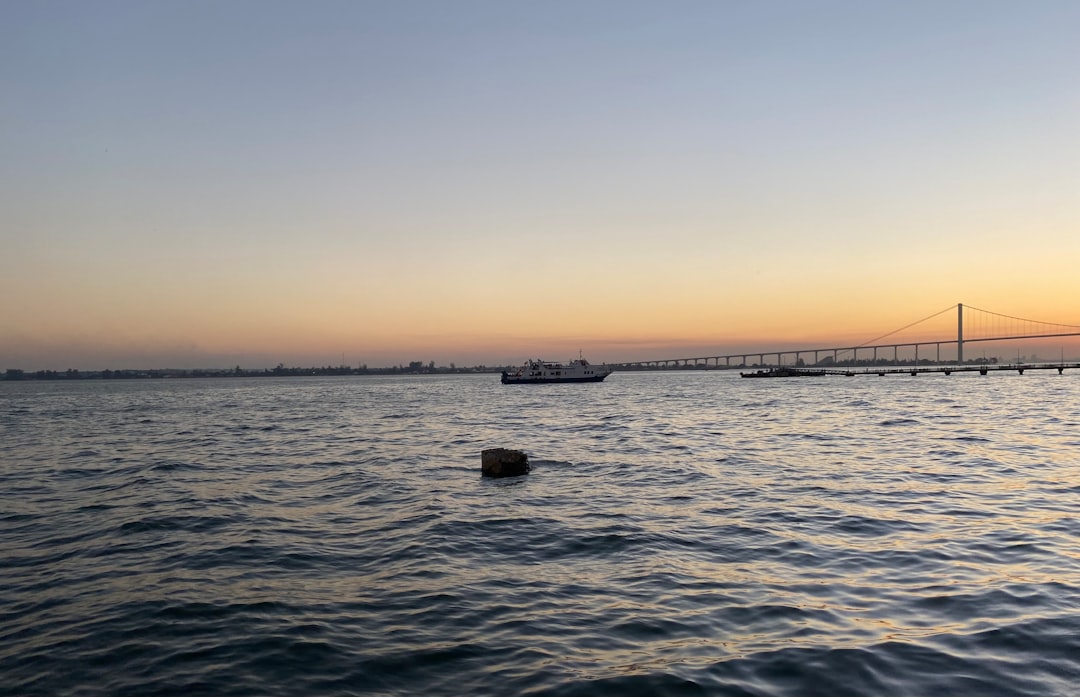

Before You Travel to Mozambique
Five things every smart traveler sorts before booking.
- 1
Passport valid 6+ months from entry date
Most countries refuse entry on passports expiring within six months. Renew now if you're close.
- 2
Visa requirements for Mozambique
Some are visa-free, some require an e-visa filed days ahead, some need an embassy appointment.
- 3
Travel insurance booked
A hospital visit in Mozambique can run $4,000-15,000 without cover. Credit card insurance usually excludes alcohol-related incidents.
- 4
eSIM data plan ready before landing
Airport SIM kiosks need your passport and overcharge tourists. Install an eSIM in 60 seconds, online before you fly.
- 5
Accommodation reserved in the right district
The wrong neighborhood means a 45-minute taxi every night. Map the venues first, then book.
City Guides in Mozambique
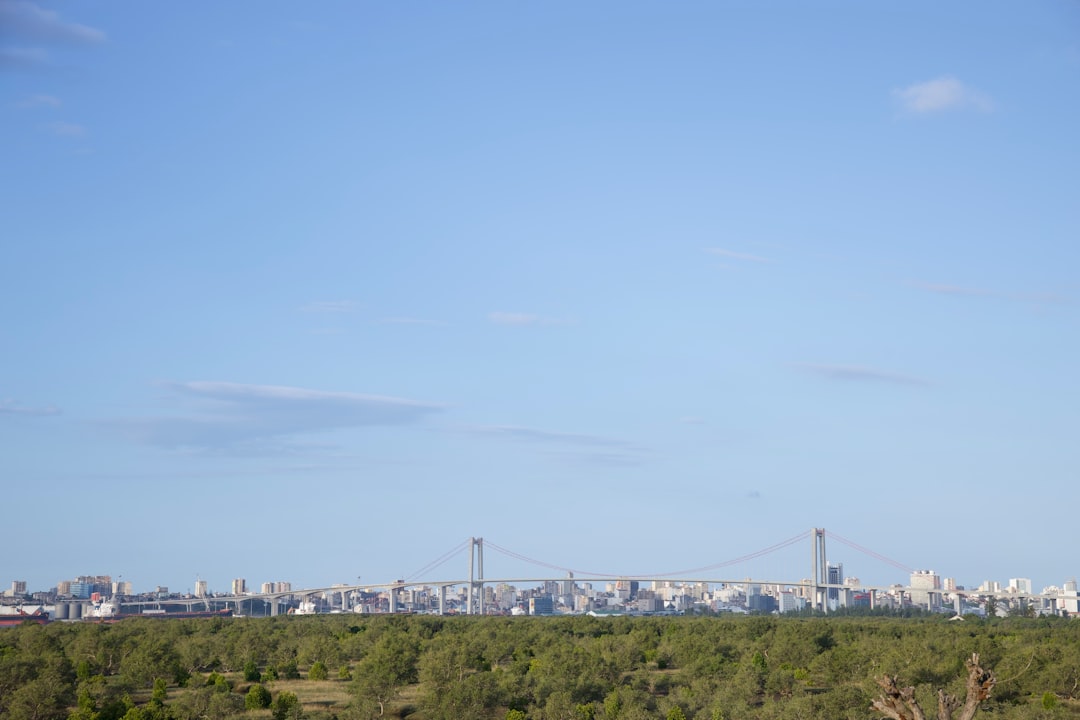
Compare hotels in Mozambique
Hotels, hostels, and short-term rentals across the country's main nightlife cities.
Legal Framework
Mozambique is one of the few African nations where sex work is not explicitly criminalized. The Penal Code does not prohibit the act of selling sex. Organized prostitution, brothel-keeping, and profiting from another person's sex work are criminalized under anti-pimping provisions, but the individual exchange itself falls outside the law's scope.
This guide reflects conditions observed during our March 2026 visit.
The 2008 anti-trafficking law targets forced labor and sexual exploitation, with penalties of up to 16 years for trafficking offenses. Child exploitation is severely punished, and the government has cooperated with international organizations on enforcement.
The absence of criminalization does not mean regulation. There is no licensing system, no health card requirement, and no government oversight of the industry. It operates in a legal vacuum.
Enforcement Reality
Police engagement with the sex industry is driven more by corruption than by legal enforcement. Officers rarely arrest individuals for sex work itself, as there's no clear legal basis to do so. Instead, police use public order statutes, vagrancy laws, and ID checks to detain and extract payments from vulnerable individuals.
Mainstream nightlife in Maputo, Beira, and other cities operates without police interference. Bars, clubs, and restaurants function under standard licensing. Foreign visitors in conventional entertainment venues face no legal concerns.
Drug enforcement is stricter. Cannabis is illegal, and possession can result in fines or detention. The police approach to drugs is inconsistent, with outcomes often determined by willingness to pay bribes.
Cultural Context
Mozambique is a Portuguese-speaking nation with a cultural identity shaped by colonialism, a 15-year civil war (1977-1992), and rapid economic changes driven by natural gas discoveries. Maputo retains a Portuguese architectural heritage and a cafe culture that feels more Southern European than typically African.
The country is predominantly Christian in the south and central regions, with significant Muslim populations along the northern coast. Social attitudes toward sex and relationships vary by region. Maputo and the southern urban areas are relatively open; the north is considerably more conservative.
The lingering effects of the civil war and subsequent economic challenges have created sharp inequality. Maputo's nightlife caters primarily to the professional class, expats, and development workers. Outside the capital, entertainment options thin out rapidly.
Dating Culture
Mozambican dating practices reflect the country's Portuguese influence and economic realities. In Maputo, young professionals use WhatsApp and Facebook for meeting people. Tinder exists but has low penetration outside expat circles.
Foreign men, particularly from Europe and South Africa, attract attention. Maputo has a sizable South African and Portuguese expat community, and cross-cultural relationships are common and socially accepted. The economic disparity between foreign visitors and local populations creates transactional dynamics that visitors should recognize and navigate honestly.
Portuguese language ability significantly improves social interactions. English is understood in upscale venues and by the NGO crowd, but Portuguese opens the real Maputo.
Key Cities
Maputo is the capital and the only city with a developed nightlife scene. Sitting on the Indian Ocean coast near the South African border, it has an appealing combination of Portuguese colonial architecture, seafood restaurants, and a growing bar and club scene concentrated in the Baixa (downtown) district.
Costs
Mozambique is affordable, though slightly more expensive than neighboring Tanzania and Malawi. The Mozambican metical (MZN) has experienced inflation, so prices shift. The U.S. dollar and South African rand are widely accepted in Maputo.
Beer at a bar costs MZN 100-250 ($1.50-4 USD / EUR 1.40-3.75). Local spirits run MZN 80-200 ($1.25-3.15) per measure. Cocktails at Maputo's upscale bars cost MZN 300-700 ($4.70-11). Club entry ranges from free to MZN 500 ($7.85) at premium venues.
Seafood is cheap and excellent. Grilled prawns with rice costs MZN 300-600 ($4.70-9.40). A full sit-down meal at a mid-range restaurant costs MZN 500-1,500 ($7.85-23.50) per person.
Tuk-tuks (called "txopelas") cost MZN 50-150 ($0.80-2.35) for short trips. Taxis cost MZN 200-500 ($3.15-7.85) across town. Hotels start at MZN 2,000-5,000 ($31.35-78.40) for budget and MZN 5,000-15,000 ($78.40-235) for mid-range.
Safety Considerations
Mozambique presents real safety challenges, particularly in Maputo and along major roads.
- Street crime is common in Maputo. Mugging, phone snatching, and bag theft occur frequently, especially after dark
- Armed robbery happens at night. Do not walk alone after dark, even in seemingly safe areas
- Carjacking has been reported, particularly at traffic lights and stop signs. Keep windows up and doors locked
- The road between Maputo and the South African border (EN1) has a history of armed robbery and carjacking
- Northern Mozambique (Cabo Delgado province) has an active insurgency. Do not travel to the far north
- Police corruption is widespread. Officers may demand bribes during document checks. Carry a photocopy of your passport
- Beach muggings occur on Maputo's Costa do Sol. Never walk on the beach after dark
- Emergency number is 119 for police
What Not to Do
- Do not walk alone at night in Maputo, even in the Baixa or Polana neighborhoods
- Do not carry large amounts of cash or visible valuables
- Do not resist during a robbery. Comply and report to your embassy afterward
- Do not travel to Cabo Delgado province (active insurgency)
- Do not assume everyone speaks English. Portuguese is essential for meaningful interaction
- Do not photograph military or police installations
- Do not drive on unfamiliar roads at night. Road conditions are poor and lighting is minimal
Sources
- U.S. Department of State: Mozambique Travel Advisory - Entry requirements, safety alerts, and local law summary
- UK Foreign, Commonwealth & Development Office: Mozambique Travel Advice - Safety, health, and legal information for travelers
- Australian Government Smartraveller: Mozambique - Travel advisory and practical information
Get the Legal Status PDF, 50 countries
Newsletter signup coming soon. Check back shortly.
Emergency Information: Mozambique
- Emergency:
- 119
- Embassy Note:
- Most embassies are located in Maputo. Very limited consular services outside the capital.
Nearby Alternatives
Ethiopia
Africa's oldest independent nation where Addis Ababa's small but growing nightlife scene operates under conservative Orthodox Christian norms and selective enforcement of anti-prostitution laws.
Kenya
East Africa's economic hub where Nairobi's fast-growing nightlife scene operates alongside conservative social norms and selective law enforcement.
Madagascar
Madagascar's nightlife is concentrated in Antananarivo, where a small bar and club scene operates in a country with widespread poverty and minimal law enforcement capacity.
Rwanda
East Africa's cleanest and safest nation where Kigali's growing bar scene operates under strict government oversight and social conservatism.
Similar Countries in Other Regions
Countries with a similar overall score to Mozambique (3.1) but in different parts of the world.
Australia
3.1Oceania
A heavily regulated market where strip clubs and adult entertainment operate within strict state licensing frameworks. High costs, strong safety standards, and a nightlife scene concentrated in Sydney and Melbourne.
Cameroon
3.1West Africa
A West African nation with a split nightlife culture between French-speaking Douala and Yaounde, where low costs meet uneven safety and a tolerant enforcement environment.
Canada
3.1North America
Canada's nightlife runs from Montreal's liberal club scene to Toronto's regulated entertainment districts. Legal but complex framework, high safety standards, and a diverse social landscape shaped by multiculturalism.
Was this guide helpful?