

Before You Travel to Canada
Five things every smart traveler sorts before booking.
- 1
Passport valid 6+ months from entry date
Most countries refuse entry on passports expiring within six months. Renew now if you're close.
- 2
Visa requirements for Canada
Some are visa-free, some require an e-visa filed days ahead, some need an embassy appointment.
- 3
Travel insurance booked
A hospital visit in Canada can run $4,000-15,000 without cover. Credit card insurance usually excludes alcohol-related incidents.
- 4
eSIM data plan ready before landing
Airport SIM kiosks need your passport and overcharge tourists. Install an eSIM in 60 seconds, online before you fly.
- 5
Accommodation reserved in the right district
The wrong neighborhood means a 45-minute taxi every night. Map the venues first, then book.
City Guides in Canada
Montreal
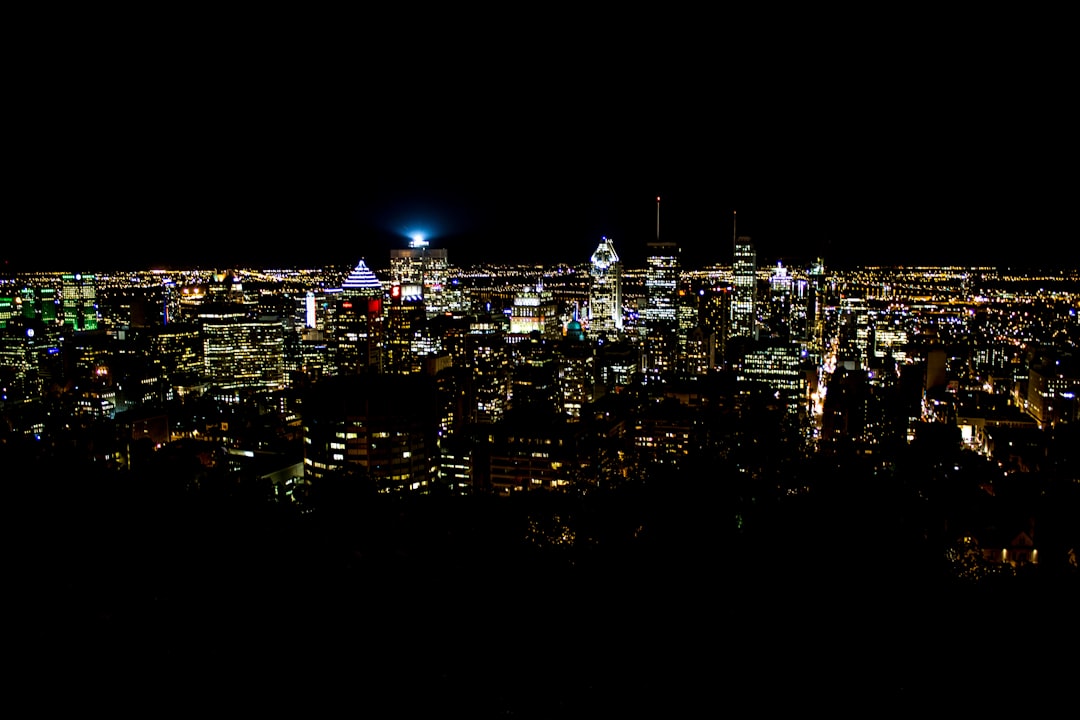
City guide to nightlife in Montreal, covering the Saint-Laurent strip, Old Montreal, safety, costs, and cultural context for visitors.
Toronto
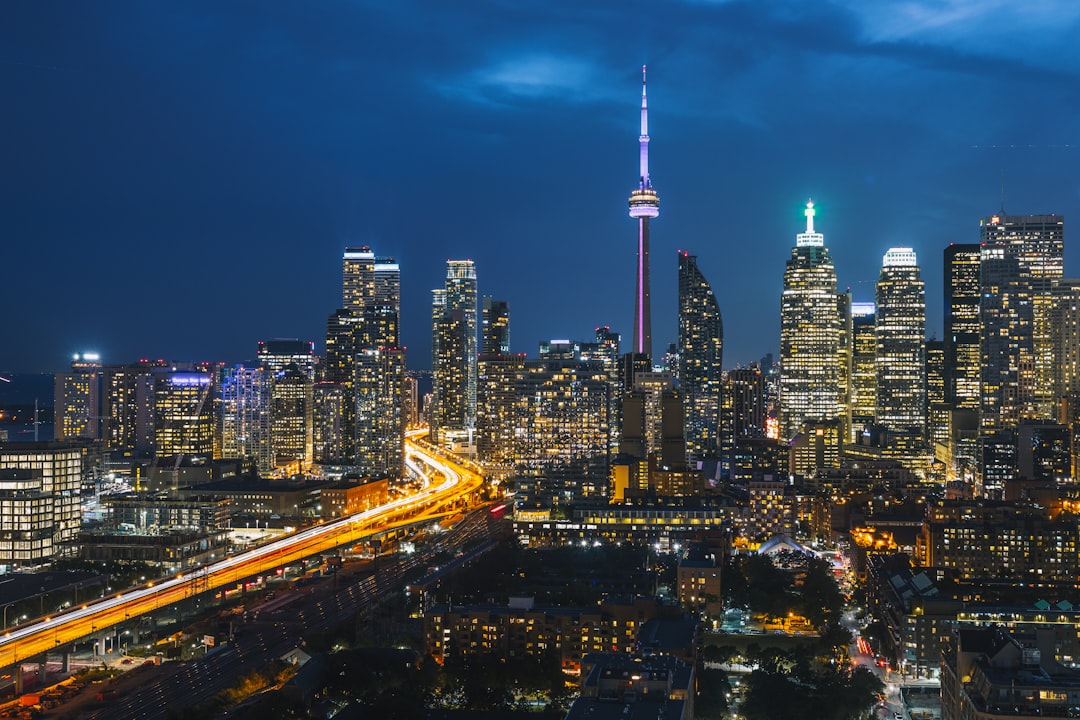
City guide to nightlife in Toronto, covering King West, the Entertainment District, safety, costs, and cultural context for visitors.
Compare hotels in Canada
Hotels, hostels, and short-term rentals across the country's main nightlife cities.
Legal Framework
Canada's approach to sex work is shaped by the Protection of Communities and Exploited Persons Act (PCEPA), which took effect in December 2014. This legislation replaced the previous laws struck down by the Supreme Court in the Bedford v. Canada decision. The current framework criminalizes the purchase of sexual services, advertising those services, and living on the material benefits of sex work. Selling sexual services is not itself a criminal offense.
This guide reflects conditions observed during our March 2026 visit.
This model, sometimes called the "Nordic model" or "asymmetric criminalization," targets demand rather than supply. A sex worker cannot be charged for offering services, but a client commits a criminal offense by purchasing them. Third parties who profit from another person's sex work also face criminal liability.
Strip clubs and adult entertainment venues operate under provincial and municipal licensing regimes. These businesses are legal and regulated, with rules varying significantly between provinces. Ontario and Quebec take notably different approaches to what is permitted inside licensed establishments.
Enforcement Reality
Enforcement of the PCEPA varies by city and province. Major metropolitan police forces generally prioritize trafficking investigations over street-level enforcement of purchasing offenses. Charges under the purchasing provisions do occur but represent a small fraction of overall policing activity.
Strip clubs and licensed adult entertainment venues face regular inspections by municipal bylaw officers. These inspections focus on licensing compliance, fire safety, and alcohol service regulations. Venues that maintain their licenses and follow local bylaws operate without significant police interference.
Montreal operates with a notably more permissive enforcement culture than Toronto or Vancouver. The city's francophone culture and historical tolerance for nightlife create a different atmosphere, though the same federal laws apply everywhere in Canada.
Cultural Context
Canadian nightlife culture reflects the country's broader social values: politeness, diversity, and a respect for personal boundaries that foreigners sometimes read as coldness. The bar and club scene is genuine and well-developed, though it lacks the reputation of destinations in Latin America or Southeast Asia.
Montreal stands apart from other Canadian cities. Its French-speaking majority, later bar closing times, and cultural ties to Europe produce a nightlife scene with more energy and spontaneity than anglophone Canada. The legal drinking age in Quebec is 18, compared to 19 in Ontario and most other provinces.
Toronto's nightlife is large in scale but more corporate and regulated. Strict last-call laws (2:00 AM province-wide in Ontario) and aggressive enforcement of noise bylaws give the city's entertainment districts a more controlled feel.
Seasonal patterns matter everywhere in Canada. Summer months (June through September) bring outdoor festivals, rooftop bars, and a dramatic increase in nightlife activity. Winter months can be quiet, with shorter operating hours and smaller crowds, particularly in cities outside Montreal.
Dating Culture
Canadian dating norms are broadly similar to those in the United States and Western Europe but with some regional variation. Dating apps are widely used, and meeting people through apps carries no social stigma. Tinder, Bumble, and Hinge are the most popular platforms.
Gender roles in dating are relatively egalitarian by global standards. Splitting the bill on first dates is common and expected in many social circles. Women frequently initiate conversations and suggest plans. Physical escalation tends to follow explicit verbal consent, and Canada's consent culture is taken seriously at both social and legal levels.
Montreal's dating scene is more European in character. Conversations flow more easily between strangers, physical affection is more readily expressed, and the pace of social interaction is generally warmer than in English-speaking cities. French language ability, even at a basic level, is appreciated and can open doors.
Toronto's dating culture is more reserved and app-dependent. Cold approaches in bars happen but are less common than in Montreal or comparable American cities. The city's extreme diversity means dating across cultural backgrounds is normal, though expectations around pace, formality, and gender roles can vary widely depending on individual background.
Common mistakes to avoid:
- Assuming Canadian politeness equals romantic interest
- Being overly aggressive in approaches; persistent unwanted attention is taken seriously and can result in being removed from venues
- Underestimating winter's effect on nightlife patterns and accessibility
- Expecting Montreal to operate in English; making an effort in French goes a long way
Get the Legal Status PDF, 50 countries
Newsletter signup coming soon. Check back shortly.
Emergency Information: Canada
- Emergency:
- 911
- Embassy Note:
- Most countries maintain embassies in Ottawa. Consulates operate in Toronto, Montreal, Vancouver, and Calgary.
More in This Region
Similar Countries in Other Regions
Countries with a similar overall score to Canada (3.1) but in different parts of the world.
Australia
3.1Oceania
A heavily regulated market where strip clubs and adult entertainment operate within strict state licensing frameworks. High costs, strong safety standards, and a nightlife scene concentrated in Sydney and Melbourne.
Cameroon
3.1West Africa
A West African nation with a split nightlife culture between French-speaking Douala and Yaounde, where low costs meet uneven safety and a tolerant enforcement environment.
Denmark
3.1Scandinavia
Copenhagen's Vesterbro district anchors Denmark's adult nightlife scene. Sex work is legal and regulated, safety is excellent, but prices rank among Europe's highest.
Was this guide helpful?