
On this page
Neighborhoods to Explore
Explore each area for detailed nightlife guides
Old Montreal
4/5SafeDistrict guide to Old Montreal nightlife, featuring upscale bars, cocktail lounges, and supper clubs set in historic 18th-century architecture.
6 nightlife spots listed
Saint-Laurent Boulevard
4/5SafeDistrict guide to Saint-Laurent Boulevard in Montreal, the city's main nightlife strip with bars, clubs, and live music venues across the Plateau.
6 nightlife spots listed
District Map of Montreal
Pick a district to recenter the map and see hotels nearby.
Where to stay in Montreal
Compare hotels and rentals across the city's nightlife districts.
See places to stay and current pricesOverview
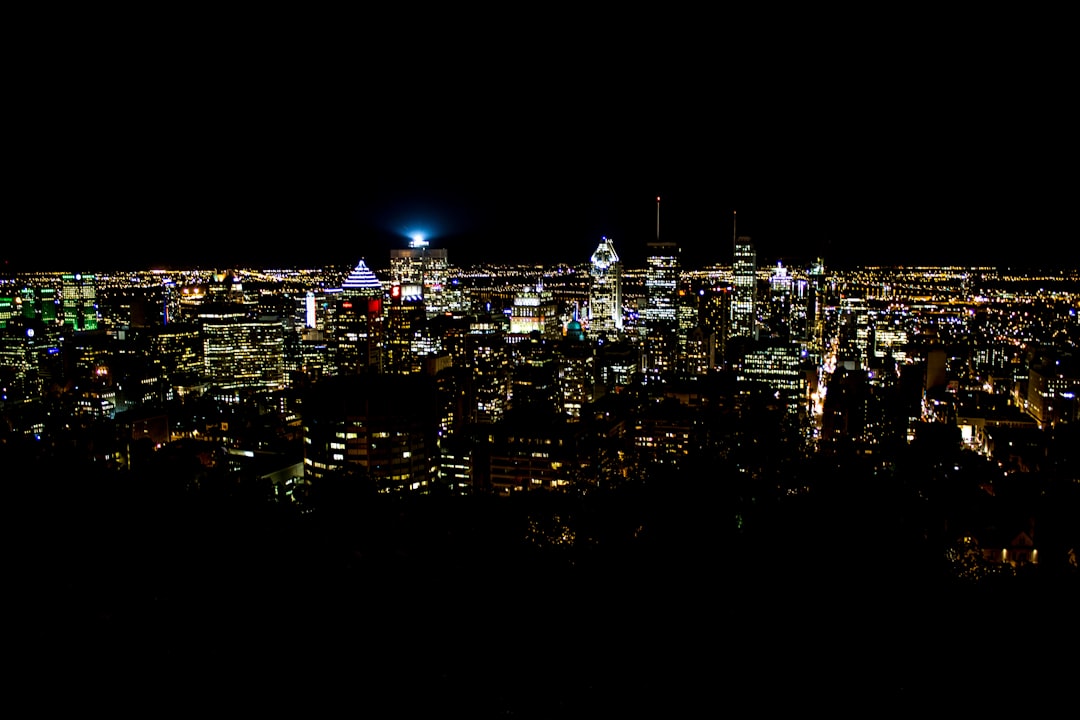
Montreal is Canada's second-largest city and arguably its best nightlife destination. The combination of Quebec's lower drinking age (18), later last call (3:00 AM), and a cultural attitude that treats going out as a normal part of adult life gives the city an energy that Toronto and Vancouver don't match.
Our team walked every district covered here.
The city's nightlife spreads across several distinct zones, each with its own character. Boulevard Saint-Laurent (known locally as "The Main") is the primary bar and club corridor, running north-south through the Plateau. Old Montreal offers a more upscale experience in historic stone buildings along the waterfront. The Gay Village on Sainte-Catherine East is one of North America's largest LGBTQ+ entertainment districts.
Legal Context
Federal law under the PCEPA applies in Montreal as it does across Canada. Purchasing sexual services is a criminal offense, while selling them is not. In practice, Montreal's enforcement culture is notably more relaxed than in anglophone Canadian cities.
Strip clubs in Montreal operate under provincial and municipal regulations. Quebec's rules for adult entertainment are more permissive than Ontario's, allowing closer proximity between performers and patrons. The city has a long history of cabaret culture dating back to the mid-20th century.
Bars and clubs must stop serving alcohol at 3:00 AM. After-hours venues exist in a semi-regulated space; they can remain open but cannot sell alcohol after the cutoff. These spaces are part of Montreal's electronic music culture and operate mostly on weekends.
Key Areas
Saint-Laurent Boulevard. The city's main nightlife artery, stretching from Sherbrooke Street north through the Plateau. A mix of dive bars, dance clubs, cocktail lounges, and live music venues. The highest concentration of nightlife options in the city.
Old Montreal. Cobblestone streets and 18th-century architecture house upscale bars, cocktail lounges, and supper clubs. Higher prices and a more dressed-up crowd than the Plateau.
Safety
Montreal ranks among the safest major cities in North America for nightlife. Violent crime rates are low by continental standards, and the city's entertainment districts are well-lit, well-patrolled, and busy enough to provide natural safety in numbers.
The primary risks are standard for any large city: pickpocketing in crowded venues, drink overcharging at tourist-facing establishments, and the usual precautions around excessive alcohol consumption. Drink spiking incidents are reported occasionally; standard precautions apply.
Winter presents its own safety consideration. Sidewalks ice over from November through March, and walking between venues after drinking requires attention. Ride-hailing services (Uber operates in Montreal) or taxis eliminate this risk.
Costs
Montreal is significantly cheaper than Toronto for a night out. Cover charges at mainstream clubs run CAD 10 to 20. A domestic beer at a bar costs CAD 7 to 9, and cocktails range from CAD 12 to 18. Old Montreal venues skew higher, with cocktails reaching CAD 20 or more.
Tipping is expected: 15% to 20% on all drinks and food. Unlike some European destinations, not tipping is considered rude and will affect service.
A typical night out including transport, covers, and drinks runs CAD 80 to 150, depending on the area and pace. Old Montreal will push that toward the higher end.
Get the Legal Status PDF, 50 countries
Newsletter signup coming soon. Check back shortly.
Flights to Montreal
Compare prices across airlines. Filter by stops, time, and cabin.
Airport transfer to Montreal
Pre-booked transfers cost about the same as a metered taxi but cut out the airport queue, the meter argument, and the "no English" routine that takes some drivers to the wrong address. Fixed price quoted before booking, driver tracks your flight, waits with a name sign at arrivals.
Book a KiwiTaxi transferRelated Guides
Old Montreal
District guide to Old Montreal nightlife, featuring upscale bars, cocktail lounges, and supper clubs set in historic 18th-century architecture.
Read guideSaint-Laurent Boulevard
District guide to Saint-Laurent Boulevard in Montreal, the city's main nightlife strip with bars, clubs, and live music venues across the Plateau.
Read guideFrequently Asked Questions
Was this guide helpful?