Old Montreal
Legal & Regulated4/5SafeDistrict guide to Old Montreal nightlife, featuring upscale bars, cocktail lounges, and supper clubs set in historic 18th-century architecture.

Where to stay near Old Montreal
Hotels walking distance from the venues on this page.
See places to stay and current pricesPlaces to Drink and Dance
The places locals and visitors recommend
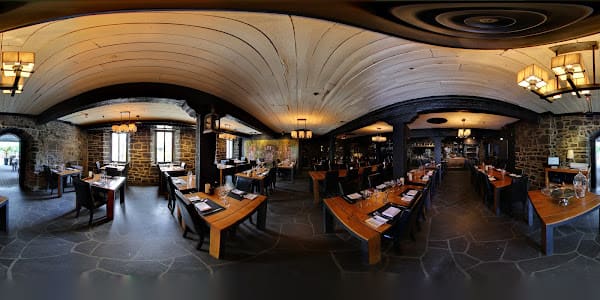
Auberge Saint-Gabriel
Bar and event space in one of North America's oldest inns, dating to 1688. Stone walls and timber beams frame a cocktail program focused on local spirits.
426 Rue Saint-Gabriel, Montreal, QC H2Y 2Z9
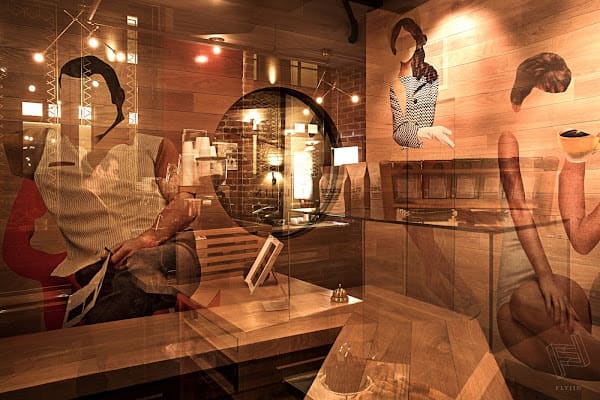
Flyjin
Underground Japanese-inspired cocktail bar with a hidden entrance. Moody lighting, sake-based cocktails, and a curated soundtrack of downtempo and house music.
417 Rue Saint-Pierre, Montreal, QC H2Y 2M4
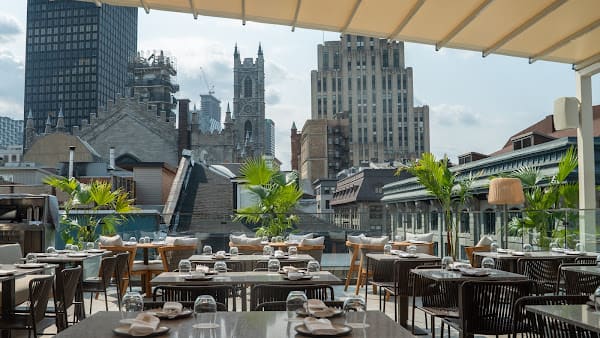
Terrasse Nelligan
Rooftop terrace atop Hotel Nelligan with views of the Basilica and Old Port. Open seasonally from May through October.
106 Rue Saint-Paul O, Montreal, QC H2Y 1Z3
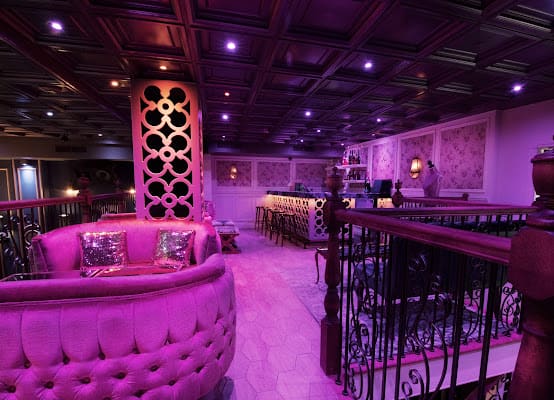
Bord'Elle Boutique Bar
Burlesque-themed cocktail bar and restaurant with weekend DJ sets. Vintage decor, theatrical service, and a late-night crowd on weekends.
300 Rue Saint-Paul E, Montreal, QC H2Y 1H2
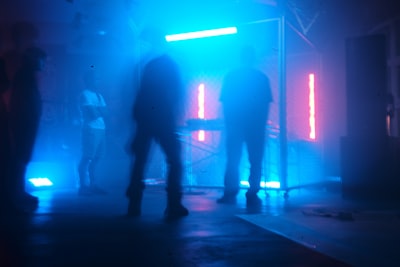
Le Velvet
Multilevel nightclub in a converted heritage building. Electronic and house music programming with guest DJs on weekends.
426 Rue Saint-Gabriel, Montreal, QC H2Y 2Z9
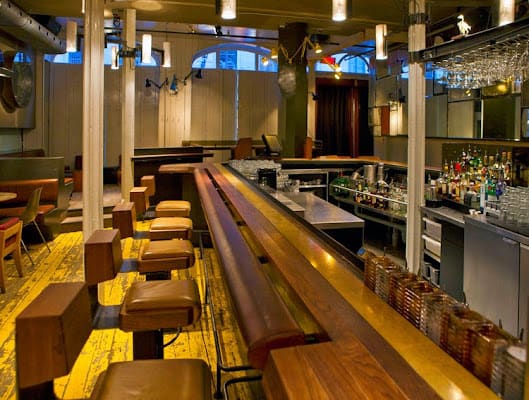
Philemon Bar
Casual cocktail bar with a stone-walled interior and a heated terrace. Known for creative cocktails and a friendly, unpretentious atmosphere by Old Montreal standards.
111 Rue Saint-Paul O, Montreal, QC H2Y 1Z5
Overview and Location
Old Montreal (Vieux-Montreal) occupies the waterfront district between the St. Lawrence River and Rue Saint-Antoine, roughly bounded by Rue Berri to the east and Rue McGill to the west. The neighborhood is Montreal's historic core, built on 17th and 18th-century foundations that were largely preserved as the modern city grew around them.
Our researcher spent several nights in this area compiling notes.
The narrow cobblestone streets and grey stone buildings give the area a European quality that's distinct from any other neighborhood in North America. During the day, Old Montreal is tourist territory: horse-drawn carriages, the Notre-Dame Basilica, and souvenir shops. At night, the character shifts toward upscale dining and drinking, with a crowd that trends older and better dressed than the Plateau.
Nightlife here is concentrated along Rue Saint-Paul and the blocks immediately surrounding it. The venues tend toward cocktail lounges, wine bars, and supper clubs rather than the dance clubs and dive bars you'd find on Saint-Laurent. It's a quieter, more expensive scene, best suited to dates, small groups, or anyone who prefers conversation to dance floors.
Legal Status
Old Montreal venues operate under the same Quebec liquor licensing as the rest of the city. Last call is 3:00 AM, though many venues in this area close earlier, particularly on weeknights. The neighborhood's proximity to residential lofts means noise complaints carry weight, and some venues have been pushed to reduce outdoor sound levels in recent years.
There are no adult entertainment venues in Old Montreal. The district's nightlife is conventional: bars, lounges, restaurants, and the occasional nightclub. Municipal heritage protections add an extra layer of regulation to businesses operating in designated historic buildings, mostly affecting renovations and signage rather than operations.
Costs and Pricing
Old Montreal is the most expensive nightlife zone in the city. Cocktails at the better lounges run CAD 18 to 24. Wine by the glass starts at CAD 14 and climbs quickly. Beer is CAD 9 to 12, which is higher than the city average but not dramatically so.
Cover charges are less common here than in dance-club districts, since most venues are lounges or bars rather than nightclubs. Where covers do apply, expect CAD 15 to 25 on weekends. Bottle service exists at a few venues and starts around CAD 400 for a standard bottle.
Dinner at an Old Montreal restaurant typically runs CAD 60 to 120 per person with drinks, which is worth knowing if you're planning to eat before going out. Many of the bars double as restaurants earlier in the evening.
Tipping follows the standard 15% to 20%. At upscale cocktail bars, rounding up or tipping CAD 2 to 3 per drink is common.
Street-Level Detail
Walking through Old Montreal on a Friday night, the first thing you'll notice is the lighting. The heritage streetlamps and stone facades create an atmosphere that feels more Paris than Canada. Rue Saint-Paul, the main commercial street, is narrow enough that you can hear music from opposite sides.
The crowd is mixed in age but unified in effort. People dress up for Old Montreal; this isn't a jeans-and-sneakers district. Couples predominate, along with small groups celebrating occasions. Large bachelor or bachelorette parties are present, especially in summer, but they tend to migrate to the louder venues rather than the cocktail bars.
Some of the most interesting venues are below street level, tucked into the stone basements of centuries-old buildings. These underground spaces have naturally cool temperatures, stone walls, and an intimacy that above-ground venues can't replicate. Finding the entrances can be part of the experience; signage in Old Montreal is often deliberately subtle.
In summer, rooftop terraces and outdoor patios open throughout the district. These spaces fill quickly on warm evenings and offer views of the Old Port, the St. Lawrence, and the Basilica. Arriving before 8:00 PM on weekends is advisable if you want a terrace seat.
Safety
Old Montreal is one of the safest nightlife districts in Canada. The area is heavily patrolled, well-lit, and populated with tourists and locals who have little tolerance for antisocial behavior. The primary security concern is property crime: keep valuables secure and be aware of your surroundings when using your phone.
The cobblestone streets deserve specific mention. They're beautiful but uneven, and they become slippery when wet or icy. Appropriate footwear matters, especially in winter or after rain. High heels and cobblestones are a documented combination for ankle injuries.
Late at night, the streets can empty quickly after venues close. The area is still safe, but it's quieter than the Plateau, and taxis or ride-hailing are a better option than walking long distances. The Old Port waterfront area is scenic but poorly lit in spots after midnight.
Cultural Norms
Old Montreal attracts a more cosmopolitan crowd than the city's other nightlife districts. Conversations happen in French, English, and a rotating cast of international languages. Service staff are universally bilingual, and language is rarely an issue.
The dress code is the main cultural marker. Smart casual is the minimum; many venues will turn away guests in athletic wear, flip-flops, or overly casual clothing. For men, a collared shirt and clean shoes cover most situations. Women generally dress up more than in the Plateau.
The social atmosphere is quieter and more reserved than Saint-Laurent. Conversations happen at lower volumes, music is typically at a level that allows talking, and the pace of the evening is slower. This is a sipping-drinks district, not a shots-and-dancing one.
Table manners matter here more than in casual bars. Ordering a single drink and occupying a table for two hours won't get you kicked out, but it won't endear you to the staff either. The expectation is steady ordering if you're taking up space.
Practical Information
Getting there: Metro station Place-d'Armes (Orange Line) is the closest stop, putting you in the heart of the district. Champ-de-Mars station (also Orange Line) serves the eastern end. Parking is limited and expensive; garages charge CAD 15 to 25 for evening parking.
Best nights: Thursday through Saturday for the fullest experience. Wednesday has some activity at restaurants that transition into bars. Sundays through Tuesdays are very quiet.
Peak hours: Restaurant-bars begin their evening transition around 9:00 PM to 10:00 PM. The late-night crowd arrives after 11:00 PM. Most venues wind down by 2:00 AM to 2:30 AM, even though last call isn't until 3:00 AM.
Seasonal notes: Old Montreal's character changes dramatically between summer and winter. Summer brings rooftop terraces, outdoor dining, and significantly larger crowds. Winter is intimate and atmospheric but much quieter, with some seasonal venues closed entirely from November through April.
Reservations: Recommended for popular cocktail bars and restaurant-bars on Friday and Saturday evenings. Walk-ins are usually possible but may involve a wait after 10:00 PM.
Get the Legal Status PDF, 50 countries
Newsletter signup coming soon. Check back shortly.
Frequently Asked Questions
Related Guides
Montreal Overview
City guide to nightlife in Montreal, covering the Saint-Laurent strip, Old Montreal, safety, costs, and cultural context for visitors.
Read guideSaint-Laurent Boulevard
District guide to Saint-Laurent Boulevard in Montreal, the city's main nightlife strip with bars, clubs, and live music venues across the Plateau.
Read guideWas this guide helpful?