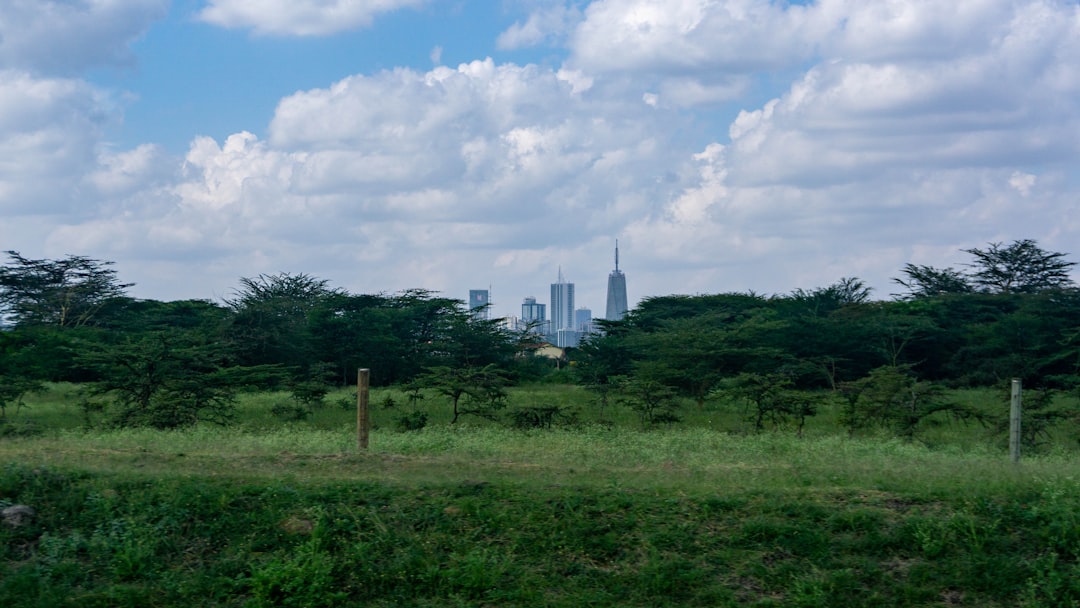


Before You Travel to Kenya
Five things every smart traveler sorts before booking.
- 1
Passport valid 6+ months from entry date
Most countries refuse entry on passports expiring within six months. Renew now if you're close.
- 2
Visa requirements for Kenya
Some are visa-free, some require an e-visa filed days ahead, some need an embassy appointment.
- 3
Travel insurance booked
A hospital visit in Kenya can run $4,000-15,000 without cover. Credit card insurance usually excludes alcohol-related incidents.
- 4
eSIM data plan ready before landing
Airport SIM kiosks need your passport and overcharge tourists. Install an eSIM in 60 seconds, online before you fly.
- 5
Accommodation reserved in the right district
The wrong neighborhood means a 45-minute taxi every night. Map the venues first, then book.
City Guides in Kenya
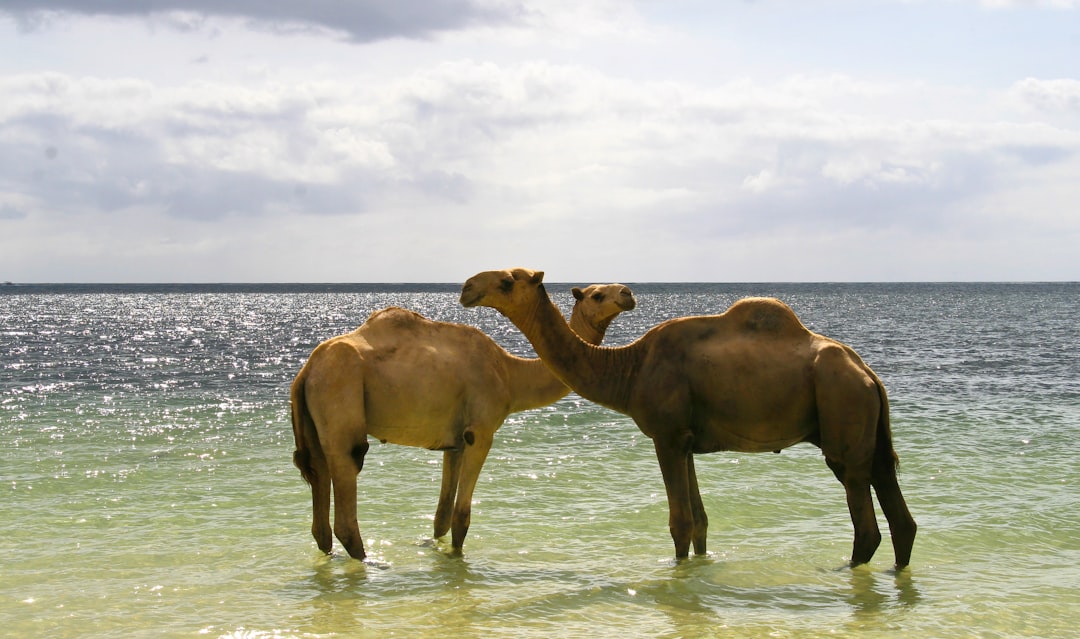
Mombasa
City guide to nightlife in Mombasa, covering the Nyali beach strip, coastal bar scene, safety, and practical tips for Kenya's second city.
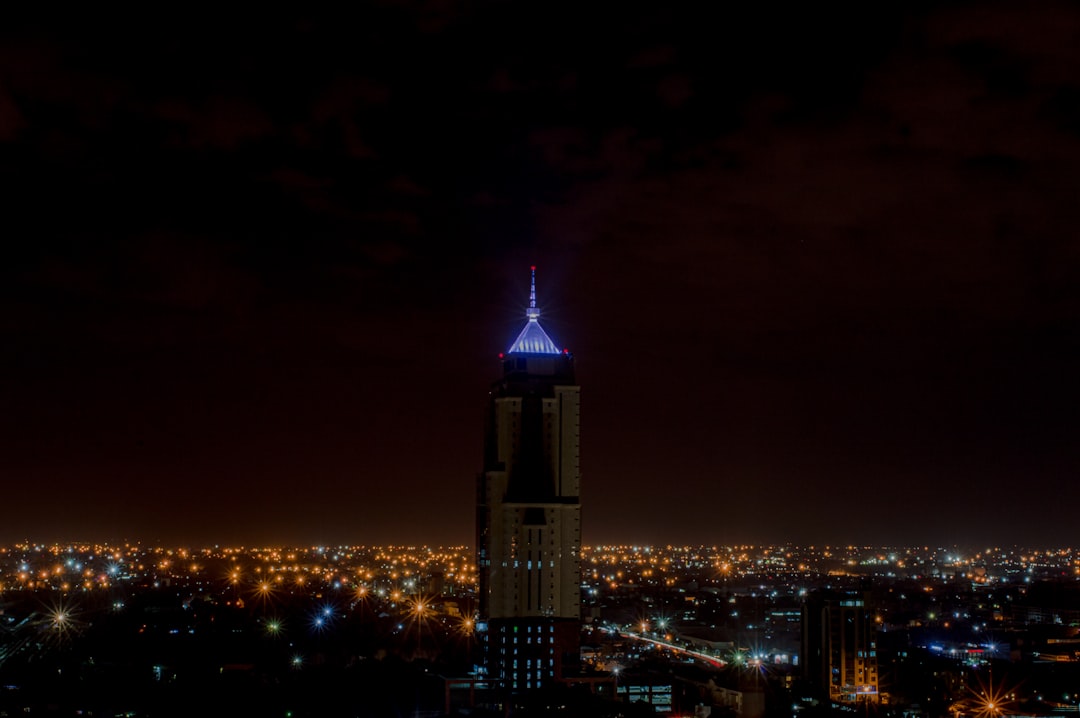
Nairobi
City guide to nightlife in Nairobi, covering the Westlands club scene, Kilimani bars, safety precautions, and practical tips for Kenya's capital.
Compare hotels in Kenya
Hotels, hostels, and short-term rentals across the country's main nightlife cities.
Legal Framework
Prostitution is illegal in Kenya under the Penal Code (Sections 153-156), which criminalizes living on the earnings of prostitution, keeping a brothel, and soliciting. Sentences range from five to seven years' imprisonment for organized prostitution offenses. The law technically penalizes facilitators and operators rather than individual sex workers, though police regularly arrest sex workers under public nuisance and loitering statutes.
Information verified through local contacts as of March 2026.
Kenya has no licensing system for any form of commercial sex work. The country is a signatory to multiple international anti-trafficking conventions, and the Counter-Trafficking in Persons Act of 2010 carries penalties of up to 30 years' imprisonment for trafficking offenses.
The legal position is clear. All organized commercial sex activity is prohibited, and no local authority has the power to create exceptions.
Enforcement Reality
Enforcement is inconsistent and often driven by corruption. Police conduct periodic sweeps in known areas, particularly along Koinange Street in Nairobi and parts of Mombasa's tourist zones. These operations tend to increase before major international conferences or political events.
Bribery is widespread. Officers frequently demand payments from sex workers rather than processing formal arrests. This creates an operating environment where the industry functions with tacit acceptance despite its illegal status.
Foreign visitors engaging with mainstream nightlife in bars and clubs are unlikely to face police attention. The risk rises sharply when interacting with street-based solicitation or unlicensed establishments. Drug laws carry heavy penalties, and cannabis possession alone can result in imprisonment.
Cultural Context
Kenya is a socially conservative country shaped by Christian values in the central and western regions, and Islamic traditions along the coast and in the northeast. Public discussion of sex work is taboo. Family reputation matters deeply, and perceived moral transgressions carry real social consequences.
Nairobi operates differently. The capital's rapid economic growth has produced a nightlife culture that coexists uneasily with conservative national norms. The city's middle and upper classes frequent upscale bars and clubs where social expectations are more relaxed. This atmosphere doesn't extend far beyond Nairobi's wealthier neighborhoods.
Mombasa, as a coastal tourism hub with significant international visitor traffic, tolerates more open nightlife behavior. The old town retains a conservative Swahili Muslim character, while the tourist beach areas along Nyali and Diani have a noticeably different pace.
Dating Culture
Kenyan dating customs vary sharply by region and social class. Urban, educated Kenyans in Nairobi use dating apps (Tinder, Bumble, and Badoo all operate) and are comfortable with casual dating conventions familiar to Western visitors. Outside Nairobi, expectations lean traditional, with men expected to initiate, pay, and demonstrate financial stability.
Foreign men attract attention in Kenya. This attention is sometimes genuine and sometimes financially motivated. Discretion is important. Kenyan men can be protective of female relatives and friends, and perceived disrespect can escalate.
Romance scams exist on dating platforms. Profiles requesting money, airtime, or M-Pesa transfers before meeting are red flags. Standard verification applies: video call first, meet in public, keep expectations realistic.
Key Cities
Nairobi is Kenya's capital and the undisputed center of its nightlife. A city of over 4 million people, it has developed a club and bar scene concentrated in the Westlands and Kilimani neighborhoods. International hotel bars, standalone nightclubs, and a growing craft cocktail scene compete for the spending power of Nairobi's professional class and the expat community.
Mombasa is Kenya's second city and the main coastal destination. With a population of roughly 1.2 million, its nightlife is tourist-oriented and concentrated along the Nyali beach strip. The scene is smaller and more seasonal than Nairobi's, peaking during the European winter months when charter tourists arrive.
Costs
Kenya is affordable for visitors carrying dollars or euros. The Kenyan Shilling (KES) has depreciated in recent years, increasing purchasing power for foreign currency holders.
Beer at a bar costs KES 300-600 ($2-4.50 USD / EUR 1.80-4.15). Local spirits run KES 200-500 ($1.50-3.75) per measure. Cocktails at upscale Nairobi bars cost KES 800-1,800 ($6-13.50). Club entry ranges from free to KES 2,000 ($15) at top venues, though some charge more for special events.
Street food is cheap. A plate of nyama choma (grilled meat) with ugali costs KES 200-500 ($1.50-3.75). A full sit-down meal at a mid-range restaurant costs KES 1,000-2,500 ($7.50-18.75) per person. Fine dining in Nairobi reaches KES 4,000-8,000 ($30-60) per person.
Uber and Bolt operate in Nairobi and Mombasa, with rides across town costing KES 300-800 ($2.25-6). Matatus (public minibuses) cost KES 50-100 ($0.35-0.75) but aren't recommended after dark.
Hotels start at KES 2,000-5,000 ($15-37.50) for budget, KES 5,000-15,000 ($37.50-112) for mid-range, and KES 15,000-50,000+ ($112-375+) for upscale. Hostels run KES 1,000-2,500 ($7.50-18.75) for dorm beds.
Safety Considerations
Kenya presents real safety challenges that require attention. Nairobi has earned the nickname "Nairobbery" for a reason, though the situation has improved in recent years. The main risks are:
- Armed robbery occurs in Nairobi, particularly in poorly lit areas at night. Never walk alone after dark outside well-secured entertainment districts
- Carjacking happens. Keep windows up and doors locked when driving at night
- Pickpocketing and phone snatching are common in crowded areas, markets, and matatus
- Drink spiking has been reported at tourist-oriented bars, particularly in Mombasa. Never leave a drink unattended
- Terrorism risk exists. The Westgate Mall attack (2013) and Dusit D2 Hotel attack (2019) targeted commercial and entertainment venues. Major hotels and malls now have security screening
- Drug possession carries severe penalties. Cannabis, though widely available, can result in imprisonment
- Emergency number is 999 for police, 112 from mobile phones
- Use Uber or Bolt exclusively at night. Do not hail taxis from the street
What Not to Do
- Do not walk alone at night in Nairobi, even short distances. Use a ride-hailing app
- Do not display phones, jewelry, or expensive watches in public
- Do not carry large amounts of cash. M-Pesa mobile payments are accepted almost everywhere
- Do not get into unmarked taxis, particularly at airports and bus stations
- Do not discuss politics or ethnic tensions openly. Kenya's political landscape is divided along ethnic lines, and opinions run hot
- Do not photograph people without permission, especially in nightlife settings or in Muslim-majority areas of the coast
- Do not assume that Nairobi's nightlife tolerance extends to the rest of Kenya
- Do not resist during a robbery. Hand over what's demanded and report it after
Sources
- U.S. Department of State: Kenya Travel Advisory - Entry requirements, safety alerts, and local law summary
- UK Foreign, Commonwealth & Development Office: Kenya Travel Advice - Safety, health, and legal information for travelers
- Australian Government Smartraveller: Kenya - Travel advisory and practical information
Get the Legal Status PDF, 50 countries
Newsletter signup coming soon. Check back shortly.
Emergency Information: Kenya
- Emergency:
- 999
- Embassy Note:
- Most embassies are located in Nairobi. Mombasa has a few honorary consulates.
Nearby Alternatives
Ethiopia
Africa's oldest independent nation where Addis Ababa's small but growing nightlife scene operates under conservative Orthodox Christian norms and selective enforcement of anti-prostitution laws.
Madagascar
Madagascar's nightlife is concentrated in Antananarivo, where a small bar and club scene operates in a country with widespread poverty and minimal law enforcement capacity.
Mozambique
Southeast Africa's coastal nation where Maputo's Portuguese-influenced nightlife scene operates openly in a country with no laws criminalizing sex work.
Rwanda
East Africa's cleanest and safest nation where Kigali's growing bar scene operates under strict government oversight and social conservatism.
Similar Countries in Other Regions
Countries with a similar overall score to Kenya (3.1) but in different parts of the world.
Australia
3.1Oceania
A heavily regulated market where strip clubs and adult entertainment operate within strict state licensing frameworks. High costs, strong safety standards, and a nightlife scene concentrated in Sydney and Melbourne.
Cameroon
3.1West Africa
A West African nation with a split nightlife culture between French-speaking Douala and Yaounde, where low costs meet uneven safety and a tolerant enforcement environment.
Canada
3.1North America
Canada's nightlife runs from Montreal's liberal club scene to Toronto's regulated entertainment districts. Legal but complex framework, high safety standards, and a diverse social landscape shaped by multiculturalism.
Was this guide helpful?