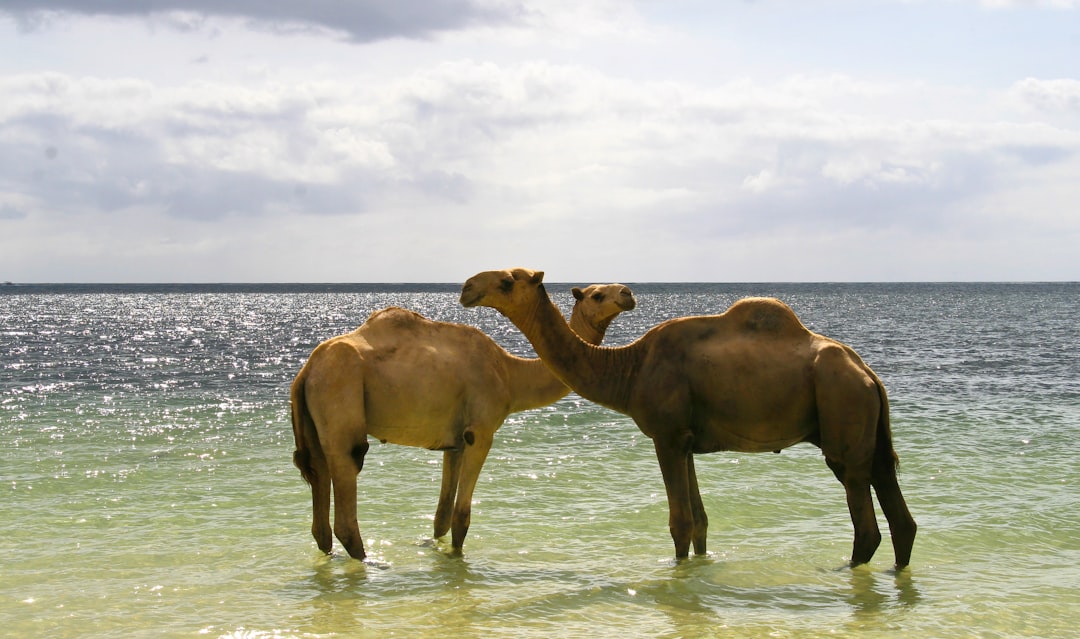

Areas Worth Visiting
Each neighborhood has its own character
District Map of Mombasa
Pick a district to recenter the map and see hotels nearby.
Where to stay in Mombasa
Compare hotels and rentals across the city's nightlife districts.
See places to stay and current pricesOverview
Mombasa is Kenya's oldest city, a port town on the Indian Ocean coast with a history stretching back over a thousand years. The old town's narrow streets, Arabic architecture, and Swahili culture feel worlds away from Nairobi's glass towers. The city of 1.2 million people serves as Kenya's second economic center and the gateway to the beach resorts along the north and south coast.
Our team walked every district covered here.
The nightlife is concentrated in Nyali, a middle-class and tourist area north of Mombasa Island connected by the Nyali Bridge. Beach bars, hotel restaurants, and a handful of nightclubs cater primarily to tourists and the local professional class. The scene is significantly smaller and more seasonal than Nairobi's, with the peak months running from November through March when European charter tourists arrive.
Legal Context
Kenyan law prohibits prostitution throughout the country. Mombasa's coast sees visible solicitation in tourist areas, and police conduct periodic sweeps. The enforcement pattern is similar to Nairobi: inconsistent, corruption-influenced, and focused on visible street activity rather than indoor establishments.
The coastal region has additional sensitivities. Mombasa's large Muslim population means cultural expectations around modesty and alcohol consumption are stronger than in Nairobi. The Old Town is conservative. The tourist strip operates by different rules.
Drug laws apply strictly. Coastal Kenya has a well-documented heroin transit problem, and police enforcement in the area can be aggressive.
Key Areas
Nyali. The main tourist and nightlife area, stretching along the coast north of Mombasa Island. Beach hotels, standalone bars, and a few clubs line Nyali Road and the surrounding streets. This is where most visitors spend their evenings.
Mombasa Old Town. Historic Swahili quarter on the eastern edge of Mombasa Island. Beautiful architecture, cultural sites, and a few restaurants, but limited nightlife and not recommended after dark.
Bamburi and Shanzu. Beach areas north of Nyali with resort hotels and scattered nightlife. More isolated than Nyali, with fewer options but a quieter atmosphere.
Diani Beach. Located south of Mombasa across the Likoni Ferry, Diani is a separate beach destination with its own bar and restaurant scene. It's a 1-2 hour trip from Mombasa proper and functions as its own nightlife zone.
Safety
Mombasa presents different safety concerns than Nairobi. Violent crime rates are lower, but other risks require attention.
- Petty theft and phone snatching occur along the beach and in crowded markets. Keep valuables secure
- Walking on the beach at night is not safe. Muggings have been reported even on popular hotel beaches
- The Likoni Ferry and surrounding area have higher crime rates. Avoid this area after dark
- Drink spiking has been reported at tourist bars. Standard precautions apply
- Tuk-tuks and boda bodas are the main local transport. Negotiate prices before boarding. Use Bolt where available
- The Old Town is safe during the day but poorly lit and not recommended at night
- Terrorism risk: Mombasa has experienced attacks linked to al-Shabaab. Major hotels and venues have security screening
- Emergency numbers: 999 (police), 112 (mobile)
Cultural Norms
Mombasa's Swahili culture requires more cultural awareness than Nairobi.
- The coast is significantly more conservative than Nairobi, particularly in Muslim-majority areas. Dress modestly when outside tourist zones
- Alcohol consumption is less socially accepted here than in Nairobi. Many restaurants in the Old Town do not serve alcohol
- The tourist strip operates by different norms. Bikinis on the beach and drinking at resort bars are expected and accepted in Nyali and the beach areas
- Ramadan affects the coastal experience significantly. During the holy month, many local restaurants close during daylight hours, and the nightlife scene slows. Tourist venues continue operating
- Friday is the Islamic day of prayer. The Old Town and some businesses slow down
- Kenyans on the coast are typically multilingual: Swahili, English, and often Arabic. Greet people in Swahili (jambo or habari) for a warm reception
- Tipping KES 100-300 ($0.75-2.25) at restaurants is appreciated
Social Scene
Beach bars are Mombasa's social anchor. Sunset drinks with an ocean view are the default evening activity. Most hotel bars welcome non-guests, and standalone beach restaurants serve food and drinks until late.
Live music features Swahili taarab and benga alongside international pop at tourist venues. Local bands play weekend sets at select bars.
The tourist crowd is diverse: European package tourists, Nairobi residents on weekend getaways, and a growing number of digital nomads. The mix changes seasonally.
Food is a highlight. Swahili cuisine, with its Indian Ocean spice trade influences, produces dishes you won't find elsewhere in Kenya. Biryani, pilau, and grilled seafood are staples.
Transportation
- Bolt and Uber: Available but less reliable than in Nairobi. Wait times can be longer, especially at night
- Tuk-tuks: The most common transport. Negotiate the fare before getting in. A short trip costs KES 100-300 ($0.75-2.25)
- Boda bodas (motorcycle taxis): Cheap but risky, especially at night. Not recommended for visitors
- Taxis: Available at hotels and major venues. Agree on the price before departure. A ride from Nyali to the Old Town costs approximately KES 500-1,000 ($3.75-7.50)
- Likoni Ferry: Connects Mombasa Island to the south coast. Free for pedestrians. Crowded and a pickpocketing hotspot
Best Times to Visit
Mombasa's nightlife is seasonal, tied to both weather and tourism patterns.
- November through March: Peak tourist season. European visitors fill the hotels, and nightlife venues are at their busiest. Weather is hot and humid
- July through October: Cooler and drier. Fewer tourists but the local scene continues. A good time for a less crowded experience
- April through June: Long rains. Some beach bars close or reduce hours. The quietest period
- December and January: The absolute peak. Prices rise, venues fill, and the coast feels alive. Book accommodation well in advance
Get the Legal Status PDF, 50 countries
Newsletter signup coming soon. Check back shortly.
Flights to Mombasa
Compare prices across airlines. Filter by stops, time, and cabin.
Airport transfer to Mombasa
Pre-booked transfers cost about the same as a metered taxi but cut out the airport queue, the meter argument, and the "no English" routine that takes some drivers to the wrong address. Fixed price quoted before booking, driver tracks your flight, waits with a name sign at arrivals.
Book a KiwiTaxi transferFrequently Asked Questions
Was this guide helpful?