
Where the Nightlife Is
Tap a district for venues, prices, and safety info
Kimihurura
4/5SafeDistrict guide to Kimihurura in Kigali, covering upscale bars, expat-friendly venues, and practical details for Rwanda's main nightlife area.
5 nightlife spots listed
Nyamirambo
4/5SafeDistrict guide to Nyamirambo in Kigali, covering local bars, live music, and the authentic nightlife of Rwanda's most culturally rich neighborhood.
4 nightlife spots listed
District Map of Kigali
Pick a district to recenter the map and see hotels nearby.
Where to stay in Kigali
Compare hotels and rentals across the city's nightlife districts.
See places to stay and current pricesOverview
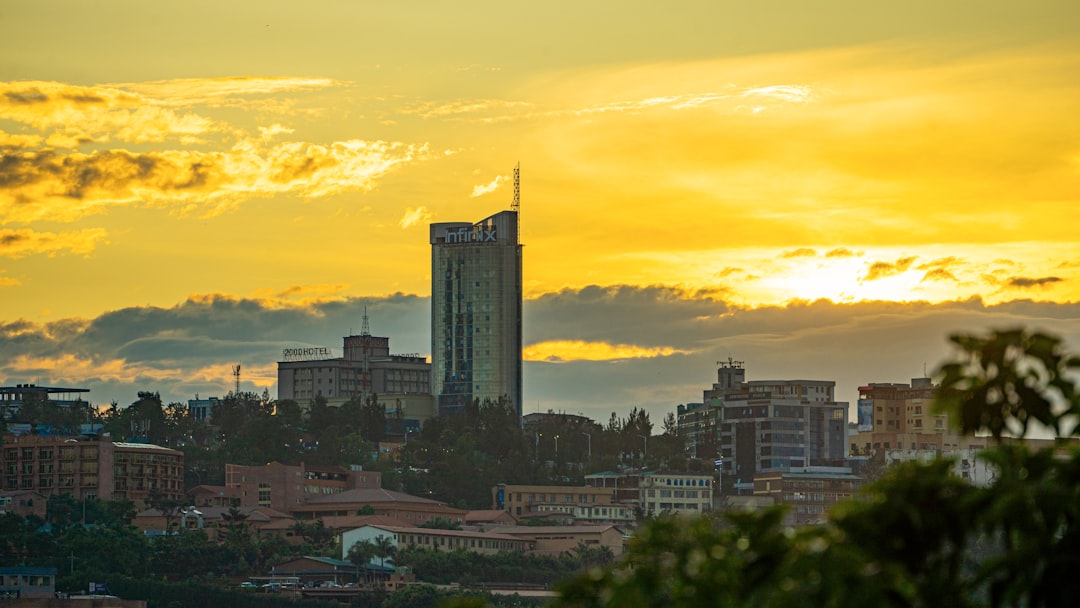
Kigali unfolds across a series of green hills at roughly 1,500 meters elevation, giving the city a temperate climate that makes evenings genuinely pleasant. With a population approaching 1.2 million, it serves as Rwanda's political, economic, and cultural center. The city is famous for being clean, orderly, and safe, qualities enforced by a government that takes public standards seriously.
Prices and venue details confirmed through multiple visits.
The nightlife reflects this character. It's modest, well-maintained, and shuts down at reasonable hours. There are no sprawling entertainment districts, no neon strips, and no chaos. What Kigali offers is quality over quantity: well-designed bars, good restaurants, and a social scene that's friendly and accessible for visitors. The city's conference tourism industry (Kigali Convention Centre hosts major events regularly) means the hospitality sector operates at a higher standard than you might expect.
Legal Context
Prostitution is illegal in Rwanda, and enforcement is more consistent here than in most of the region. Kigali's nightlife operates through conventional licensed establishments: bars, restaurants, and clubs. The government regulates operating hours strictly, and venues that violate licensing conditions face closure.
Drug laws are strict and enforced. Cannabis, despite availability in the wider region, carries real criminal risk in Rwanda. Police corruption is minimal, which means violations result in actual consequences rather than negotiated payments.
Key Areas
Kimihurura. Kigali's upscale bar district, located between the city center and the Kigali Convention Centre. A concentration of bars, restaurants, and lounges caters to the expat community, conference attendees, and Kigali's growing professional class.
Nyamirambo. Kigali's most culturally interesting neighborhood, a dense, historic quarter on the city's western hills. The nightlife here is local, affordable, and more energetic than Kimihurura. Muslim and Christian communities share the streets, creating a diverse social atmosphere.
Kiyovu and CBD. The central business district has a few hotel bars and restaurants, but nightlife is limited. Most people head to Kimihurura or Nyamirambo for an evening out.
Safety
Kigali's safety record is exceptional by any standard, not just African.
- Violent crime against foreigners is extremely rare. You can walk main streets at night with reasonable comfort
- Petty crime is minimal. Pickpocketing and phone snatching occur far less frequently than in Nairobi, Dar es Salaam, or Kampala
- The main transport risk is motorcycle taxis (motos). Always insist on a helmet and hold the handlebars behind you
- Police are professional and generally not corrupt. They enforce rules consistently
- Carry identification. Police occasionally conduct document checks, and these are legitimate, not pretexts for bribes
- Do not photograph the genocide memorial sites without permission. Respectful behavior is expected and monitored
- Emergency: 112 (police), 912 (ambulance)
Cultural Norms
Kigali's social expectations differ markedly from other East African capitals.
- Cleanliness is taken seriously. Littering, even accidentally, draws disapproval. The city's orderliness is a point of national pride
- English works well, particularly with younger Kigalis. French is also widely spoken. Kinyarwanda phrases earn respect
- Dress is smart but not extravagant. Kigalis dress neatly for evenings out. Clean, pressed clothing is expected
- The genocide is a defining reality. The Kigali Genocide Memorial is a must-visit, but do not raise the topic casually in nightlife settings. Let Rwandans lead those conversations if they choose to
- Alcohol consumption is more moderate than in neighboring countries. Public drunkenness is stigmatized and can attract police attention
- The social scene is friendly and approachable. Kigalis are reserved initially but warm up quickly. Conversations flow easily once started
Transportation
- Motos (motorcycle taxis): The most common transport. RWF 500-2,000 ($0.40-1.60) for cross-city trips. Convenient but the highest-risk transport option. Insist on helmets
- Taxis: RWF 3,000-10,000 ($2.40-8) across the city. Safer than motos. Negotiate the fare before departing
- Yego Moto (ride-hailing app): Rwanda's motorcycle ride-hailing service. Works like Uber for motos. Provides helmets and GPS tracking
- Buses: Clean and organized public buses run main routes. RWF 200-500 ($0.16-0.40). Not practical for nightlife
- Walking: Feasible during the day and in main areas at night. Kigali's hills make walking more tiring than distances suggest
Best Times to Visit
- Dry seasons (June-September, December-February): Best weather. Clear, cool evenings perfect for outdoor dining
- Long rains (March-May): Rain can be heavy. Nightlife continues but outdoor seating suffers
- Short rains (October-November): Less intense than the long rains. Still pleasant for going out
- Conference season: Kigali hosts major events year-round, and the nightlife picks up when conferences are in town
- Weekends: Friday and Saturday are the main nights. Sunday is quiet. Weeknight bar culture exists but is low-key
Get the Legal Status PDF, 50 countries
Newsletter signup coming soon. Check back shortly.
Flights to Kigali
Compare prices across airlines. Filter by stops, time, and cabin.
Airport transfer to Kigali
Pre-booked transfers cost about the same as a metered taxi but cut out the airport queue, the meter argument, and the "no English" routine that takes some drivers to the wrong address. Fixed price quoted before booking, driver tracks your flight, waits with a name sign at arrivals.
Book a KiwiTaxi transferFrequently Asked Questions
Related Guides
Kimihurura
District guide to Kimihurura in Kigali, covering upscale bars, expat-friendly venues, and practical details for Rwanda's main nightlife area.
Read guideNyamirambo
District guide to Nyamirambo in Kigali, covering local bars, live music, and the authentic nightlife of Rwanda's most culturally rich neighborhood.
Read guideWas this guide helpful?