
The Key Neighborhoods
Detailed guides for every area
District Map of Antananarivo
Pick a district to recenter the map and see hotels nearby.
Where to stay in Antananarivo
Compare hotels and rentals across the city's nightlife districts.
See places to stay and current pricesOverview
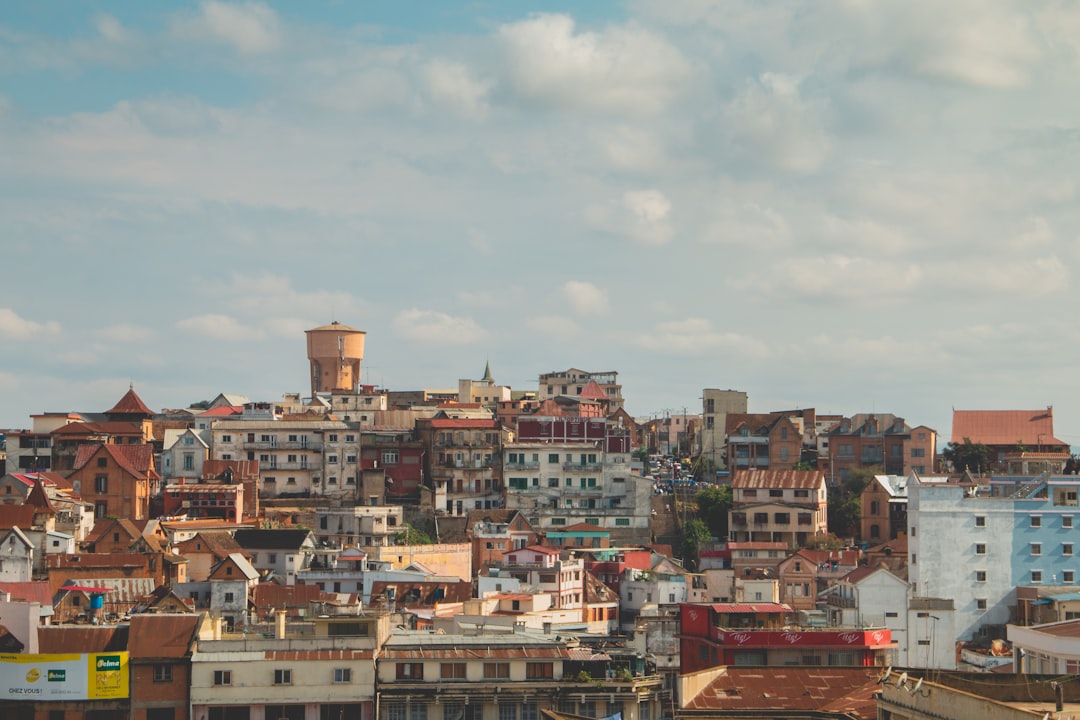
Antananarivo sits at 1,300 meters elevation across a series of ridges in Madagascar's central highlands. Known locally as "Tana," the city of roughly 3 million people sprawls across steep hills connected by narrow streets that predate automobile traffic. The upper town retains French colonial architecture and a cafe culture that feels more Mediterranean than African. The lower town buzzes with markets, traffic, and the controlled chaos that defines daily life in one of the world's poorest capital cities.
We spent 3 days in Antananarivo researching this guide.
The nightlife is small but genuine. A handful of clubs, bars, and restaurants in the downtown area serve a mix of Malagasy professionals, French expats (Madagascar's largest foreign community), NGO workers, and the occasional tourist. The scene peaks Thursday through Saturday and starts late by Western standards.
Legal Context
Malagasy law prohibits prostitution and related activities. Enforcement is minimal in practice. Antananarivo's bars and clubs operate as licensed establishments focused on conventional entertainment. The city has no formal red-light district, though solicitation occurs at certain late-night venues and in areas around major hotels.
Drug enforcement is limited but laws exist. Cannabis is technically illegal despite being widely available. Penalties for possession can include imprisonment, though enforcement against tourists is rare.
Key Areas
Analakely. The downtown commercial district and primary nightlife zone. Avenue de l'Independance and the surrounding streets concentrate most of the city's bars, clubs, and restaurants. The area stays active late on weekends.
Isoraka. An upscale residential area east of downtown with a few high-end restaurants and hotel bars. Quieter than Analakely, this area serves the diplomatic and business crowd.
Haute Ville (Upper Town). The historic hilltop area around the Rova palace has restaurants and small bars with views over the city. The atmosphere is more subdued, with dinner and drinks rather than late-night clubbing.
Safety
Antananarivo is not a safe city at night. The combination of widespread poverty, limited street lighting, and stretched police resources creates real risks.
- Never walk after dark, even short distances. Take a taxi from your venue's door
- Armed robbery and mugging are common throughout the city after sunset. Groups are safer than solo travelers, but not immune
- Pickpocketing and bag snatching happen in daylight too, particularly around Analakely market and the stairs between the upper and lower town
- Taxis should be pre-arranged through your hotel or restaurant. Avoid hailing cars on the street at night
- Power outages are frequent and plunge entire neighborhoods into darkness
- Road conditions are poor. Potholes, lack of sidewalks, and erratic driving create hazards
- Police response is unreliable. Emergency number 117 may not be answered promptly
- Keep copies of your passport. Police occasionally request identification from foreigners
Cultural Norms
Antananarivo blends Malagasy and French cultural influences in ways that shape nightlife behavior.
- French is the language of nightlife. Most bar staff and educated Malagasy speak French. English is uncommon outside of tourist-oriented establishments
- Malagasy people are reserved in initial meetings but warm up quickly. Direct confrontation is culturally avoided
- Dress code is casual at most venues. Jeans and a clean shirt are standard for men. Some hotel bars and upscale restaurants expect slightly more formal attire
- Tipping is appreciated. MGA 5,000-10,000 ($1.05-2.15) at restaurants is generous by local standards
- The concept of "mora mora" (slowly, slowly) applies to everything, including service at bars and restaurants. Patience is expected
- Relationships between foreign men and Malagasy women are common and socially accepted. Financial expectations typically exist in these relationships
- Fady (taboos) are taken seriously. These vary by region and ethnic group. In Tana, they're less prominent than in rural areas
Social Scene
Bars and restaurants with a French influence form the backbone of Tana's nightlife. Many establishments function as restaurant-bars that shift into drinking venues as the evening progresses. Live music is common on weekends.
Clubs are few in number but active. The main venues in Analakely draw crowds on Thursday, Friday, and Saturday nights. Music mixes Malagasy styles (salegy, tsapiky) with French pop, dancehall, and international hits.
Hotel bars at the larger hotels serve as meeting points for the expat and business traveler community. These are safe, comfortable, and relatively expensive by local standards.
French cultural influence is visible everywhere. Cafe culture, wine with dinner, and a generally relaxed attitude toward social drinking reflect Madagascar's colonial history.
Transportation
- Taxis: The primary transport option. Negotiate the fare before getting in. No meters. Typical cross-city fare is MGA 10,000-30,000 ($2.15-6.40). Pre-arrange through your hotel for late-night returns
- Ride-hailing apps: Limited availability. Some local apps exist but coverage is inconsistent
- Walking: Safe during daylight in commercial areas. Never walk after dark
- Driving: Not recommended. Roads are poor, traffic rules are loosely observed, and navigation is confusing. Hire a driver if you need a car
- Public transport (taxi-be): Cheap minibuses that run fixed routes during the day. Not suitable for nightlife use
Best Times to Visit
Antananarivo's nightlife is modest year-round, with some seasonal patterns.
- Dry season (May-October): Best period. Cool evenings, clear skies, consistent nightlife activity
- Hot rainy season (November-April): Nightlife continues but heavy rains can flood streets and disrupt transport. Cyclones occasionally affect the capital
- June-August: Peak tourist season. More activity at venues popular with visitors
- Weekends: Thursday, Friday, and Saturday are the active nights. The rest of the week is quiet outside of hotel bars and restaurants
Get the Legal Status PDF, 50 countries
Newsletter signup coming soon. Check back shortly.
Flights to Antananarivo
Compare prices across airlines. Filter by stops, time, and cabin.
Airport transfer to Antananarivo
Pre-booked transfers cost about the same as a metered taxi but cut out the airport queue, the meter argument, and the "no English" routine that takes some drivers to the wrong address. Fixed price quoted before booking, driver tracks your flight, waits with a name sign at arrivals.
Book a KiwiTaxi transferFrequently Asked Questions
Was this guide helpful?