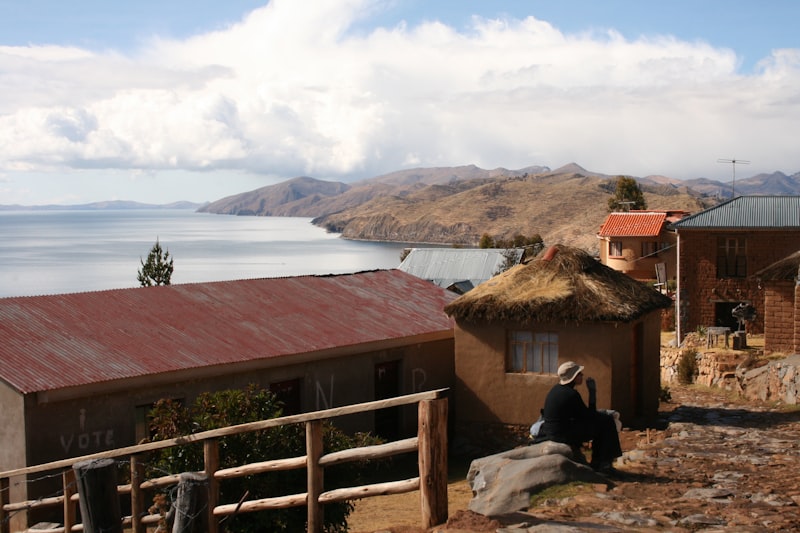


Before You Travel to Bolivia
Five things every smart traveler sorts before booking.
- 1
Passport valid 6+ months from entry date
Most countries refuse entry on passports expiring within six months. Renew now if you're close.
- 2
Visa requirements for Bolivia
Some are visa-free, some require an e-visa filed days ahead, some need an embassy appointment.
- 3
Travel insurance booked
A hospital visit in Bolivia can run $4,000-15,000 without cover. Credit card insurance usually excludes alcohol-related incidents.
- 4
eSIM data plan ready before landing
Airport SIM kiosks need your passport and overcharge tourists. Install an eSIM in 60 seconds, online before you fly.
- 5
Accommodation reserved in the right district
The wrong neighborhood means a 45-minute taxi every night. Map the venues first, then book.
City Guides in Bolivia
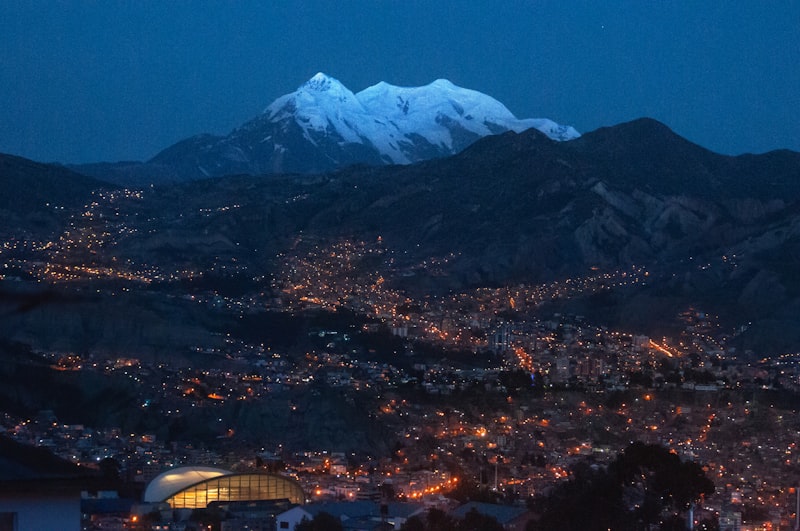
La Paz
City guide to adult nightlife in La Paz, Bolivia's high-altitude capital with bars, penas, and a compact nightlife scene centered on the Sopocachi neighborhood.
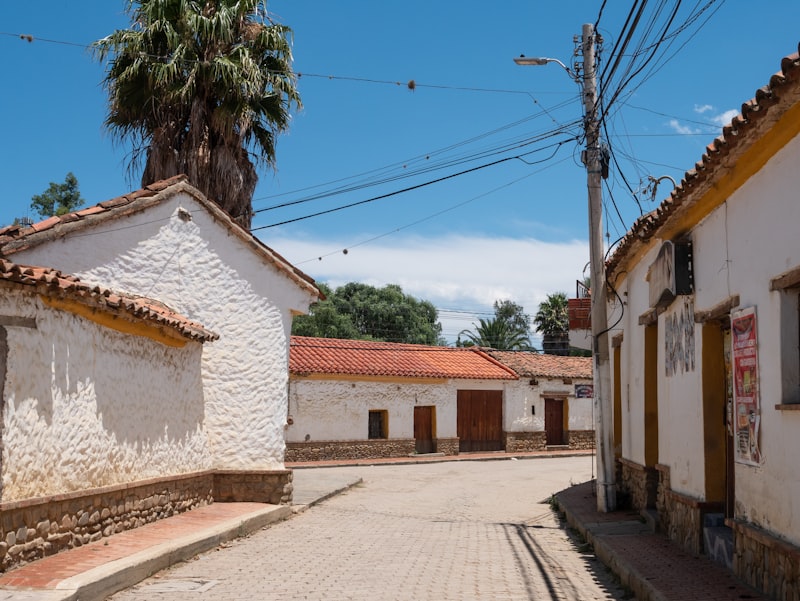
Santa Cruz
City guide to adult nightlife in Santa Cruz de la Sierra, Bolivia's largest city with modern clubs, bars, and a tropical nightlife scene centered on the Equipetrol district.
Compare hotels in Bolivia
Hotels, hostels, and short-term rentals across the country's main nightlife cities.
Legal Framework
Prostitution is legal in Bolivia for adults aged 18 and older. The country does not have a formal regulatory framework governing the industry, which places it in a legal-but-unregulated category. Sex workers are not required to register with government agencies, and there is no national licensing system for adult entertainment establishments.
Based on on-the-ground reporting from March 2026.
Municipal governments exercise some control through zoning and business permit requirements. Establishments that serve alcohol and operate as nightlife venues need local permits, but specific regulations for adult entertainment vary by city. In practice, enforcement of even these basic requirements is inconsistent.
Pimping, trafficking, and exploitation of minors carry criminal penalties under Bolivia's penal code. Bolivia has strengthened its anti-trafficking laws in recent years under pressure from international organizations. The law applies equally to Bolivian nationals and foreigners.
Enforcement Reality
Enforcement is loose and inconsistent across the country. Police in La Paz and Santa Cruz focus limited resources on trafficking and exploitation of minors rather than regulating voluntary adult activity between consenting adults. Periodic raids on unlicensed establishments occur, but they tend to be driven by complaints from neighbors or political pressure rather than systematic enforcement.
Bolivia's police force is underfunded and faces ongoing corruption challenges. Bribes and informal payments are a documented reality of interactions with law enforcement, particularly in nightlife settings. Foreign visitors should be aware that police may attempt to extract money during routine encounters. Carry a copy of your passport and know the location of your embassy or consulate.
The tourist police have a presence in La Paz, particularly around popular tourist areas. Their resources are limited compared to counterparts in Peru or Colombia, but they can assist with filing reports and providing basic guidance.
Cultural Context
Bolivia is South America's most indigenous country, with over 60% of the population identifying as indigenous. This shapes social norms, attitudes, and daily life in ways that differ from neighboring Peru or Brazil. The culture is conservative by Latin American standards, particularly in highland areas like La Paz. Public displays of affection between obvious foreigners and local companions will draw attention and judgment.
Nightlife in Bolivia operates on a smaller scale than its neighbors. La Paz has a concentrated bar scene in the Sopocachi neighborhood, while Santa Cruz, the country's commercial capital in the eastern lowlands, has a more developed club scene. Neither city approaches the scale or variety found in Lima, Bogota, or Sao Paulo.
Bolivians are warm and hospitable, but initial trust takes longer to build than in more tourist-oriented countries. The "gringo" label carries connotations of wealth, and visible wealth disparities create social tension in a country where the minimum wage sits around 2,362 BOB per month (roughly $340 USD).
Dating Culture
Bolivian dating culture reflects the country's conservative and family-oriented values. Relationships tend to move slowly by Latin American standards. Family approval carries real weight, and meeting a partner's parents signals serious commitment. This can happen earlier than foreigners expect, sometimes within the first few weeks of dating.
Traditional gender roles are strong throughout Bolivia. Men are expected to initiate, plan dates, and pay. Women in La Paz's middle class are increasingly independent, but the expectation persists that men demonstrate economic stability and respect through these gestures. Splitting bills on early dates is unusual.
Indigenous Aymara and Quechua cultural norms influence dating in the highlands. In these communities, courtship traditions are distinct from mestizo or urban culture. Relationships between foreigners and indigenous Bolivians are uncommon and draw significant community attention.
Santa Cruz has a noticeably different dating culture from La Paz. The lowland city is warmer in both climate and social temperament. People are more outwardly expressive, nightlife runs later, and social interactions are more relaxed. The cambas (people from Santa Cruz) see themselves as culturally distinct from the kollas (highland Bolivians), and this regional identity shapes social norms.
Age gaps of five years or less attract little attention. Larger gaps become socially visible and can generate skepticism about the nature of the relationship. Common mistakes foreign men make include not learning Spanish (English is rarely spoken outside the most tourist-oriented settings), misreading politeness as romantic interest, and displaying wealth in ways that create uncomfortable dynamics.
Dating Apps
Tinder is the most widely used dating app in Bolivia, with the largest user base in Santa Cruz and La Paz. Bumble has limited traction and is used primarily by upper-middle-class women in the bigger cities. Badoo has a broader user base across smaller cities and towns. Facebook dating and direct messaging through Instagram are common alternatives to dedicated apps.
Spanish is the only practical language for dating platforms in Bolivia. English-only profiles will severely limit your options. Even basic Spanish in your bio and messages signals effort and respect.
Most Bolivian women on dating apps are looking for genuine connections. The culture isn't oriented toward casual encounters in the way that apps in North America or Europe might suggest. Standard caution applies: verify identities through video calls before meeting, choose public first-date locations, arrange your own transport, and tell someone where you're going.
Key Cities
La Paz is the administrative capital, sitting at 3,640 meters above sea level. The altitude hits hard and affects how alcohol impacts your body. Sopocachi is the main nightlife neighborhood, with bars, penas (folk music venues), and a handful of clubs concentrated along a few streets. The scene is small but genuine.
Santa Cruz de la Sierra is Bolivia's largest city and economic engine, located in the tropical eastern lowlands. It has the most developed nightlife infrastructure in the country, centered on the Equipetrol district. The climate is hot year-round, which keeps outdoor bars and terraces popular. Santa Cruz feels more like a Brazilian city than a highland Andean one.
Safety Considerations
Bolivia earns a safety rating of 2 (Risky). It's not the most dangerous country in South America, but the combination of underfunded police, altitude-related health risks, and tourist-targeting crime demands caution:
- Altitude sickness is a serious factor in La Paz (3,640m). Symptoms include headaches, nausea, shortness of breath, and impaired judgment. Alcohol intensifies these effects dramatically. Take at least 24 hours to acclimatize before drinking
- Petty crime is common in both La Paz and Santa Cruz. Phone snatching, pickpocketing, and bag slashing happen in crowded areas and on public transport
- Express robberies occur, particularly in Santa Cruz. Criminals use taxis to take victims to ATMs. Use trusted transport only
- Fake police stops target tourists, especially at night. Real police carry identification and will accompany you to a station if there's a genuine issue
- Share your location with someone you trust when going out at night
- Carry only the cash you need, a copy of your passport, and one phone
- Travel insurance with medical evacuation coverage is strongly recommended, especially given altitude-related risks
Common Scams
Fake police shakedowns are Bolivia's most common scam targeting tourists. Individuals in police uniforms or claiming to be plainclothes officers approach tourists, demand to search bags, and confiscate cash or valuables. Real Bolivian police will show proper identification and take you to an official station if there's a legitimate issue. Never hand over your passport or wallet on the street. Offer to walk to the nearest police station instead.
Taxi robberies: Unlicensed taxis pick up tourists, then an "accomplice" gets in at a red light. The victim is threatened and forced to hand over belongings or withdraw cash from ATMs. Use radio taxis or ride-hailing apps exclusively at night.
Money exchange scams: Street changers in tourist areas use sleight of hand to shortchange you or pass counterfeit bills. Use banks or licensed exchange offices (casas de cambio) instead.
The helpful stranger: Someone approaches offering directions or assistance, then leads you to a situation where you're pressured to spend money or your belongings are stolen while you're distracted.
Drink spiking: Less documented than in Colombia or Peru, but it occurs. Never accept drinks from strangers and watch your glass at all times.
What Not to Do
- Do not underestimate altitude sickness in La Paz; take a full day to acclimatize before drinking
- Do not use unlicensed taxis, especially at night
- Do not hand over your passport or wallet during a "police" stop on the street
- Do not display expensive electronics, watches, or jewelry
- Do not walk alone in unfamiliar areas after dark
- Do not accept drinks or food from strangers
- Do not engage with anyone who appears to be underage; Bolivian law treats this seriously
- Do not resist armed robbery; comply and report to police afterward
- Do not assume everyone who approaches you has good intentions
Sources
- U.S. Department of State: Bolivia Travel Advisory - Entry requirements, safety alerts, and local law summary
- UK Foreign, Commonwealth & Development Office: Bolivia Travel Advice - Safety, health, and legal information for travelers
- Australian Government Smartraveller: Bolivia - Travel advisory and practical information
Get the Legal Status PDF, 50 countries
Newsletter signup coming soon. Check back shortly.
Emergency Information: Bolivia
- Emergency:
- 110
- Tourist Police:
- Tourist police operate in La Paz and other major cities but resources are limited
- Embassy Note:
- Most embassies are in La Paz. Some maintain consulates in Santa Cruz.
More in This Region
Argentina
Buenos Aires blends European sophistication with Latin passion. Palermo's upscale bars, San Telmo's tango culture, and some of South America's most striking women.
Brazil
Rio's Copacabana, Sao Paulo's Vila Olimpia, and stunning women across every price range. Legal, unregulated, and deeply woven into the nightlife culture of South America's largest country.
Chile
Santiago and Valparaiso offer South America's most orderly nightlife scene, with cocktail bars, live music, and a late-night culture shaped by Chilean reserve and European influence.
Colombia
Medellin and Cartagena draw visitors with beautiful women, affordable prices, and a scene that ranges from upscale lounges to street-level. Rapidly growing as a top destination.
Similar Countries in Other Regions
Countries with a similar overall score to Bolivia (3.4) but in different parts of the world.
Costa Rica
3.4Central America
San Jose's Gringo Gulch and Jaco's beachfront bars cater to North American visitors. Legal, moderately priced, and one of Central America's safest destinations.
Guatemala
3.4Central America
A small Central American scene concentrated in Guatemala City's Zona Viva and colonial Antigua. Low costs and tolerated activity, but safety demands constant awareness.
Madagascar
3.4East Africa
Madagascar's nightlife is concentrated in Antananarivo, where a small bar and club scene operates in a country with widespread poverty and minimal law enforcement capacity.
Was this guide helpful?