

Before You Travel to Guatemala
Five things every smart traveler sorts before booking.
- 1
Passport valid 6+ months from entry date
Most countries refuse entry on passports expiring within six months. Renew now if you're close.
- 2
Visa requirements for Guatemala
Some are visa-free, some require an e-visa filed days ahead, some need an embassy appointment.
- 3
Travel insurance booked
A hospital visit in Guatemala can run $4,000-15,000 without cover. Credit card insurance usually excludes alcohol-related incidents.
- 4
eSIM data plan ready before landing
Airport SIM kiosks need your passport and overcharge tourists. Install an eSIM in 60 seconds, online before you fly.
- 5
Accommodation reserved in the right district
The wrong neighborhood means a 45-minute taxi every night. Map the venues first, then book.
City Guides in Guatemala
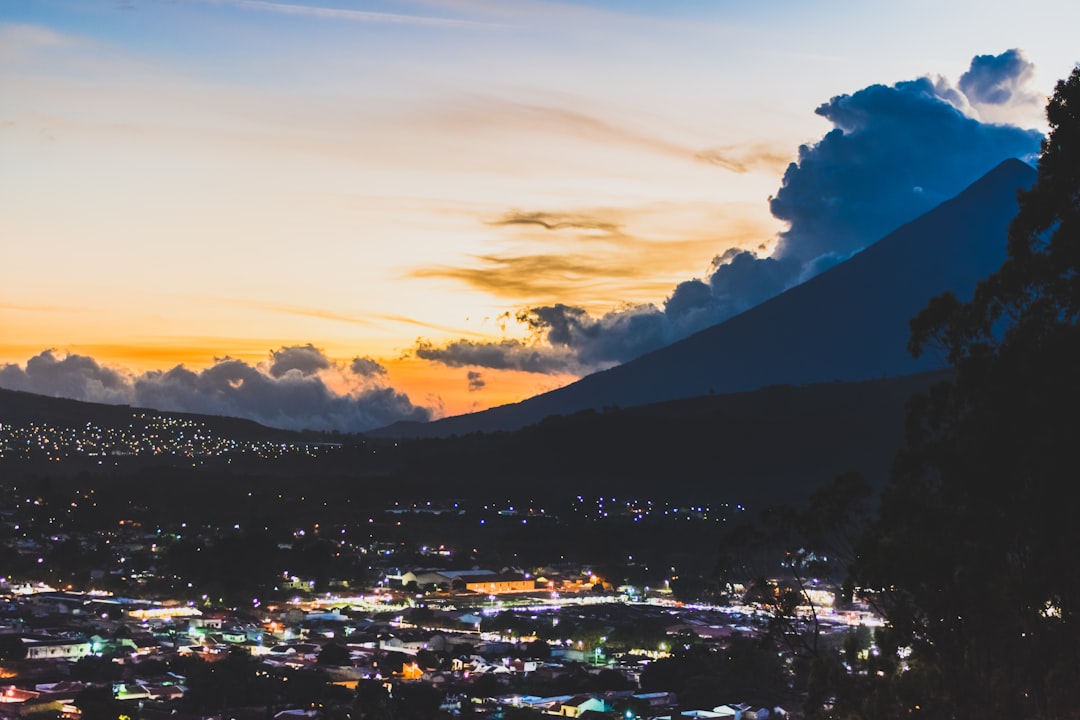
Antigua Guatemala
City guide to nightlife in Antigua Guatemala, a colonial tourist town with a compact bar scene, backpacker energy, and low-key social opportunities.
Guatemala City
City guide to adult nightlife in Guatemala City, covering Zona Viva's clubs and bars, safety precautions, costs, and cultural context.
Compare hotels in Guatemala
Hotels, hostels, and short-term rentals across the country's main nightlife cities.
Legal Framework
Prostitution occupies a gray area in Guatemalan law. There is no specific statute criminalizing the act of selling sex between consenting adults. However, operating a brothel, pimping, and soliciting are illegal under the Penal Code. The practical effect is that individual sex work exists in a tolerated space while organized commercial operations technically violate the law.
Based on on-the-ground reporting from March 2026.
Guatemala's legal framework also criminalizes human trafficking under the Law Against Sexual Violence, Exploitation, and Trafficking in Persons (Decree 9-2009). This law carries severe penalties, including 8 to 18 years of imprisonment. The gap between the law and its enforcement, however, remains significant.
Enforcement Reality
Enforcement of prostitution laws is minimal and inconsistent. Police rarely intervene in adult entertainment venues unless there are complaints about underage involvement, public disturbance, or violent crime. Many establishments operate openly, paying informal fees to local authorities. This arrangement creates a de facto toleration system without official legal sanction.
Guatemala City's Zona Viva (Zona 10) has a visible nightlife scene that operates with limited police interference. In Antigua, a popular tourist destination, the scene is smaller and more discreet, but authorities similarly look the other way for bars and venues that don't create problems.
Corruption is a significant factor. The Guatemalan police force (PNC) has been repeatedly cited for corruption by international organizations. This means that enforcement is often selective and influenced by financial relationships rather than consistent application of the law.
Cultural Context
Guatemala is a deeply Catholic and evangelical Christian country where public attitudes toward sex work are conservative. Social stigma is strong, and the topic is rarely discussed openly. This creates a disconnect between official morality and ground-level reality, where adult entertainment exists but operates behind a veil of social silence.
Indigenous Mayan culture, which represents roughly 40% of the population, has its own social norms that are generally more conservative regarding sexual behavior. The nightlife scene is primarily concentrated in Ladino (mixed heritage) urban areas and tourist zones.
Class dynamics play a significant role. Guatemala has extreme income inequality, and this shapes the nightlife industry. Many workers come from low-income backgrounds, and the economic disparity between foreign visitors and local workers is stark.
Venue Types
Bars and cantinas in nightlife zones are the most common venues. Some operate as straightforward drinking establishments, while others facilitate introductions. The distinction isn't always clear from the outside.
Nightclubs in Zona Viva range from conventional dance clubs to more adult-oriented venues. Cover charges are minimal by international standards.
Massage parlors offering additional services operate in both Guatemala City and Antigua. They advertise through local classifieds and online platforms.
Street-level activity exists in certain areas of Guatemala City but carries significant safety risks and is not recommended for foreign visitors.
Costs
Guatemala is among the cheapest destinations in Central America. Beer at a bar costs GTQ 25-40 (approximately $3-5 USD). Cocktails run GTQ 50-80. Club entry fees, where charged, are typically GTQ 50-100.
Encounters at venues are negotiated individually, with prices varying considerably based on location and establishment. Budget nightlife spending for an evening out (drinks, transport, entry) can stay under $20-30 USD.
Taxis are inexpensive but should be arranged through hotels or apps rather than hailed on the street. A ride within Zona Viva costs GTQ 40-60.
Dating Culture
Guatemalan dating norms are traditional by Latin American standards. Men are expected to initiate, pay for dates, and demonstrate chivalrous behavior. Women tend to be reserved in early interactions, and relationships develop over multiple meetings before physical intimacy.
Family involvement in relationships comes early. Meeting someone's family is a significant step but can happen sooner than North Americans might expect. Family approval matters considerably, and parental opinions carry real weight in relationship decisions.
Public displays of affection are common among young Guatemalans in urban areas, though more conservative behavior is expected in rural and indigenous communities. Holding hands and brief kisses are fine in Guatemala City; anything more draws attention.
Common mistakes to avoid:
- Being too direct or forward in initial interactions
- Ignoring the role of family in your partner's decisions
- Displaying wealth ostentatiously, which can attract unwanted attention and create unsafe dynamics
- Underestimating language barriers; Spanish is essential outside tourist zones
- Assuming that tourism-zone interactions represent broader Guatemalan culture
Dating Apps
Tinder has moderate usage in Guatemala City and Antigua, primarily among younger, urban, middle-class Guatemalans. Bumble sees minimal activity. Facebook Dating has surprisingly strong adoption, as Facebook is deeply embedded in Guatemalan social life.
Most profiles are in Spanish. English-language profiles work in tourist areas like Antigua but are rare in Guatemala City outside of Zona Viva. Spanish-language skills make a dramatic difference in both online and offline social interactions.
Response times tend to be slow. Many users don't check apps frequently, and conversations can stretch over days before a meeting is arranged. WhatsApp numbers are exchanged early, as Guatemalans prefer messaging on WhatsApp to app-based chat.
Key Cities
Guatemala City is the country's largest city (population 3+ million metro area) and has the most developed nightlife scene, concentrated in Zona Viva (Zona 10). The city has a reputation for crime, and safety precautions are non-negotiable.
Antigua Guatemala is a colonial tourist town with a compact bar scene. The atmosphere is more relaxed and tourist-friendly, but the nightlife options are limited and close early.
Safety Considerations
Guatemala has serious safety challenges that require constant awareness:
- Guatemala City has high rates of violent crime, including armed robbery, carjacking, and murder
- Zona Viva (Zona 10) is relatively safer than other parts of the city but not immune to crime
- Travel between zones in Guatemala City should always be by private vehicle or ride-hailing app
- Walking at night outside of well-lit, populated areas is strongly discouraged
- Do not resist if confronted by armed robbers; comply and report to police afterward
- Keep copies of your passport separate from the original
- Carry minimal cash and valuables when going out
Common Scams
Drink spiking: This occurs at bars and clubs. Never accept drinks from strangers or leave beverages unattended. The risks include robbery and worse.
Taxi kidnapping: Unlicensed taxis ("piratas") have been involved in robberies. Use only hotel-arranged transport, Uber, or marked radio taxis.
Express kidnapping: Victims are forced to withdraw cash from ATMs. This is more common in Guatemala City. Travel in groups and avoid isolated areas at night.
Bar tab inflation: Some venues add charges to bills or inflate prices. Confirm prices before ordering and review bills carefully.
What Not to Do
- Do not walk alone at night in Guatemala City, including in Zona Viva
- Do not take public buses (chicken buses) in the capital, especially at night
- Do not display phones, watches, or jewelry visibly
- Do not carry your passport; leave it in the hotel safe and carry a photocopy
- Do not engage in any activity involving minors; report any concerns to authorities or your embassy
- Do not assume that low prices mean low risk; Guatemala's safety challenges are real regardless of cost
Sources
- U.S. Department of State: Guatemala Travel Advisory - Entry requirements, safety alerts, and local law summary
- UK Foreign, Commonwealth & Development Office: Guatemala Travel Advice - Safety, health, and legal information for travelers
- Australian Government Smartraveller: Guatemala - Travel advisory and practical information
Get the Legal Status PDF, 50 countries
Newsletter signup coming soon. Check back shortly.
Emergency Information: Guatemala
- Emergency:
- 110
- Embassy Note:
- Most embassies are in Guatemala City's Zona 10 and Zona 14. Consular assistance for emergencies is limited outside the capital.
Other Options in the Area
Belize
Belize's nightlife revolves around beach bars and island venues, with San Pedro on Ambergris Caye leading the scene. Expect a laid-back Caribbean atmosphere, moderate prices, and a small but friendly bar scene.
Costa Rica
San Jose's Gringo Gulch and Jaco's beachfront bars cater to North American visitors. Legal, moderately priced, and one of Central America's safest destinations.
Honduras
Honduras has limited nightlife concentrated in Tegucigalpa and Roatan. Extremely high violent crime rates make safety the top priority for any visitor.
Nicaragua
Granada's colonial bar scene and Managua's Zona Rosa clubs offer cheap nightlife in Central America's most affordable country. Low-key, safety-conscious travel required.
Similar Countries in Other Regions
Countries with a similar overall score to Guatemala (3.4) but in different parts of the world.
Bolivia
3.4South America
La Paz and Santa Cruz offer South America's cheapest nightlife in a country where the adult scene is small, unregulated, and concentrated in a handful of districts. Safety requires extra caution.
Ecuador
3.4South America
Ecuador's nightlife runs on a small scale in Quito and Guayaquil, with cheap drinks, low-key bars, and a scene shaped by local culture rather than tourism. US dollars are the currency.
Madagascar
3.4East Africa
Madagascar's nightlife is concentrated in Antananarivo, where a small bar and club scene operates in a country with widespread poverty and minimal law enforcement capacity.
Was this guide helpful?