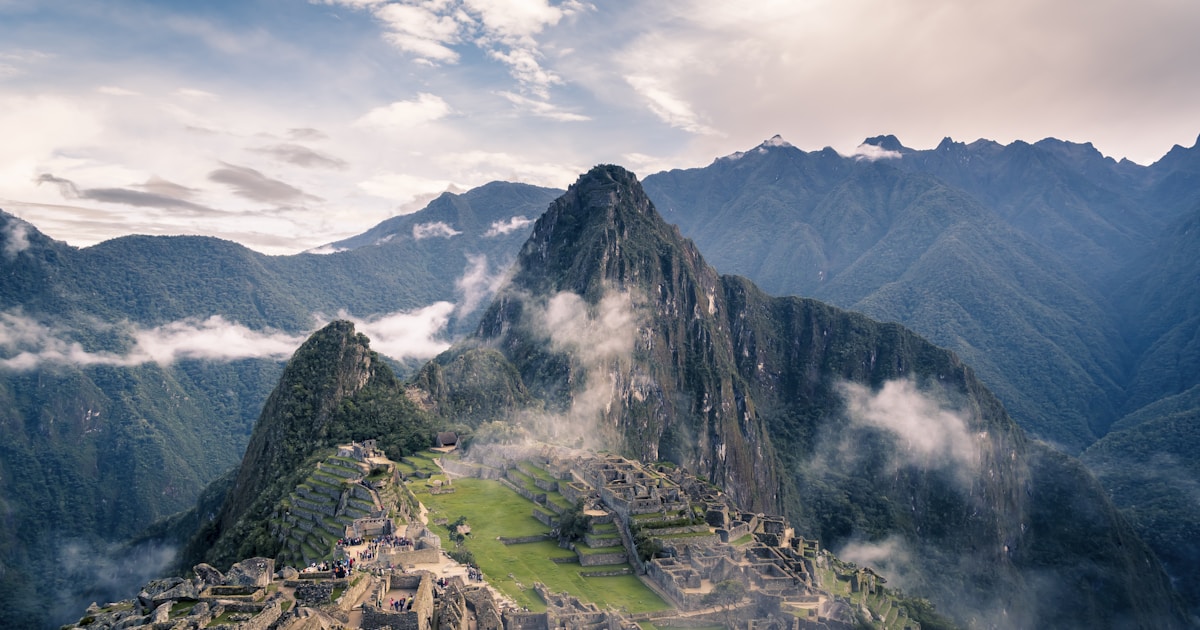


Before You Travel to Peru
Five things every smart traveler sorts before booking.
- 1
Passport valid 6+ months from entry date
Most countries refuse entry on passports expiring within six months. Renew now if you're close.
- 2
Visa requirements for Peru
Some are visa-free, some require an e-visa filed days ahead, some need an embassy appointment.
- 3
Travel insurance booked
A hospital visit in Peru can run $4,000-15,000 without cover. Credit card insurance usually excludes alcohol-related incidents.
- 4
eSIM data plan ready before landing
Airport SIM kiosks need your passport and overcharge tourists. Install an eSIM in 60 seconds, online before you fly.
- 5
Accommodation reserved in the right district
The wrong neighborhood means a 45-minute taxi every night. Map the venues first, then book.
City Guides in Peru
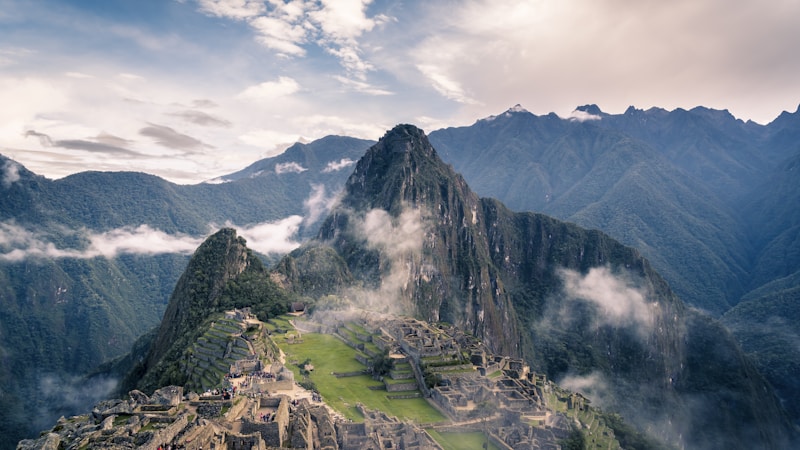
Cusco
City guide to nightlife in Cusco, covering the tourist city's entertainment scene, altitude safety, and practical advice.
Lima
City guide to adult nightlife in Lima, covering entertainment districts, safety advice, and cultural context.
Compare hotels in Peru
Hotels, hostels, and short-term rentals across the country's main nightlife cities.
Legal Framework
Prostitution is legal in Peru for adults aged 18 and older. The country regulates the industry at the municipal level, meaning each city and district sets its own rules for how licensed establishments operate. Sex workers in registered venues are required to carry a health card (carnet de sanidad) and undergo regular medical checkups, including STI screenings.
Last updated after our February 2026 research trip.
Operating a brothel without a municipal license is illegal. Pimping, procuring, and human trafficking are criminal offenses under Peru's penal code, carrying sentences of up to 25 years in prison. The law draws a clear line between voluntary adult sex work and any form of coercion or exploitation.
Street-based sex work falls into a legal gray area. It's not explicitly criminalized, but workers outside the licensed system don't carry health cards and lack the protections of regulated venues. Police may intervene based on public order statutes rather than anti-prostitution laws.
Enforcement Reality
Enforcement is inconsistent across Peru. In Lima, licensed establishments in designated areas operate openly with periodic health inspections. Outside these zones, police attention is sporadic and often depends on local politics and neighborhood complaints.
The tourism police (POLTUR) operate in Lima, Cusco, Arequipa, and other tourist cities. They're generally helpful to foreign visitors and can assist with filing reports, providing directions, and mediating disputes. Many POLTUR officers speak basic English.
Authorities focus most of their enforcement energy on trafficking and exploitation of minors. Peru has strengthened its anti-trafficking laws in recent years, and police conduct regular operations targeting unlicensed establishments. Foreign nationals are subject to Peruvian law, and consular assistance won't shield you from prosecution.
Cultural Context
Peru's culture blends indigenous Andean traditions, Spanish colonial heritage, and modern Latin American influences. Attitudes toward adult entertainment vary by region and generation. Lima is the most cosmopolitan city, where nightlife runs late and social norms are relatively relaxed. In the highlands, including Cusco, indigenous cultural values tend to be more conservative.
Peruvians are generally warm and social. Nightlife starts late by North American or European standards. Don't expect clubs to fill up before midnight. Music, dancing, and sharing drinks are central to social life. Pisco sour is the national cocktail, and refusing a drink in a social setting can come across as rude.
Machismo remains a cultural factor, particularly outside Lima. Foreign women may receive unwanted attention. Foreign men should be aware that visible relationships with much younger Peruvian companions will attract attention and judgment.
Dating Culture
Peruvian dating culture runs on warmth, physical affection, and deep family ties. Catholic tradition and indigenous customs both shape how relationships develop, and the blend varies depending on where you are in the country. Men are generally expected to initiate, plan dates, and pay. Traditional gender roles are stronger here than in Argentina or Chile, though Lima's younger generation is shifting this dynamic.
Family involvement isn't optional. Introducing a partner to your family signals serious intent, and it happens earlier in the relationship than most foreigners expect. Parents and extended family have real influence over whether a relationship continues. If her family doesn't approve, the relationship faces a steep uphill climb.
Public displays of affection are common in Lima and other coastal cities. Couples hold hands, kiss on the street, and sit close in restaurants without drawing attention. In rural areas and highland indigenous communities, public affection is less accepted. Read the room based on where you are.
Peru has distinct social strata shaped by race, class, and geography. These dynamics influence who dates whom. Skin color, neighborhood, university attended, and family name all carry weight in social circles. Foreigners exist somewhat outside this hierarchy, which can work in your favor or against you depending on context. The "gringo" label carries mixed connotations: perceived wealth and novelty on one hand, assumptions of being unserious and transient on the other.
Lima is far more liberal and cosmopolitan than the rest of Peru. What's normal in Miraflores might raise eyebrows in Huancayo or Ayacucho. Common mistakes foreign men make include not learning any Spanish, ignoring class dynamics, being too direct too quickly, and underestimating how much family approval matters.
Dating Apps
Tinder is Peru's most popular dating app and your best starting point. Bumble is growing steadily in Lima, particularly in Miraflores and Barranco, though it has limited reach in other cities. Badoo has a large user base across the country and tends to draw a slightly older demographic, especially outside Lima. Latin American Cupid caters to international dating and has an active Peruvian user base.
Spanish is the default language on all platforms. English-only profiles will work to some extent in Lima's tourist-friendly neighborhoods, but you'll miss the majority of potential matches. Even a basic Spanish profile dramatically increases your visibility and response rate.
Most Peruvian women on dating apps are looking for genuine connections and relationships. The culture isn't as casual-dating oriented as what you might find in Europe or North America. That said, standard scam awareness applies: watch for catfishing, profiles that quickly request money or gifts, and accounts that steer you toward specific bars or clubs. Meet in well-known public places for first dates, arrange your own transport, and tell someone where you're going.
Key Cities
Lima is the capital and largest city, home to roughly 10 million people. Miraflores is the safest and most tourist-friendly district. Barranco is the arts and nightlife district. Lima offers the widest variety of entertainment and the best infrastructure for tourists.
Cusco is the historic Inca capital and the gateway to Machu Picchu. Its nightlife caters heavily to the backpacker crowd, centered around the Plaza de Armas. The altitude (3,400 meters) is a serious factor that affects how alcohol hits you. Drink spiking is a well-documented problem.
Arequipa, Peru's second largest city, has a smaller but active nightlife scene. It receives fewer foreign tourists than Lima or Cusco, which means less English is spoken and fewer tourist-oriented services exist.
Safety Considerations
Peru earns a safety rating of 2 (Risky). The country is generally safe for tourists who exercise common sense, but the risks are real:
- Express kidnappings (paseo millonario) occur in Lima. Victims are grabbed off the street or from unlicensed taxis and forced to withdraw cash from multiple ATMs. Always use registered taxis or ride-hailing apps
- Petty crime is widespread. Phone snatching, pickpocketing, and bag slashing are common in crowded areas and on public transport
- Altitude sickness affects most visitors to Cusco (3,400m) and other highland cities. Symptoms include headaches, nausea, and shortness of breath. Alcohol intensifies these effects significantly
- Drink spiking is a serious threat, particularly in Cusco's tourist bars. Never leave drinks unattended and don't accept beverages from strangers
- Share your location with someone you trust when going out at night
- Carry only the cash you need, a copy of your passport, and one phone
- Travel insurance with medical evacuation coverage is strongly recommended
Common Scams
Drink spiking in Cusco: This is Peru's most notorious tourist safety issue. Criminals add drugs to unattended drinks in bars around the Plaza de Armas. Victims wake up hours later with no memory and no belongings. Some victims end up in the hospital. This isn't an exaggeration; it happens weekly during peak season.
Fake taxis: Unlicensed taxis are the primary vector for express kidnappings in Lima. The car looks like a normal taxi, but once you're inside, accomplices appear. Use Uber, Beat, or InDrive exclusively at night.
Money exchange scams: Street money changers in tourist areas use sleight of hand to shortchange you, or pass counterfeit bills. Use banks or licensed exchange houses (casas de cambio) instead.
Tour operator fraud: In Cusco, unlicensed operators sell cheap treks and tours that turn out to be poorly equipped, unsafe, or simply nonexistent. Book through established agencies or your hotel.
The "helpful" stranger: Someone approaches offering directions or help, then leads you to a shop or situation where you're pressured to spend money. Politely decline unsolicited help.
What Not to Do
- Do not use unlicensed taxis, especially at night in Lima
- Do not leave your drink unattended in any bar in Cusco
- Do not accept drinks or food from strangers
- Do not display expensive electronics, watches, or jewelry
- Do not walk alone in unfamiliar areas after dark
- Do not underestimate altitude sickness; take at least one day to acclimatize before drinking in Cusco
- Do not engage with anyone who appears to be underage; Peruvian law treats this with severe penalties
- Do not resist armed robbery; hand over your belongings and report to POLTUR afterward
- Do not assume everyone who approaches you has good intentions
Sources
- U.S. Department of State: Peru Travel Advisory - Entry requirements, safety alerts, and local law summary
- UK Foreign, Commonwealth & Development Office: Peru Travel Advice - Safety, health, and legal information for travelers
- Australian Government Smartraveller: Peru - Travel advisory and practical information
Get the Legal Status PDF, 50 countries
Newsletter signup coming soon. Check back shortly.
Peru Map
Emergency Information: Peru
- Emergency:
- 105
- Tourist Police:
- Tourism police (Policia de Turismo / POLTUR) available in Lima, Cusco, and other tourist cities
- Embassy Note:
- Most embassies are in Lima. Honorary consulates exist in Cusco and Arequipa.
Related Destinations
Argentina
Buenos Aires blends European sophistication with Latin passion. Palermo's upscale bars, San Telmo's tango culture, and some of South America's most striking women.
Bolivia
La Paz and Santa Cruz offer South America's cheapest nightlife in a country where the adult scene is small, unregulated, and concentrated in a handful of districts. Safety requires extra caution.
Brazil
Rio's Copacabana, Sao Paulo's Vila Olimpia, and stunning women across every price range. Legal, unregulated, and deeply woven into the nightlife culture of South America's largest country.
Chile
Santiago and Valparaiso offer South America's most orderly nightlife scene, with cocktail bars, live music, and a late-night culture shaped by Chilean reserve and European influence.
Similar Countries in Other Regions
Countries with a similar overall score to Peru (3.6) but in different parts of the world.
Myanmar
3.6Southeast Asia
Yangon's beer stations and hotel bars make up a small, quiet nightlife scene under military rule. Political instability, curfews, and internet blackouts define the reality for visitors since the 2021 coup.
Italy
3.6Southern Europe
Rome's nightlife districts, Milan's aperitivo scene, and a regulated industry across the peninsula. Legal framework with practical reality for visitors.
Portugal
3.6Southern Europe
Lisbon's Bairro Alto, Porto's Galerias, and the Algarve's party strip. Affordable by Western European standards, with growing nightlife and attractive Southern European women.
Was this guide helpful?