
Entertainment Districts
Pick a neighborhood to start exploring
District Map of La Paz
Pick a district to recenter the map and see hotels nearby.
Where to stay in La Paz
Compare hotels and rentals across the city's nightlife districts.
See places to stay and current pricesOverview
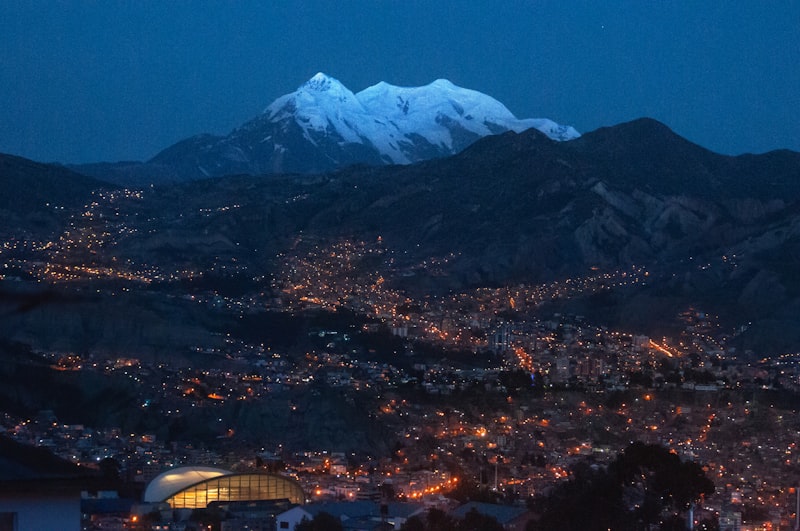
La Paz occupies a dramatic canyon in the Andes at 3,640 meters above sea level, making it the world's highest administrative capital. The city sprawls across steep hillsides, with the wealthier neighborhoods sitting lower in the valley and working-class areas climbing up toward the rim. The altitude defines everything about visiting La Paz, including how nightlife hits you.
Our team walked every district covered here.
The nightlife scene is small by South American standards. There's no red-light district, no major entertainment zone, and no significant sex tourism infrastructure. What La Paz offers instead is a genuine, locally driven bar scene centered on the Sopocachi neighborhood, where Bolivians go out to drink, listen to music, and socialize. Penas, traditional folk music venues, are a distinctly Bolivian experience worth seeking out.
Legal Context
Bolivia classifies prostitution as legal for adults over 18 but provides no regulatory framework. There are no licensed brothels, no mandatory health checks, and no formal tolerance zones. Municipal authorities in La Paz regulate nightlife venues through standard business permits, but enforcement is inconsistent.
Police operations focus on trafficking and exploitation rather than adult activity between consenting adults. That said, interactions with police at night can be unpredictable. Fake police scams are common, and genuine officers may attempt to extract informal payments. Know your rights and carry your embassy's emergency number.
Key Areas
Sopocachi. La Paz's primary nightlife neighborhood. Bars, penas, and a handful of clubs line Calle 20 de Octubre and surrounding streets. The crowd is mostly Bolivian professionals, university students, and a small number of backpackers. This is where the city goes out.
Plaza Avaroa. A small square in Sopocachi that anchors the bar scene. Several popular spots face the plaza or sit within a block's walk.
Zona Sur. The wealthiest part of La Paz, sitting lower in the valley. It has upscale restaurants and a few bars, but less nightlife density than Sopocachi. Getting back from Zona Sur late at night requires planning your transport in advance.
Safety
La Paz is safer than it was a decade ago, but it still requires more caution than most European or East Asian destinations:
Fake police are the biggest scam in La Paz. People in police uniforms or civilian clothes claiming to be officers approach tourists, demand to inspect documents and bags, and steal cash or valuables. Real police will show proper ID and take you to a station if necessary. Never hand over your passport or wallet on the street. Insist on going to the nearest police station.
- Altitude affects everything. At 3,640m, alcohol hits harder, you tire faster, and your judgment degrades sooner. Pace yourself and stay hydrated
- Use radio taxis or ride-hailing apps exclusively at night. Never hail unmarked cars
- Petty crime is common around tourist areas, markets, and on public transport. Keep phones in pockets, bags closed, and valuables out of sight
- Avoid the cable car (teleferico) late at night. Stations in upper neighborhoods can be deserted and unsafe after dark
- Carry only the cash you need, a copy of your passport, and your phone
- Share your location with someone you trust
Costs and Pricing
La Paz is one of the cheapest capitals in South America for nightlife.
A domestic beer (Pacena, Huari) costs 10-15 BOB at a bar (roughly $1.50-2 USD). Craft beers run 25-40 BOB. Cocktails cost 25-45 BOB ($3.50-6.50 USD). A bottle of singani (Bolivia's national grape spirit) at a bar runs 80-150 BOB.
Cover charges are rare. Most bars have no entry fee. Penas sometimes charge 20-40 BOB ($3-6 USD), which may include a drink. The few clubs that exist charge 20-50 BOB on weekends.
Dinner at a local restaurant costs 20-40 BOB ($3-6 USD). Mid-range restaurants in Sopocachi charge 50-100 BOB per person. Street food runs 5-15 BOB.
Radio taxis within the city center cost 10-20 BOB. A ride from Sopocachi to Zona Sur runs about 30-50 BOB.
Hotels range from 50-100 BOB for hostels ($7-15 USD) to 250-500 BOB ($35-70 USD) for mid-range options to 700+ BOB for upscale spots in Zona Sur.
Cultural Norms
Bolivia is conservative by Latin American standards. Public affection between visibly foreign men and much younger local companions draws attention and judgment. The country's indigenous majority holds traditional values, and social norms in La Paz reflect this.
- Spanish is a requirement. English is almost never spoken outside a handful of tourist-oriented hostels and tour agencies
- Nightlife starts later than you'd expect. Bars begin filling at 10 PM. Penas typically begin performances around 10:30 or 11 PM
- Dancing is part of the culture but styles differ from the rest of South America. Cumbia and huayno are more common than salsa or reggaeton
- Coca tea (mate de coca) is legal, widely available, and helps with altitude. It's a normal part of Bolivian life
- Drinking culture centers on sharing. Groups often order a bottle of singani or beer and share glasses. Refusing a shared drink can come across as rude
Social Scene
La Paz's social scene is intimate and locally driven. The backpacker community concentrates around the hostels near Calle Sagarnaga and the Witches' Market, while Bolivian nightlife happens in Sopocachi. These two worlds overlap at a few bars but mostly run in parallel.
Penas are the most distinctly Bolivian nightlife experience. These folk music venues host live performances of traditional Andean music, often with full bands featuring charango, zampona (pan flute), and guitar. The audience is overwhelmingly Bolivian, the atmosphere is warm, and the music is powerful. Pena Huari and Pena Marka Tambo are well-known options, though the lineup changes.
The expat community is small compared to cities like Medellin or Buenos Aires. A few language schools and volunteer organizations create social hubs. The Calle Sagarnaga area's cafes and bars are the easiest places to meet other travelers.
Local Dating Notes
La Paz isn't a dating destination in the way that other South American cities have become. The scene is small, culturally conservative, and the altitude discourages the kind of extended nightlife sessions that facilitate meeting people. Dating apps work but the user base is limited. Spanish is non-negotiable. Genuine connections require time, patience, and cultural sensitivity that short-term visitors rarely invest.
Scam Warnings
Fake police: The most common scam in La Paz. See the safety section above.
Taxi overcharging: Drivers who pick up obviously foreign passengers at night may quote inflated prices. Agree on the fare before getting in, or use a ride-hailing app.
Distraction theft: One person creates a distraction (spilling something on you, asking for directions) while an accomplice lifts your phone or wallet.
ATM skimming: Use ATMs inside banks during business hours. Cover the keypad when entering your PIN. Avoid standalone ATMs in tourist areas.
Best Times
La Paz has two seasons: dry (May through October) and wet (November through April). The dry season is more comfortable for nightlife, with clear skies and cold evenings (0-12C at night). The wet season brings afternoon rain that usually clears by evening, but temperatures are slightly warmer (5-15C at night).
- Thursday through Saturday is peak nightlife
- 10 PM - midnight: Bars fill up, penas begin performances
- Midnight - 3 AM: Peak hours for the few clubs
- Sunday through Wednesday: Most bars open but quiet; some close entirely on Monday
- Carnival season (February/March): Bolivia's biggest festival brings water fights, parades, and all-night celebrations
Getting Around
- Radio taxis: The safest ground transport option. Call from your hotel or restaurant rather than hailing on the street
- Ride-hailing apps: Uber doesn't operate in Bolivia. Local apps like PedidosYa and some taxi apps work but coverage is limited
- Teleferico (cable car): Useful during daytime for getting around the city. Avoid late at night
- Walking: Fine during the day in Sopocachi and tourist areas. Avoid walking between neighborhoods after dark. Steep terrain makes walking tiring, especially at altitude
- Minibuses (trufi/micro): Extremely cheap but confusing for visitors and not recommended at night
What Not to Do
- Do not drink heavily on your first day at altitude; give yourself 24 hours to acclimatize
- Do not hand over your passport or wallet during street "police" encounters
- Do not use unmarked taxis, especially at night
- Do not walk between neighborhoods after dark
- Do not display expensive electronics or jewelry
- Do not accept drinks from strangers
- Do not engage with anyone who appears underage; penalties are serious
- Do not resist armed robbery; comply and report afterward
Get the Legal Status PDF, 50 countries
Newsletter signup coming soon. Check back shortly.
Flights to La Paz
Compare prices across airlines. Filter by stops, time, and cabin.
Airport transfer to La Paz
Pre-booked transfers cost about the same as a metered taxi but cut out the airport queue, the meter argument, and the "no English" routine that takes some drivers to the wrong address. Fixed price quoted before booking, driver tracks your flight, waits with a name sign at arrivals.
Book a KiwiTaxi transferFrequently Asked Questions
Was this guide helpful?