Sopocachi
Legal, Unregulated2/5RiskyDistrict guide to Sopocachi in La Paz, Bolivia's main nightlife neighborhood with bars, penas, live music, and a local scene centered on Calle 20 de Octubre.

Where to stay near Sopocachi
Hotels walking distance from the venues on this page.
See places to stay and current pricesTop Spots for a Night Out
What's open and worth your time
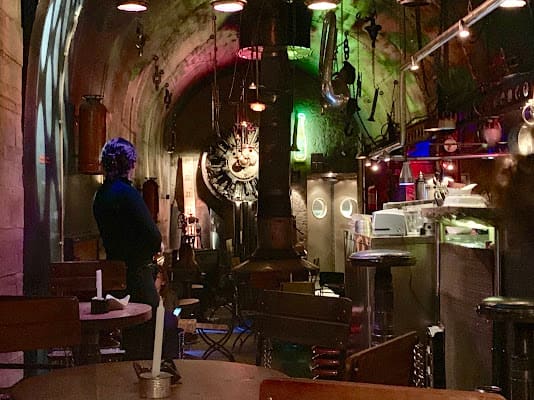
Diesel Nacional
Popular Sopocachi bar on Calle 20 de Octubre known for its rock and alternative music playlist, industrial-themed decor, and a young professional crowd that fills the space on weekend nights.
Calle 20 de Octubre 2455, Sopocachi, La Paz
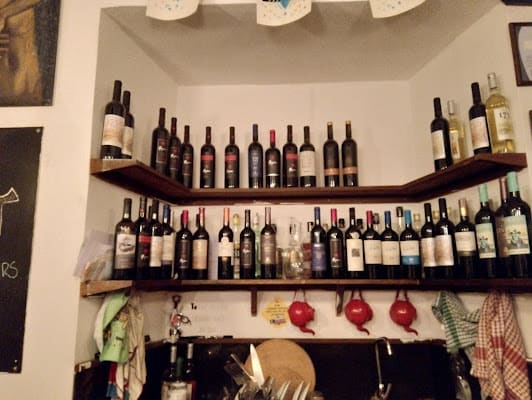
Hallwright's
British-style pub in Sopocachi with craft beers, pub food, and a relaxed atmosphere that draws expats, backpackers, and English-speaking locals. One of the few places in La Paz where you'll hear English spoken regularly.
Calle Sanchez Lima 2229, Sopocachi, La Paz
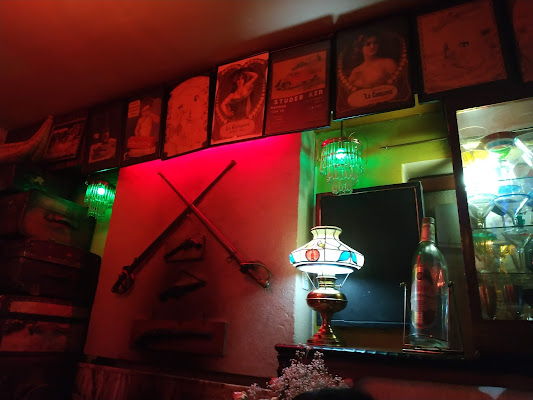
La Costilla de Adan
Cozy Sopocachi bar with dim lighting, rock music, and a bohemian crowd of artists, musicians, and university students. Known for cheap drinks and a laid-back atmosphere that encourages conversation.
Calle Belisario Salinas, Sopocachi, La Paz

Lorca
Intimate cocktail lounge named after the Spanish poet, serving creative mixed drinks in a refined setting with exposed brick walls and soft jazz in the background. A step up from the neighborhood's casual bars.
Calle 20 de Octubre, Sopocachi, La Paz
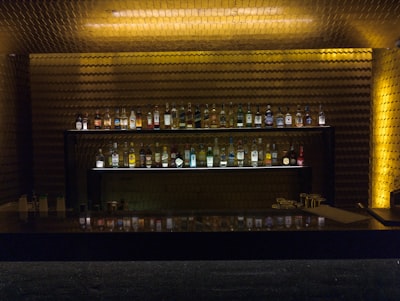
Mongo's Rock Bottom
Late-night bar and live music venue popular with backpackers and younger Bolivians. The dance floor fills up after midnight on weekends with a mix of rock, reggaeton, and cumbia.
Calle Hermanos Manchego 2444, Sopocachi, La Paz
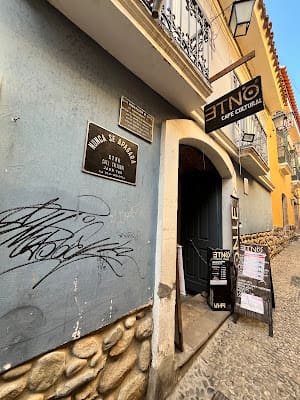
Etno Cafe
Cultural cafe and live music venue hosting traditional Andean performances, poetry readings, and folk music nights. A quieter alternative to the louder bars, with a menu of Bolivian dishes and coca-based cocktails.
Calle Jaen, Sopocachi, La Paz
Overview and Location
Sopocachi occupies a hillside position in central La Paz, roughly between the commercial center below and the residential neighborhoods climbing toward the canyon rim. The district stretches along Calle 20 de Octubre, its main artery, with side streets branching off into quieter residential blocks. It's one of La Paz's more established middle-class neighborhoods, with tree-lined streets, apartment buildings from the mid-20th century, and a growing number of restaurants and bars that have turned it into the city's default nightlife zone.
This guide is based on multiple evenings spent in Sopocachi.
The scene here is local. You won't find tourist-oriented entertainment strips or neon-lit adult venues. What Sopocachi offers is the genuine version of La Paz nightlife: bars where Bolivian professionals unwind after work, penas where traditional musicians play until the early hours, and a handful of spots where backpackers cross paths with locals over cheap singani and beer. The altitude (3,640 meters) hangs over everything. Stairs feel longer, drinks hit harder, and nights end sooner than they would at sea level.
Legal Status
Prostitution is legal in Bolivia for adults aged 18 and older, but the country lacks a regulatory framework for the industry. Sopocachi is not an adult entertainment district in any formal sense. It's a nightlife neighborhood with bars, restaurants, and music venues that operate under standard municipal business licenses.
Street-level solicitation exists in La Paz but is not a defining feature of Sopocachi. The neighborhood's character is driven by its bar scene and cultural venues. Police presence in the area is light but not absent. Officers patrol sporadically on weekend nights, and the fake police scam that plagues tourists elsewhere in La Paz can occur here too. Know how to identify legitimate officers: they carry proper ID and won't demand money on the street.
Costs and Pricing
Sopocachi is exceptionally cheap, even by Bolivian standards. A night out here costs a fraction of what you'd spend in Lima, Bogota, or Buenos Aires.
Drinks. A domestic beer (Pacena, Huari, or Ducal) costs 10-15 BOB ($1.50-2 USD / 1.30-1.80 EUR) at most bars. Craft beers at places like Hallwright's run 25-40 BOB ($3.50-5.80 USD). Cocktails cost 25-45 BOB. A shot of singani (Bolivia's national spirit, distilled from muscat grapes) goes for 10-20 BOB. A bottle of singani at a bar costs 80-150 BOB, compared to 25-40 BOB at a shop.
Cover charges. Most bars charge nothing. Penas typically charge 20-40 BOB ($3-6 USD / 2.70-5.40 EUR), sometimes including a first drink. The handful of small clubs may charge 20-50 BOB on weekends.
Food. A set lunch (almuerzo) at a local restaurant costs 15-25 BOB ($2-3.60 USD). Dinner at a mid-range Sopocachi restaurant runs 40-80 BOB per person. Street food (salchipapas, tucumanas, anticuchos) costs 5-15 BOB.
Transport. A radio taxi within central La Paz costs 10-20 BOB ($1.50-3 USD). From Sopocachi to Zona Sur, expect 30-50 BOB.
Full evening. Budget 100-200 BOB ($14-29 USD / 13-27 EUR) for dinner, several rounds, and transport. This makes Sopocachi one of the cheapest nightlife districts on the continent.
Street-Level Detail
Calle 20 de Octubre is the spine of Sopocachi's nightlife. Walking along this street between Plaza Avaroa and the intersection with Calle Belisario Salinas, you pass most of the neighborhood's bars, restaurants, and cafes. The sidewalks are narrow and uneven. Street lighting is adequate on the main road but fades quickly on side streets.
Diesel Nacional (Calle 20 de Octubre 2455) is the anchor of Sopocachi's bar scene. The industrial-themed decor, rock soundtrack, and young professional crowd make it the default starting point for a night out. The space fills up after 10 PM on Fridays and Saturdays. Beers run 12-18 BOB, and the bar also serves burgers and bar food. No cover charge.
Hallwright's (Calle Sanchez Lima 2229) pulls a different crowd. This British-style pub is one of the few places in La Paz where you'll hear English spoken regularly. Expats, NGO workers, and backpackers share the bar with English-speaking Bolivians. The craft beer selection is better than most places in the city, and the pub food is hearty. Pints run 25-40 BOB.
La Costilla de Adan (Calle Belisario Salinas) is the bohemian option. Dim lighting, rock posters on the walls, and a crowd of artists, musicians, and university students who come for cheap drinks and conversation. It's a small space that gets smoky and loud on weekends. Beers cost 10-15 BOB.
Lorca stands apart from the neighborhood's casual bars. This cocktail lounge has exposed brick walls, soft lighting, and a menu of creative mixed drinks that justify the slightly higher prices (cocktails 35-50 BOB). The crowd skews older and more professional than the student bars nearby.
Penas operate slightly outside the main bar circuit. These traditional folk music venues host live performances of Andean music starting around 10:30 PM. The audience sits at tables, orders food and drinks, and listens to musicians playing charango, zampona, quena, and guitar. It's a seated, atmospheric experience, completely different from the bar scene.
Safety
Sopocachi is among the safer neighborhoods in La Paz, but "safer" is relative in a city that earns an overall safety rating of 2.
The main stretch of Calle 20 de Octubre stays reasonably active on weekend nights, with enough foot traffic and open businesses to feel comfortable. Side streets empty out quickly after dark. The blocks between Sopocachi and the commercial center below can be deserted and poorly lit.
Fake police operate throughout La Paz, including Sopocachi. The scam targets tourists leaving bars at night. Someone in a police uniform or civilian clothes claims to be an officer, demands to check your documents and bags, and steals cash. Real police carry proper ID, won't ask for your wallet, and will accompany you to a station. Never hand over money or valuables on the street.
- Altitude amplifies alcohol's effects. One beer at 3,640 meters hits like two or three at sea level. Pace yourself, drink water between rounds, and eat before going out
- Use radio taxis to get home. Call from the bar or restaurant rather than hailing on the street. Unlicensed cabs are a robbery risk
- Petty theft happens on dark side streets. Keep your phone in your pocket and don't carry more cash than you plan to spend
- The teleferico stops running late. If you're relying on the cable car to get home, note the last departure time. Stations can be deserted and unsafe at night
- Carry a copy of your passport, not the original. Leave valuables at your accommodation
Cultural Context
Sopocachi reflects La Paz's middle-class culture: educated, politically engaged, and conservative by Latin American standards. The bar crowd includes university students, young professionals, NGO workers, and artists. Conversation tends toward politics, music, and culture. Bolivia's indigenous heritage is visible and present, from coca tea on the menu to Andean music playing in penas.
Spanish is the only practical language here. A handful of bartenders at tourist-oriented spots speak some English, but you'll need Spanish for any meaningful interaction. Even basic phrases change how people receive you.
Nightlife starts late by North American standards but ends earlier than in other South American cities. Bars begin filling at 10 PM and thin out by 2 AM. The altitude and cold (La Paz nights can drop below freezing in winter) shorten evenings naturally. Nobody stumbles around at 4 AM here. The city goes quiet.
Dress is smart casual. La Paz is cold at night, especially June through August, so layers and a warm jacket are practical rather than optional. The bar scene is unpretentious, and nobody cares about designer labels.
Sharing is built into Bolivian drinking culture. Groups order a bottle of singani or a large beer and pour for each other. Refusing a poured drink can come across as rude. If you don't want more, leave your glass full rather than declining outright.
Scam Warnings
The taxi robbery is Sopocachi's most practical threat after a night out. Unlicensed drivers target visibly intoxicated tourists leaving bars. The pattern: you get in, the driver takes a detour, and an accomplice appears. Always have the bar or restaurant call a radio taxi for you. Never flag down random cars.
Overcharging. Some taxi drivers and a few bars charge more when they spot a foreign accent. Agree on taxi fares before getting in, and check drink prices before ordering.
Distraction theft. Someone bumps into you or spills something on you while a partner lifts your phone. Stay aware of your surroundings, especially when leaving bars.
ATM fraud. Use ATMs inside banks during business hours. Card skimmers have been reported at standalone machines in tourist areas.
Nearby Areas
Plaza Avaroa. A small square in the heart of Sopocachi that anchors the bar scene. Several restaurants and cafes face the plaza, making it a natural meeting point before a night out.
Zona Sur. La Paz's wealthiest district, sitting lower in the valley. It has upscale restaurants and some bars, but less nightlife density. A radio taxi ride takes 20-30 minutes and costs 30-50 BOB.
Calle Sagarnaga and the tourist zone. The backpacker area near the Witches' Market has hostels, cafes, and a few tourist-oriented bars, but it's not a nightlife destination. It's better for daytime exploration and meeting other travelers.
Meeting People Nearby
Sopocachi's bar scene creates organic opportunities to meet both locals and the small expat community. Hallwright's is the most obvious crossover point where English-speaking visitors meet locals. Language exchange events happen informally at cafes in the neighborhood, organized through Facebook groups. The backpacker hostels near Calle Sagarnaga, a short taxi ride away, have common areas where travelers connect over coca tea and altitude complaints. For a full overview of La Paz's social scene and dating culture, see the main La Paz city guide.
Best Times
La Paz's dry season (May through October) brings clear skies, cold nights (dropping to 0-5C), and the most comfortable conditions for being out after dark. The wet season (November through April) means afternoon rain that usually clears by evening, with slightly warmer temperatures.
- Thursday through Saturday are the main nightlife nights
- 10 PM - midnight: Bars and penas fill up, the street gets active
- Midnight - 2 AM: Peak hours; the handful of clubs are busiest
- After 2 AM: Most venues close or wind down. La Paz doesn't run late
- Sunday through Wednesday: Quiet. Some bars open but expect a sparse crowd
- Carnival (February/March): The biggest party of the year. Water fights, parades, and all-night celebrations transform the city
- Gran Poder festival (May/June): La Paz's largest annual parade with folk dancing, music, and associated nightlife
What Not to Do
- Do not drink heavily on your first night at altitude; give yourself at least 24 hours to acclimatize
- Do not hail taxis from the street after dark; have the venue call a radio taxi
- Do not hand over your passport or money during street encounters with people claiming to be police
- Do not wander onto dark side streets away from Calle 20 de Octubre
- Do not carry more cash than you plan to spend
- Do not display expensive electronics or jewelry
- Do not accept drinks from strangers
- Do not refuse a poured drink outright; leaving your glass full is more socially acceptable
- Do not engage with anyone who appears underage; Bolivian law treats this seriously
- Do not resist if you're robbed; comply and report to the tourist police afterward
Get the Legal Status PDF, 50 countries
Newsletter signup coming soon. Check back shortly.
Frequently Asked Questions
Was this guide helpful?