
Neighborhoods to Explore
Explore each area for detailed nightlife guides
District Map of Granada
Pick a district to recenter the map and see hotels nearby.
Where to stay in Granada
Compare hotels and rentals across the city's nightlife districts.
See places to stay and current pricesOverview
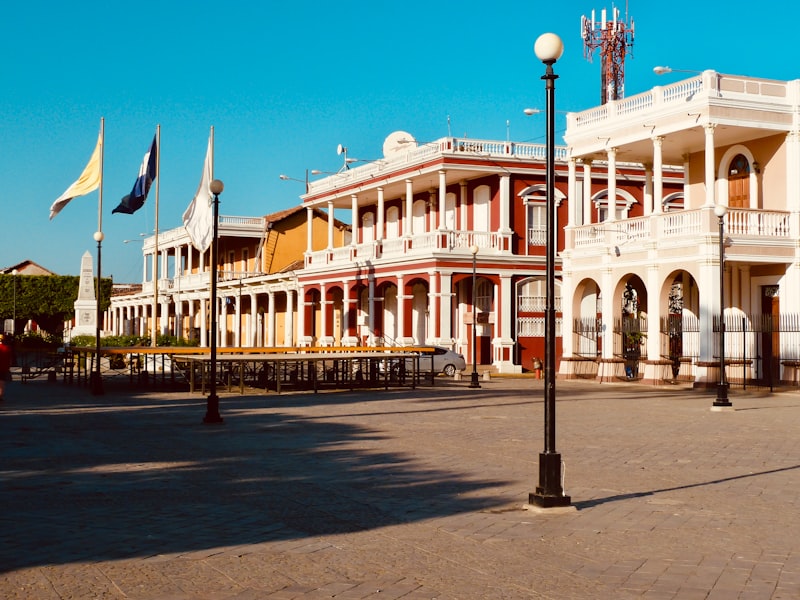
Granada is a colonial city of roughly 130,000 people on the northwest shore of Lake Nicaragua. Founded by the Spanish in 1524, it's one of the oldest European-established cities in the Americas. The city draws the bulk of Nicaragua's international tourists with its colorful colonial architecture, proximity to Mombacho Volcano, and the small islands (Isletas) scattered across the nearby lake.
Local contacts verified current conditions for this guide.
The city is compact and walkable during the day. The historic center revolves around Parque Central and the yellow Cathedral, with Calle La Calzada running east from the park to the lake. This single street is the backbone of tourist nightlife and social life. Unlike Managua's sprawl, Granada concentrates its energy into a few walkable blocks, making it easy to find your way around.
Legal Context
Prostitution occupies a gray zone in Nicaraguan law. The Penal Code doesn't clearly criminalize individual sex work by adults, but promoting or facilitating prostitution is illegal. In Granada, police awareness of adult entertainment activity exists, but enforcement against consensual transactions is virtually nonexistent. Officers focus their limited resources on trafficking and protecting minors.
The scene in Granada is smaller and more discreet than in capital cities of neighboring countries. There are no dedicated red-light districts or go-go bars. What exists happens through bars, social connections, and the natural overlap between tourism and nightlife along Calle La Calzada.
Key Areas
Calle La Calzada
The pedestrian-friendly street running from Parque Central to the lake is Granada's social center. Restaurants, bars, and cafes line both sides, with outdoor seating that fills up after sundown. The atmosphere mixes backpackers, expats, local couples, and families early in the evening, shifting to a more nightlife-oriented crowd after 10 PM. This is where nearly all tourist-facing nightlife happens.
Parque Central and Surrounding Blocks
The blocks immediately around the central park have a few bars and restaurants that cater to a mixed local and tourist crowd. The park itself comes alive on weekend evenings when families, food vendors, and street performers gather. It's a good starting point for an evening before heading down La Calzada.
Lake Area
The end of Calle La Calzada reaches the malecón (lakefront promenade), where a few restaurants and bars have lakeside seating. The area is quieter than the main strip and offers a different atmosphere for an evening drink. Be aware that the lakefront can feel isolated after the restaurants close.
Safety
Granada is significantly safer than Managua but not without risks.
- Petty theft is the primary concern; pickpocketing and bag-snatching occur along Calle La Calzada, especially when crowds thin late at night
- Don't walk alone beyond the main tourist streets after midnight
- Use tuk-tuks or taxis for transport at night; negotiate the fare before getting in (typical rides within the city cost NIO 20-40, roughly USD 0.50-1)
- The blocks south of the market area are rougher; stick to the tourist zone at night
- Keep your phone in your front pocket and don't leave valuables on tables at restaurants or bars
- The lake area near the malecón can be dark and empty late at night; don't linger alone
- Carry only the cash you need and leave your passport at the hotel
Cultural Norms
Granada's social culture reflects small-city Nicaraguan life. People know each other. Foreigners stand out, and word travels. The tourist corridor along La Calzada creates a bubble where interactions with visitors are routine, but step a few blocks in any direction and you're in a traditional Nicaraguan neighborhood with different norms.
Nicas are polite and reserved in initial interactions. Loud, aggressive, or entitled behavior from tourists is noticed and remembered. A basic effort to speak Spanish goes a long way. Greeting people with "buenas" (short for buenas noches/tardes) is expected when entering a small venue or approaching anyone.
The expat community in Granada is sizable relative to the city's population. Long-term foreign residents run several of the bars and restaurants along La Calzada. This creates an accessible social bridge for new visitors.
Social Scene
Calle La Calzada Bars
The strip's bars range from backpacker hangouts to slightly upscale cocktail spots. El Club and Nectar are two of the better-known nightlife venues. Cafe de los Suenos draws a mixed crowd earlier in the evening. The atmosphere is casual, flip-flops-and-shorts territory with no dress codes or pretension.
Expat Community
Granada has attracted a steady stream of North American and European retirees and digital nomads. Several Facebook groups and informal meetups connect the expat community. Garden Cafe on La Calzada functions as an informal community hub. The expat presence means English is more widely spoken along the tourist corridor than elsewhere in Nicaragua.
Daytime Options
Coffee culture exists in Granada, centered around a handful of cafes on and near La Calzada. The city's colonial architecture, Mombacho Volcano hikes, and Isletas boat tours provide daytime activities that naturally create social opportunities. The Convento San Francisco museum and Iglesia La Merced bell tower (with panoramic city views) are within walking distance of everything.
Scam Warnings
The tuk-tuk overcharge: Motorized three-wheelers are the standard local transport. Some drivers quote inflated prices to tourists. A ride within central Granada should cost NIO 20-30 (under USD 1). Ask your hotel for fair prices, and agree on the fare before getting in.
Tour commission scams: Individuals on La Calzada may approach you offering tours, volcano hikes, or boat trips. Some are legitimate, but others are middlemen who inflate prices or deliver subpar experiences. Book through your hotel or an established agency with visible reviews.
The friendly local: People who approach you on the street with unsolicited conversation may be working toward a scam, theft, or guiding you to an overpriced business. Be polite but cautious with uninvited approaches.
Best Times
- Thursday through Saturday: Peak nightlife activity on La Calzada
- 9 PM to midnight: The main window when bars are liveliest; things wind down earlier than in Managua
- November through April (dry season): Most comfortable weather, fewer mosquitoes, and the heaviest tourist traffic
- Weeknights: Quiet, with some bars closing early or not opening at all
- Semana Santa (Easter): The city fills with domestic tourists; La Calzada is packed
Getting Around
- Walking: Granada's center is compact and walkable during the day; at night, stick to Calle La Calzada and the blocks immediately around Parque Central
- Tuk-tuks: The cheapest transport option; NIO 20-40 for rides within the city
- Taxis: Available but less common than tuk-tuks; negotiate the fare in advance
- Rental bikes: Available from several shops near La Calzada for daytime exploration
- Buses: The main bus terminal connects Granada to Managua (1 hour), Masaya (30 minutes), and other cities; not practical for nighttime use
What Not to Do
- Don't wander into residential neighborhoods alone after dark
- Don't carry your passport; bring a photocopy or digital version
- Don't leave drinks unattended in any bar
- Don't engage with anyone who appears to be under 18
- Don't photograph locals without asking
- Don't flash expensive electronics or large amounts of cash
- Don't assume everyone speaks English
- Don't buy drugs; penalties are severe and setups targeting tourists exist
- Don't swim in Lake Nicaragua near the city; water quality is poor
Get the Legal Status PDF, 50 countries
Newsletter signup coming soon. Check back shortly.
Flights to Granada
Compare prices across airlines. Filter by stops, time, and cabin.
Airport transfer to Granada
Pre-booked transfers cost about the same as a metered taxi but cut out the airport queue, the meter argument, and the "no English" routine that takes some drivers to the wrong address. Fixed price quoted before booking, driver tracks your flight, waits with a name sign at arrivals.
Book a KiwiTaxi transferFrequently Asked Questions
Was this guide helpful?