Areas Worth Visiting
Each neighborhood has its own character
District Map of Managua
Pick a district to recenter the map and see hotels nearby.
Where to stay in Managua
Compare hotels and rentals across the city's nightlife districts.
See places to stay and current pricesOverview
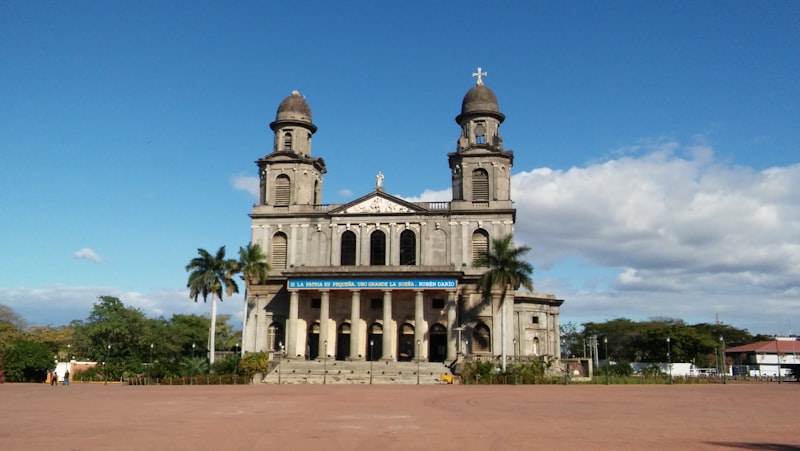
Managua is Nicaragua's capital and largest city, home to roughly 1.5 million people. The city never recovered its traditional center after the catastrophic 1972 earthquake leveled most of the downtown. What stands today is a sprawling, car-dependent metropolis that spreads outward from the lake along highways and commercial corridors. There is no real "downtown" in the way most Latin American capitals have one.
Local contacts verified current conditions for this guide.
The city won't win any beauty contests. Managua is functional, hot, and disorienting to newcomers. Streets often don't have names, and addresses are given as distances and directions from landmarks (some of which no longer exist). Despite this, Managua has the most developed nightlife infrastructure in Nicaragua, concentrated along the Carretera Masaya highway south of the old center.
Legal Context
Nicaraguan law makes the promotion and facilitation of prostitution illegal, but individual transactions between consenting adults exist in a gray area. The Penal Code targets pimping, trafficking, and organized exploitation rather than individual activity. In practice, Managua's nightlife venues operate openly and police interference with consensual adult activity is rare.
Enforcement in the capital follows political rhythms. The Ortega government periodically directs law enforcement attention toward specific areas or venues, usually for reasons unrelated to adult entertainment itself. The practical effect for visitors is unpredictability. What operates openly one month may face pressure the next, not because of a change in law but because of a shift in political priorities.
Key Areas
Zona Rosa / Carretera Masaya
The Carretera Masaya is the main highway running south from central Managua toward the city of Masaya. The section between roughly kilometer 4 and kilometer 8 has become the city's primary nightlife and entertainment corridor. The "Zona Rosa" label applies loosely to the cluster of restaurants, bars, and clubs along this stretch and the commercial developments branching off from it.
Galerías Santo Domingo Area
The shopping center and its surroundings at kilometer 7 on Carretera Masaya have developed into an upscale social hub. Restaurants and bars in this area cater to Managua's professional class and the international community (diplomats, NGO workers, business travelers). The atmosphere is more polished than the rest of the city, though prices reflect that.
Other Areas
A few venues exist outside the Carretera Masaya corridor, scattered across Managua's various commercial zones. Without local knowledge, finding them is difficult. The old center near the lake has some bars and restaurants but is not recommended at night due to safety concerns. Bolonia and Los Robles neighborhoods have small restaurant and bar clusters popular with locals.
Safety
Managua demands more caution than any other city covered in this Nicaragua guide.
- Always use radio taxis or transport arranged through your hotel; never hail a cab off the street
- Don't walk between venues at night, even along Carretera Masaya; distances are deceptive and the road isn't pedestrian-friendly
- Express kidnappings have been reported in Managua; criminals force victims to withdraw cash from ATMs before releasing them
- Carry only the cash you need; leave your passport and valuables at the hotel
- Be aware of your surroundings at all times; muggers operate around ATMs and in parking areas
- The area around Mercado Oriental (one of Central America's largest markets) is high-risk for robbery; avoid it entirely at night
- Police response to crime can be slow; carry your hotel's phone number and the number of your embassy
- Private security guards are common at established venues along Carretera Masaya; their presence is a positive sign
Cultural Norms
Managua's social dynamics reflect a capital city that mixes traditional Nicaraguan culture with international influence. The Carretera Masaya corridor's clientele includes government officials, business people, diplomats, and middle-class Nicaraguans alongside the small tourist population. Social stratification is visible, and the venues along this corridor cater to Nicaragua's urban elite by local standards.
Conservative Catholic values still shape broader Nicaraguan culture, but Managua's professional class is more liberal in practice. Nightlife socializing is normal and accepted. Conversations should avoid politics entirely. Discussing the Ortega government or the 2018 crisis with strangers is unwise and could create problems.
Spanish is overwhelmingly the language of Managua's nightlife. English is spoken at international hotels and by some staff at upscale Zona Rosa venues, but don't count on it. Learning functional Spanish phrases for ordering, paying, and getting directions is not optional here.
Social Scene
Carretera Masaya Restaurants and Bars
The corridor has dozens of restaurants that double as social venues on weekend nights. Managua's dinner-to-drinks-to-dancing progression typically starts at 8 PM and peaks around midnight. The crowd at higher-end establishments along this strip skews toward young professionals, business people, and the small international community.
University Scene
UNAN (the national university) and UCA (the Jesuit university) both have student populations that support a bar scene in their respective neighborhoods. These areas are cheaper and more local than Zona Rosa, with a younger crowd and less pretension.
Daytime Options
Puerto Salvador Allende, the lakefront development in the old city center, has restaurants and entertainment during the day and early evening. It's one of the few public spaces in Managua that feels like a traditional Latin American waterfront. The Masaya craft market and Masaya Volcano National Park are within 30 minutes of the city.
Scam Warnings
The express kidnapping setup: Though uncommon, incidents have been reported where tourists are taken by individuals posing as taxi drivers or "friends" and forced to withdraw money from multiple ATMs. Always use radio taxis arranged through your hotel. Never get into an unmarked vehicle with someone you just met.
Taxi overcharging: Managua taxis don't use meters. Fares should be agreed upon before entering the vehicle. A ride from the airport to Zona Rosa should cost around NIO 500-700 (USD 14-19). Rides within the Zona Rosa area should be NIO 50-150 (USD 1.50-4). Ask your hotel for current fair rates.
The helpful guide: People near tourist-facing venues may offer to show you around or introduce you to "better" places. These introductions typically lead to overpriced venues where the guide earns a commission, or worse. Decline unsolicited offers.
Bill inflation: Check your bill carefully in any venue. Unauthorized additions to tabs happen, particularly when the customer appears intoxicated. Pay as you go when possible, and review totals before paying.
Best Times
- Friday and Saturday: Peak nightlife, with the Zona Rosa corridor at its liveliest
- 10 PM to 2 AM: The main window; clubs stay open until 3-4 AM on weekends
- November through April (dry season): More comfortable temperatures, though Managua is hot year-round (expect 30-35 degrees Celsius)
- Thursday: Growing as a going-out night among the professional class
- Weeknights (Monday through Wednesday): Very quiet
- Fiestas Patronales (August): The Santo Domingo festival brings a festive atmosphere to the city
Getting Around
- Radio taxis: The recommended option; call from your hotel or venue and they dispatch a car. Cost is NIO 50-200 (USD 1.50-5.50) depending on distance
- Hotel transport: Many hotels arrange airport transfers and evening car service; worth the small premium for safety and convenience
- Walking: Not practical in Managua; the city is built for cars and distances between venues are significant
- Rental cars: Possible but stressful; Managua's addressing system, traffic, and road conditions challenge even local drivers at night
- Buses: Extensive but confusing, slow, and not safe at night; avoid for nightlife purposes
What Not to Do
- Don't walk between venues at night; take a taxi for every trip
- Don't hail taxis off the street; use radio taxis or hotel-arranged transport
- Don't carry large amounts of cash or valuables
- Don't engage with anyone who appears to be under 18
- Don't discuss politics, especially anything related to the Ortega government
- Don't photograph police, military personnel, or government buildings
- Don't leave drinks unattended
- Don't visit Mercado Oriental or the old center area at night
- Don't assume addresses will make sense; learn landmarks and ask your hotel for directions
- Don't resist if robbed; comply and report to police afterward
Get the Legal Status PDF, 50 countries
Newsletter signup coming soon. Check back shortly.
Flights to Managua
Compare prices across airlines. Filter by stops, time, and cabin.
Airport transfer to Managua
Pre-booked transfers cost about the same as a metered taxi but cut out the airport queue, the meter argument, and the "no English" routine that takes some drivers to the wrong address. Fixed price quoted before booking, driver tracks your flight, waits with a name sign at arrivals.
Book a KiwiTaxi transferFrequently Asked Questions
Was this guide helpful?