Zona Rosa / Carretera Masaya
Illegal but Tolerated2/5RiskyDistrict guide to Managua's Zona Rosa and Carretera Masaya nightlife corridor, covering clubs, bars, safety advice, pricing, and practical information for travelers.

Where to stay near Zona Rosa / Carretera Masaya
Hotels walking distance from the venues on this page.
See places to stay and current pricesThe Nightlife Scene
Hand-picked spots in this district
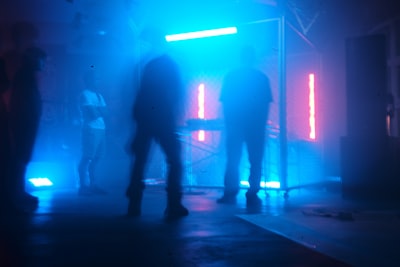
Hipa Hipa
One of Managua's top nightclubs on Carretera Masaya, packing in crowds with reggaeton, electronic, and Latin pop across a large dance floor with bottle service and private areas.
Carretera Masaya Km 5, Managua
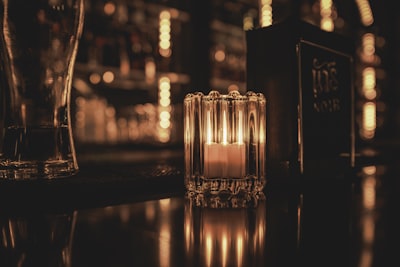
Moods
Upscale lounge bar along the Carretera Masaya corridor with cocktails, ambient music, and an older professional crowd that distinguishes it from the nearby dance clubs.
Carretera Masaya, near Galerias Santo Domingo, Managua
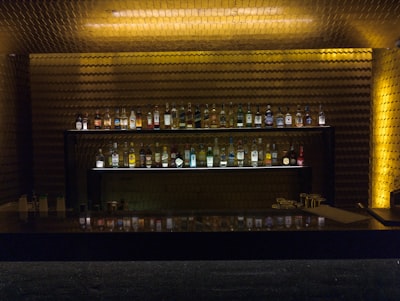
Bar Baro
Craft beer and cocktail spot on Carretera Masaya popular with Managua's young professionals. Rotating taps, exposed brick interior, and a social atmosphere that peaks on Thursdays and Fridays.
Carretera Masaya Km 6.5, Managua
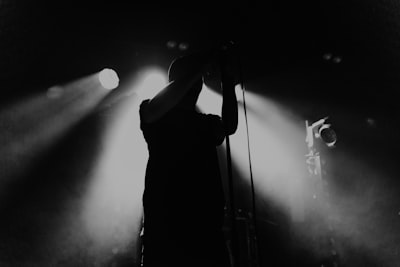
La Cavanga
Live music venue in the Zona Rosa area hosting local rock, Latin, and folk acts. The crowd is Nicaraguan and the music lineup changes weekly.
Zona Rosa, Carretera Masaya, Managua
Club Galerias
Dance club near Galerias Santo Domingo shopping center drawing a mixed crowd of students and young professionals with Latin and international DJ sets on weekends.
Carretera Masaya Km 7, near Galerias Santo Domingo, Managua
Z Bar
Casual bar on the Carretera Masaya strip with outdoor seating, affordable drinks, and a sports-bar atmosphere that draws regulars from the nearby office buildings.
Carretera Masaya Km 5.5, Managua
Overview and Location
The Zona Rosa is Managua's answer to a nightlife district, stretching along the Carretera Masaya highway from roughly kilometer 4 to kilometer 8 south of the old city center. In a city that lost its traditional downtown to the 1972 earthquake and never rebuilt it, this commercial corridor has become the de facto center of social life, dining, and entertainment.
Our researcher spent several nights in this area compiling notes.
The "district" is really a linear strip of businesses along a busy four-lane highway, interrupted by gas stations, shopping plazas, and office buildings. It doesn't look or feel like a walkable entertainment district. You drive between venues. The established clubs and bars sit either directly on the highway or on short access roads branching off from it. Galerias Santo Domingo, a major shopping center at kilometer 7, anchors the more upscale end of the corridor.
Legal Status
Nicaraguan law technically prohibits promoting prostitution, but adult entertainment activity along the Carretera Masaya corridor exists openly. Nightclubs and bars operate without interference as long as they maintain basic order. Police focus on public disturbance, trafficking, and protecting minors rather than monitoring consensual adult behavior.
The political dimension matters in Managua more than in Granada. The Ortega government exerts control over law enforcement, and policing priorities can shift without warning based on political considerations. Venues that attract government attention for any reason (noise complaints, political associations, tax disputes) can face sudden pressure. For visitors, this is largely background noise, but it explains why the scene can feel cautious and why open discussion of anything political is avoided.
Costs and Pricing
Managua's nightlife is cheap by international standards, though slightly more expensive than Granada due to higher rents and a wealthier local clientele along the Carretera Masaya strip.
Drinks: A domestic beer (Tona, Victoria, or Premium) costs NIO 50-80 (USD 1.40-2.20) at standard bars. Imported beers run NIO 100-180 (USD 2.70-5). Cocktails range from NIO 100-200 (USD 2.70-5.50) at most venues, with upscale lounges like Moods charging NIO 200-350 (USD 5.50-9.50). Flor de Cana rum (7 year) costs NIO 60-100 (USD 1.60-2.70) per pour.
Cover charges: Clubs charge NIO 100-300 (USD 2.70-8) on weekend nights, sometimes including one drink. Bars generally don't charge cover.
Bottle service: Available at Hipa Hipa and Club Galerias. A bottle of Flor de Cana 12 year runs NIO 1,500-2,500 (USD 41-68). Imported vodka or whisky costs NIO 3,000-5,000 (USD 81-135).
Food: Street food and casual restaurants near the corridor offer meals for NIO 80-200 (USD 2.20-5.50). A dinner at a Zona Rosa restaurant costs NIO 300-600 (USD 8-16) per person.
Transport: Radio taxi rides within the Zona Rosa area cost NIO 50-150 (USD 1.40-4). From the airport, expect NIO 500-700 (USD 14-19).
Street-Level Detail
Calling this a "street-level" description is misleading because Carretera Masaya is a highway, not a street you walk along. The experience of a night out here involves driving or being driven between specific destinations. You park (or get dropped off) at a venue, spend time there, and get picked up to go to the next one.
Hipa Hipa sits at kilometer 5 and is probably the most recognizable nightclub in Managua. It has a dedicated parking lot with security, a marked entrance, and the feel of a purpose-built club. On weekend nights, the parking lot fills and the line to enter can stretch. The interior has a large dance floor, elevated VIP sections, and a bar running along one wall.
Moving south along the corridor, the density of venues increases near Galerias Santo Domingo. Bar Baro is in this zone, occupying a modern commercial space with an interior that feels more like a hip bar in Costa Rica or Panama than what you'd expect in Managua. Moods is nearby, positioned as a lounge alternative to the louder clubs.
La Cavanga stands out as the live music option, hosting local bands that play everything from Nicaraguan folk fusion to rock covers. The crowd here is predominantly local, which makes it a genuine window into Managua's music scene rather than a tourist-oriented experience.
The highway itself is lit but not pedestrian-friendly. Sidewalks are intermittent. Traffic moves fast. Between the venues, the corridor is commercial infrastructure: pharmacies, fast food chains, car dealerships, and strip malls. The atmosphere between destinations is entirely utilitarian.
Safety
The Zona Rosa is the safest nightlife area in Managua, and it still requires serious caution.
- Use radio taxis for all transport between venues; never walk along Carretera Masaya at night
- Keep your phone and wallet in front pockets inside venues
- Venues with private security (guards, parking lot attendants) are significantly safer than those without
- The parking areas around clubs can be targets for robbery; be alert when arriving and leaving
- Don't carry more cash than you plan to spend; NIO 1,500-2,000 (USD 40-55) should cover a full night
- Express kidnappings, while rare, have been reported in Managua; never get into a vehicle with someone you don't know or that wasn't called through an official radio taxi service
- If a venue feels off (no other customers, aggressive staff, pressure to order), leave
- Save your hotel's phone number and the emergency number (118) in your phone before going out
The parking lot approach: Individuals sometimes approach tourists in venue parking lots offering drugs, "VIP access," or introductions to women. These approaches can be setups for robbery or scams. Decline and move directly to the venue entrance. If you feel threatened, approach the venue's security staff.
Cultural Norms
The Zona Rosa crowd is Managua's middle and upper-middle class, a demographic that's more worldly than Nicaragua's overall population but still rooted in traditional values. The women at these venues are professionals, students, and office workers out for a weekend night. Approaching people here follows the same rules as anywhere in Latin America: be polite, don't be pushy, and take a no gracefully.
Bottle service carries social weight in Managua's club scene. Groups with bottles attract attention and are perceived as having status. This is the local social currency, and it applies whether you care about it or not. A bottle of Flor de Cana 12 at Hipa Hipa costs under USD 50, which makes this one of the cheapest places in the world to play that particular game.
Spanish is the only practical language here. Unlike La Calzada in Granada, the Zona Rosa doesn't have a tourist-friendly English overlay. Staff at Moods and Bar Baro may speak some English, but don't count on it. Conversational Spanish is a genuine requirement for meaningful social interaction.
Political topics are off-limits. Don't discuss Ortega, Murillo, the 2018 protests, sanctions, or any related subjects. This isn't about cultural sensitivity alone; it's about personal safety. People can and do face consequences for political speech in Nicaragua.
Practical Information
Getting there: From Managua's airport, a radio taxi to the Zona Rosa takes 15-20 minutes and costs NIO 500-700 (USD 14-19). From hotels in the city, rides are NIO 100-300 depending on distance. Arrange through your hotel.
Best nights: Friday and Saturday are peak. Thursday is growing as a going-out night. The rest of the week is quiet.
Peak hours: Bars fill by 10 PM. Clubs peak between midnight and 2 AM. Closing time is 3-4 AM at the big clubs.
Weather: Managua is hot. Expect 28-35 degrees Celsius at night during dry season (November to April) and high humidity during rainy season (May to October). Air conditioning in venues varies; the larger clubs have it, smaller bars may not.
ATMs: Available at Galerias Santo Domingo and several bank branches along Carretera Masaya. BAC and Banpro ATMs accept international cards. Withdraw in cordobas. Be aware of your surroundings when using ATMs at night.
Dress code: The Zona Rosa is slightly dressier than Granada. For Hipa Hipa or Club Galerias, clean jeans and a collared shirt are the minimum. Moods and Bar Baro are casual but neat. Shorts and flip-flops will get you turned away from clubs on busy nights.
Radio taxi numbers: Ask your hotel for their preferred service. La Costeña (2222-2222) and Cooperativa de Taxis (2228-5555) are two established companies. Save the number in your phone before going out.
Phone and data: Claro and Tigo both have coverage in Managua. SIM cards cost NIO 50-100 (USD 1.40-2.70) at shops citywide. Having a working local number makes calling taxis much easier.
Get the Legal Status PDF, 50 countries
Newsletter signup coming soon. Check back shortly.
Frequently Asked Questions
Was this guide helpful?