Before You Travel to Slovenia
Five things every smart traveler sorts before booking.
- 1
Passport valid 6+ months from entry date
Most countries refuse entry on passports expiring within six months. Renew now if you're close.
- 2
Visa requirements for Slovenia
Some are visa-free, some require an e-visa filed days ahead, some need an embassy appointment.
- 3
Travel insurance booked
A hospital visit in Slovenia can run $4,000-15,000 without cover. Credit card insurance usually excludes alcohol-related incidents.
- 4
eSIM data plan ready before landing
Airport SIM kiosks need your passport and overcharge tourists. Install an eSIM in 60 seconds, online before you fly.
- 5
Accommodation reserved in the right district
The wrong neighborhood means a 45-minute taxi every night. Map the venues first, then book.
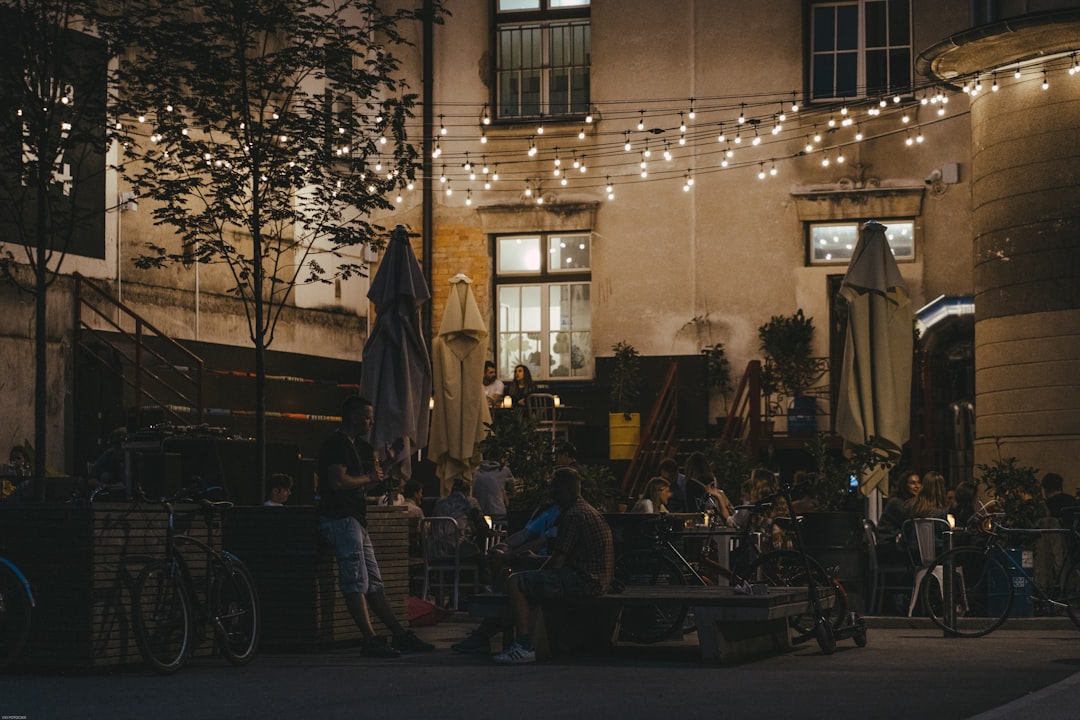
Compare hotels in Slovenia
Hotels, hostels, and short-term rentals across the country's main nightlife cities.
Legal Framework
Slovenia's Penal Code addresses prostitution through Article 175, which criminalizes organizing, facilitating, or profiting from sex work. The act of selling or buying sex itself isn't explicitly criminalized in the same way, creating a legal gray area. Pimping and operating brothels carry prison sentences of one to ten years. Human trafficking is prosecuted under Article 113 with penalties reaching 15 years.
Based on on-the-ground reporting from March 2026.
The country signed the Council of Europe Convention on Action against Trafficking in 2007. Slovenia's small size (population 2.1 million) means the scale of the industry is modest compared to neighboring countries. Most activity occurs through online platforms and private arrangements rather than visible street-level work.
Enforcement Reality
Day-to-day enforcement is minimal. Ljubljana's police force focuses on public order, drug offenses, and organized crime rather than individual sex work. The country's small population and low crime rates mean that police resources aren't stretched thin, but they also aren't directed at adults making private arrangements.
Periodic media reports about escort websites or massage establishments occasionally prompt police action, but these are isolated events rather than sustained campaigns. Foreign visitors are extremely unlikely to encounter law enforcement issues related to nightlife. Slovenia's police force is professional, well-trained, and generally courteous to tourists.
Cultural Context
Slovenia occupies a unique position in the former Yugoslavia. It was always the wealthiest republic, experienced only a ten-day war for independence in 1991, and joined the EU in 2004. The result is a country that feels firmly Central European rather than Balkan, with an Austrian and Italian influence that shows in everything from architecture to drinking culture.
Slovenians are reserved compared to their Serbian or Croatian neighbors. The famous Balkan warmth is muted here. First impressions can read as cold, but this is cultural reserve, not unfriendliness. Once a Slovenian warms to you, the conversation becomes genuine and direct. Patience helps.
The country's strong environmental consciousness and progressive social policies create a liberal atmosphere, particularly in Ljubljana. The Metelkova autonomous zone, a former military barracks turned alternative culture complex, represents this streak perfectly. It's a graffiti-covered, self-governed space hosting clubs, galleries, and a hostel, tolerated and eventually embraced by a city that values creative freedom.
Dating Culture
Dating in Slovenia follows Central European patterns more than Balkan ones. Splitting bills is common among younger Slovenians, though many men still prefer to pay on early dates. Coffee dates are standard first meetings, usually at one of Ljubljana's many riverside cafes.
Tinder has strong adoption in Ljubljana with a smaller but active user base. The dating pool is limited by the country's small population. Bumble and Hinge have growing presence. Slovenian women on apps are direct; if interest exists, they'll respond promptly. Long gaps between messages usually signal disinterest rather than playing hard to get.
Slovenians value education and cultural awareness. Conversations about travel, literature, and current events go further than surface-level compliments. The country's trilingual tendencies (most Slovenians speak at least Slovenian, English, and one neighboring language) mean communication barriers are minimal.
Physical affection in public is normal among couples. Ljubljana's parks and riverside promenades are full of couples on warm evenings. The social atmosphere is relaxed and accepting, including toward the LGBTQ community. Ljubljana's Pride event is well-attended and mainstream.
Sources
- U.S. Department of State: Slovenia Travel Advisory - Entry requirements, safety alerts, and local law summary
- UK Foreign, Commonwealth & Development Office: Slovenia Travel Advice - Safety, health, and legal information for travelers
- European Commission: Slovenia Country Profile - EU membership context and legal framework
Get the Legal Status PDF, 50 countries
Newsletter signup coming soon. Check back shortly.
Emergency Information: Slovenia
- Emergency:
- 112
- Embassy Note:
- Most foreign embassies are located in Ljubljana's city center or the nearby Rozna Dolina diplomatic quarter.
Also Worth Considering
Austria
Vienna's regulated nightlife scene, from Gurtel bar strips to Prater party zones. Fully legal and licensed, with German-speaking Europe's most structured approach.
Czechia
Prague's Wenceslas Square and a regulated scene with licensed FKK clubs. More expensive than Budapest but with strong nightlife, beautiful Czech women, and excellent beer.
Hungary
Budapest's ruin bars and District VII anchor Central Europe's best value nightlife. Cheap drinks, beautiful women, and a party scene that rivals Prague at half the price.
Slovakia
Bratislava's compact old town and late-night bar streets offer affordable Central European nightlife an hour from Vienna. Low costs, safe streets, and a growing weekend party scene make Slovakia an underrated option.
Similar Countries in Other Regions
Countries with a similar overall score to Slovenia (3.5) but in different parts of the world.
Azerbaijan
3.5Caucasus
An oil-rich Caspian nation where conservative Muslim traditions sit alongside Baku's cosmopolitan bar scene, waterfront clubs, and a nightlife shaped by petrodollars and regional tourism.
China
3.5East Asia
Guide to nightlife across mainland China, Hong Kong, and Macau covering bar districts, KTV culture, legal context, costs, and practical tips for foreign visitors.
Croatia
3.5Southern Europe
Zagreb and Split offer a growing nightlife scene with Mediterranean beauty, Adriatic coastline bars, and an unregulated but tolerated adult entertainment industry.
Was this guide helpful?