


Before You Travel to China
Five things every smart traveler sorts before booking.
- 1
Passport valid 6+ months from entry date
Most countries refuse entry on passports expiring within six months. Renew now if you're close.
- 2
Visa requirements for China
Some are visa-free, some require an e-visa filed days ahead, some need an embassy appointment.
- 3
Travel insurance booked
A hospital visit in China can run $4,000-15,000 without cover. Credit card insurance usually excludes alcohol-related incidents.
- 4
eSIM data plan ready before landing
Airport SIM kiosks need your passport and overcharge tourists. Install an eSIM in 60 seconds, online before you fly.
- 5
Accommodation reserved in the right district
The wrong neighborhood means a 45-minute taxi every night. Map the venues first, then book.
City Guides in China
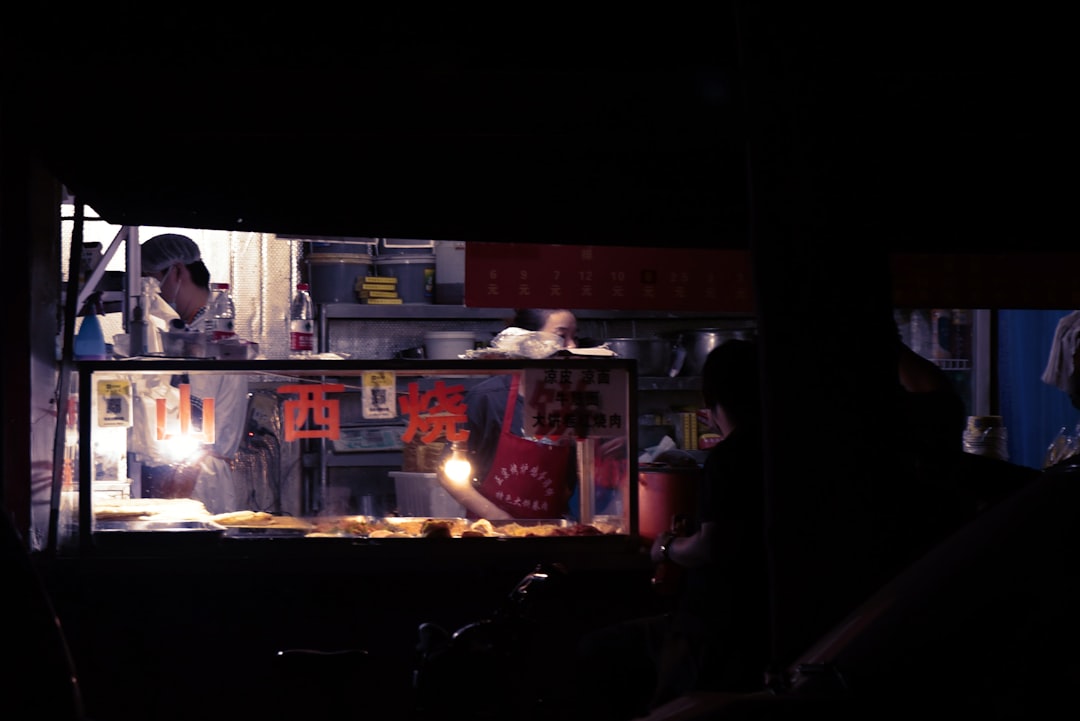
Beijing
City guide to nightlife in Beijing, China. Covering Sanlitun bar district, KTV culture, costs, safety tips, and practical advice for visitors.

Hong Kong
City guide to nightlife in Hong Kong, covering Lan Kwai Fong, Wan Chai, legal context, costs, and practical safety advice for visitors.

Macau
City guide to nightlife in Macau, covering casino clubs on the Cotai Strip, legal context, costs, and practical advice for visitors.
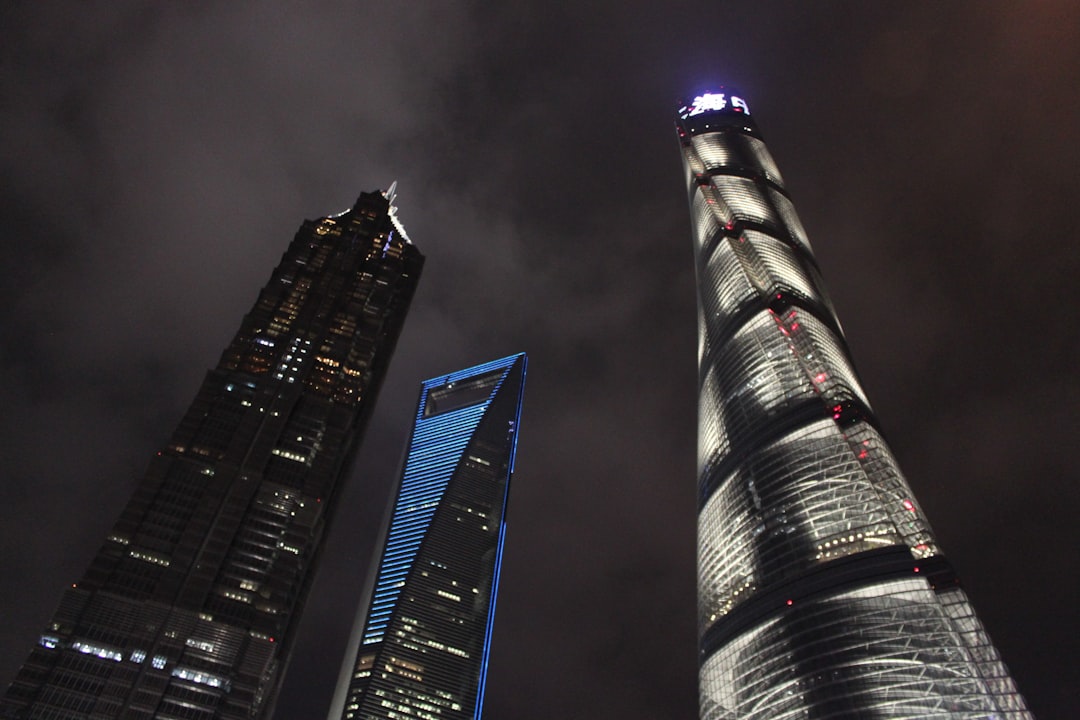
Shanghai
City guide to nightlife in Shanghai, China. Covering the Bund, French Concession, KTV culture, costs, safety, and practical advice for visitors.
Compare hotels in China
Hotels, hostels, and short-term rentals across the country's main nightlife cities.
Legal Framework
China's approach to adult entertainment splits along a clear geographic line. Mainland China criminalizes prostitution under Articles 358-362 of the Criminal Law, with penalties for organizers, operators, and patrons. The mainland authorities periodically conduct enforcement sweeps targeting KTV venues, massage parlors, and entertainment complexes.
Last updated after our March 2026 research trip.
Hong Kong and Macau operate under entirely different legal systems. In Hong Kong, selling sex by an individual is not illegal, but organized prostitution, soliciting in public, and operating a "vice establishment" with more than one worker are criminal offenses under the Crimes Ordinance. The practical result is that one-woman apartments operate openly in certain buildings while larger operations face periodic enforcement.
Macau's legal framework is similar to Hong Kong's but looser in practice. Individual sex work isn't criminalized, and the casino industry creates an environment where nightlife and adult entertainment coexist with minimal friction. The Macau government focuses enforcement on trafficking and underage exploitation rather than consensual adult activity.
Enforcement Reality
On the mainland, enforcement runs in cycles. Authorities launch "strike hard" campaigns every few years, shutting down establishments, arresting operators, and publicizing results. Between campaigns, a gray economy of KTV hostess bars, massage parlors, and online-arranged encounters operates with varying degrees of openness depending on the city and local officials.
Hong Kong police actively enforce laws against organized prostitution, brothels, and street solicitation. One-woman operations in residential buildings are tolerated as long as they don't create neighborhood complaints. The police focus resources on trafficking, exploitation, and the control of criminal organizations rather than individual sex workers.
Macau's enforcement is pragmatic. The casino industry generates enormous tax revenue, and the government avoids actions that would disrupt tourism. Police target street-level crime, trafficking, and public disorder rather than the nightlife industry itself.
Cultural Context
Chinese society maintains a complex relationship with adult entertainment. Public morality campaigns and official rhetoric condemn the industry, while private behavior follows different patterns. The concept of "mianzi" (face) means that discretion matters more than abstinence. What happens behind closed doors stays there.
Business entertainment culture, particularly on the mainland, historically involved KTV venues with hostesses as a standard part of deal-making. Government anti-corruption campaigns since 2012 have reduced this practice significantly, but it hasn't disappeared. The practice is less common in Hong Kong and Macau, where Western business norms hold more influence.
For foreign visitors, the practical reality is straightforward. Mainland China's nightlife scene is large but opaque, language-dependent, and carries genuine legal risk. Hong Kong and Macau offer accessible, foreigner-friendly nightlife with lower legal exposure and English-language infrastructure.
Costs
Costs vary dramatically between the three jurisdictions. Hong Kong is expensive by Asian standards but offers a wide range. A night out in Lan Kwai Fong runs 500-1,500 HKD (65-195 USD) including drinks and cover charges. Wan Chai's bar scene is slightly cheaper, with beers from 50-80 HKD and cocktails at 80-150 HKD.
Macau is the most expensive of the three. Casino-adjacent clubs charge 200-500 MOP (25-65 USD) cover on weekends. Drinks inside run 80-200 MOP. A full night at Cotai Strip clubs can easily exceed 2,000 MOP (250 USD).
Mainland cities like Shanghai and Beijing have wide ranges. A beer at a local KTV costs 30-80 CNY (4-11 USD), while premium clubs in Shanghai's Bund area charge 200-500 CNY (28-70 USD) cover with cocktails at 80-150 CNY.
Transport is cheap across all three. Hong Kong's MTR costs 5-25 HKD per ride. Macau buses run 6 MOP. Mainland taxis start at 13-15 CNY. Hotels range from 300 HKD (40 USD) for budget options to 2,000+ HKD (260 USD) for luxury.
Dating Culture
Dating norms differ between mainland China and the SARs. On the mainland, relationships follow a structured path. Parents and family play a significant role, and marriage pressure intensifies in the late twenties, particularly for women. The concept of "sheng nu" (leftover women) for unmarried women over 27 reflects deep societal expectations. Men face pressure too, as property ownership is often a prerequisite for marriage eligibility.
Hong Kong dating culture blends Chinese and Western norms. Young professionals date casually, apps are widely used, and family involvement comes later than on the mainland. English fluency is common among educated Hong Kongers, which removes a major barrier for foreign visitors. Speed is the norm here. People work long hours and don't waste time on ambiguity.
Macau's dating scene is smaller and more insular. The local population is modest, and much of the social scene revolves around the casino industry workforce. Foreign visitors interact primarily with the hospitality sector rather than the local dating market.
Foreign men attract curiosity in all three locations but face different dynamics. On the mainland, language barriers are significant outside Shanghai and Beijing. In Hong Kong, the international population means less novelty but easier connections. Cultural differences around directness, physical affection, and relationship expectations require adjustment regardless of location.
Dating Apps
WeChat is China's everything app, and it doubles as the primary platform for meeting people on the mainland. Its "People Nearby" and "Shake" features function as informal dating tools. Tantan is China's Tinder equivalent, with a swipe-based interface and tens of millions of users. Momo started as a dating app and has evolved into a social platform, but it still functions for meeting people.
In Hong Kong, Tinder and Bumble dominate the dating app market among both locals and expats. Coffee Meets Bagel has a loyal following among professionals. The Hong Kong-specific app "Heyyy" targets a younger demographic. Most profiles include English, and the user base skews international compared to mainland apps.
Macau's small population means fewer local profiles on any platform. Tinder works but the pool is limited. Many Macau residents use apps from neighboring Zhuhai or Hong Kong.
A word of caution: mainland Chinese dating apps require phone verification with a Chinese number. VPN restrictions can also interfere with Western apps. In Hong Kong and Macau, all international apps work without restriction.
Key Cities
Hong Kong is the primary destination for foreign visitors seeking accessible nightlife. Lan Kwai Fong is the legendary bar district on Hong Kong Island, packed into a few steep streets with over 100 bars and clubs. Wan Chai has a grittier, more traditional nightlife scene with a long history of catering to foreign visitors. Tsim Sha Tsui across the harbor has a growing bar scene, particularly along Knutsford Terrace.
Macau draws visitors for its casino complexes, which house some of Asia's largest nightclubs. The Cotai Strip, a reclaimed land bridge between Taipa and Coloane islands, concentrates the biggest venues in casino resort properties like The Venetian, City of Dreams, and Studio City.
Shanghai has mainland China's most international nightlife, centered on the Bund, French Concession, and Jing'an districts. English is more common here than other mainland cities, and the bar scene caters to a large expat population.
Beijing has Sanlitun, the capital's primary bar and club district. The scene is more local-oriented than Shanghai's, and English proficiency is lower, but the nightlife is genuine and large-scale.
Safety Considerations
Hong Kong and Macau are among the safest cities in Asia. Violent crime targeting tourists is extremely rare. Petty theft exists but at lower rates than most Western cities.
Specific considerations for nightlife:
- Drink prices in Hong Kong's bar districts can be high. Check prices before ordering
- Wan Chai has a long history of clip joints and overcharging bars. Stick to established venues
- Macau's casino areas are heavily surveilled and very safe. The surrounding streets less so after midnight
- On the mainland, KTV venues sometimes present inflated bills. Always confirm pricing before ordering
- Language barriers on the mainland create genuine misunderstanding risk. A translation app is not optional
- Mainland police can detain foreigners during enforcement operations at entertainment venues. Carry your passport
- Scam artists in tourist areas may pose as friendly locals inviting you to a "tea ceremony" or "art exhibition" that ends with a hard sell
Common Scams
The tea ceremony scam (mainland): Friendly English-speaking locals approach tourists near tourist sites and invite them to a "traditional tea ceremony." The venue presents a bill for 500-2,000 CNY. This scam targets tourists in Beijing, Shanghai, and other major cities. It rarely occurs in Hong Kong or Macau.
Clip joints in Wan Chai: Some bars in the Wan Chai area use aggressive tactics to get customers inside, then present inflated bills for drinks or "companionship." This is an old pattern specific to certain establishments. Established, well-reviewed venues don't engage in this practice.
KTV overcharging (mainland): KTV venues may add unauthorized charges for food, drinks, or "hostess services" to the bill. Always review the bill carefully and photograph the price list when you arrive.
Casino-adjacent hustles (Macau): People outside casinos may offer "guaranteed winning strategies," loan shark services, or currency exchange at favorable rates. All are scams or illegal.
What Not to Do
- Do not carry drugs into or within China. Penalties are severe, including the death penalty for trafficking
- Do not photograph people in entertainment venues without explicit permission
- Do not discuss politically sensitive topics (Taiwan, Tibet, Tiananmen) in social settings on the mainland
- Do not assume English will be understood outside Hong Kong and tourist areas of Macau
- Do not use a VPN on the mainland without understanding the legal gray area
- Do not carry excessive cash in nightlife districts
- Do not follow strangers who approach you speaking English on the mainland. This is almost always a scam setup
- Do not get involved in gambling disputes in Macau. Walk away from any confrontation
Sources
- U.S. Department of State: China Travel Advisory - Entry requirements, safety alerts, and local law summary
- UK Foreign, Commonwealth & Development Office: China Travel Advice - Safety, health, and legal information for travelers
- Australian Government Smartraveller: China - Travel advisory and practical information
Get the Legal Status PDF, 50 countries
Newsletter signup coming soon. Check back shortly.
Emergency Information: China
- Emergency:
- 110
- Tourist Police:
- Hong Kong: 999 / Macau: 999
- Embassy Note:
- Most embassies are in Beijing. Consulates operate in Hong Kong, Shanghai, Guangzhou, and Chengdu.
Other Options in the Area
Japan
Tokyo's Kabukicho, Osaka's Tobita Shinchi, and a unique world of soaplands, hostess bars, and fuzoku. Expensive but exceptionally high quality, with a culture unlike anywhere else.
Mongolia
Nightlife guide to Mongolia, covering the bar and club scene in Ulaanbaatar, safety concerns, cultural norms, and what visitors should expect from one of Asia's lesser-known capitals.
South Korea
Seoul's Gangnam room salons, Itaewon's international nightlife, and a booking culture unlike anywhere else. Expensive, tech-forward, and deeply coded in social hierarchy.
Taiwan
Taipei's Linsen North Road hostess bars, Xinyi district clubs, and a KTV culture shaped by Japanese influence. High safety, moderate costs, and a nightlife scene that rewards patience and cultural awareness.
Similar Countries in Other Regions
Countries with a similar overall score to China (3.5) but in different parts of the world.
Azerbaijan
3.5Caucasus
An oil-rich Caspian nation where conservative Muslim traditions sit alongside Baku's cosmopolitan bar scene, waterfront clubs, and a nightlife shaped by petrodollars and regional tourism.
Croatia
3.5Southern Europe
Zagreb and Split offer a growing nightlife scene with Mediterranean beauty, Adriatic coastline bars, and an unregulated but tolerated adult entertainment industry.
Cuba
3.5Caribbean
Havana's Malecon and Vedado offer a unique scene shaped by economics and isolation. Rock-bottom prices, genuine connections, and a fading old-world atmosphere found nowhere else.
Was this guide helpful?