
Entertainment Districts
Pick a neighborhood to start exploring
Former French Concession
4/5SafeDistrict guide to the Former French Concession nightlife in Shanghai. Cocktail bars, live music, and creative venues in tree-lined colonial streets.
6 nightlife spots listed
The Bund / Huangpu
4/5SafeDistrict guide to the Bund and Huangpu nightlife in Shanghai. Rooftop bars, premium clubs, and hotel lounges along the iconic waterfront.
5 nightlife spots listed
District Map of Shanghai
Pick a district to recenter the map and see hotels nearby.
Where to stay in Shanghai
Compare hotels and rentals across the city's nightlife districts.
See places to stay and current pricesOverview
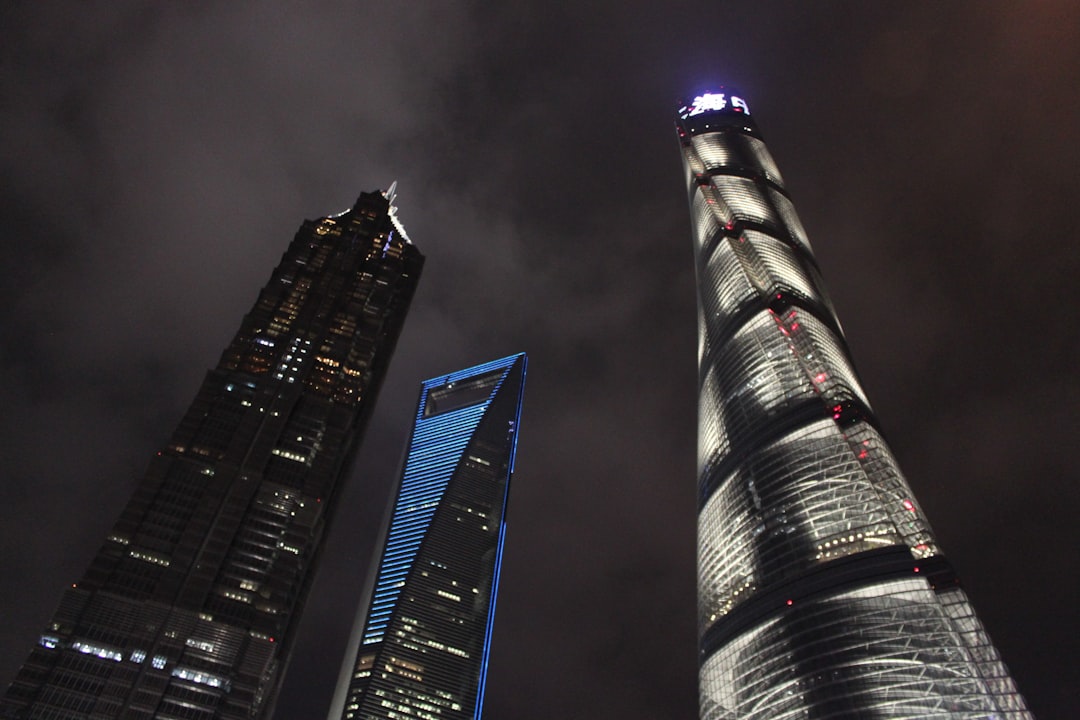
Shanghai is mainland China's most cosmopolitan city and its most accessible nightlife destination for foreign visitors. The city of 26 million straddles the Huangpu River, with the historic Bund waterfront and former colonial districts on the west bank and the futuristic Pudong skyline on the east. Its nightlife scene is the largest and most international on the mainland.
Local contacts verified current conditions for this guide.
Two primary areas concentrate the nightlife worth visiting. The Bund and surrounding Huangpu district have the high-end clubs, rooftop bars, and hotel lounges. The Former French Concession in the Xuhui district has a more intimate, neighborhood feel with cocktail bars, live music venues, and creative spaces tucked into tree-lined streets.
Shanghai's nightlife starts later than most Chinese cities. Bars begin filling around 9 PM, and clubs don't peak until after midnight. The scene runs latest on Friday and Saturday nights, but Thursday has a strong showing, particularly in the French Concession's expat-oriented bars.
Legal Context
Prostitution is illegal under mainland Chinese law, with penalties for all parties involved. Shanghai's enforcement follows the national pattern of periodic crackdowns followed by periods of relative tolerance. The city's authorities conduct regular sweeps of massage parlors, KTV venues, and other establishments suspected of offering sexual services.
For nightlife visitors, the practical risk is low at mainstream bars and clubs. The venues that attract enforcement attention are unlicensed massage parlors and certain KTV operations, not the international bar scene. That said, foreigners caught up in a sweep face deportation risk, which is a serious consequence even if criminal charges are dropped.
Bar and club regulations focus on noise, operating hours, and fire safety rather than morality. Shanghai's government recognizes the nightlife industry as an economic asset and doesn't actively undermine it through enforcement.
Key Areas
The Bund / Huangpu is Shanghai's showcase nightlife district. Rooftop bars with views of the Pudong skyline, high-end clubs in converted colonial buildings, and hotel lounges in Art Deco structures line the waterfront. The crowd is a mix of wealthy locals, business travelers, and tourists. Prices are the highest in the city.
Former French Concession / Xuhui is where Shanghai's locals and long-term expats drink. The tree-lined streets between Huaihai Road and Fuxing Road hide dozens of small bars, cocktail dens, and live music venues in converted lane houses. The atmosphere is more relaxed and creative than the Bund's showpiece venues, and prices are more reasonable.
Jing'an district, between the two, has a growing bar scene along Nanjing West Road and surrounding streets. It's less defined as a nightlife destination but has several excellent standalone venues.
Safety
Shanghai is remarkably safe for a city its size. Violent crime against tourists is nearly unheard of. Petty theft exists in crowded tourist areas but is less common than in most European capitals. The city's extensive surveillance camera network and heavy police presence contribute to the low crime rate.
Nightlife-specific safety concerns:
- The tea ceremony scam is Shanghai's most common tourist-targeting scam. Friendly English speakers near the Bund invite you to a "traditional tea tasting" that ends with a bill for 500-2,000 CNY. Never follow strangers to any venue
- Some bars near the Bund and in tourist areas overcharge dramatically. Check prices before ordering
- KTV venues can present inflated bills. Photograph the price menu when you arrive and review the bill carefully
- Drug penalties in China are severe. Marijuana carries mandatory detention and possible deportation for foreigners. Harder drugs carry even harsher penalties, up to and including the death penalty for trafficking
- Police can and do request identification from foreigners. Carry your passport or a high-quality copy at all times
Costs and Pricing
Shanghai's nightlife costs vary enormously by venue type. At a neighborhood bar in the French Concession, a local beer costs 25-40 CNY (3.50-5.60 USD) and a craft cocktail runs 60-100 CNY (8.40-14 USD). At the Bund's premium rooftop bars, the same beer costs 60-100 CNY (8.40-14 USD) and cocktails push 100-180 CNY (14-25 USD).
Club cover charges at major venues run 100-300 CNY (14-42 USD) on regular nights and up to 500 CNY (70 USD) for special events, usually including one or two drinks. KTV rooms cost 200-800 CNY (28-112 USD) per hour at mid-range venues, including basic drink packages.
Transport is cheap. Metro rides cost 3-10 CNY (0.40-1.40 USD). Taxis start at 16 CNY (2.25 USD) and most trips within the nightlife areas cost 20-50 CNY (2.80-7 USD). DiDi (China's ride-hailing app) is reliable and slightly cheaper than street taxis.
Cultural Norms
Chinese nightlife culture differs from Western expectations in several ways. Groups tend to stick together for the entire evening. The Western bar-hopping pattern, where individuals drift between venues, is less common. Drinking is social, and the custom of toasting (ganbei, meaning "dry the glass") means beer consumption adds up quickly.
Face culture (mianzi) permeates social interactions. Don't embarrass anyone publicly. Don't reject a drink offer too bluntly. Don't argue loudly in a bar. These social rules matter more than they might in a Western city.
Dress expectations vary by venue. French Concession bars are casual. Bund clubs and hotel lounges expect smart casual to formal attire. Some premium clubs enforce dress codes strictly: no sneakers, no shorts, no sandals.
Social Scene
Shanghai's expat community is one of Asia's largest and most established. The French Concession bar scene functions as the social hub, with regulars who've been circulating through the same venues for years. Breaking into this scene is straightforward: show up regularly, be friendly, and people will absorb you into their groups.
The local Chinese nightlife scene is larger but less accessible to foreigners without Mandarin skills. Local clubs in Huangpu and Jing'an attract enormous crowds of young Chinese, and the experience is completely different from the expat-oriented bars: louder, more formal table service, and more bottle-oriented than individual drink orders.
Local Dating Notes
Dating in Shanghai follows modern Chinese urban patterns. Apps are the primary meeting tool, with Tantan being the local Tinder equivalent. WeChat's "People Nearby" feature works but requires a Chinese phone number. Tinder has users but a smaller pool than Tantan.
Cultural expectations around dating differ from Western norms. The concept of "AA" (splitting the bill) is gaining ground among younger Shanghai women, but many still expect men to pay. Physical affection develops more slowly than in Western dating culture. Patience and respect for these boundaries earn genuine respect.
Scam Warnings
Best Times
Friday and Saturday nights from 10 PM are the busiest. The French Concession has strong Thursday night activity. National holidays (Golden Week in October, Chinese New Year in January/February) see some venues close while others have special events. Shanghai's climate makes spring (April to May) and autumn (September to November) the most pleasant seasons for nightlife.
Getting Around
The Shanghai Metro is extensive, clean, and runs until approximately 10:30 PM on most lines. After that, taxis and DiDi are the primary options. DiDi works in English mode but default to the Chinese-language version for better functionality. Taxis are safe, metered, and generally honest, though some drivers refuse long-distance fares late at night.
Walking between French Concession venues is feasible and pleasant. The Bund area is more spread out, and rooftop bars may require short taxi rides between them.
What Not to Do
- Do not follow strangers who approach you speaking English. This is almost certainly a scam
- Do not carry drugs of any kind. Chinese drug laws are among the world's harshest
- Do not discuss politically sensitive topics (Taiwan, Tibet, Xinjiang, Tiananmen) in social settings
- Do not photograph people in entertainment venues without permission
- Do not assume anyone speaks English. Even in Shanghai, language barriers are significant outside the expat bubble
- Do not use a VPN without understanding the legal gray area. VPN use by foreigners is technically illegal though rarely enforced
- Do not leave your drink unattended at unfamiliar venues
- Do not argue with bouncers or bar staff. Walk away and find another venue
Get the Legal Status PDF, 50 countries
Newsletter signup coming soon. Check back shortly.
Flights to Shanghai
Compare prices across airlines. Filter by stops, time, and cabin.
Airport transfer to Shanghai
Pre-booked transfers cost about the same as a metered taxi but cut out the airport queue, the meter argument, and the "no English" routine that takes some drivers to the wrong address. Fixed price quoted before booking, driver tracks your flight, waits with a name sign at arrivals.
Book a KiwiTaxi transferFrequently Asked Questions
Related Guides
Former French Concession
District guide to the Former French Concession nightlife in Shanghai. Cocktail bars, live music, and creative venues in tree-lined colonial streets.
Read guideThe Bund / Huangpu
District guide to the Bund and Huangpu nightlife in Shanghai. Rooftop bars, premium clubs, and hotel lounges along the iconic waterfront.
Read guideWas this guide helpful?