Before You Travel to Azerbaijan
Five things every smart traveler sorts before booking.
- 1
Passport valid 6+ months from entry date
Most countries refuse entry on passports expiring within six months. Renew now if you're close.
- 2
Visa requirements for Azerbaijan
Some are visa-free, some require an e-visa filed days ahead, some need an embassy appointment.
- 3
Travel insurance booked
A hospital visit in Azerbaijan can run $4,000-15,000 without cover. Credit card insurance usually excludes alcohol-related incidents.
- 4
eSIM data plan ready before landing
Airport SIM kiosks need your passport and overcharge tourists. Install an eSIM in 60 seconds, online before you fly.
- 5
Accommodation reserved in the right district
The wrong neighborhood means a 45-minute taxi every night. Map the venues first, then book.
City Guides in Azerbaijan
Compare hotels in Azerbaijan
Hotels, hostels, and short-term rentals across the country's main nightlife cities.
Legal Framework
Prostitution is illegal in Azerbaijan. The Code of Administrative Offenses penalizes sex work with fines of AZN 100-300 (roughly $60-175 USD). Organizing prostitution is a criminal offense under Article 243 of the Criminal Code, carrying sentences of up to five years. Trafficking offenses bring eight to fifteen years.
Based on on-the-ground reporting from March 2026.
Azerbaijan has no framework for regulated sex work. The government signed the Palermo Protocol and has strengthened anti-trafficking laws since 2005. The law targets organizers more aggressively than individual workers, and clients face administrative rather than criminal penalties.
The legal position is unambiguous. All forms of commercial sex work are prohibited, with no municipal authority to create exemptions or licensing systems.
Enforcement Reality
Enforcement is inconsistent. Police conduct periodic raids on known establishments, typically in advance of international events or government inspections. Routine enforcement against indoor operations is limited. Baku police prioritize public order, political security, and drug offenses.
Corruption within law enforcement creates a de facto tolerance zone. Officers may demand payments rather than processing formal charges. This pattern allows commercial activity to persist despite the legal prohibition, particularly in areas frequented by foreign businessmen and tourists.
Foreign visitors in standard nightlife venues face minimal legal risk. The situation changes when engaging with unlicensed services or street-based operations. Drug possession carries severe penalties. Azerbaijan's authorities take a hard line on narcotics.
Cultural Context
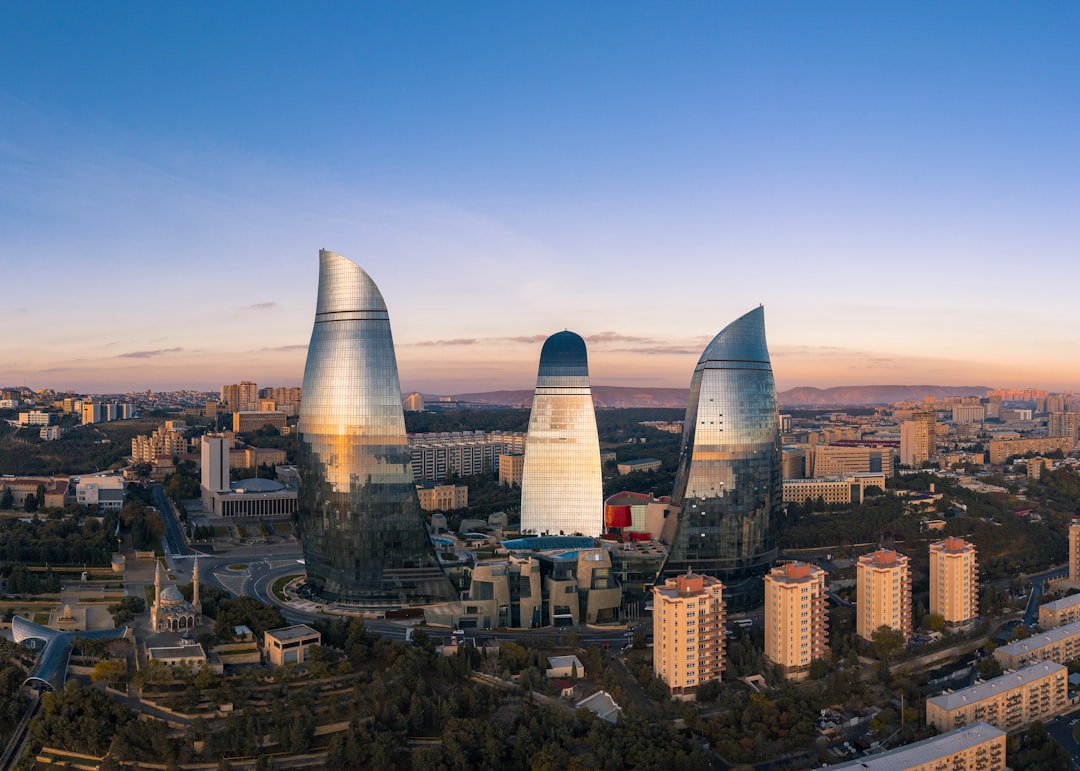
Azerbaijan is a secular Muslim-majority country, though religious observance varies widely. Baku's urban population tends toward secularism, while rural areas and smaller cities maintain stricter social codes. The Heydar Aliyev Foundation's modernization projects have reshaped Baku's skyline and cultural infrastructure, creating spaces that feel closer to Dubai than to conservative Islam.
Baku operates as a different country from the rest of Azerbaijan in terms of social permissiveness. The capital's oil wealth has funded a hospitality industry that caters to international business travelers, diplomats, and tourists from the Gulf, Turkey, and Russia. High-end hotels, waterfront restaurants, and cocktail bars form a nightlife ecosystem that coexists with the broader society's conservative values.
The Russian cultural influence is strong. Many Baku residents speak Russian as fluently as Azerbaijani, and Russian-language entertainment, music, and social norms permeate the nightlife scene. This dual identity, Turkic and post-Soviet, shapes what you'll encounter after dark.
Dating Culture
Azerbaijani dating customs vary sharply between Baku and the rest of the country. In Baku, younger people use dating apps and socialize in mixed-gender groups at cafes and bars. Outside the capital, arranged introductions through family networks remain common and gender segregation in social spaces is the norm.
Tinder, Bumble, and Badoo have active user bases in Baku. English-language profiles work among the city's internationally educated population. Azerbaijani women on dating apps tend to be cautious, and most prefer meeting in public venues before committing to anything private.
Foreign men receive attention in Baku, particularly those from Western countries. The attention is generally genuine, though financial motivations exist in some circles. Azerbaijani families can be protective, and any perception of disrespect toward women escalates quickly, sometimes involving male relatives.
Scam profiles exist across all platforms. Requests for money before meeting are automatic red flags. Video call verification and public first meetings are standard practice.
Key Cities
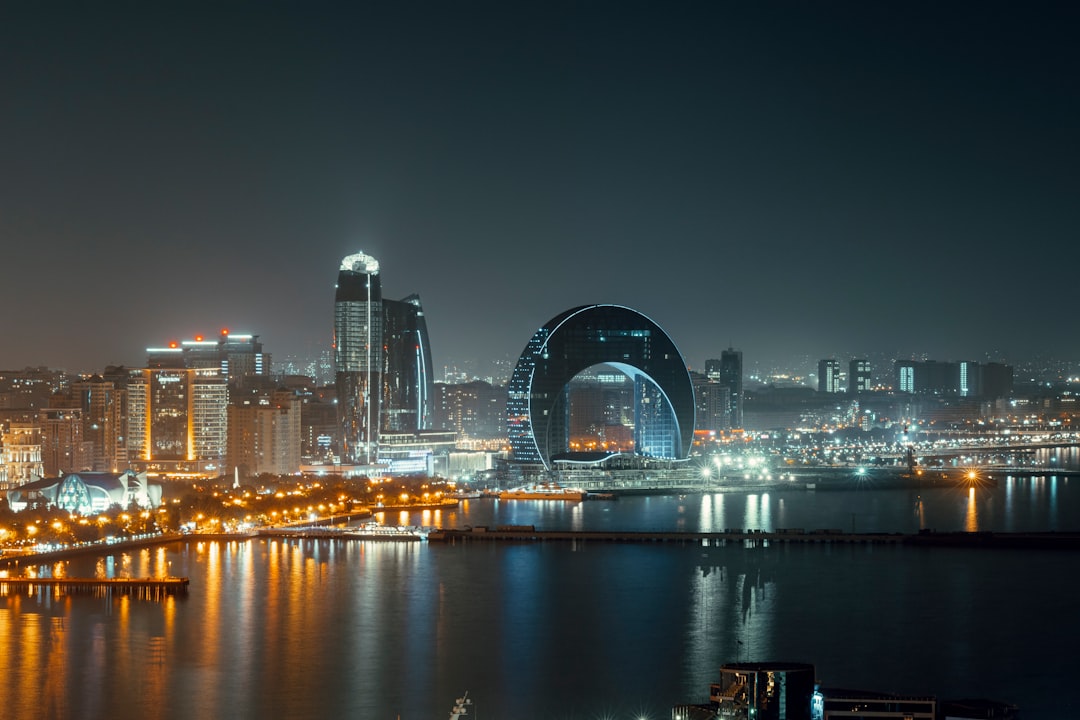
Baku is the capital, home to roughly 2.3 million people, and the only city with a developed nightlife. The Old City (Icherisheher), Fountain Square, and Baku Boulevard form the core nightlife triangle. Oil money has produced a skyline of glass towers, including the iconic Flame Towers, and a hospitality sector that punches above its weight for a city of this size.
Costs
Azerbaijan is moderately priced. The Azerbaijani Manat (AZN) is pegged near 1.70 AZN to the dollar, making prices easy to calculate.
Beer at a bar costs AZN 5-12 ($3-7). Wine by the glass runs AZN 8-20 ($4.70-11.75). Cocktails at upscale Baku bars cost AZN 15-35 ($8.80-20.60). Club entry fees range from free to AZN 20 ($11.75) at premium venues, though some charge more for special events.
Street food is affordable. Doner kebab costs AZN 3-5 ($1.75-3). Plov (rice pilaf) at a local restaurant runs AZN 5-10 ($3-5.90). A full dinner at a mid-range restaurant costs AZN 25-60 ($14.70-35.30) per person. Fine dining in Baku hotel restaurants reaches AZN 80-200 ($47-117.65).
Baku metro costs AZN 0.30 ($0.18) per ride. Bolt and Uber operate as ride-hailing services, with trips across the city costing AZN 3-10 ($1.75-5.90).
Hotels start at AZN 40-80 ($23.50-47) for budget, AZN 80-200 ($47-117.65) for mid-range, and AZN 200-500+ ($117.65-294+) for upscale international chains.
Safety Considerations
Azerbaijan is moderately safe for tourists, with Baku being the primary destination. Some risks to consider:
- Petty crime including pickpocketing occurs around tourist areas, particularly Fountain Square and the Old City
- Police corruption is a factor. Officers may attempt to extract bribes from foreigners, particularly for minor infractions. Carry a copy of your passport and know your embassy's contact information
- Drink spiking has been reported at some bars and clubs frequented by foreigners. Never leave drinks unattended
- Drug possession carries severe penalties including lengthy prison sentences. Azerbaijan's drug laws are strictly enforced
- Emergency number is 112 for all services
- Use Bolt or Uber rather than unmarked taxis, which may overcharge or take indirect routes
- Avoid discussing the Nagorno-Karabakh conflict, especially in ways sympathetic to the Armenian position
What Not to Do
- Do not discuss prostitution or sex work openly. While Baku is cosmopolitan, the subject remains taboo
- Do not criticize the government, the president, or the Aliyev family. This can result in legal trouble
- Do not display excessive wealth or flash large amounts of cash in nightlife areas
- Do not get visibly drunk in public areas outside designated bar and club zones
- Do not disrespect Islam, even in secular Baku. Mosque etiquette applies and religious holidays affect venue operations
- Do not photograph government buildings, military installations, or police officers
- Do not carry drugs. Penalties include long prison sentences
- Do not bring up the Nagorno-Karabakh conflict or express pro-Armenian views
Sources
- U.S. Department of State: Azerbaijan Travel Advisory - Entry requirements, safety alerts, and local law summary
- UK Foreign, Commonwealth & Development Office: Azerbaijan Travel Advice - Safety, health, and legal information for travelers
- Australian Government Smartraveller: Azerbaijan - Travel advisory and practical information
Get the Legal Status PDF, 50 countries
Newsletter signup coming soon. Check back shortly.
Emergency Information: Azerbaijan
- Emergency:
- 112
- Embassy Note:
- All embassies are located in Baku. Azerbaijan has no other city with significant diplomatic presence.
Similar Countries to Explore
Armenia
A small Caucasus nation where conservative Christian traditions mix with Yerevan's growing wine bar scene and low-cost nightlife that draws regional visitors from across the former Soviet Union.
Georgia
A former Soviet republic where traditional values coexist with Tbilisi's underground club scene and a growing reputation as a low-cost nightlife destination in the Caucasus.
Similar Countries in Other Regions
Countries with a similar overall score to Azerbaijan (3.5) but in different parts of the world.
China
3.5East Asia
Guide to nightlife across mainland China, Hong Kong, and Macau covering bar districts, KTV culture, legal context, costs, and practical tips for foreign visitors.
Croatia
3.5Southern Europe
Zagreb and Split offer a growing nightlife scene with Mediterranean beauty, Adriatic coastline bars, and an unregulated but tolerated adult entertainment industry.
Cuba
3.5Caribbean
Havana's Malecon and Vedado offer a unique scene shaped by economics and isolation. Rock-bottom prices, genuine connections, and a fading old-world atmosphere found nowhere else.
Was this guide helpful?