Before You Travel to South Korea
Five things every smart traveler sorts before booking.
- 1
Passport valid 6+ months from entry date
Most countries refuse entry on passports expiring within six months. Renew now if you're close.
- 2
Visa requirements for South Korea
Some are visa-free, some require an e-visa filed days ahead, some need an embassy appointment.
- 3
Travel insurance booked
A hospital visit in South Korea can run $4,000-15,000 without cover. Credit card insurance usually excludes alcohol-related incidents.
- 4
eSIM data plan ready before landing
Airport SIM kiosks need your passport and overcharge tourists. Install an eSIM in 60 seconds, online before you fly.
- 5
Accommodation reserved in the right district
The wrong neighborhood means a 45-minute taxi every night. Map the venues first, then book.
City Guides in South Korea
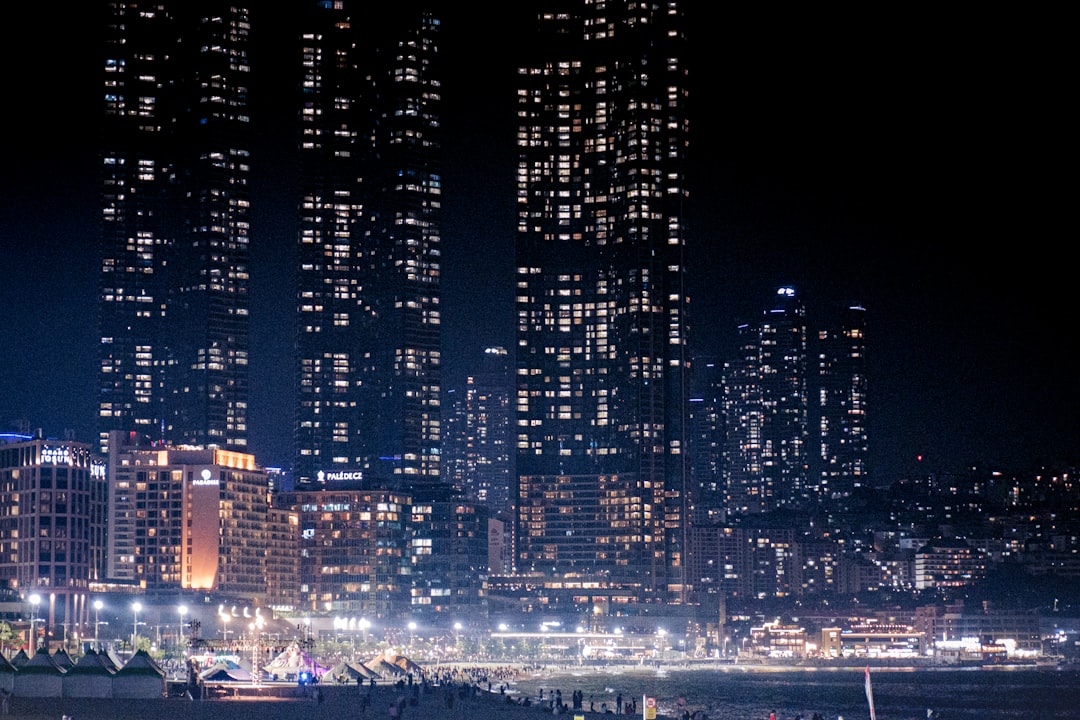
Busan
City guide to adult nightlife in Busan, covering Haeundae beach scene, entertainment districts, safety, and cultural norms.
Seoul
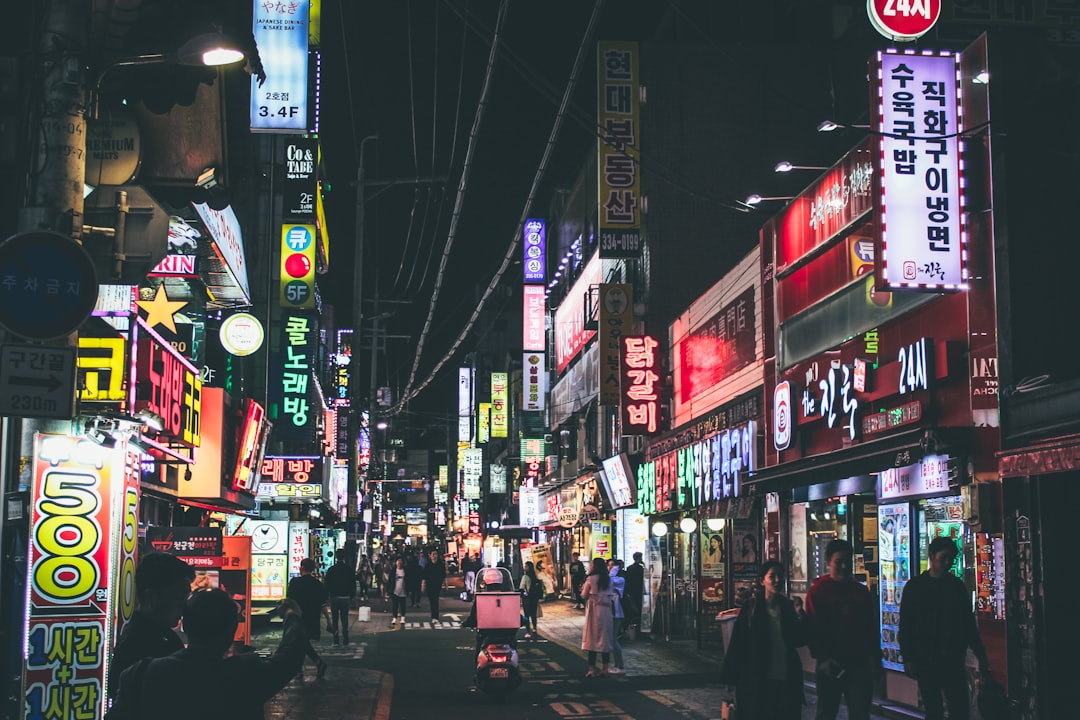
City guide to adult nightlife in Seoul, covering Gangnam, Itaewon, Hongdae, legal context, cultural norms, and practical advice.
Compare hotels in South Korea
Hotels, hostels, and short-term rentals across the country's main nightlife cities.
Legal Framework
South Korea prohibits prostitution under the Act on the Prevention of Sexual Traffic and Protection of Victims, enacted in 2004. The law criminalizes both the buying and selling of sexual services, with penalties of up to three years in prison or fines of up to 30 million KRW (roughly $22,000 USD / 20,500 EUR). Third-party facilitation carries heavier sentences.
Information verified through local contacts as of March 2026.
The 2004 law was a significant shift. Before it, Korea had a system of registered red-light districts that operated openly for decades. The government shut down most of these areas, though some persist in diminished form. Enforcement varies sharply by context and location.
Related activities exist in gray areas. Room salons, KTV lounges, and "officetels" (private apartments used for commercial purposes) operate in ways that technically skirt the law's definitions. The distinction between what's legal hospitality and what crosses the line is blurry, and the authorities know it.
Enforcement Reality
Police enforcement follows a pattern familiar across East Asia: periodic crackdowns driven by political pressure, followed by quiet returns to the status quo. Large operations targeting red-light districts make headlines every few years, but the underlying industry adapts rather than disappears.
Room salons and high-end KTV venues operate with relative stability because they maintain a plausible front as entertainment businesses. The staff pour drinks, sing karaoke, and socialize. What happens after hours, arranged privately, falls into a different category entirely.
Street-level activity draws the most enforcement attention. Areas like Seoul's former Cheongnyangni 588 district and Yeongdeungpo's old red-light zone have been targeted repeatedly. Many have closed or transformed into mixed-use commercial areas.
Foreign visitors rarely encounter enforcement directly. Police focus on organized operations and Korean nationals. That said, getting caught in a raid at any establishment creates serious complications, including potential deportation and a permanent entry ban.
Cultural Context
South Korea's relationship with adult entertainment is shaped by three forces: a deeply hierarchical corporate culture, rapid modernization, and strong conservative religious movements. These forces pull in different directions.
The corporate "hoesik" (company dinner) culture has historically driven much of the entertainment industry. Senior managers take teams to restaurants, then to noraebang (karaoke), then sometimes to room salons or "2-cha, 3-cha" (second round, third round) establishments. This pattern is declining among younger workers but remains entrenched in older corporate culture, construction, and finance.
Korea's Confucian social hierarchy means age, gender, and professional status shape every interaction in nightlife settings. A junior employee doesn't refuse a drink from a senior. A client's preferences take priority. These dynamics extend into how entertainment venues operate and who holds power in them.
Protestant Christianity, practiced by roughly 20% of the population, drives significant anti-prostitution activism. The tension between conservative religious values and the entertainment industry's economic footprint is a constant feature of Korean politics.
Costs
South Korea is expensive for nightlife, though not quite at Tokyo's level. Seoul's premium venues charge luxury prices, while Busan and smaller cities offer more affordable options.
Room salons charge 150,000 to 500,000 KRW ($110-370 USD / 100-340 EUR) per person for a session, depending on the tier. This typically includes a private room, a set number of hostesses, basic drinks, and fruit plates. Premium "ten pro" (10% commission) room salons, where staff are selected for their appearance, charge at the higher end. "Full salon" experiences with bottle service and extended time can run 1,000,000+ KRW ($740+ USD / 680+ EUR).
KTV (noraebang with hostesses) ranges from 80,000 to 200,000 KRW ($59-148 USD / 55-136 EUR) for two hours including drinks and company. Standard noraebang without hostesses costs 15,000 to 25,000 KRW ($11-18 USD / 10-17 EUR) per hour.
Nightclub cover charges at top Seoul venues run 20,000 to 40,000 KRW ($15-30 USD / 14-27 EUR), often including one or two drinks. Table service with bottles starts at 300,000 KRW ($222 USD / 204 EUR) and scales quickly. Gangnam mega-clubs charge 500,000 to 2,000,000 KRW ($370-1,480 USD / 340-1,360 EUR) for premium tables.
Street food keeps body and soul together for 3,000 to 8,000 KRW ($2-6 USD). A proper restaurant meal costs 10,000 to 20,000 KRW ($7-15 USD / 7-14 EUR). Soju at a convenience store is 1,800 KRW ($1.30 USD); at a bar, 5,000 to 8,000 KRW ($4-6 USD) per bottle.
Love motels charge 40,000 to 80,000 KRW ($30-59 USD / 27-55 EUR) for a night. Budget hotels near entertainment districts start at 50,000 KRW ($37 USD / 34 EUR). Seoul subway fares are 1,450 KRW ($1.07 USD / 0.99 EUR) per ride with a T-money card. Taxis start at 4,800 KRW ($3.55 USD / 3.27 EUR).
Dating Culture
Korean dating culture is appearance-focused, status-conscious, and structured around group dynamics more than Western norms would suggest. Blind dates arranged by friends ("sogaeting") and group dates ("meeting") are standard ways people connect. Cold approaches in public settings are uncommon and often unwelcome.
Men are expected to pay on early dates, and this expectation persists longer than in most Western countries. Planning and preparation matter: showing up without a restaurant reservation or date plan signals a lack of effort. Couple culture is performative: matching outfits, celebration of monthly anniversaries (22nd day, 100th day, 200th day), and public displays of commitment through gifts.
Physical appearance carries significant weight. South Korea's beauty industry is the largest per capita in the world, and both men and women invest heavily in skincare, fashion, and grooming. Cosmetic procedures are normalized to a degree that surprises most foreign visitors. This isn't vanity in the Western sense; it's a practical social investment.
Age hierarchy shapes dating interactions. The Korean age system means everyone knows exactly where they stand, and the language itself changes depending on the age gap between speakers. Dating someone significantly older or younger draws more scrutiny than in many Western countries.
Foreign men dating Korean women encounter specific dynamics. There's genuine curiosity and interest, but also family pressure, language barriers, and cultural expectations that can create friction. Korean families, particularly parents, may resist an international relationship. This pressure is real and shouldn't be underestimated.
Common mistakes foreigners make:
- Underestimating how much appearance and grooming matter in Korean dating
- Being too physically forward on early dates; Korea has conservative norms around public affection
- Ignoring the "kakao or nothing" reality: KakaoTalk is the default messaging platform and refusing to use it limits your options
- Assuming that friendliness equals romantic interest
- Not understanding that "I'll think about it" usually means "no"
Dating Apps
Tinder works in South Korea and has a large user base in Seoul, skewing toward casual connections and a mix of Koreans and foreigners. Bumble has a growing Korean user base, particularly among internationally minded professionals. Both apps show significantly more English-language profiles in Seoul than in other Korean cities.
Korean-market apps dominate the serious dating space. Amanda is known for its strict photo verification and approval process, where existing users vote on whether new applicants can join. This creates a curated, appearance-focused user base. GLAM uses AI matching and video profiles. Noondate shows two profiles per day at noon, forcing deliberate choices over endless swiping.
Most Korean dating apps require phone verification with a Korean number, which limits access for short-term visitors. Some also require Korean ID verification, making them effectively inaccessible to foreigners.
One pattern to watch: "hunting pochas" (hunting bars) are venues where single men and women sit at separate tables and send drinks to tables they're interested in. Staff facilitate introductions. This is a real social institution, not a tourist gimmick, and it operates on Korean social norms that foreigners should understand before participating.
Key Cities
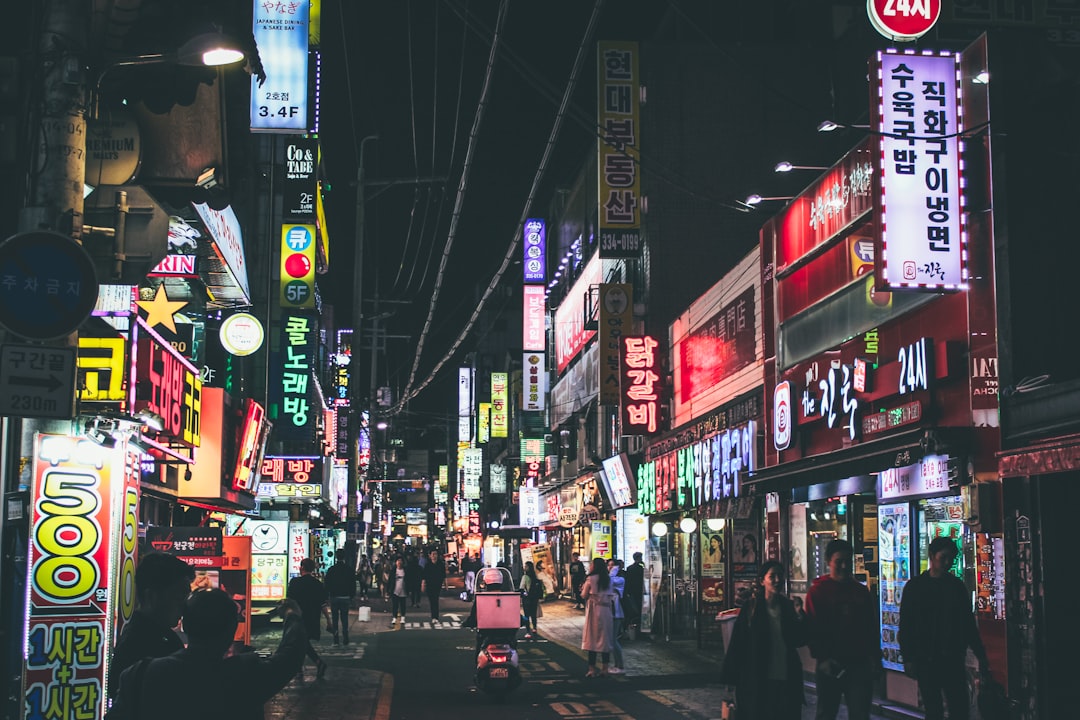
Seoul dominates South Korea's nightlife scene the way few capitals do. Gangnam's room salons and mega-clubs cater to Korea's elite. Itaewon has historically been the international district, with Hooker Hill's obvious establishments and a broad mix of foreigner-friendly bars. Hongdae draws university students and young professionals to indie clubs and all-night drinking sessions. Jongno has traditional establishments and the "Jongno 3-ga" area popular with older Korean men.
Busan is South Korea's second city and its beach capital. Haeundae Beach becomes a nightlife destination in summer, with beach bars and clubs running until dawn. Seomyeon is Busan's central entertainment district year-round. The city is more affordable than Seoul and has a more relaxed, less hierarchical atmosphere. The Busan International Film Festival in October brings a surge of nightlife activity.
Jeju Island has a developing tourism-oriented nightlife scene, though it's small compared to mainland cities. Daegu has a significant entertainment district around Dongseongno. Daejeon and Gwangju have localized scenes catering primarily to Korean clientele.
Safety Considerations
South Korea is one of the safest countries in Asia. Violent crime rates are low, public transportation runs efficiently until late hours, and the infrastructure is modern and reliable. That said, nightlife carries its own risks:
- Drink spiking occurs, particularly at foreigner-oriented bars in Itaewon. Watch your glass at all times
- Alcohol consumption in Korea is extremely high by global standards. Koreans drink more hard liquor per capita than any other nationality. The social pressure to drink can be intense, and many incidents in nightlife areas involve severe intoxication
- Room salon pricing is opaque by design. Agree on costs before entering a private room, or you will face a bill far exceeding your expectations
- Late-night taxi scams targeting foreigners happen, particularly refusing to use the meter or claiming the meter is broken. Use the Kakao T app to book rides with fixed pricing
- Violent confrontations do occur in entertainment districts late at night, typically between intoxicated Korean men. Avoid escalation and leave the area if tensions rise
- Photography in entertainment venues is strictly prohibited and will create immediate problems
Common Scams
Room salon bill shock: The host quotes a base price that covers a basic package. Drinks, food, extended time, "nominations" of specific staff, and service charges accumulate rapidly. A "150,000 KRW" evening becomes 800,000 KRW. Get the complete pricing structure in writing or on your phone before committing.
Fake "foreigner-friendly" establishments: Touts near Itaewon and Gangnam direct foreigners to overpriced venues with inflated prices for international visitors. Stick to venues you've researched independently.
Bar tab inflation: Some bars in entertainment districts add items to tabs, particularly when customers are intoxicated. Check your bill carefully and keep track of what you've ordered.
Love motel bait-and-switch: Online photos don't match the actual room. Check the room before paying, as refunds are difficult to obtain.
What Not to Do
- Do not refuse a drink from a Korean elder or business superior in a social setting without a clear, polite reason (medical, religious). This is a serious social breach
- Do not pour your own drink. In Korean drinking culture, you pour for others and they pour for you
- Do not assume English will be understood outside of tourist areas and international districts
- Do not carry excessive cash to entertainment venues. Bring a set budget and leave the rest at your hotel
- Do not get into unmarked taxis or vehicles, especially late at night
- Do not take photographs inside any entertainment establishment
- Do not touch or grab anyone. Korean social norms around personal space are strict
- Do not argue loudly in public. Causing a scene is a severe loss of face for everyone involved
Sources
- U.S. Department of State: South Korea Travel Advisory - Entry requirements, safety alerts, and local law summary
- UK Foreign, Commonwealth & Development Office: South Korea Travel Advice - Safety, health, and legal information for travelers
- Australian Government Smartraveller: South Korea - Travel advisory and practical information
Get the Legal Status PDF, 50 countries
Newsletter signup coming soon. Check back shortly.
Emergency Information: South Korea
- Emergency:
- 112 (police) / 119 (ambulance)
- Tourist Police:
- 1330 hotline with English, Japanese, and Chinese support. Tourist Police operate in Myeongdong, Itaewon, Hongdae, and Dongdaemun.
- Embassy Note:
- Most embassies are in Seoul's Yongsan district. Consulates operate in Busan and Jeju.
Related Destinations
China
Guide to nightlife across mainland China, Hong Kong, and Macau covering bar districts, KTV culture, legal context, costs, and practical tips for foreign visitors.
Japan
Tokyo's Kabukicho, Osaka's Tobita Shinchi, and a unique world of soaplands, hostess bars, and fuzoku. Expensive but exceptionally high quality, with a culture unlike anywhere else.
Mongolia
Nightlife guide to Mongolia, covering the bar and club scene in Ulaanbaatar, safety concerns, cultural norms, and what visitors should expect from one of Asia's lesser-known capitals.
Taiwan
Taipei's Linsen North Road hostess bars, Xinyi district clubs, and a KTV culture shaped by Japanese influence. High safety, moderate costs, and a nightlife scene that rewards patience and cultural awareness.
Similar Countries in Other Regions
Countries with a similar overall score to South Korea (3.5) but in different parts of the world.
Azerbaijan
3.5Caucasus
An oil-rich Caspian nation where conservative Muslim traditions sit alongside Baku's cosmopolitan bar scene, waterfront clubs, and a nightlife shaped by petrodollars and regional tourism.
Croatia
3.5Southern Europe
Zagreb and Split offer a growing nightlife scene with Mediterranean beauty, Adriatic coastline bars, and an unregulated but tolerated adult entertainment industry.
Cuba
3.5Caribbean
Havana's Malecon and Vedado offer a unique scene shaped by economics and isolation. Rock-bottom prices, genuine connections, and a fading old-world atmosphere found nowhere else.
Was this guide helpful?