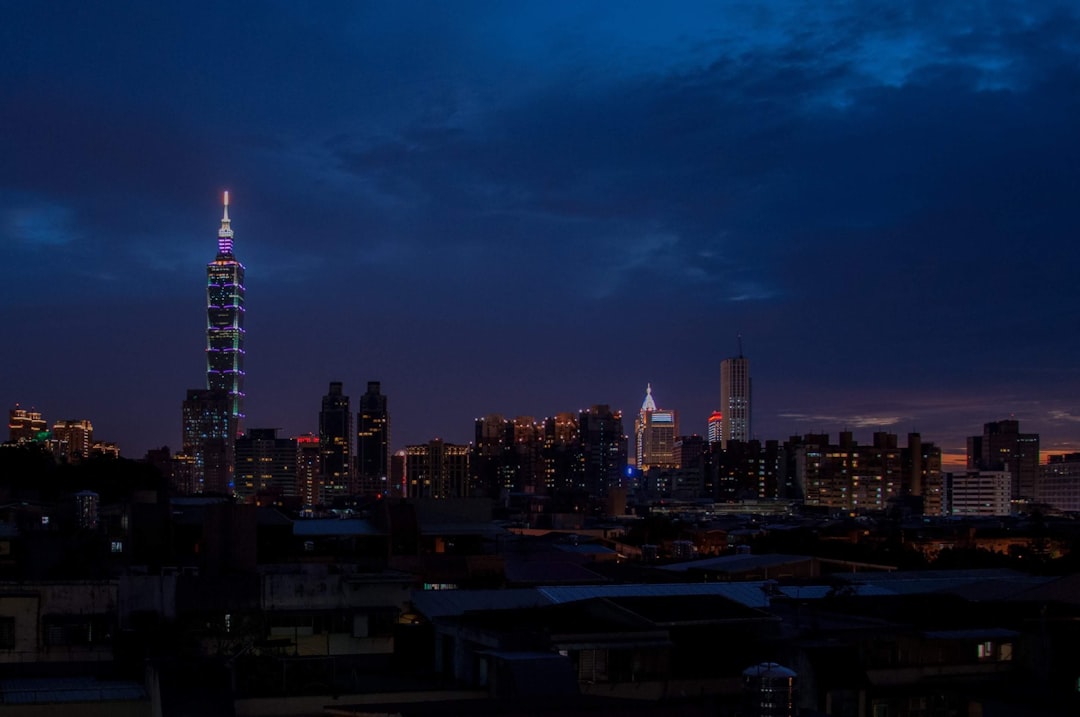


Before You Travel to Taiwan
Five things every smart traveler sorts before booking.
- 1
Passport valid 6+ months from entry date
Most countries refuse entry on passports expiring within six months. Renew now if you're close.
- 2
Visa requirements for Taiwan
Some are visa-free, some require an e-visa filed days ahead, some need an embassy appointment.
- 3
Travel insurance booked
A hospital visit in Taiwan can run $4,000-15,000 without cover. Credit card insurance usually excludes alcohol-related incidents.
- 4
eSIM data plan ready before landing
Airport SIM kiosks need your passport and overcharge tourists. Install an eSIM in 60 seconds, online before you fly.
- 5
Accommodation reserved in the right district
The wrong neighborhood means a 45-minute taxi every night. Map the venues first, then book.
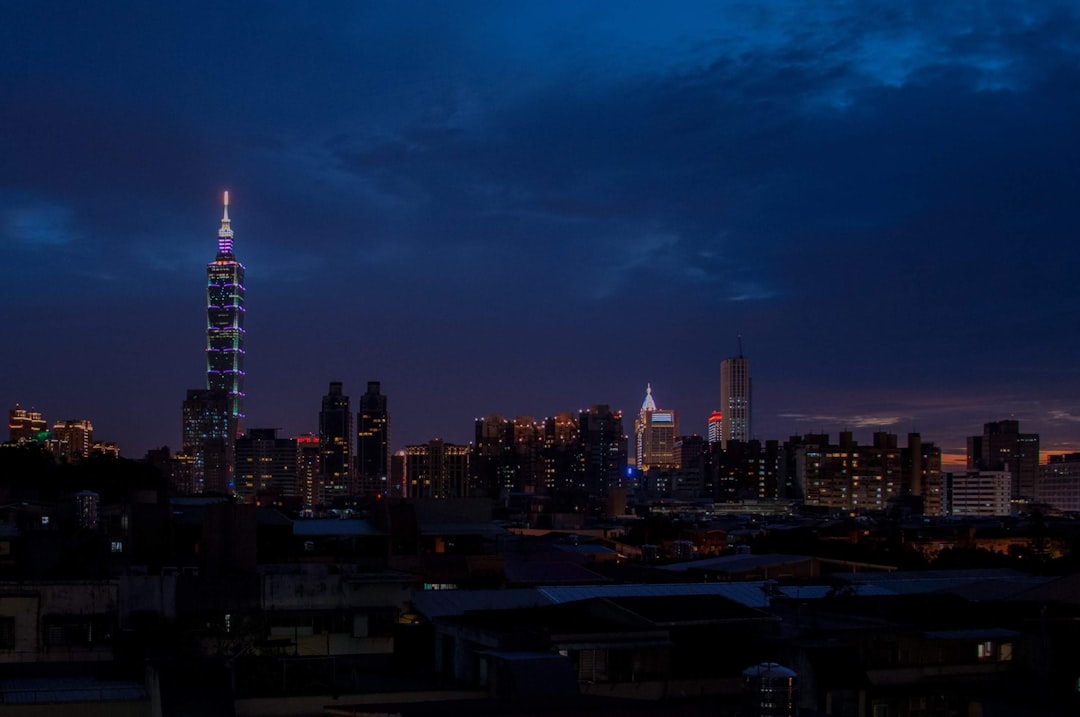
Compare hotels in Taiwan
Hotels, hostels, and short-term rentals across the country's main nightlife cities.
Legal Framework
Taiwan's legal position on adult entertainment is ambiguous. The Social Order Maintenance Act and the Adult Entertainment Business Regulation Act allow local governments to designate "special zones" where adult entertainment can operate legally. In practice, no local government has ever designated such a zone, leaving the entire industry in a gray area.
Our field team visited Taiwan most recently in March 2026.
The law technically permits the establishment of licensed red-light districts, but political pressure prevents any municipality from acting. This creates a situation where sex work isn't criminalized for the worker, but operating a venue or acting as a third party is illegal under certain conditions. Police enforcement follows local priorities rather than a unified national policy.
Enforcement Reality
Enforcement is selective. Taipei's police conduct periodic raids on massage parlors and unlicensed KTV establishments, usually in response to public complaints or political pressure before elections. These crackdowns follow a predictable cycle: a media report triggers a sweep, arrests make headlines for a week, and operations resume within a month.
Licensed establishments that pay taxes and maintain orderly operations face little interference. The targets are typically unlicensed venues, those involved in trafficking, or businesses that generate noise complaints from neighbors. Foreign visitors are rarely caught up in enforcement actions, though being present during a raid creates complications with immigration status.
Hostess bars and KTV lounges operate openly throughout Taipei. They don't advertise explicit services, but the industry's existence is common knowledge.
Cultural Context
Taiwan's nightlife culture bears strong Japanese influence, a legacy of 50 years of colonial rule that ended in 1945. The KTV (karaoke television) system, hostess bar format, and emphasis on customer service all trace back to Japanese models. Taiwanese businessmen adopted these entertainment formats for client hospitality, and the tradition persists today.
Face matters. Public discretion is expected in all adult entertainment contexts. Taiwanese society maintains a sharp divide between public propriety and private behavior. Conversations about nightlife happen among close friends, not in mixed company. Foreigners who discuss these topics openly in inappropriate settings mark themselves as culturally unaware.
The concept of "renqing" (human feeling, social obligation) shapes business entertainment. Taking clients to KTV or hostess bars builds relationships through shared experience. This isn't casual socializing; it's a structured part of commercial culture.
Costs
Taiwan is moderately expensive for nightlife. Prices sit between Southeast Asian and Japanese levels, making it accessible for most international visitors without the sticker shock of Tokyo.
Nightclubs in Xinyi charge cover fees of TWD 500-1,500 (USD 15-47 / EUR 14-43) on weekends. Drinks inside run TWD 300-600 (USD 9-19 / EUR 9-17) for cocktails and TWD 200-350 (USD 6-11 / EUR 6-10) for beer. Ladies' nights at some venues waive women's cover charges.
KTV rooms cost TWD 300-800 (USD 9-25 / EUR 9-23) per person per hour at commercial chains like Party World or Holiday KTV. Premium KTV venues with hostess services charge TWD 2,000-5,000 (USD 62-156 / EUR 57-143) per hour plus drink fees. Bottle service in these settings runs TWD 3,000-15,000 (USD 94-469 / EUR 86-430) depending on the spirit.
Hostess bars on Linsen North Road charge set rates of TWD 1,500-3,000 (USD 47-94 / EUR 43-86) per hour, with drinks for the hostess adding TWD 300-500 (USD 9-16 / EUR 9-14) each. Service charges of 10-20% are standard.
Food outside entertainment venues is affordable. Night market meals cost TWD 50-150 (USD 2-5 / EUR 2-4). A sit-down restaurant dinner runs TWD 200-500 (USD 6-16 / EUR 6-14) per person. Convenience stores (7-Eleven, FamilyMart) are on every block and open 24 hours.
Taipei Metro fares range from TWD 20-65 (USD 0.60-2.00 / EUR 0.57-1.86) per ride. Taxis start at TWD 85 (USD 2.65 / EUR 2.44) and charge TWD 5 per 200 meters. Uber operates in Taipei and uses licensed taxi drivers.
Dating Culture
Taiwanese dating follows patterns familiar to anyone who knows East Asian norms, with some local variations. The pace tends to be gradual. Physical affection develops slowly, and couples often date for weeks before holding hands in public. Kissing in public is less common than in Western countries, though attitudes have shifted among younger Taiwanese in urban areas.
Men typically pay on early dates. The expectation softens among younger, more progressive Taiwanese, but offering to pay is still the safe default for foreign visitors. Splitting the bill on a first date sends a signal of disinterest.
Family involvement comes earlier than in many Western cultures. Meeting parents signals serious intent. Taiwanese parents can be direct about their expectations for a partner's career, income, and background. Foreign partners face additional scrutiny, though attitudes toward international relationships have become more accepting over the past decade.
Common mistakes to avoid:
- Moving too fast physically, especially before establishing emotional connection
- Ignoring indirect communication; "maybe later" or "I'll think about it" often means no
- Being unaware of the importance of LINE (Taiwan's dominant messaging app) in social life
- Assuming that friendliness equals romantic interest
- Discussing sensitive political topics (cross-strait relations, independence) with someone you've just met
Dating Apps
Tinder has the largest user base in Taiwan, popular with both locals and international visitors. Bumble has grown steadily, especially among women who prefer controlling the first message. CMB (Coffee Meets Bagel) attracts users looking for serious relationships.
LINE is Taiwan's WhatsApp. Everyone uses it. Moving a conversation from a dating app to LINE is the standard progression and signals genuine interest. Not having LINE installed on your phone is a social handicap in Taiwan.
Mandarin proficiency significantly expands your options. Many profiles outside the expat bubble are written entirely in Chinese, and English-speaking matches tend to concentrate among those who've studied or lived abroad. Basic Mandarin goes a long way.
Photo culture is different here. Heavy use of filters, stickers, and beauty apps on profile photos is normal, not a red flag. Expect some gap between filtered photos and real-life appearance.
Key Cities
Taipei is Taiwan's capital and the center of its nightlife industry. The Xinyi district holds the major nightclubs and upscale bars near Taipei 101. Linsen North Road is the historic center of hostess bar culture, strongly influenced by Japanese business entertainment traditions. Zhongshan and Daan districts have cocktail bars and live music venues. The city's night markets offer a different kind of evening entertainment entirely.
Other cities have limited nightlife scenes compared to Taipei. Taichung has a growing bar district along Jingming First Street. Kaohsiung has entertainment options in the Liuhe and Ruifeng night market areas, plus scattered bars near Love River. Tainan is Taiwan's cultural capital with excellent food but minimal organized nightlife.
Safety Considerations
Taiwan is one of the safest countries in Asia. Violent crime rates are extremely low, and Taipei regularly ranks among the world's safest cities for travelers. That said, nightlife environments carry their own risks:
- Drink spiking is rare but has been reported at clubs in the Xinyi district. Watch your glass
- Taxi scams are uncommon but possible. Use Uber or hail yellow taxis with working meters
- Earthquake preparedness matters. Taiwan sits on a seismic zone. Know your hotel's evacuation route
- Typhoon season (July to October) can disrupt plans. Check weather forecasts during these months
- Hospital care is excellent and affordable, even without insurance. National Health Insurance covers residents; travelers should carry travel insurance
- Drug laws are severe. Possession of even small amounts of controlled substances can result in years of imprisonment
Common Scams
KTV overcharging: Some unlicensed KTV venues present inflated bills at the end of a session. Confirm hourly rates, drink prices, and any service charges before the room is booked. Stick to established chains for predictable pricing.
Massage parlor bait-and-switch: Storefronts advertising legitimate massage at standard rates may push additional services at steep prices once the session begins. Decline firmly and pay only for what you agreed to.
Tea house scams: Rare but documented. A friendly local invites a tourist to a "traditional tea ceremony" that ends with a bill for TWD 5,000-10,000 for mediocre tea.
Night market pickpocketing: Crowded markets create opportunities for theft. Keep valuables in front pockets or a crossbody bag.
What Not to Do
- Do not carry or use illegal drugs. Taiwan enforces drug laws strictly, including long prison sentences and deportation
- Do not discuss Taiwan's political status carelessly with strangers. It's a sensitive topic
- Do not assume that all KTV establishments are the same. Commercial karaoke and hostess KTV are different industries
- Do not hand your credit card to anyone at unfamiliar venues. Pay in cash when possible
- Do not accept unsolicited invitations from strangers to visit bars or tea houses
- Do not photograph inside any adult entertainment venue
- Do not engage with anyone who appears to be a minor. Report concerns to police at 110
Sources
- U.S. Department of State: Taiwan Travel Advisory - Entry requirements, safety alerts, and local law summary
- UK Foreign, Commonwealth & Development Office: Taiwan Travel Advice - Safety, health, and legal information for travelers
- Australian Government Smartraveller: Taiwan - Travel advisory and practical information
Get the Legal Status PDF, 50 countries
Newsletter signup coming soon. Check back shortly.
Emergency Information: Taiwan
- Emergency:
- 110
- Tourist Police:
- Foreign Affairs Police: (02) 2381-7494
- Embassy Note:
- Most countries do not maintain formal embassies in Taiwan due to diplomatic recognition of the PRC. Representative offices function as de facto embassies. The American Institute in Taiwan (AIT) and similar institutions handle consular matters.
Nearby Alternatives
China
Guide to nightlife across mainland China, Hong Kong, and Macau covering bar districts, KTV culture, legal context, costs, and practical tips for foreign visitors.
Japan
Tokyo's Kabukicho, Osaka's Tobita Shinchi, and a unique world of soaplands, hostess bars, and fuzoku. Expensive but exceptionally high quality, with a culture unlike anywhere else.
Mongolia
Nightlife guide to Mongolia, covering the bar and club scene in Ulaanbaatar, safety concerns, cultural norms, and what visitors should expect from one of Asia's lesser-known capitals.
South Korea
Seoul's Gangnam room salons, Itaewon's international nightlife, and a booking culture unlike anywhere else. Expensive, tech-forward, and deeply coded in social hierarchy.
Similar Countries in Other Regions
Countries with a similar overall score to Taiwan (3.4) but in different parts of the world.
Cyprus
3.4Mediterranean
Guide to nightlife in Cyprus covering Ayia Napa's party strip and Limassol's bar scene, with practical information on costs, safety, and local customs for male travelers.
Czechia
3.4Central Europe
Prague's Wenceslas Square and a regulated scene with licensed FKK clubs. More expensive than Budapest but with strong nightlife, beautiful Czech women, and excellent beer.
Nepal
3.4South Asia
A Hindu-majority Himalayan republic where nightlife barely registers outside Kathmandu's Thamel district, shaped by conservative social norms, limited licensing, and a backpacker economy that keeps a handful of bars alive.
Was this guide helpful?